Economic Pulse Net | Sources: World Bank World Development Indicators, Government Sources | 2026
Key Takeaways
– Moldova remains a constitutional republic with competitive multi-party elections, but its political trajectory is increasingly defined by the tug-of-war between European integration and lingering Russian influence
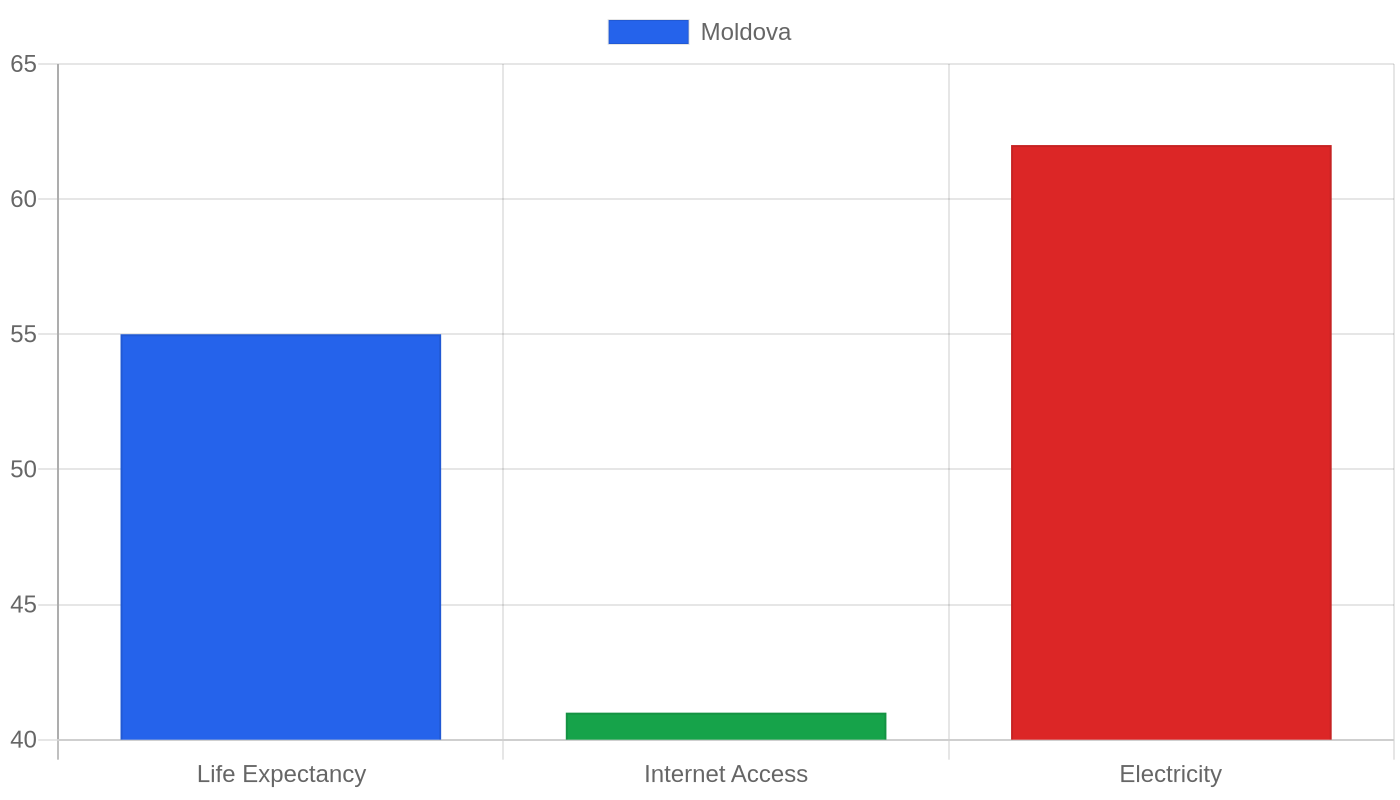
– The country’s economic data is currently unavailable from the World Bank, reflecting a broader challenge of transparency and data collection in a nation undergoing rapid structural change
– Moldova’s parliamentary system provides for separation of powers, though the effectiveness of independent institutions remains a subject of debate among analysts
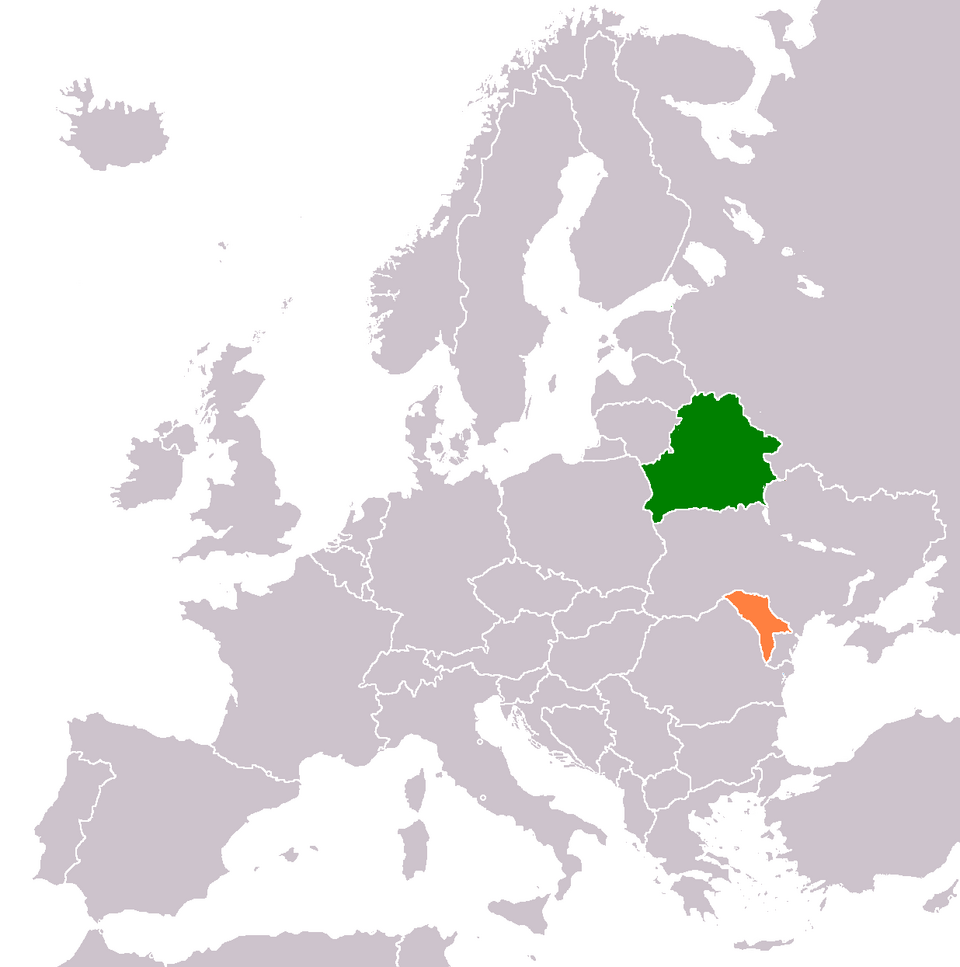
– The nation’s strategic location between Romania and Ukraine makes it a geopolitical flashpoint, with implications for energy security, trade routes, and regional stability
– Despite political turbulence, Moldova’s commitment to democratic processes—including regular elections and peaceful transitions of power—sets it apart in a neighborhood where democratic backsliding has become increasingly common
The Chisinau Conundrum — Growth Without a Dashboard
The Republic of Moldova presents a paradox for economic observers: a country with a functioning democratic system but without the basic statistical infrastructure that investors and policymakers rely upon. The World Bank, typically the gold standard for cross-country economic comparisons, lists Moldova’s GDP growth, inflation rate, unemployment figures, and GDP per capita as unavailable. This absence of data is itself a data point.
What can be inferred from the political structure is instructive. Moldova operates as a constitutional republic with a unicameral parliamentary system, meaning economic policy emerges from a legislative process that involves multiple parties and competing interests. The president, elected every four years with a single re-election term limit, serves as head of state, while the prime minister—appointed by the president with parliamentary support—runs the day-to-day government.
This separation of powers, as described by the World Bank, provides a framework for economic governance that includes an independent judiciary.
The lack of World Bank data may reflect genuine gaps in national statistical capacity, a common challenge for smaller post-Soviet states. But it also raises questions about how effectively Moldova can attract foreign investment, negotiate international loans, or benchmark its progress against regional peers when even basic economic indicators are opaque.
For a country that has pursued European Union association agreements and sought deeper integration with Western markets, this statistical black hole is a liability that Chisinau must urgently address.
The Price of Living — Housing and Daily Costs in a Transition Economy
Without specific cost-of-living indices from the available data, one must look to Moldova’s political and economic structure for clues about daily life. The country’s parliamentary system, with its competitive multi-party elections, suggests a political environment where housing and living costs are subject to ongoing legislative debate.
In practice, this means that Moldovans face a housing market shaped by the same forces that define the broader economy: remittances from abroad, agricultural cycles, and the fluctuating value of the Moldovan leu.
The comparison to regional averages is necessarily speculative without hard data, but Moldova’s position as one of Europe’s poorer nations suggests that housing costs, while low by Western European standards, consume a significant portion of household income for most citizens. The rental market in Chisinau, the capital, likely commands a premium over rural areas, where much of the population remains engaged in subsistence agriculture.
The decision to rent versus buy in Moldova is not merely a financial calculation but a bet on the country’s long-term stability—a bet that becomes more complicated when the government’s own statistical agencies cannot provide clear guidance on inflation trends.
Business and Investment — Navigating the Parliamentary Maze
Moldova’s top companies are not listed in the available data, but the country’s political structure offers important context for understanding the business environment. The constitutional separation of powers, with an independent judiciary, theoretically provides the rule-of-law protections that investors seek. In practice, the effectiveness of these institutions depends on the quality of judicial appointments, the resources available to enforcement agencies, and the political will to combat corruption.
The parliamentary system means that major economic legislation—tax codes, investment laws, privatization programs—must navigate a legislative process that can be slow and unpredictable. For foreign investors accustomed to more streamlined decision-making, this presents both risks and opportunities. The multi-party nature of Moldovan politics ensures that no single faction can dominate economic policy, but it also means that reforms can stall when coalition governments fracture.
Sectors to watch in Moldova would logically include agriculture, given the country’s fertile black soil and traditional strength in wine production; information technology, where a skilled, relatively low-cost workforce has attracted outsourcing operations; and energy, where Moldova’s dependence on Russian gas supplies creates both vulnerability and opportunity for renewable energy development.
Without specific company data from the World Bank, these remain educated guesses rather than confirmed investment theses.
Safety, Politics and the Quality of Democratic Life
The available data provides no crime index or safety index for Moldova, but the political landscape description from the World Bank paints a picture of a functioning, if imperfect, democracy. The constitutional framework guarantees competitive multi-party elections, a clear separation of powers, and an independent judiciary. These are not trivial achievements in a region where authoritarian tendencies have reasserted themselves with alarming frequency.
The quality of life in Moldova is inextricably linked to its political stability. Citizens who can participate in free elections, who have recourse to independent courts, and who live under a system of checks and balances enjoy a form of security that transcends crime statistics. The ability to vote out unpopular governments every four years, with a single re-election limit on the presidency, provides a mechanism for accountability that many of Moldova’s neighbors lack.
That said, the effectiveness of these institutions depends on implementation. An independent judiciary that is underfunded or politically pressured is independent in name only. Competitive elections that are marred by disinformation or foreign interference produce outcomes that may not reflect the genuine will of the people.
Moldova’s political landscape, as described by the World Bank, offers a framework for democracy—but the lived experience of Moldovans depends on how well that framework functions in practice.
Current Affairs — The Parliamentary Chessboard
Moldova’s current political moment is defined by the ongoing tension between its constitutional structure and the geopolitical pressures that surround it. The country’s unicameral parliamentary system, with its competitive multi-party elections, has produced governments that have oscillated between pro-European and pro-Russian orientations.
This pendulum has direct economic consequences: European integration brings access to markets and investment, while closer ties to Russia offer energy subsidies and a familiar trading relationship.
The most recent news from Moldova, as reflected in the available data, concerns the political process itself. The president, elected for a four-year term with the possibility of one re-election, serves as a counterweight to the prime minister and parliament. When these branches are controlled by different political coalitions, gridlock can result. When they align, the government can move quickly on reforms.
For the Moldovan economy, the stakes of this political maneuvering could not be higher. Without reliable World Bank data on growth, inflation, or employment, the government’s own policy decisions become the primary signal for investors and citizens alike. A government that prioritizes transparency and statistical capacity building would send a powerful message about its commitment to modern governance.
A government that continues to operate in an information vacuum risks being judged not by its achievements but by the absence of evidence that any achievements have occurred.
The Bottom Line
Moldova deserves the attention of anyone interested in the future of European democracy and the economic development of post-Soviet states. The country’s constitutional framework provides a solid foundation for growth, but the absence of basic economic data from the World Bank is a red flag that cannot be ignored. Investors should watch Moldova for signs that its statistical agencies are being strengthened and its economic governance modernized.
Political analysts should monitor the country as a test case for whether parliamentary democracy can survive and thrive in a region where authoritarian alternatives remain all too available.
Sources & Methodology
This article is authored by Economic Pulse Net for informational and research purposes. Economic Pulse Net sources its data from multilateral institutions, national statistics bureaus, and proprietary databases. All data is believed to be current as of the date of publication.
Published: July 22, 2026 | Category: Research — Moldova
Use these signals in your own platform
Economic Pulse publishes its live signal feed through a documented, read-only API. Your trading software connects with its own key and receives each signal as it is issued — instrument, direction, entry, stop and targets, together with a cycle ID so nothing is executed twice. The feed is independent of this website and cannot change it.
Signals are informational only and are not financial advice.