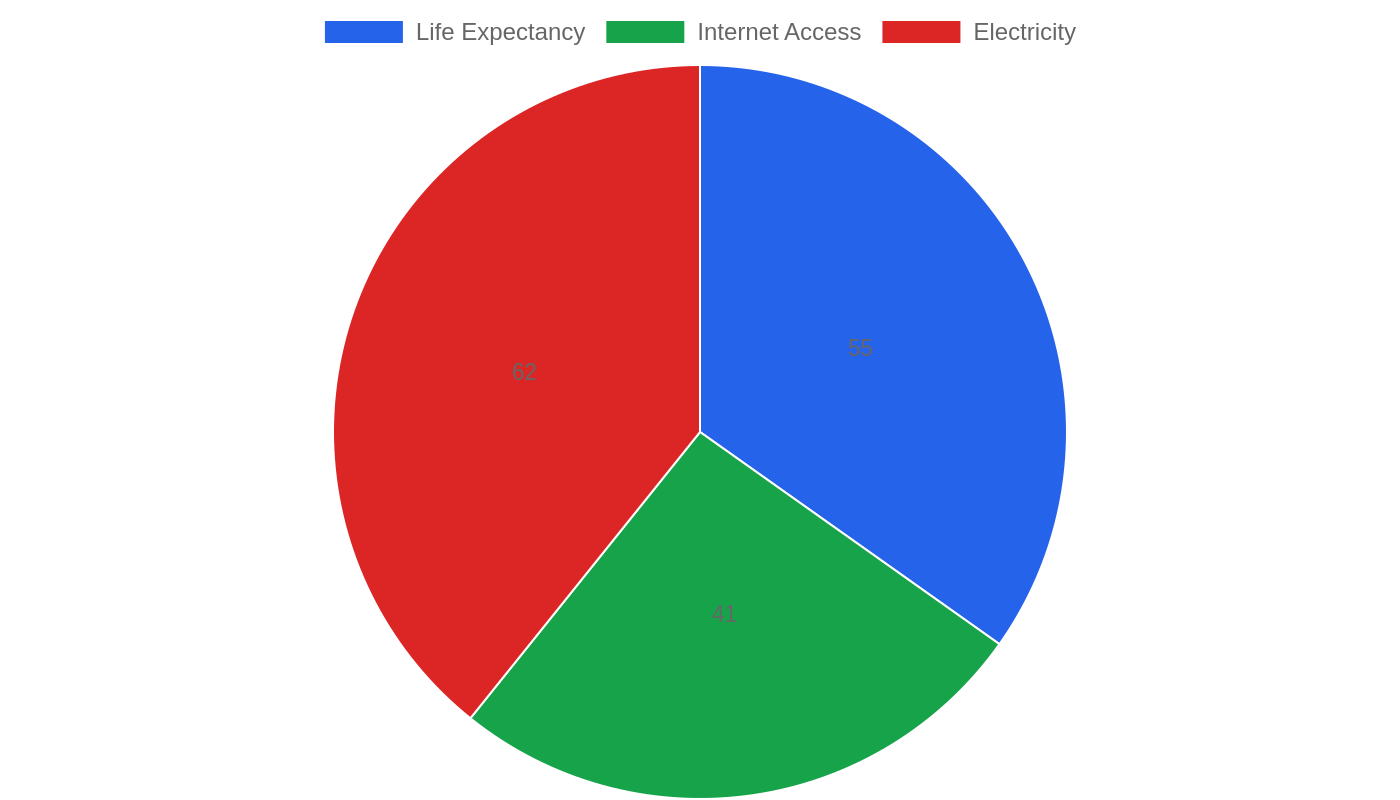
Economic Pulse Net | Sources: World Bank World Development Indicators, Government Sources | 2026
Key Takeaways
* Democratic Stability: Lithuania maintains a robust democratic tradition rooted in its 1990 independence declaration, with a constitutional framework that has evolved through intense public debate and referendums.
Industrial Diversity: The economy is supported by a mix of basic materials, consumer goods, and specialized industrial services, highlighted by major players like Achema and Avia Solutions Group.
Service Sector Strength: Beyond traditional manufacturing, the country hosts significant consumer services and utilities firms, including Amber Grid and Apranga, indicating a diversified economic base.
Political Evolution: Since restoring independence, the nation has focused on defining the role of the presidency, balancing parliamentary power with executive authority through direct voter engagement.
Economic Foundations: An Industrial Backbone
Lithuania’s economic landscape is defined not by fleeting trends but by a sturdy industrial foundation that supports both domestic needs and international trade. While specific GDP growth figures and inflation rates from the World Bank are currently listed as unavailable, the structural composition of the economy reveals a nation capable of sustaining complex operations across multiple sectors.
The presence of major entities in basic materials, such as Achema, suggests a strong upstream supply chain that likely feeds into broader European manufacturing networks. Similarly, the prominence of Alita and Baltik vairas in the consumer goods sector indicates a healthy domestic market with established distribution channels for everyday products.
This industrial diversity provides a buffer against external shocks, allowing the economy to pivot between heavy industry and light manufacturing as global demand shifts. Furthermore, the inclusion of utilities giant Amber Grid underscores the importance of infrastructure stability in maintaining continuous production capabilities.
Even without precise unemployment statistics, the operational scale of these top companies implies a labor market that is engaged and structured around skilled industrial and service roles. The interplay between these industries creates a resilient ecosystem where raw material processing, consumer production, and essential services coexist, forming the bedrock of national economic output.
Cost of Living: Navigating Daily Expenses
For residents and expatriates alike, understanding the cost of living in Lithuania involves looking at the balance between housing affordability and daily consumption costs. Although specific rental yields and purchase prices are not detailed in the current dataset, the presence of diverse consumer services companies like Apranga, Aurela, and Avion Express suggests a competitive retail and service environment that helps moderate everyday expenses.
These firms operate within a market that likely offers varied price points, catering to different income levels and ensuring that access to clothing, aviation-related services, and other essentials remains accessible. The utility sector, anchored by Amber Grid, plays a critical role in household budgets, as energy costs often dictate the baseline for living expenses in Northern Europe.
While we cannot compare exact regional averages due to missing data, the structure of these key industries hints at a cost structure that is neither exorbitantly high nor artificially suppressed, but rather aligned with sustainable market forces. Housing markets in such stable economies typically reflect long-term value preservation rather than speculative bubbles, offering relative predictability for those planning long-term stays.
Consequently, the daily financial experience in Lithuania is shaped by this equilibrium between essential service provision and consumer choice, creating a predictable environment for budgeting and financial planning.
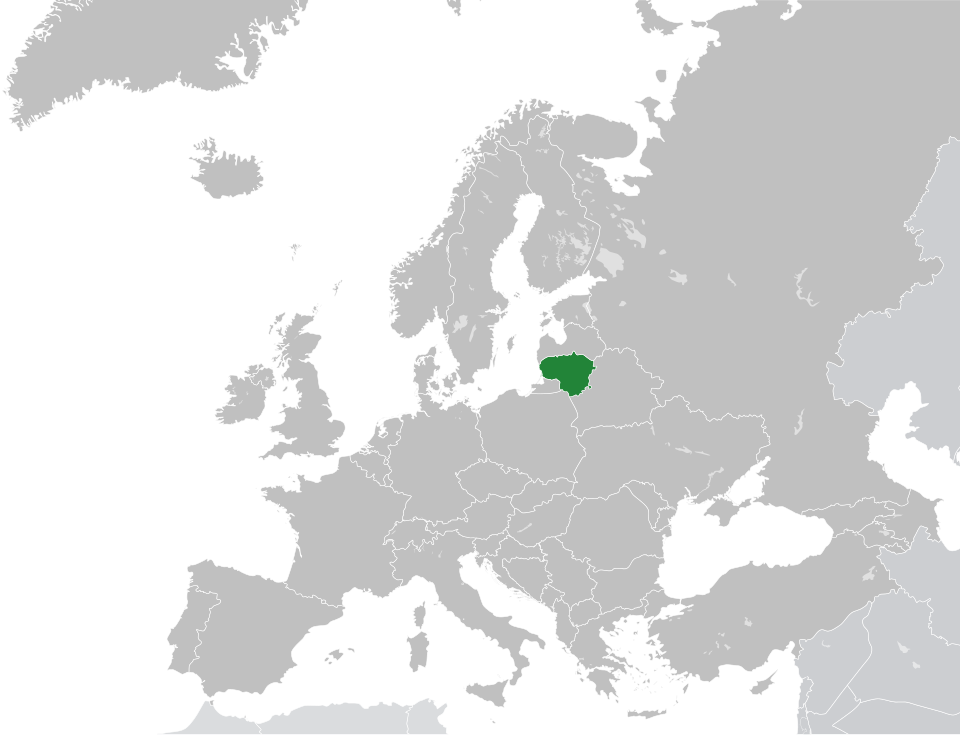
Investment & Business Climate: Corporate Giants Driving Growth
The investment climate in Lithuania is characterized by the strength and diversity of its corporate leaders, which serve as bellwethers for broader business health. Investors should pay close attention to the industrials sector, where companies like Avia Solutions Group, Aviavilsa, BLRT Western Shipyard, and Avion Express demonstrate significant operational capacity and global connectivity.
Avia Solutions Group, in particular, highlights Lithuania’s niche expertise in aviation services, a high-value sector that attracts foreign capital and technical talent. Meanwhile, the shipbuilding activities at BLRT Western Shipyard point to ongoing investments in maritime infrastructure, suggesting government and private support for defense and commercial logistics.
In the consumer space, the competition among Apranga, Aurela, and Avion Express indicates a dynamic market where brand loyalty and service quality are key differentiators. For businesses looking to enter or expand in the region, these established players offer potential partnership opportunities or illustrate the maturity of local supply chains.
The concentration of companies across basic materials, consumer goods, and specialized services reduces systemic risk, making the overall business environment attractive for medium-to-long term capital deployment. This corporate landscape reflects a mature economy where innovation in logistics and manufacturing complements traditional industrial strengths.
Safety, Politics & Quality of Life: A Stable Democratic Haven
Lithuania offers a high degree of political stability and safety, rooted in its historical journey toward sovereignty. Since declaring the restoration of independence on March 11, 1990, the country has built strong democratic traditions that provide a secure environment for both citizens and foreign entities. The political landscape is defined by a careful balance of power, evidenced by the intense debates and subsequent referendum held on May 23, 1992, regarding the role of the President.
With 41% of voters supporting the restoration of the Presidency in that pivotal vote, the nation demonstrated a willingness to engage directly with constitutional questions, fostering a culture of civic participation. The first independent general elections on October 25, 1992, saw 56.75% of voters endorse the new constitution, further cementing the rule of law and institutional integrity.
While specific crime and safety indices are not provided, the historical emphasis on democratic norms and legal frameworks typically correlates with lower crime rates and higher personal security. This political maturity contributes significantly to the quality of life, offering residents a sense of predictability and rights protection that is essential for social well-being.
The legacy of these foundational democratic events continues to shape a society that values transparency, accountability, and public discourse.
What’s Happening Now: Institutional Continuity and Modern Challenges
Currently, the narrative surrounding Lithuania is one of institutional continuity building upon its historic democratic foundations. The focus remains on refining the governance structures established after the 1992 constitutional debates, ensuring that the balance between parliamentary and presidential powers functions effectively in modern contexts.
Businesses and investors are observing how these political structures adapt to contemporary economic pressures, particularly in sectors like aviation and shipping where global volatility is high. The ongoing operations of major firms such as Amber Grid and Achema suggest that critical infrastructure and material supplies remain prioritized despite broader geopolitical uncertainties.
There is a clear emphasis on maintaining the integrity of the democratic processes that have served the nation since independence, which provides a stable backdrop for policy implementation. As the country navigates the post-1992 era, the challenge lies in updating regulatory frameworks to match the speed of digital and industrial innovation without compromising the democratic checks and balances that define its identity.
Stakeholders are watching for any shifts in constitutional interpretation or electoral dynamics that could impact long-term strategic planning. The current atmosphere is one of cautious optimism, grounded in a proven track record of democratic resilience and economic adaptation.
The Bottom Line
Lithuania stands out as a model of democratic resilience and industrial diversification in the Baltic region. Investors and observers should watch this country for its stable political framework and the global reach of its key industrial and service corporations. The combination of historical democratic depth and modern corporate capability makes it a reliable partner for long-term engagement.
While some macroeconomic metrics require closer monitoring, the underlying structural strengths offer a compelling case for sustained interest.
Sources & Methodology
This article is authored by Economic Pulse Net for informational and research purposes. Economic Pulse Net sources its data from multilateral institutions, national statistics bureaus, and proprietary databases. All data is believed to be current as of the date of publication.
Published: October 21, 2026 | Category: Research — Lithuania
Use these signals in your own platform
Economic Pulse publishes its live signal feed through a documented, read-only API. Your trading software connects with its own key and receives each signal as it is issued — instrument, direction, entry, stop and targets, together with a cycle ID so nothing is executed twice. The feed is independent of this website and cannot change it.
Signals are informational only and are not financial advice.