Economic Pulse Net | Sources: World Bank World Development Indicators, Government Sources | 2026
Key Takeaways
- Exceptional Growth: According to the World Bank, Ireland’s GDP growth hit a staggering 12.34% in 2025, marking one of the most significant economic expansions on record for the nation.
- High Income Levels: The country boasts a GDP per capita (PPP) of approximately $155,000 and a GNI per capita of $87,360, placing it among the wealthiest economies globally on a per-person basis.
- Stable Macro Environment: Inflation remains moderate at 2.21%, while unemployment sits at a low 4.63%, indicating a tight labor market and stable prices.
- Sectoral Diversity: The business landscape is anchored by major players in financials, industrials, and consumer services, including giants like Allied Irish Banks, Accenture, and Aer Lingus.
- Political Context: The island remains divided between the Republic of Ireland and Northern Ireland, with an open border facilitating free movement of people and goods under the Common Travel Area.
The Numbers Behind the Boom: A Macro View
The economic data for Ireland in 2025 presents a picture of an economy operating at peak capacity, driven by robust expansion.
The World Bank reports that GDP growth reached 12.34%, a figure that signals intense activity across the board.
This level of growth is not typical for mature economies and suggests a surge in investment, productivity, or export activity.
Total GDP in USD terms stands at approximately $721.7 billion, reflecting the sheer scale of the national economy.
However, looking at per-person metrics reveals a different facet of this prosperity.
With a population of roughly 5.48 million, the GDP per capita at purchasing power parity (PPP) is calculated at $155,089, while the GNI per capita is $87,360.
These figures underscore that Ireland remains a high-income country where the average individual enjoys significant purchasing power.
The discrepancy between GDP and GNI per capita often reflects the impact of multinational corporations and repatriated profits, a nuance that is critical for understanding the true disposable income of the average Irish citizen.
Despite the rapid expansion, macroeconomic stability has been maintained.
Inflation, measured by the Consumer Price Index (CPI), is at 2.21%, which is generally considered a healthy level that allows for economic growth without eroding purchasing power.
Furthermore, the unemployment rate of 4.63% indicates a labor market that is nearly full-employment, with very little slack remaining.
This combination of high growth, low unemployment, and controlled inflation suggests that the Irish economy is currently navigating a period of strong momentum without the overheating risks that typically accompany such rapid expansion.
Living in the Wealthiest Economy: Cost and Comfort
While the macroeconomic indicators point to immense wealth, the lived experience of residents is shaped by the cost of living and housing dynamics, though specific granular data on rent and utility costs is not detailed in the current dataset.
The high GDP per capita implies that wages and incomes are generally elevated, which often correlates with higher costs for housing, food, and services.
In such an environment, the balance between income growth and price increases is crucial for maintaining real living standards.
With inflation holding steady at 2.21%, the cost of daily expenses is likely rising at a manageable pace, allowing households to keep up with price adjustments.
However, the tight labor market, evidenced by the 4.63% unemployment rate, may put upward pressure on wages as businesses compete for a limited pool of skilled workers.
This wage growth can help offset the rising cost of living, but it also depends on whether productivity gains are keeping pace with compensation increases.
For residents, the high GNI per capita of $87,360 suggests a strong standard of living, although the actual experience may vary significantly by region and sector.
The absence of detailed breakdowns for specific housing costs or daily expense categories means that a precise comparison to regional averages is difficult to make from this data alone.
Nevertheless, the overall economic strength implies that the public and private sectors have the resources to support a high quality of life.
Investors and residents alike should monitor how the high income levels translate into actual purchasing power, particularly in sectors like housing, where supply constraints can often outpace income growth.
Corporate Powerhouses and Sectoral Resilience
The Irish business landscape is dominated by a mix of global giants and domestic leaders, spanning financials, industrials, and consumer services.
Among the top companies listed are Allied Irish Banks, a cornerstone of the financial sector, and Accenture, a major player in industrials and professional services.
These firms not only contribute to the GDP but also serve as key employers and drivers of innovation within the country.
The aviation and travel sector is also well-represented, with Aer Lingus and its regional counterpart, Aer Lingus Regional, leading the way in consumer services.
Additionally, AerCap, an industrial company, plays a significant role in the global aviation finance market.
This diversity in top companies suggests that the Irish economy is not reliant on a single industry, but rather benefits from a broad base of strong corporate players.
The presence of utilities like Airtricity and postal services like An Post further indicates a well-developed infrastructure supporting both business and consumer needs.
For investors, these sectors represent stable, established markets with clear leadership.
The concentration of such major companies in Ireland highlights the country’s appeal as a business hub, offering a favorable environment for operations, talent, and connectivity.
Navigating the Island: Politics and Safety
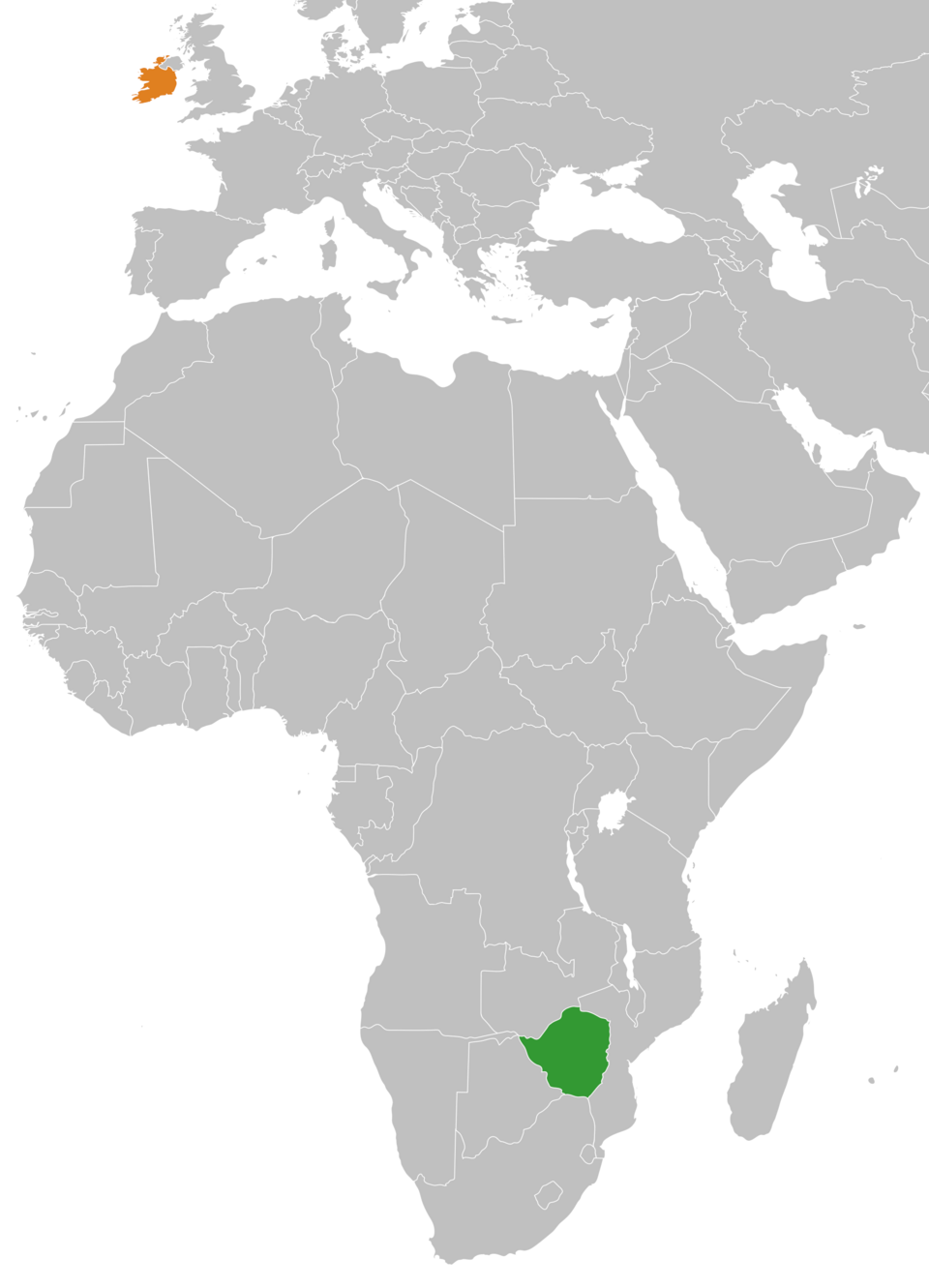
The political landscape of the island is defined by the division between the Republic of Ireland, an independent state, and Northern Ireland, a constituent country of the United Kingdom.
This unique arrangement is underpinned by an open border, which allows for the free movement of people, goods, services, and capital across the island.
Both jurisdictions are part of the Common Travel Area, which facilitates seamless travel and economic integration between the two parts of the island.
This political and economic integration has profound implications for businesses and residents, as it creates a larger, unified market for trade and labor.
The free movement of capital and goods means that economic policies in one part of the island can have direct effects on the other, fostering a sense of shared economic destiny.
While specific crime and safety indices are not provided in the current data, the stable political framework and open borders suggest a generally secure environment for both domestic and international interactions.
The quality of life in Ireland is further enhanced by this political stability and the ability to move freely within the island.
For residents, this means access to a broader range of opportunities in employment, education, and services.
The open border also serves as a buffer against potential economic shocks, as it allows for flexibility in supply chains and labor markets.
Current Momentum: What’s Driving the 2025 Surge?
The 12.34% GDP growth reported for 2025 is the headline story of the current economic cycle, indicating a period of exceptional performance.
This surge likely reflects a combination of factors, including strong export demand, increased domestic consumption, and potentially significant investment in key sectors.
The low inflation rate of 2.21% suggests that this growth is not being driven by monetary excess but rather by real economic activity.
The tight labor market, with unemployment at 4.63%, is both a sign of strength and a potential constraint.
As businesses struggle to find enough workers, they may be investing more in technology and automation, which could further boost productivity and contribute to the high growth rates.
This dynamic suggests that the Irish economy is in a virtuous cycle of growth, investment, and innovation.
Looking ahead, the sustainability of this growth will depend on how well the economy manages the challenges of a tight labor market and potential supply-side constraints.
The role of major companies like Accenture and Allied Irish Banks will be crucial in maintaining momentum, as they are likely to be key drivers of investment and employment.
The open border and Common Travel Area will continue to play a vital role in supporting this growth by facilitating the free flow of resources across the island.
The Bottom Line
Ireland’s 2025 economic performance is a testament to its resilience and adaptability.
With record GDP growth, low unemployment, and stable inflation, the country is well-positioned for continued prosperity.
However, the high per capita income figures and tight labor market suggest that maintaining this momentum will require careful management of supply-side constraints.
For investors and policymakers, Ireland represents a compelling case study in how a small, open economy can achieve exceptional results.
The key to sustaining this growth will lie in balancing the needs of a tight labor market with the demands of a rapidly expanding economy.
Those who can navigate these challenges will be well-rewarded in one of the world’s most dynamic economic environments.
Sources & Methodology
This article is authored by Economic Pulse Net for informational and research purposes.
Economic Pulse Net sources its data from multilateral institutions, national statistics bureaus, and proprietary databases.
All data is believed to be current as of the date of publication. Published: September 03, 2026 |
Category: Research — Ireland
Use these signals in your own platform
Economic Pulse publishes its live signal feed through a documented, read-only API. Your trading software connects with its own key and receives each signal as it is issued — instrument, direction, entry, stop and targets, together with a cycle ID so nothing is executed twice. The feed is independent of this website and cannot change it.
Signals are informational only and are not financial advice.