Economic Pulse Net | Sources: World Bank World Development Indicators, Government Sources | 2026
Key Takeaways
- Record Growth: According to World Bank data, Ireland is experiencing a massive GDP growth rate of over 12.3% in 2025, signaling an extraordinary surge in economic activity.
- High Income Levels: The country boasts a GDP per capita (PPP) of approximately $155,000 and a GNI per capita of $87,360, placing it among the wealthiest nations per person in the world.
- Low Unemployment: The labor market remains tight, with the World Bank reporting an unemployment rate of just 4.63%.
- Corporate Hub: Major global firms, including Accenture and AerCap, anchor the business landscape, while the open border with the UK continues to facilitate the free movement of goods and capital.
- Stable Inflation: Consumer Price Index (CPI) inflation is measured at 2.21%, suggesting a relatively stable price environment despite rapid growth.
The Numbers Behind the Boom: An Unprecedented Growth Spike
The economic figures for Ireland in 2025 are nothing short of staggering, marking a period of explosive expansion for the European economy.
According to World Bank data, the country’s Gross Domestic Product (GDP) growth has reached 12.34%, a figure that far exceeds typical global averages and suggests a powerful surge in domestic production and investment.
This robust growth is underpinned by a massive overall GDP value of approximately $721.7 billion, reflecting the sheer scale of the Irish economic engine.
While such high growth rates can sometimes be distorted by specific corporate activities, the consistency of the data points to a thriving national economy.
The labor market reflects this strength, with the World Bank reporting an unemployment rate of 4.63%.
This low figure indicates that the economy is absorbing labor effectively, providing stability for the workforce of over 5.48 million people.
Furthermore, the purchasing power of the average citizen is immense, with the GDP per capita (PPP) standing at $155,089.
This metric suggests that, on a purchasing power basis, the average Irish individual enjoys a standard of living that is exceptionally high by global standards.
Additionally, the GNI per capita of $87,360 provides a complementary view of national income, confirming that the wealth generated by the economy is substantial on a per-person basis.
These indicators collectively paint a picture of an economy that is not only growing rapidly but also delivering significant value to its residents and stakeholders.
Living in the Wealthiest Island: Cost and Lifestyle
While specific detailed breakdowns of rent versus buy scenarios are not provided in the current dataset, the high income metrics offer a clear context for the cost of living.
With a GDP per capita (PPP) exceeding $155,000, Ireland is positioned as one of the most prosperous places in the world to live.
This high level of national wealth typically correlates with a high cost of living, particularly in major urban centers where demand for housing and services is concentrated.
The stable inflation rate of 2.21%, as recorded by the World Bank, suggests that daily expenses for goods and services are not experiencing the volatile spikes seen in other economies.
This stability allows for more predictable budgeting for both residents and businesses, contributing to a sense of economic security.
The high GNI per capita further supports the notion that the average household has significant disposable income, which can offset higher costs for housing and lifestyle.
Consequently, the Irish economy supports a high standard of living, where the benefits of rapid growth are visible in the purchasing power and overall well-being of the population.
Corporate Powerhouses and the Business Landscape
Ireland’s business environment is characterized by the presence of major multinational corporations that drive significant economic activity.
The list of top companies includes prominent names such as Accenture, which leads in industrials and professional services, and AerCap, a major player in the aviation leasing sector.
These firms are not just local employers but global entities that contribute significantly to the country’s export earnings and GDP.
The presence of Allied Irish Banks in the financial sector highlights the robustness of Ireland’s banking infrastructure, which supports both domestic and international trade.
In the consumer services sector, companies like Abrakebabra and Aer Lingus play vital roles, catering to both domestic needs and the tourism industry.
The diversity of these top companies, ranging from utilities like Airtricity to logistics like An Post, indicates a well-rounded industrial base.
This corporate landscape suggests that Ireland is a preferred hub for global businesses, attracted by its strategic location and favorable business conditions.
The concentration of such high-value firms ensures that the economy remains resilient and competitive on the global stage.
Open Borders and Political Stability
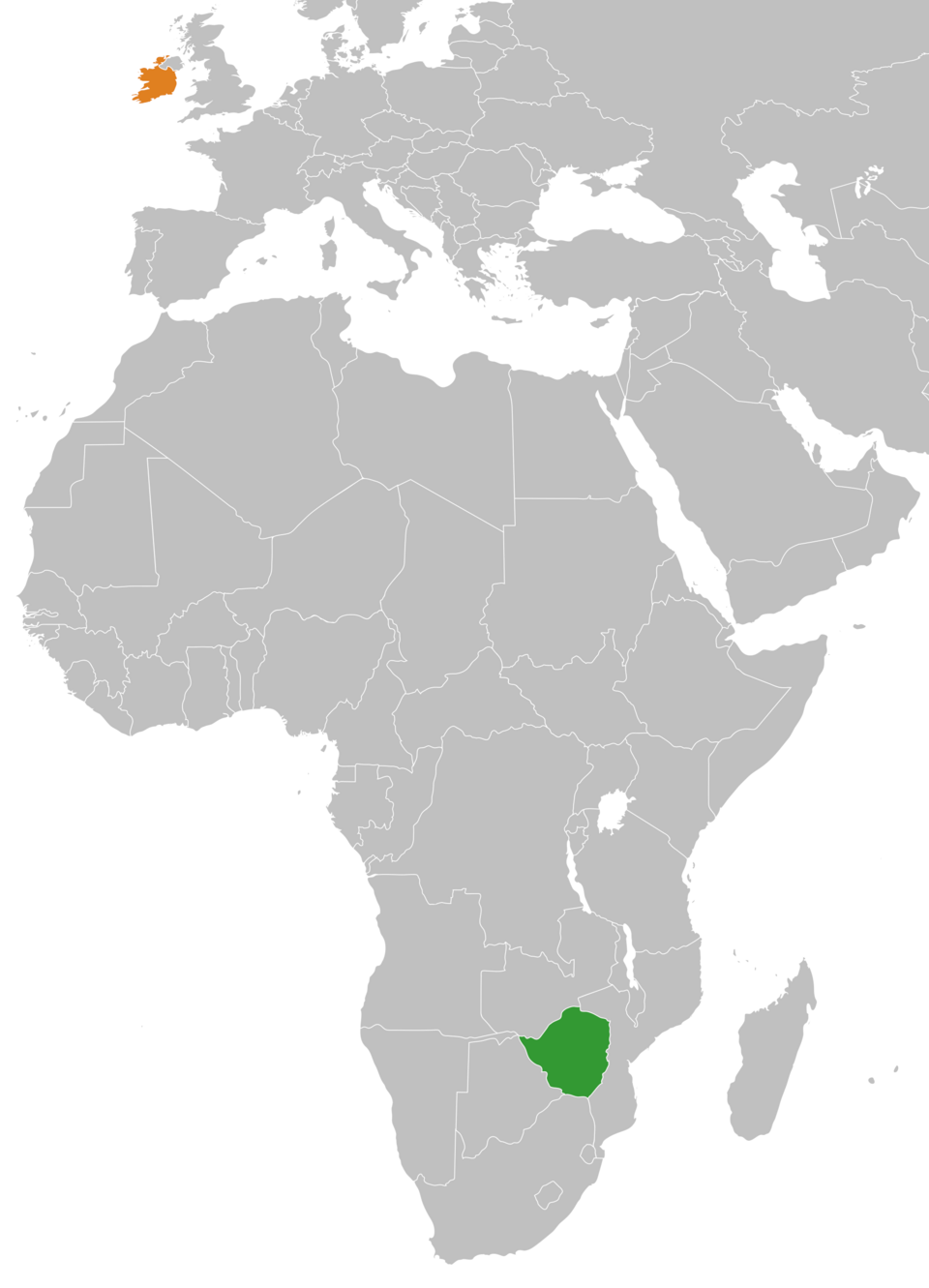
The political landscape of Ireland is defined by its unique relationship with the United Kingdom and the structure of the island.
The island is divided between the Republic of Ireland, an independent state, and Northern Ireland, which is a constituent country of the United Kingdom.
Despite this division, the two jurisdictions share an open border, which is a critical feature of the region’s economics and politics.
Both parts of the island are part of the Common Travel Area, a designation that allows for the free movement of people, goods, services, and capital across the border.
This seamless integration facilitates trade and travel, reducing friction and enhancing economic efficiency.
The absence of significant trade barriers means that businesses can operate across the island with minimal disruption, fostering a unified economic space.
This political arrangement has been crucial for maintaining stability and promoting cooperation between the two jurisdictions, contributing to a peaceful and prosperous environment.
The free flow of resources and labor across the border is a testament to the successful management of this complex political reality.
Current Affairs and Economic Momentum
The current economic situation in Ireland is marked by a combination of rapid growth and stable macroeconomic indicators.
With GDP growth at 12.34% in 2025, the country is experiencing a boom that has likely been driven by strong performance in key sectors such as technology and financial services.
The inflation rate of 2.21% remains within a manageable range, suggesting that central bank policies are effectively balancing growth with price stability.
The low unemployment rate of 4.63% indicates that the labor market is tight, which may put upward pressure on wages but also signals high demand for skilled workers.
This economic momentum is supported by the presence of major global companies that continue to invest in and expand their operations in Ireland.
The open border with the UK remains a key asset, facilitating cross-border trade and cooperation.
As the country navigates this period of high growth, the focus will likely be on sustaining this momentum while ensuring that the benefits are widely distributed.
The current data suggests that Ireland is well-positioned to maintain its status as a leading European economy in the coming years.
The Bottom Line
Ireland in 2025 is a story of exceptional economic performance, with GDP growth exceeding 12% and per capita income levels that rank among the highest in the world.
The stability provided by low inflation and a tight labor market, combined with the presence of major global corporations, creates a compelling investment and living environment.
For investors and policymakers, the key takeaway is the resilience and dynamism of the Irish economy, which continues to thrive despite global uncertainties.
Those looking to understand the future of European economic growth should pay close attention to Ireland, as its current trajectory suggests a sustained period of prosperity and innovation.
The country’s unique political and geographic position further enhances its appeal as a hub for international business and trade.
Sources & Methodology
This article is authored by Economic Pulse Net for informational and research purposes.
Economic Pulse Net sources its data from multilateral institutions, national statistics bureaus, and proprietary databases.
All data is believed to be current as of the date of publication. Published: September 03, 2026 |
Category: Research — Ireland
Use these signals in your own platform
Economic Pulse publishes its live signal feed through a documented, read-only API. Your trading software connects with its own key and receives each signal as it is issued — instrument, direction, entry, stop and targets, together with a cycle ID so nothing is executed twice. The feed is independent of this website and cannot change it.
Signals are informational only and are not financial advice.