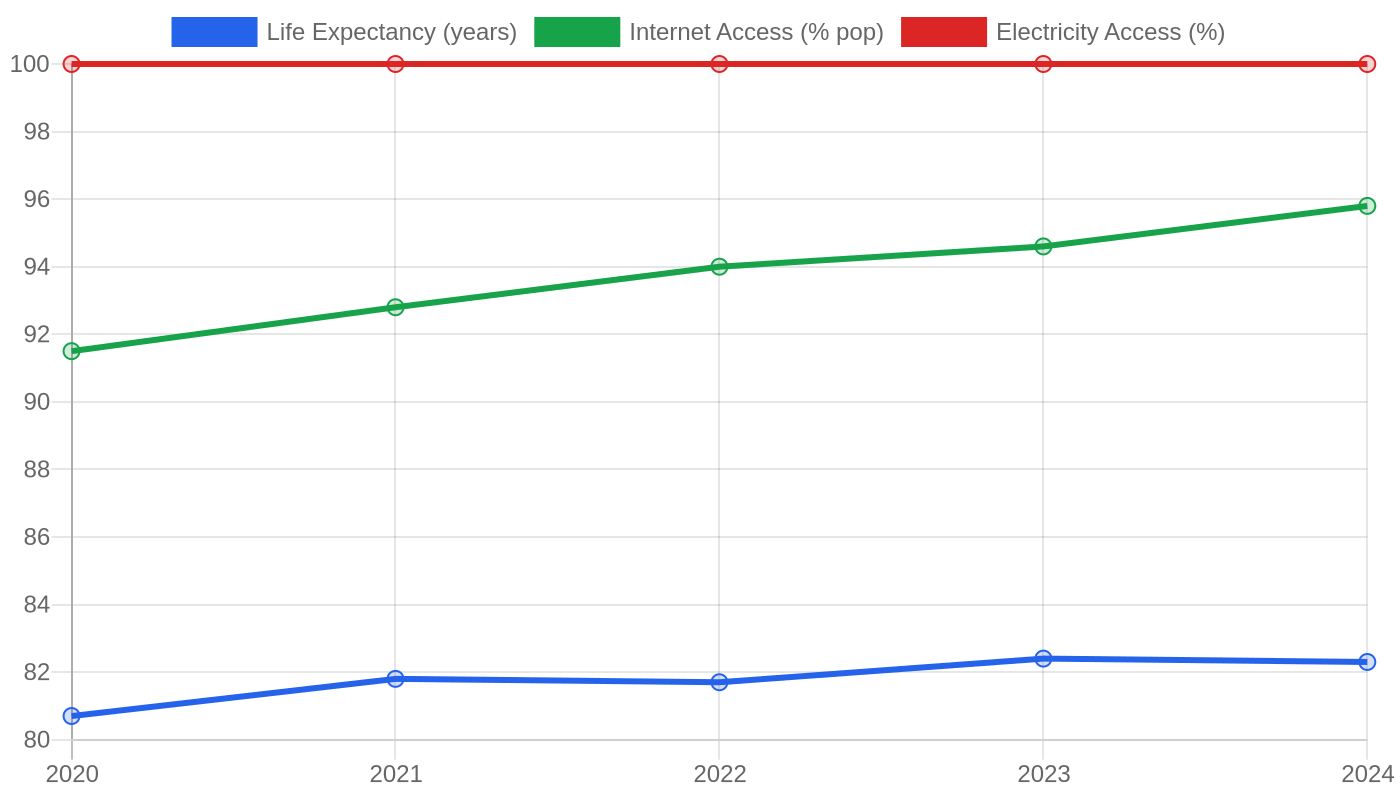
Economic Pulse Net | Sources: World Bank World Development Indicators, Government Sources | 2026
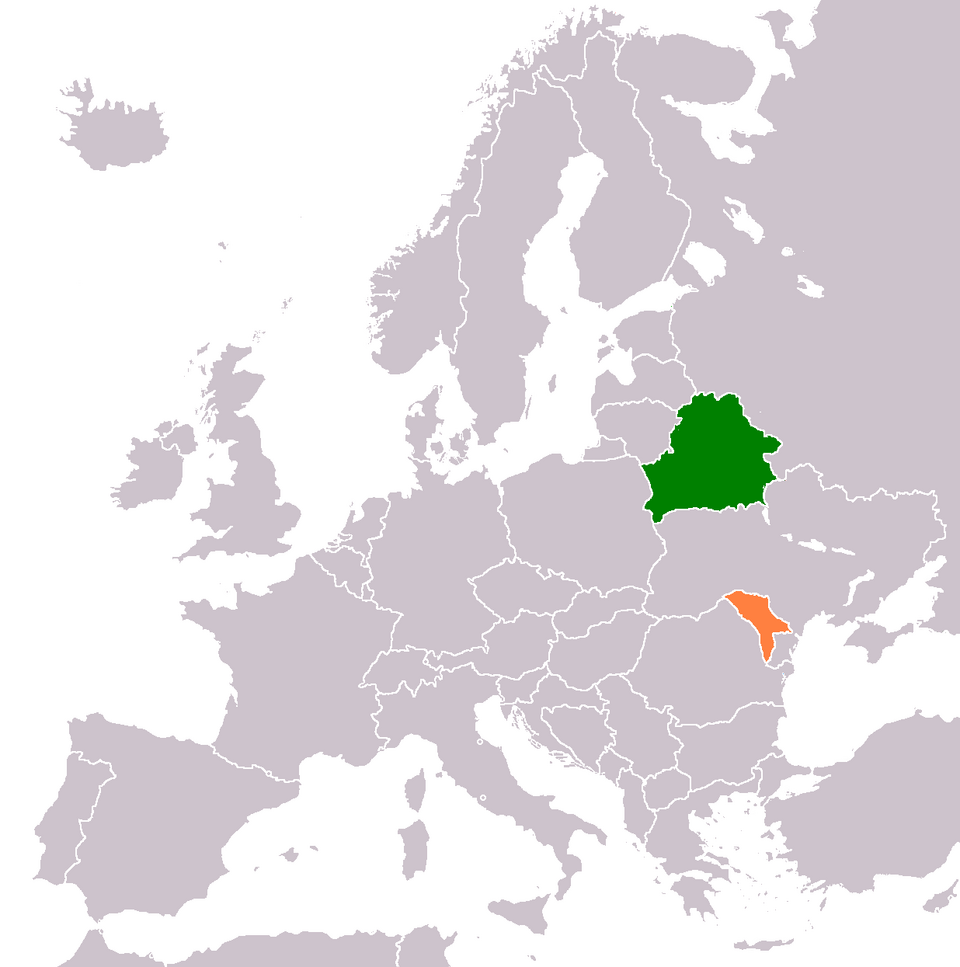
In the heart of Eastern Europe lies a nation that defies easy categorization. Belarus, a country of vast agricultural plains and Soviet-era industrial behemoths, remains one of the continent’s most enigmatic economies. Sandwiched between Russia and the European Union, it operates under a political system that much of the Western world condemns, yet it maintains a standard of living that, while strained, has avoided the total collapse seen in other post-Soviet states.
As the world’s attention focuses on regional security and energy politics, Belarus stands as a critical, often misunderstood, piece of the geopolitical puzzle. This report delves into the economic machinery, the cost of daily life, and the political realities that define this isolated nation.
Key Takeaways
– Authoritarian Stability: Belarus is governed by a highly centralized, authoritarian regime led by President Alexander Lukashenko, often described by media outlets as “Europe’s last dictatorship,” which prioritizes political control over market liberalization.
– Industrial Backbone: The economy is anchored by massive state-owned industrial conglomerates, including BelAZ (mining trucks), Belaruskali (potash), and the Belarusian Railway, which are central to employment and export revenues.
– Data Opacity: The World Bank currently reports no available data for key indicators such as GDP growth, inflation, and unemployment, making independent economic assessment challenging and highlighting the country’s financial isolation.
– High-Tech Ambition: Despite political isolation, Belarus hosts a “High Technologies Park” that fosters a significant IT sector, with companies like Aliasworlds Entertainment and A1 telecommunications carving out a niche in the global market.
– Strategic Geography: As a transit hub between Russia and the EU, Belarus’s economic policies and political stances have outsized impacts on regional energy flows and trade routes.
The Economic Engine: State Power vs. Market Forces
The Belarusian economic model is a unique hybrid that has largely rejected the shock therapy seen in other former Soviet republics. According to the World Bank, the country currently does not report standard metrics like GDP growth, inflation, or unemployment figures, leaving analysts to rely on qualitative assessments and sectoral data. The economy remains heavily nationalized, with the state controlling the “commanding heights” of industry.
The backbone of this system is the industrial sector, dominated by names like BelAZ, which produces some of the world’s largest haul trucks, and Belaruskali, a major global player in the potash fertilizer market. These entities are not just businesses; they are social pillars, providing employment and social welfare in a way that private enterprises do in the West. The Belarusian Railway also plays a crucial role, not only domestically but as a key link in the trans-Eurasian trade corridor.
However, this reliance on heavy industry makes the economy vulnerable to external commodity price shocks and the whims of its primary political ally, Russia. The absence of updated World Bank data suggests a level of economic opacity that makes it difficult for foreign investors to gauge the true health of the economy, creating a significant barrier to diversification and modernization.
The Cost of Living: Subsidized Survival
For the average Belarusian, the cost of living is a story of state subsidies and controlled prices, a legacy of the Soviet system. While the World Bank does not provide specific cost-of-living indices for Belarus, it is understood that the state maintains significant control over utility prices and basic foodstuffs to keep social peace. This interventionist approach means that while nominal wages are low compared to Western Europe, the cost of basic survival is also artificially suppressed.
The housing market, however, presents a different challenge; while privatization has occurred, the market is less liquid than in neighboring EU states. Buying an apartment often requires years of saving or state-supported loans, but rent prices remain relatively affordable for those with stable employment in the state sector.
The lack of robust private sector growth limits wage growth, creating a situation where citizens have access to basic necessities but struggle to afford imported consumer goods or international travel. This economic model fosters a sense of security but also a lack of dynamism, often leaving younger, more ambitious workers looking towards Moscow or Warsaw for better opportunities.
Investment & Business Climate: The High-Tech Exception
The business environment in Belarus is a tale of two economies: the traditional, state-controlled sector and a nascent, dynamic tech enclave. For international investors, the country presents significant hurdles, including complex bureaucracy and political risk. However, the creation of the Belarus High Technologies Park (HTP) has been a notable success story, offering preferential tax treatment and a legal framework modeled on Silicon Valley.
This has attracted companies like Aliasworlds Entertainment (a game developer) and A1 (a telecommunications provider), which operate with relative autonomy from the state. The HTP has become a vital source of export revenue and a rare bright spot for innovation. BelaPAN, a major independent news agency, also operates within this space, though it faces political pressure.
For a foreign investor, the message is mixed: while the traditional sectors are closed off and opaque, the IT and telecommunications sectors offer a viable entry point, provided they are willing to navigate the complexities of the local political landscape. The financial sector, anchored by Belarusbank, remains state-dominated, primarily serving the needs of the industrial giants rather than fostering a culture of venture capital or entrepreneurial risk.
Safety, Politics & Quality of Life: The Weight of the State
The political landscape in Belarus is defined by its constitution, which establishes it as a semi-presidential republic with separation of powers. However, in practice, the World Bank and numerous political analysts note that power is “ultimately concentrated” in the presidency. Alexander Lukashenko, referred to by some media outlets and politicians as “Europe’s last dictator,” has maintained a tight grip on power through a highly centralized and authoritarian government.
This political reality creates a paradoxical quality of life. On one hand, the Crime Index and Safety Index data are not available, but anecdotal evidence suggests that street-level crime is relatively low, a result of a strong police presence and a society that is largely conformist. On the other hand, this security comes at the cost of political freedom and civil liberties.
The state’s control over the media and the suppression of dissent mean that “quality of life” extends beyond material comfort to include a pervasive sense of political stagnation. For the average citizen, life is predictable and safe, but opportunities for political expression or social advancement outside the state apparatus are severely limited.
What’s Happening Now: Between Moscow and the West
Right now, Belarus is navigating one of the most precarious periods in its modern history. The country is effectively a satellite state of Russia, and its economy is deeply intertwined with its eastern neighbor. The ongoing geopolitical tensions have turned Belarus into a critical staging ground, which has led to international sanctions that further isolate its economy.
While the World Bank data is missing, the pressure is palpable; the state is likely facing significant fiscal challenges as it tries to sustain its social contract under the weight of sanctions. Domestically, the regime is focused on maintaining control, with the High Technologies Park serving as a rare point of pride and a potential lifeline to the global economy. The government is likely pushing to expand IT exports to offset losses in traditional industries like potash and machinery.
However, the reliance on the Russian market for both exports and energy imports leaves Belarus in a vulnerable position, with little room to maneuver. The future hinges on whether the state can modernize its industrial base without losing political control, a challenge that seems formidable in the current climate.
The Bottom Line
Belarus is a country that demands attention not for its market dynamism, but for its geopolitical significance and its unique, state-centric economic model. Investors should watch this nation for opportunities in the high-tech sector, which remains a rare avenue for growth and international engagement. However, they must do so with eyes wide open, understanding that the political risks are substantial and the data is often opaque.
For policymakers and strategists, Belarus is a critical piece of the European security puzzle, a nation whose internal stability and external alliances will continue to shape the region’s future. It is a country frozen in time in many ways, yet its decisions will have a profound impact on the continent’s balance of power.
Sources & Methodology
This article is authored by Economic Pulse Net for informational and research purposes. Economic Pulse Net sources its data from multilateral institutions, national statistics bureaus, and proprietary databases. All data is believed to be current as of the date of publication.
Published: August 05, 2026 | Category: Research — Belarus
Use these signals in your own platform
Economic Pulse publishes its live signal feed through a documented, read-only API. Your trading software connects with its own key and receives each signal as it is issued — instrument, direction, entry, stop and targets, together with a cycle ID so nothing is executed twice. The feed is independent of this website and cannot change it.
Signals are informational only and are not financial advice.