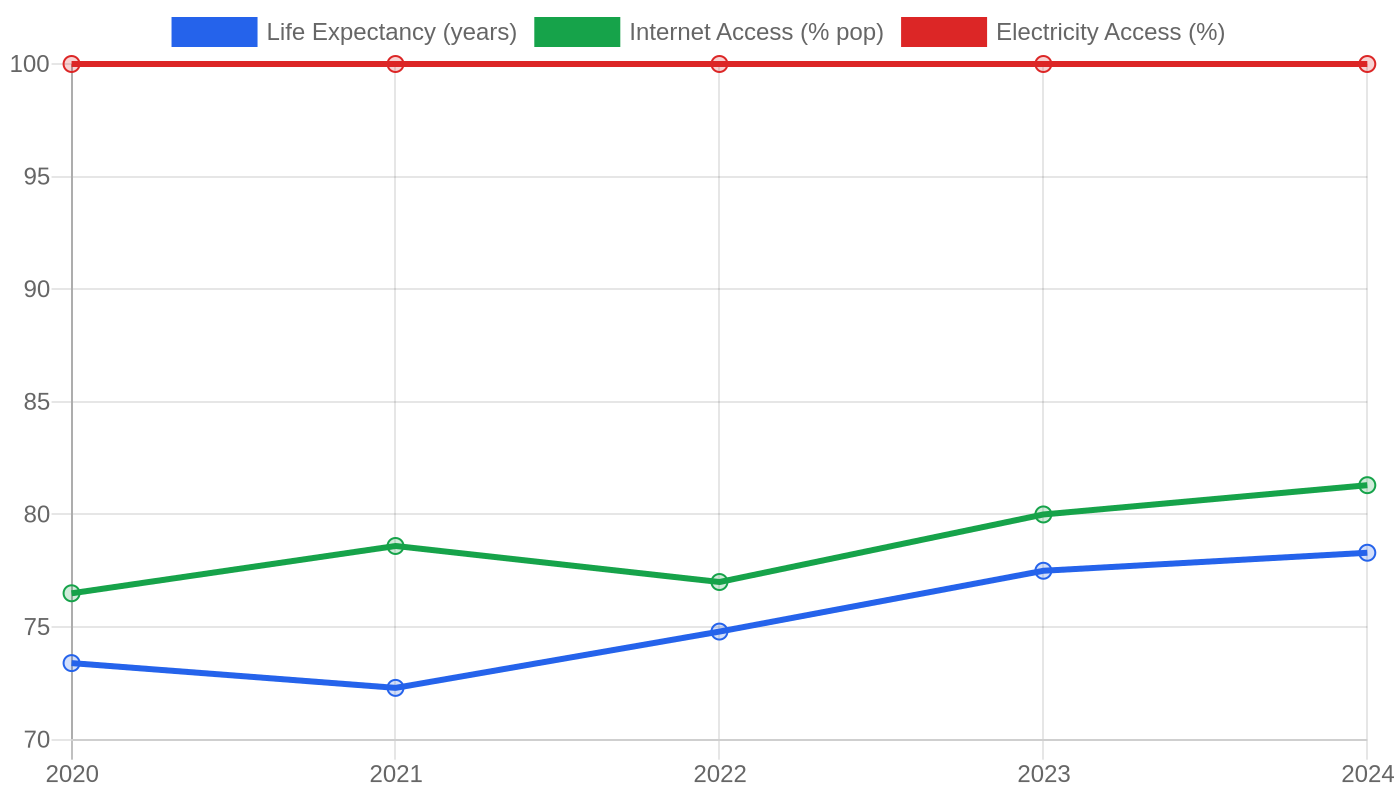
Economic Pulse Net | Sources: World Bank World Development Indicators, Government Sources | 2026
Key Takeaways
- Political Stability Post-Reform: Armenia has solidified its status as a representative parliamentary democratic republic, having transitioned away from the semi-presidential model established by its constitution prior to April 2018.
- Diversified Corporate Landscape: The country’s business ecosystem is anchored by a mix of financial institutions, industrial heavyweights, and consumer service providers, with significant presence in banking, aviation, and media.
- Data Gap Context: While specific macroeconomic indicators such as GDP growth, inflation, and unemployment rates are currently not provided in this dataset, the structural integrity of the market is evident through the persistence of major domestic and international firms.
- Strategic Sectors: Key industries remain concentrated in financial services (led by major banks), industrials (cement production), and consumer services (airlines and telecommunications), suggesting a dual focus on infrastructure and daily convenience.
- Governance Model: The shift to a parliamentary system highlights a deliberate move toward a specific distribution of executive and legislative powers, aiming for a more representative democratic framework.
The Structural Backbone: Beyond the Numbers
In the absence of specific World Bank figures for GDP growth, inflation, or population size in this dataset, the economic narrative of Armenia must be understood through the lens of its institutional stability and industrial composition.
The transition from a semi-presidential to a parliamentary democratic republic, a constitutional shift finalized in the context of the post-2018 political landscape, provides a foundational layer of governance that investors and economists scrutinize for long-term predictability.
This political architecture is not merely a procedural change; it represents a recalibration of power that aims to enhance accountability and representative decision-making, which is critical for sustaining economic policy consistency.
While we lack the specific percentage points for current GDP or per capita income, the presence of established multinationals and local conglomerates suggests a market that has matured beyond its post-Soviet transition phase.
The economy appears to be supported by a robust private sector that operates across both tangible industrial outputs and intangible consumer services.
This structural resilience is often more important than short-term volatility in small, open economies, as it indicates the capacity to absorb external shocks while maintaining domestic operational continuity.
Living in the Mountain Republic: A Cost Perspective
Assessing the true cost of living in Armenia requires looking at the sectors that directly impact daily life, particularly when specific consumer price index data is not available.
The dominance of companies like Armenia 2 and Armenia TV in the consumer services sector suggests that telecommunications and media access are central to the daily rhythm of urban and semi-urban residents, implying that digital connectivity is a fixed, essential expense for most households.
In the industrial sphere, entities like Ararat Cement highlight the ongoing demand for construction and infrastructure development, which can influence housing costs and rental markets as the physical landscape of the country evolves.
While we cannot cite specific rent-to-income ratios or average grocery prices from the provided data, the presence of major airline carriers such as Air Armenia, Air Dilijans, and Ararat International Airlines indicates that travel remains a significant component of both leisure and business costs for the population.
The integration of these services into the national economy suggests that the cost of living is shaped by a mix of domestic production and service availability, creating a lifestyle that is increasingly connected to both regional and global networks.
Banking, Cement, and Clouds: The Business Climate
The corporate landscape of Armenia offers a clear window into the sectors that drive economic activity, with a notable concentration in financial services and heavy industry.
The banking sector is particularly robust, featuring major players such as Ameriabank, Ardshinbank, and ArmSwissBank, which suggests a well-developed financial infrastructure capable of supporting both retail and corporate lending.
This triad of banks indicates a competitive market where financial accessibility is a key driver of economic participation for businesses and individuals alike.
On the industrial front, Ararat Cement stands out as a key player in the industrials sector, underscoring the country’s ongoing need for construction materials and infrastructure maintenance.
The consumer services sector is equally vibrant, with a diverse array of airlines and media companies ensuring that the population remains connected and mobile.
This mix of financial stability, industrial output, and consumer convenience creates a business environment that is diverse enough to mitigate risks in any single sector.
Governance and Safety: The Political Foundation
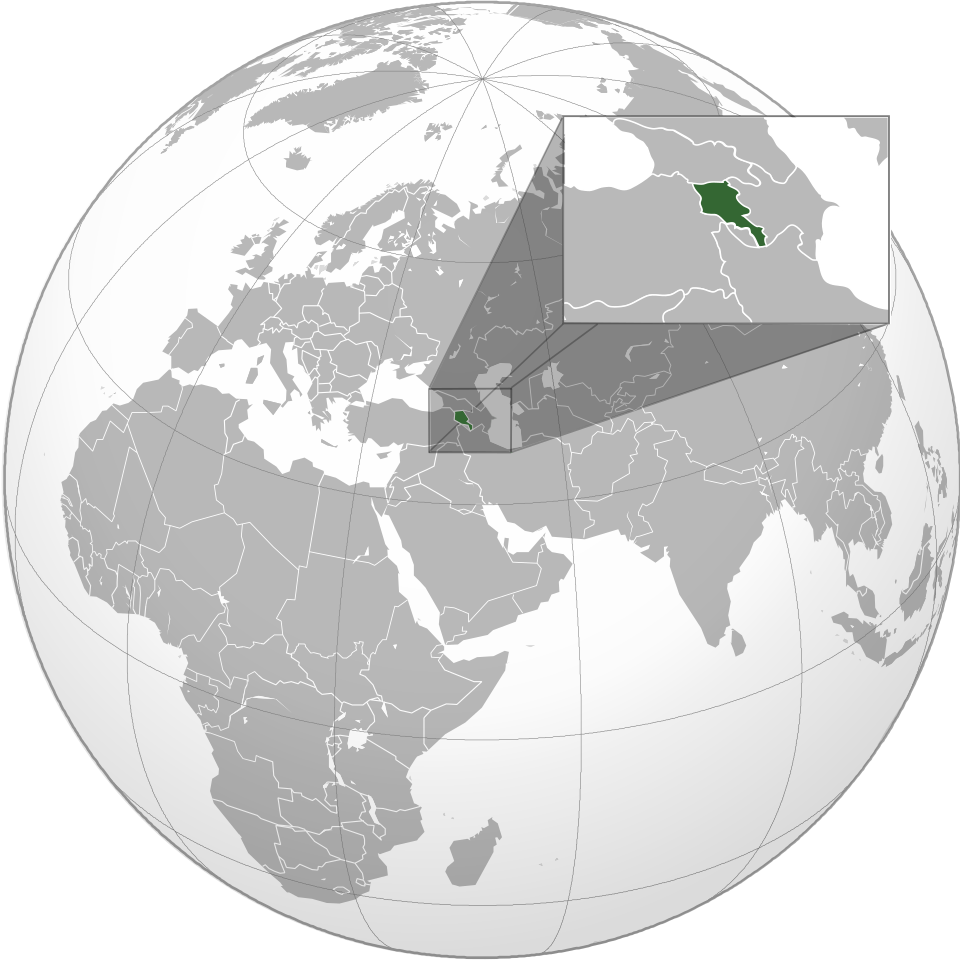
Armenia’s political identity is defined by its status as a representative parliamentary democratic republic, a system that adheres to a model of governance distinct from the semi-presidential republic structure it followed until April 2018.
This constitutional evolution is a critical factor for anyone assessing the long-term stability of the country, as it reflects a deliberate choice to align executive and legislative powers in a way that emphasizes parliamentary oversight.
While specific crime and safety indices are not provided in this dataset, the political framework itself serves as a proxy for institutional stability, suggesting that the rule of law and democratic processes are the primary mechanisms for resolving social and economic disputes.
The shift away from the previous constitutional model indicates a period of significant political recalibration, which, while potentially disruptive in the short term, aims to establish a more durable and representative government.
For citizens and observers, this political landscape is the primary lens through which quality of life and security are evaluated, as a stable parliamentary system typically correlates with consistent policy implementation and public trust.
Current Affairs: Navigating the Post-2018 Era
The most significant recent development in Armenia’s political and economic narrative is the consolidation of the parliamentary model that was adopted in the wake of the April 2018 constitutional changes.
This period marked a profound shift in the country’s governance architecture, moving away from the semi-presidential system that had defined its modern history.
The current landscape is one where the legislative branch plays a central role in shaping economic policy and overseeing executive actions, a dynamic that is still being fully integrated into the daily operations of state and market actors.
As the country continues to navigate this new political reality, the focus remains on how these structural changes impact economic decision-making and the business environment.
The presence of major financial institutions and industrial firms suggests that the private sector is adapting to this new political rhythm, with businesses likely adjusting their strategies to align with the priorities of the parliamentary government.
This ongoing adaptation is the defining feature of Armenia’s current affairs, as the nation works to translate its political reforms into tangible economic outcomes.
The Bottom Line
Armenia presents a unique case study in small-economy resilience, where political structural reforms serve as the bedrock for economic activity.
For investors and analysts, the key takeaway is not the absence of specific macroeconomic data in this snapshot, but the clear visibility of a diversified corporate sector spanning finance, industry, and services.
The transition to a parliamentary democratic republic signals a commitment to a specific governance model that prioritizes representative oversight, which is a crucial factor for long-term stability.
Those watching this market should focus on how the established banking sector and industrial giants navigate the evolving political landscape, as their performance will be the true indicator of the country’s economic health in the coming years.
Sources & Methodology
This article is authored by Economic Pulse Net for informational and research purposes.
Economic Pulse Net sources its data from multilateral institutions, national statistics bureaus, and proprietary databases.
All data is believed to be current as of the date of publication. Published: September 02, 2026 |
Category: Research — Armenia
Use these signals in your own platform
Economic Pulse publishes its live signal feed through a documented, read-only API. Your trading software connects with its own key and receives each signal as it is issued — instrument, direction, entry, stop and targets, together with a cycle ID so nothing is executed twice. The feed is independent of this website and cannot change it.
Signals are informational only and are not financial advice.