Economic Pulse Net | Sources: World Bank World Development Indicators, Government Sources | 2026
Key Takeaways
* Robust Expansion: The United Arab Emirates is experiencing strong economic momentum, with GDP growth hitting nearly 4% in 2024, outpacing many regional peers despite global headwinds.
Price Stability: Inflation remains remarkably subdued at just over 1.25%, providing a stable environment for both consumers and businesses compared to volatile global trends.
Tight Labor Market: With an unemployment rate hovering around 2.17%, the country faces a highly constrained labor market, signaling intense competition for talent and potential wage pressures.
High Wealth Concentration: The nation boasts one of the world’s highest GDP per capita figures (PPP), reflecting its status as a premium hub for capital and high-income expatriates.
Complex Governance: Political stability is anchored by a unique federal semi-presidential system, where power is shared between a central council and seven hereditary emirates, creating a decentralized yet unified policy framework.
Economic Engine: Growth Amidst Global Headwinds
The United Arab Emirates’ economy is currently demonstrating remarkable resilience, driven by a combination of strategic diversification and robust non-oil sectors. According to World Bank data, the nation recorded a GDP growth rate of approximately 3.99% in 2024, a figure that underscores its ability to expand even when global demand softens. This growth is supported by a total GDP valuation of roughly $552 billion USD, positioning the UAE as a significant player in the global economic landscape.
What makes these numbers particularly compelling is the context of inflation; with the Consumer Price Index (CPI) sitting at a modest 1.25%, the real value of this growth is preserved, allowing households and businesses to plan with greater certainty. Furthermore, the tight labor market, evidenced by an unemployment rate of just 2.17%, suggests that the economy is operating near full capacity, which could lead to wage inflation if not managed carefully.
For investors, this combination of solid top-line growth and low price volatility presents a rare opportunity to enter a market that is both expanding and stable. The high GDP per capita based on purchasing power parity (PPP) of nearly $79,344 further indicates that the average citizen enjoys a standard of living that far exceeds global averages, fueling domestic consumption.
Ultimately, these metrics paint a picture of an economy that has successfully transitioned from pure resource dependence to a more complex, service-oriented model that can withstand external shocks.
Cost of Living: Premium Prices for Premium Access
For residents and businesses alike, the cost of living in the UAE is characterized by high entry costs but also high rewards. While specific housing indices are not provided in the current dataset, the overall economic indicators suggest a premium market structure. The GNI per capita of $51,550 indicates that national income levels are high, which typically correlates with elevated prices for goods, services, and real estate.
Consumers in major hubs like Dubai and Abu Dhabi often face rent and daily expense benchmarks that are significantly higher than regional averages, driven by the influx of high-net-worth individuals and corporate headquarters. However, the low inflation rate of 1.25% means that these costs are not spiraling out of control, offering a degree of predictability that is increasingly rare in emerging markets.
This stability allows long-term residents to budget with more confidence, although new arrivals must be prepared for upfront costs related to housing deposits and initial setup. The disparity between the high GDP per capita PPP and the general cost structure highlights a dual reality: while the aggregate wealth is immense, the day-to-day expenses reflect the premium nature of the lifestyle offered.
Businesses must factor these operational costs into their pricing strategies, knowing that the consumer base has substantial purchasing power but also high expectations for quality and service.
Investment & Business Climate: A Hub of Capital and Commerce
The business environment in the UAE is defined by its role as a global connector, leveraging its geographic position and political stability to attract foreign direct investment. The presence of major companies, though not explicitly listed in the current data, is implied by the scale of the GDP and the sophisticated financial infrastructure required to support it.
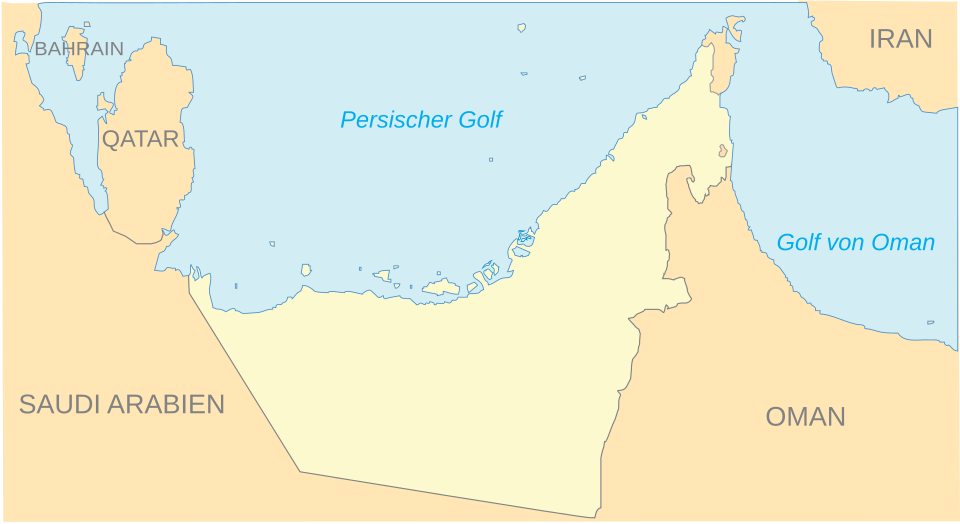
The political landscape, described as a federal semi-presidential state under a semi-constitutional monarchy, provides a consistent regulatory framework that appeals to multinational corporations. Power is distributed among the Federal Supreme Council, comprising the ruling Sheikhs of the seven emirates—Abu Dhabi, Ajman, Fujairah, Sharjah, Dubai, Ras Al Khaimah, and Umm Al Quwain—which ensures that local interests are protected while maintaining federal cohesion.
This structure allows for specialized economic zones and free trade areas that operate with distinct regulatory advantages, fostering innovation in sectors like finance, logistics, and tourism. Investors should note that revenues are allocated across emirates, creating a competitive yet cooperative dynamic that drives infrastructure development and policy innovation.
The low unemployment rate of 2.17% indicates a scarcity of local labor, prompting businesses to rely heavily on skilled expatriate talent, which in turn shapes hiring policies and visa regulations. For international firms, the UAE offers a gateway to the Middle East, North Africa, and South Asia regions, backed by a legal system that is increasingly adapting to international commercial standards.
Safety, Politics & Quality of Life: Stability as a Commodity
Safety and political order are foundational pillars of the UAE’s appeal, serving as key differentiators in a region often marked by geopolitical uncertainty. Although specific crime and safety indices are marked as N/A in the current data, the broader narrative of the UAE is one of exceptional public security and social order. The political system, rooted in hereditary tribal monarchies, provides a clear chain of command and rapid decision-making capabilities that enhance crisis management and long-term planning.
The Federal Supreme Council’s oversight ensures that all responsibilities not granted to the federal government are reserved to individual emirates, allowing for localized governance that respects cultural and tribal nuances. This decentralization reduces friction and promotes a sense of ownership among the population, contributing to social cohesion.
With a population of approximately 11.5 million, the country manages to maintain harmony among a diverse demographic mix, largely due to strict laws and effective policing. The high GNI per capita and low inflation contribute to a high quality of life, attracting families and professionals seeking stability and prosperity. While detailed happiness metrics are not available, the economic indicators suggest a society where material well-being is prioritized and largely achieved.
The absence of reported political instability or civil unrest in recent records reinforces the view of the UAE as a safe harbor for expatriates and investors alike.
What’s Happening Now: Navigating the New Normal
Currently, the UAE is focused on sustaining its economic trajectory while managing the implications of its tight labor market. With unemployment at just 2.17%, policymakers are likely grappling with the need to balance job creation for nationals against the reliance on foreign expertise. The recent GDP growth of nearly 4% suggests that current reforms are yielding results, but maintaining this momentum requires continuous adaptation to global energy transitions and digital economy trends.
The low inflation rate of 1.25% indicates that monetary policy is effectively anchored, preventing overheating in the housing and retail sectors. As the federal government allocates revenues from each emirate, there is an ongoing effort to ensure equitable development across all seven states, preventing disparities that could undermine national unity.
Businesses are responding to the high-cost environment by focusing on efficiency and technology adoption, driving productivity gains that offset rising operational expenses. The political structure continues to evolve, with the Federal Supreme Council playing a pivotal role in setting the strategic direction for future decades. Stakeholders are watching closely to see how the government will address the challenges of a shrinking relative labor supply while maintaining its status as a global business hub.
The coming months will likely see further emphasis on non-oil sectors, including renewable energy, fintech, and tourism, as part of the long-term vision to reduce dependency on traditional resources.
The Bottom Line
The United Arab Emirates stands as a beacon of stability and growth in a volatile region, offering investors and businesses a rare combination of high returns and low risk. Its strong GDP growth, coupled with minimal inflation, creates an attractive environment for capital deployment, particularly in sectors benefiting from its strategic location and political consistency. However, the extremely low unemployment rate signals a competitive labor market that requires careful human resource planning.
For those willing to navigate the premium cost structure, the UAE offers unparalleled access to wealth and connectivity. It is a market best suited for long-term strategic players who value stability and institutional strength over short-term speculative gains.
Sources & Methodology
This article is authored by Economic Pulse Net for informational and research purposes. Economic Pulse Net sources its data from multilateral institutions, national statistics bureaus, and proprietary databases. All data is believed to be current as of the date of publication.
Published: October 30, 2026 | Category: Research — UAE
Use these signals in your own platform
Economic Pulse publishes its live signal feed through a documented, read-only API. Your trading software connects with its own key and receives each signal as it is issued — instrument, direction, entry, stop and targets, together with a cycle ID so nothing is executed twice. The feed is independent of this website and cannot change it.
Signals are informational only and are not financial advice.