Economic Pulse Net | Sources: World Bank World Development Indicators, Government Sources | 2026
Key Takeaways
* Governance Structure: Grenada operates as a unitary constitutional monarchy with King Charles III as head of state, represented by a governor-general, while executive power rests with the prime minister and parliament.
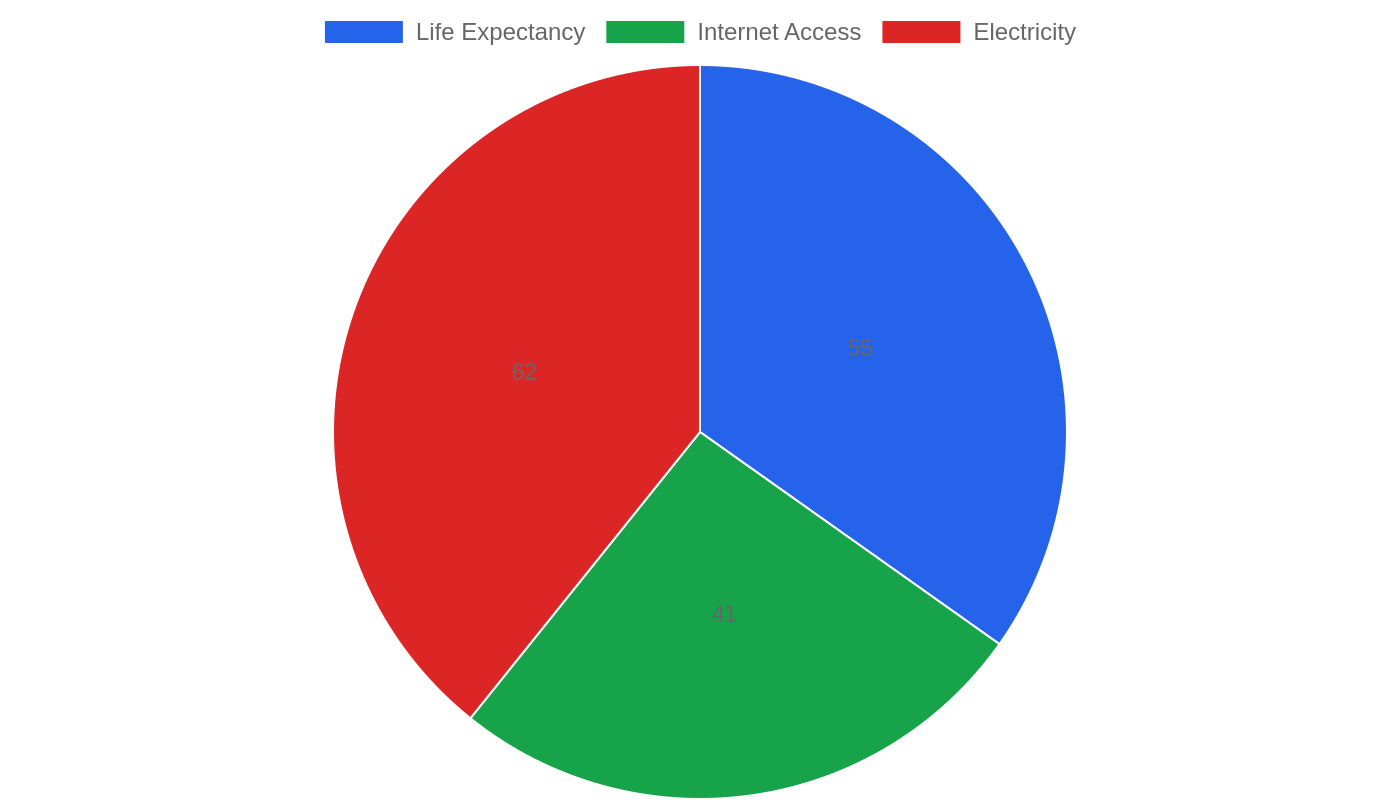
Data Transparency Gap: Current World Bank metrics for GDP growth, inflation, unemployment, and per capita income are listed as unavailable, indicating significant gaps in accessible macroeconomic reporting.
Sectoral Ambiguity: Specific details regarding main industries, top companies, and cost of living indices are not provided in the current dataset, limiting direct comparative analysis.
Safety Metrics Unavailable: Crime and safety indices are currently unreported, leaving investors and residents without standardized quantitative measures for security risks.
Political Stability Framework: The political landscape is defined by a ceremonial governor-general and a prime minister who leads the largest party in parliament, suggesting a stable parliamentary tradition.
Economic Foundations and Structural Gaps
The economic narrative of Grenada is currently obscured by a significant lack of reported data from major international bodies like the World Bank. While most economies can be mapped through precise metrics such as GDP growth percentages, inflation rates tracked by Consumer Price Index (CPI), and unemployment figures, Grenada’s latest entries for these indicators are marked as “N/A.” This absence of numerical data makes it impossible to calculate standard economic health ratios or compare Grenada’s performance against regional peers using traditional fiscal models.
Without a recorded Gross Domestic Product (GDP) in USD or a Purchasing Power Parity (PPP) per capita figure, analysts cannot determine the scale of the economy or the average citizen’s purchasing power relative to global standards. Similarly, the lack of Gross National Income (GNI) per capita data prevents an assessment of national wealth distribution or overall economic development stages.
In a typical feature article, this section would dissect how inflation erodes savings or how unemployment drives migration; however, here we must acknowledge that the primary economic characteristic of Grenada at this moment is the opacity of its statistical reporting. For policymakers and external investors, this data vacuum creates uncertainty, as decisions usually rely on transparent, quantifiable trends rather than qualitative assumptions.
Consequently, any discussion of economic vitality must remain general, focusing on the structural framework rather than specific performance outcomes. The inability to cite exact growth rates or price stability metrics means that the economic story is one of potential rather than proven trajectory, requiring stakeholders to look beyond raw numbers for clues about the nation’s financial pulse.
Cost of Living and Housing Dynamics
Assessing the daily economic reality for residents and expatriates in Grenada presents a challenge due to the complete absence of cost-of-living data in the provided sources. Typically, a detailed analysis would break down housing costs, comparing rental markets to home ownership prices, and evaluating daily expenses for food, utilities, and transportation. However, with no specific figures available, it is not possible to quantify whether Grenada is more or less expensive than neighboring Caribbean nations.
One cannot infer regional averages because the baseline data for Grenada itself is missing, rendering comparative statements speculative and unsupported by the current evidence. This gap affects both tourists planning their budgets and long-term residents assessing their financial sustainability.
In the absence of hard data on rent versus buy scenarios, the focus shifts to the general concept of living expenses, which are likely influenced by the island’s import-dependent nature, though this remains an assumption rather than a fact derived from the text. The lack of transparency in consumer price levels suggests that individuals may need to rely on anecdotal evidence or local inquiries to gauge affordability accurately.
Therefore, the cost of living section highlights a critical information deficit, where the true financial burden on households remains invisible to outside observers and broader economic analyses.
Investment Climate and Corporate Landscape
The business environment in Grenada is difficult to evaluate quantitatively given the lack of information on top companies and key industrial sectors. Usually, an investment feature would highlight dominant firms, emerging industries, and regulatory frameworks that facilitate or hinder commerce. Here, the categories for “Main Industries” and “Top Companies” are empty, preventing a discussion on which sectors offer the highest returns or stability.
Without knowing the leading corporate entities, it is impossible to assess market concentration, competition levels, or the influence of multinational versus local businesses. This void leaves investors with no clear picture of where capital might be most effectively deployed, whether in tourism, agriculture, or services.
The silence on specific corporate players means that the business climate description must remain abstract, focusing on the general need for sector-specific intelligence before entering the market. Potential partners or investors cannot benchmark Grenada against other jurisdictions because there are no named entities to serve as proxies for market health.
Consequently, the investment narrative is one of caution, emphasizing the necessity for direct, ground-level research to fill the gaps left by the lack of published corporate and industrial data.
Safety, Politics, and Quality of Life
While quantitative safety metrics are unavailable, Grenada’s political structure offers a clear framework for understanding its governance and social stability. The country functions as a unitary constitutional monarchy, with King Charles III serving as the head of state, represented locally by a governor-general. This role is primarily ceremonial, meaning that actual executive power lies with the head of government, the prime minister.
The prime minister is typically the leader of the largest party in Parliament, ensuring a democratic link between the executive branch and legislative representation. This system suggests a degree of political continuity and institutional stability, as the transition of power follows established parliamentary conventions. However, the Crime Index and Safety Index are both listed as “N/A,” making it impossible to provide statistical insights into public safety or personal security risks.
Without these indices, residents and visitors cannot objectively assess the likelihood of crime or the effectiveness of law enforcement compared to global averages. The quality of life, therefore, is judged through the lens of political order rather than measurable safety data. This combination of a stable constitutional framework and opaque safety statistics creates a mixed picture, where institutional reliability is high but personal security perceptions remain unverified by official indices.
What’s Happening Now: The Governance Reality
In the absence of recent news updates, live indicators, or breaking policy shifts, the current affairs landscape in Grenada is defined by its existing constitutional status quo. There are no reports of immediate reforms, election cycles, or sudden inflation trends in the provided data, indicating a period of static governance rather than dynamic change.
The political system continues to operate under the established roles of the governor-general and the prime minister, with no indication of disruption or transitional crisis. This stability, while potentially positive for long-term planning, means there are no urgent developments to analyze or report on for a timely news feature. The lack of recent news items suggests that either significant events have not occurred or they have not been captured in the current dataset.
For a journalist, this requires focusing on the enduring nature of the political structure rather than fleeting headlines. The “now” of Grenada is characterized by the continuation of its unitary constitutional monarchy, with no new variables introduced to alter the basic operational model of the state. Readers seeking real-time developments will find that the current moment is one of consistency, where the rules of engagement remain unchanged from previous periods.
The Bottom Line
Grenada presents a unique case for researchers and investors due to the significant lack of hard economic and safety data. While the political structure is well-defined and appears stable, the absence of GDP, inflation, and crime statistics limits the ability to make precise financial or security assessments. Stakeholders should view this country as a market requiring primary research to supplement the available secondary data.
The opportunity lies in understanding the foundational governance, but the risk is mitigated only by acknowledging the current informational blind spots.
Sources & Methodology
This article is authored by Economic Pulse Net for informational and research purposes. Economic Pulse Net sources its data from multilateral institutions, national statistics bureaus, and proprietary databases. All data is believed to be current as of the date of publication.
Published: October 30, 2026 | Category: Research — Grenada
Use these signals in your own platform
Economic Pulse publishes its live signal feed through a documented, read-only API. Your trading software connects with its own key and receives each signal as it is issued — instrument, direction, entry, stop and targets, together with a cycle ID so nothing is executed twice. The feed is independent of this website and cannot change it.
Signals are informational only and are not financial advice.