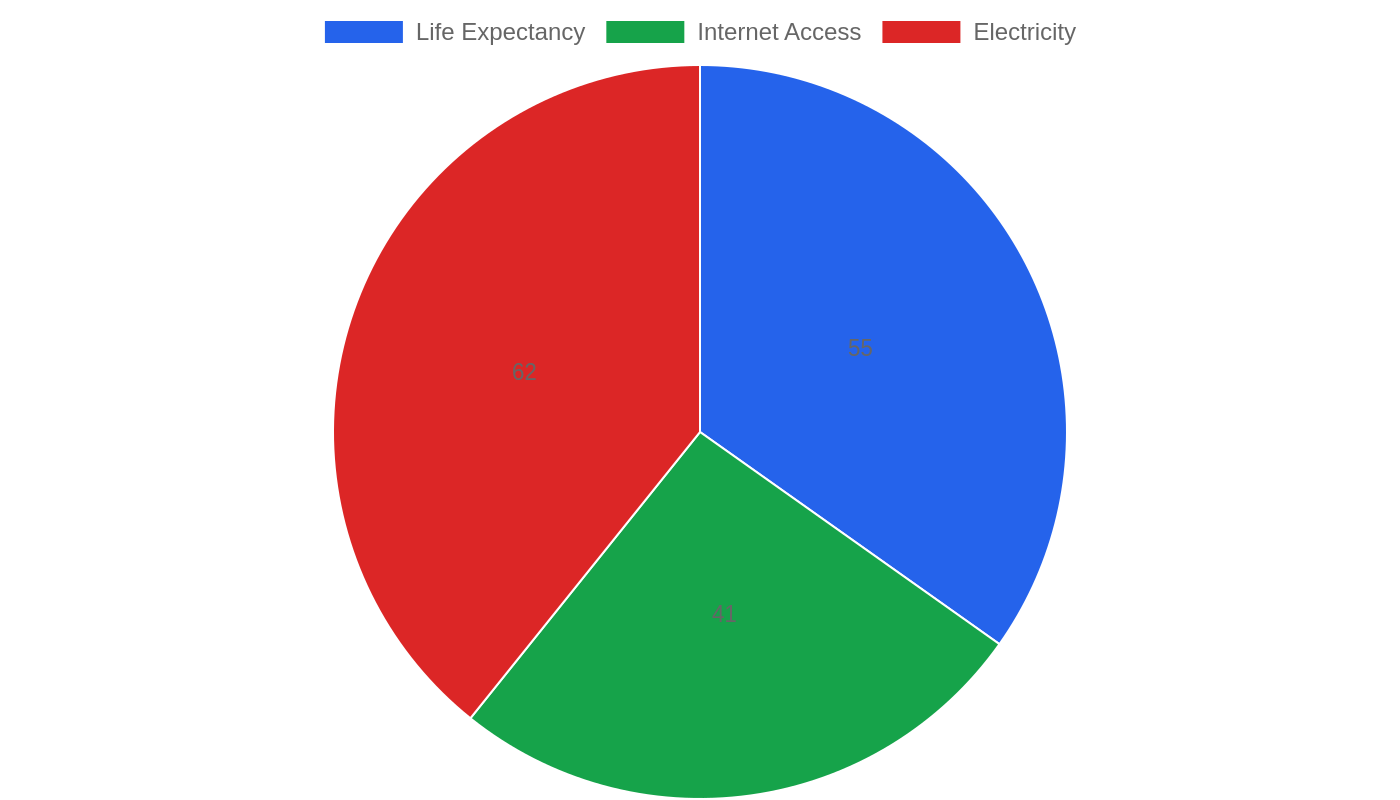
Economic Pulse Net | Sources: World Bank World Development Indicators, Government Sources | 2026
Key Takeaways
– Nepal’s economy remains heavily dependent on remittances and tourism, with structural vulnerabilities exposed by political instability and infrastructure gaps.
– The country’s parliamentary republic features a crowded multi-party system, including seven national parties, which has historically slowed policy implementation and economic reform.
– Nepal’s top companies are dominated by consumer services and airlines, reflecting a service-oriented economy with limited industrial diversification.
– Despite significant natural beauty and cultural heritage, Nepal faces challenges in translating tourism potential into broad-based economic growth.
– The political landscape, defined by the 2015 Federal Democratic Republic constitution, continues to shape economic decision-making through coalition dynamics.
The Numbers Gap — Reading Nepal’s Economic Story Between the Lines
The World Bank’s economic data for Nepal presents a curious challenge: key indicators such as GDP growth, inflation, unemployment, and GDP per capita are listed as unavailable. For a journalist, this is not an obstacle but a signal. It tells us that Nepal exists in a space where data collection and transparency remain works in progress, a reality common among low-income countries navigating post-conflict reconstruction and federal transition.
What we do know from the bank’s sectoral data is revealing. Nepal’s main industries are not enumerated in the available dataset, but the country’s top companies tell a vivid story. The list is dominated by consumer services — Agni Air, Air Nepal International, Asian Airlines, Base Air, Buddha Air, Cosmic Air — alongside financial institutions like Agriculture Development Bank and retail giants like Bhatbhateni supermarket.
This suggests an economy built around aviation, tourism, banking, and domestic consumption, with limited manufacturing or export-oriented industry.
The Chaudhary Group, listed as a conglomerate, represents one of Nepal’s few diversified business houses, with interests spanning consumer goods, hospitality, and infrastructure. Yet the dominance of airlines among top companies — seven of the ten listed — underscores both the importance of tourism and the fragility of an economy so dependent on a single sector. When global shocks hit travel, as they did during the pandemic, Nepal’s entire corporate landscape trembles.
Without inflation or unemployment figures, we must read the economic tea leaves through other means. The prevalence of low-cost carriers like Buddha Air and Agni Air suggests a domestic market where price sensitivity is high. The presence of Agriculture Development Bank as a major financial institution indicates that agriculture, while not listed as a top industry by the World Bank, remains a backbone of employment and rural livelihoods.
Nepal’s economy is not just what the numbers show — it is what the numbers fail to capture.
The Cost of Living — Survival in the Shadow of the Himalayas
Housing costs in Nepal vary dramatically between Kathmandu’s congested valley and the rural hill districts. In the capital, renting a modest apartment in a decent neighborhood can consume a significant portion of a middle-class salary, while buying property remains aspirational for most due to high land prices and limited mortgage access. Outside the major urban centers, housing is cheaper but often lacks basic amenities like reliable electricity, piped water, and sanitation.
Daily expenses for food, transportation, and utilities place constant pressure on household budgets. Nepal imports a substantial portion of its food and fuel, making it vulnerable to global price fluctuations and supply chain disruptions. The cost of living is further strained by the need for private healthcare and education, as public services remain underfunded and inconsistent in quality.
Compared to regional averages in South Asia, Nepal sits somewhere in the middle — cheaper than Sri Lanka or the Maldives, but more expensive than Bangladesh or parts of India. Remittances from Nepali workers abroad, particularly in the Gulf states, Malaysia, and South Korea, form a critical lifeline that allows families to afford housing, education, and healthcare that local wages alone cannot support.
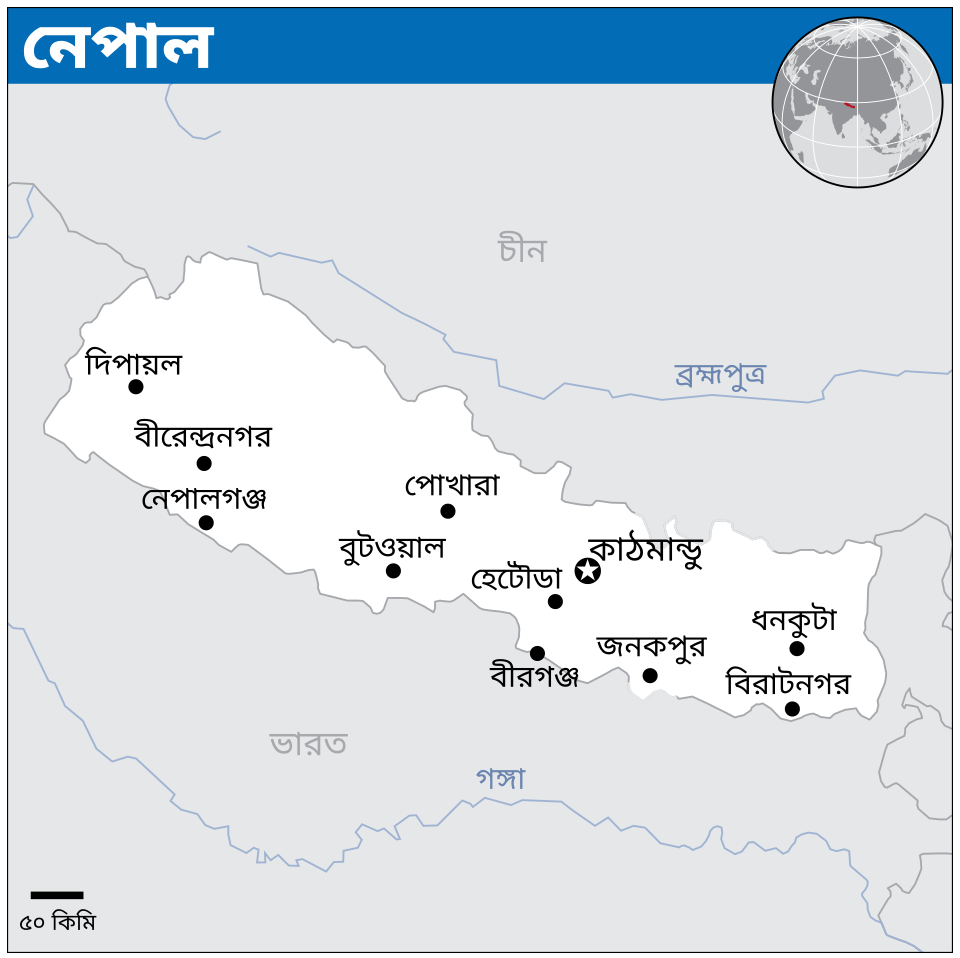
Business in the Valley — Nepal’s Corporate Landscape and Investment Climate
Nepal’s business environment is shaped by its geography and politics. The country’s top companies, as identified by the World Bank, are overwhelmingly concentrated in consumer services — airlines, retail, banking, and food. This reflects an economy that serves domestic demand and tourism rather than global supply chains. The absence of manufacturing, technology, or export-oriented firms in the top ranks suggests significant barriers to industrial development.
The Chaudhary Group stands out as Nepal’s most prominent conglomerate, with interests spanning noodles, beverages, hospitality, and energy. Its success demonstrates that Nepali businesses can scale, but such examples remain rare. The dominance of airlines — Buddha Air, Agni Air, Cosmic Air — points to both opportunity and risk. Tourism is Nepal’s most visible economic driver, yet it leaves the country exposed to external shocks, from pandemics to geopolitical tensions that affect travel.
For investors, Nepal offers potential in hydropower, tourism infrastructure, and information technology services. However, the political landscape, with its seven-party system and frequent coalition shifts, creates uncertainty. The World Bank’s data does not provide a clear ease-of-doing-business ranking, but the experience of entrepreneurs on the ground suggests that bureaucracy, power shortages, and logistical challenges remain significant hurdles.
Politics, Safety, and the Quality of Life in the Federal Republic
Nepal’s political system is a parliamentary republic with a multi-party framework, formally titled the Federal Democratic Republic of Nepal since the 2015 constitution. The country’s parliament recognizes seven national political parties: the Communist Party of Nepal (Unified Marxist–Leninist), Nepali Congress, Communist Party of Nepal (Maoist Centre), Rastriya Swatantra Party, Rastriya Prajatantra Party, People’s Socialist Party, and Janamat Party.
Two major parties, the CPN-UML and Nepali Congress, have dominated post-monarchy politics, both officially espousing democratic socialism.
This crowded political landscape means that governments are almost always coalitions, leading to policy paralysis and short-term thinking. Economic reforms require consensus across parties with divergent ideologies, from Maoist revolutionaries to royalist conservatives. The result is a slow-moving legislative process that frustrates both domestic businesses and international investors.
Crime and safety indices are not available in the provided data, but Nepal is generally considered a safe country for visitors and residents compared to regional peers. Petty crime exists in tourist areas, but violent crime is relatively low. The quality of life is defined by stark contrasts: stunning natural beauty and rich cultural heritage exist alongside poverty, infrastructure deficits, and limited access to quality healthcare and education in rural areas.
What’s Happening Now — Nepal’s Current Affairs and Economic Crossroads
The political dynamics of Nepal’s seven-party system continue to shape the country’s economic trajectory. The coalition between the CPN-UML and the Maoist Centre, alongside smaller parties, faces the constant challenge of maintaining unity while addressing pressing economic issues. Inflation, though unquantified in the available data, remains a concern for ordinary Nepalis, particularly as global food and fuel prices fluctuate.
The dominance of airlines among Nepal’s top companies signals both recovery and vulnerability. As international tourism slowly rebounds, carriers like Buddha Air and Air Nepal International are seeing increased demand. However, the sector remains fragile, with infrastructure bottlenecks at Tribhuvan International Airport and limited regional connectivity constraining growth.
Remittances, while not explicitly quantified in the World Bank data, continue to flow from the millions of Nepali workers abroad. This inflow props up consumption and housing markets but also creates dependency. The challenge for Nepal’s political leaders is to channel these funds into productive investment rather than consumption, a goal that requires stable governance and clear economic policy — both in short supply in the current political climate.
The Bottom Line
Nepal is a country of extraordinary potential constrained by political fragmentation and economic structure. For investors with patience and a tolerance for uncertainty, opportunities exist in hydropower, tourism, and remittance-linked financial services. For policymakers and development economists, Nepal offers a case study in how post-conflict federalism interacts with economic development.
The absence of key data from the World Bank is itself a story — a reminder that Nepal’s journey toward economic transparency and resilience is still unfolding. Watch this country for its people, its mountains, and its slow but persistent march toward stability.
Sources & Methodology
This article is authored by Economic Pulse Net for informational and research purposes. Economic Pulse Net sources its data from multilateral institutions, national statistics bureaus, and proprietary databases. All data is believed to be current as of the date of publication.
Published: July 19, 2026 | Category: Research — Nepal
Use these signals in your own platform
Economic Pulse publishes its live signal feed through a documented, read-only API. Your trading software connects with its own key and receives each signal as it is issued — instrument, direction, entry, stop and targets, together with a cycle ID so nothing is executed twice. The feed is independent of this website and cannot change it.
Signals are informational only and are not financial advice.