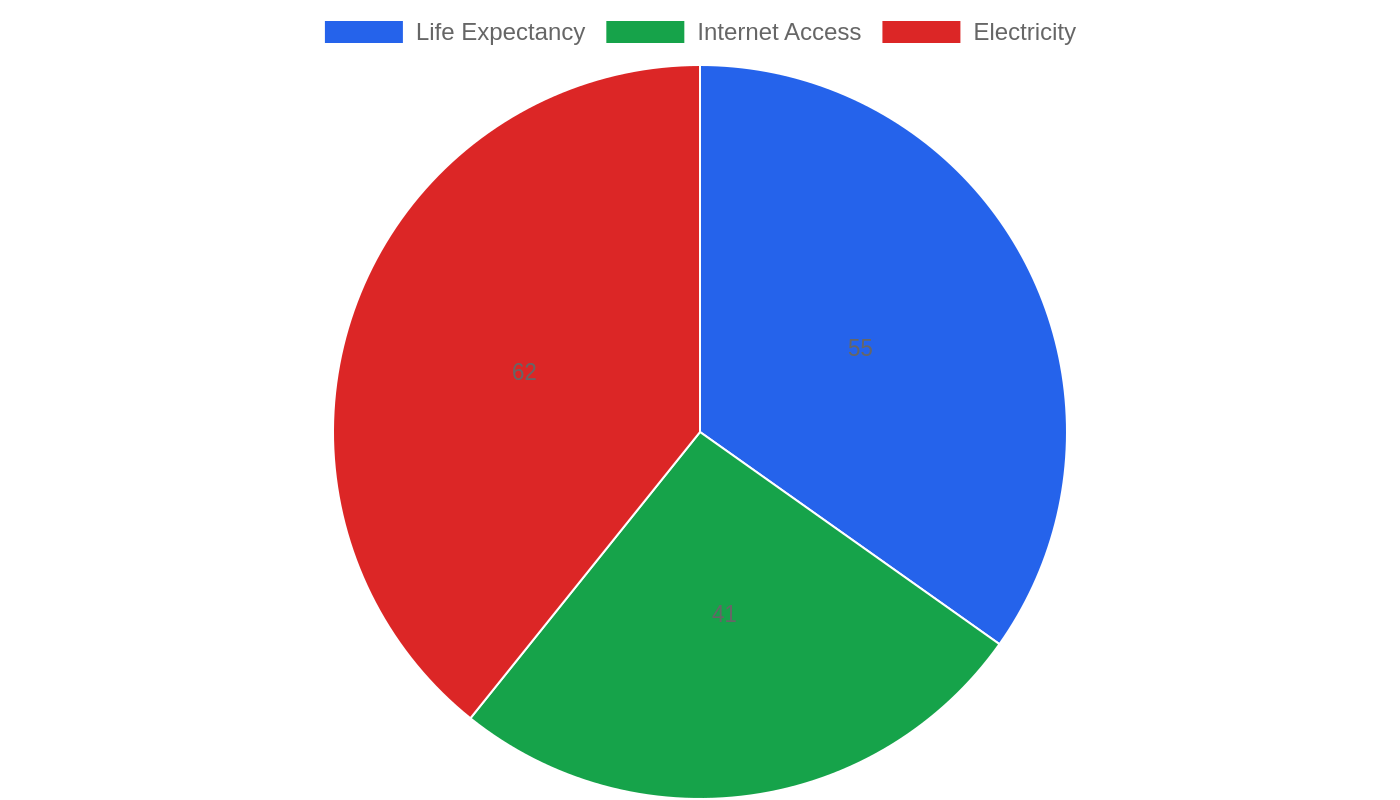
Economic Pulse Net | Sources: World Bank World Development Indicators, Government Sources | 2026
Key Takeaways
– Hydrocarbon Dominance: Brunei’s economy remains anchored by its oil and gas sector, with state-linked giants like Brunei Shell Petroleum and Brunei LNG forming the backbone of national revenue and exports.
– A Unique Political Model: The nation operates under the Malay Islamic Monarchy (MIB) framework, where the Sultan holds executive authority, parliament members are appointed rather than elected, and Islamic law exists alongside English common law.
– Financial Sector Sophistication: Despite its small size, Brunei boasts a mature financial services ecosystem, anchored by Baiduri Bank and Bank Islam Brunei Darussalam, reflecting a diversified economic strategy beyond energy.
– Strategic Diversification Push: The presence of Brunei Fertilizer Industries and Brunei Methanol Company signals a deliberate move toward downstream petrochemical value-add and industrial expansion.
– Stability as a Commodity: In a volatile region, Brunei’s combination of low crime, political continuity, and substantial sovereign wealth through the Brunei Investment Agency makes it a unique outlier for investors seeking predictability.
The Hydrocarbon Heartbeat — Reading Brunei’s Economic Pulse
Brunei’s economic narrative is written in the language of hydrocarbons, but the story is more nuanced than simple resource extraction. The World Bank’s latest data presents a picture of a nation in a statistical holding pattern, with headline indicators like GDP growth, inflation, and unemployment currently unrecorded. However, the absence of fresh numbers does not signal economic stagnation; rather, it reflects the deliberate pace of a state that has long prioritized stability over breakneck expansion.
The core of Brunei’s economic engine is the energy complex. Brunei Shell Petroleum operates as the upstream titan, extracting crude and natural gas that fuel both exports and domestic industrialization. Alongside it, Brunei LNG stands as one of the world’s major liquefied natural gas exporters, a facility that has been converting the country’s abundant offshore reserves into shiploads of clean-burning fuel for Asian markets for decades.
These entities are not merely companies; they are the fiscal pillars upon which the Sultanate’s generous welfare state rests.
Yet Brunei is not content to remain a simple extractor. The emergence of Brunei Methanol Company and Brunei Fertilizer Industries represents a strategic pivot toward value-added petrochemicals. By converting natural gas into methanol and ammonia-based fertilizers, the nation captures more economic rent from each molecule extracted, creating industrial employment and developing technical expertise that a pure extraction model would never foster.
This downstream integration is the quiet revolution occurring within Brunei’s industrial policy.
The financial sector provides a second, increasingly important leg. Baiduri Bank and Bank Islam Brunei Darussalam serve as the commercial and Islamic banking powerhouses respectively, while the Brunei Darussalam Central Bank regulates a system that is disproportionately large and sophisticated for the country’s population. The Brunei Investment Agency, the sovereign wealth fund, manages overseas assets that provide a crucial revenue stream independent of daily oil price fluctuations.
This institutional triad—commercial banking, Islamic finance, and sovereign wealth management—demonstrates a financial depth that belies the nation’s small physical footprint.
The economic model is one of managed prosperity. Without aggressive growth targets, Brunei prioritizes the preservation of wealth and the maintenance of a high quality of life for its citizens. The unemployment figure remains unrecorded, but the social contract is clear: the state provides, and the economy is structured to ensure that provision continues across generations, regardless of global commodity cycles.
The Cost of Comfort — Living in a Subsidized State
Brunei’s cost of living profile is shaped by a fundamental contradiction: it is a wealthy nation where the state actively subsidizes the essentials, yet it remains heavily dependent on imports for nearly everything else. Housing, in particular, reflects this dynamic. The government has long pursued a policy of land and housing assistance, with citizens benefiting from accessible pathways to homeownership through state-backed schemes.
Rent in the private market, particularly in the capital Bandar Seri Begawan, reflects the country’s wealth but remains moderated by the alternative of state-supported options.
Daily expenses tell a story of a nation cushioned from the extremes seen elsewhere in Southeast Asia. Energy costs are kept artificially low thanks to domestic hydrocarbon production, and basic foodstuffs receive implicit subsidies through the state’s role in economic management.
However, the consumer basket is heavily weighted toward imports—Brunei’s domestic agricultural sector is limited—which means global price shocks can still filter through to shop shelves, even if the buffer provided by national wealth dampens the impact.
The comparison with regional neighbors is instructive. While Singapore and Malaysia offer different models of urban density and cost efficiency, Brunei offers something rarer: space and tranquility at a price that, for those with local employment or business ties, remains eminently manageable. The trade-off is a quieter commercial environment than the bustling metropolises of the region.
Hua Ho Department Store, the flagship local retailer, provides a window into consumer patterns—a mix of everyday essentials and aspirational goods that serves a population with substantial disposable income but modest consumption ambitions.
For the expatriate or the foreign investor, the calculus is straightforward: Brunei offers a cost of living that is reasonable for the region, exceptional safety, and a standard of living that punches well above its weight. The absence of income tax for individuals is a significant draw, effectively increasing take-home pay and making the effective cost of living lower than headline prices might suggest. This is a nation where comfort is attainable, and the financial architecture ensures that it remains so.
The Investment Landscape — Where Sovereign Wealth Meets Emerging Industry
The investment climate in Brunei is defined by the outsized role of the state and the strategic importance of a handful of dominant enterprises. At the apex sits the Brunei Investment Agency, the sovereign wealth fund that manages the nation’s overseas holdings. For foreign investors, the agency serves as both a partner and a signal—its presence in any deal indicates state backing and a long-term horizon that private capital often struggles to match.
The domestic investment story is increasingly centered on the energy transition and downstream industrialization. Brunei Fertilizer Industries represents a major bet on global food security, positioning the nation as a reliable supplier of ammonia and urea to agricultural markets across Asia. The facility is not just an industrial plant; it is a statement of intent that Brunei intends to remain relevant in the global economy even as the world gradually moves away from crude combustion.
The financial sector offers another avenue for investment. Bank Islam Brunei Darussalam is one of the most significant Islamic financial institutions in Southeast Asia, and the regulatory framework established by the Brunei Darussalam Central Bank provides a stable, well-supervised environment for both conventional and Sharia-compliant finance. For fintech companies and financial services firms looking for a stable base in a politically neutral jurisdiction, Brunei presents an attractive, if small, opportunity.
Business culture in Brunei is relationship-driven and hierarchical, reflecting the broader MIB philosophy. Success requires patience, respect for local customs, and a genuine commitment to the nation’s long-term development goals. The government is actively seeking foreign direct investment in sectors beyond energy—tourism, halal food production, and technology services are all identified as growth areas—but the process remains deliberate and state-centric.
For the right investor, the rewards include access to a wealthy, stable market and a gateway to the broader ASEAN economic community. The Brunei Energy Services and Trading company highlights the ancillary opportunities in servicing the hydrocarbon sector, a niche that international firms can also explore.
The Politics of Stability — Governance, Safety, and the MIB Framework
Brunei’s political landscape is a study in continuity. The constitution enshrines the Malay Islamic Monarchy (MIB) as the guiding philosophy, weaving together Malay cultural traditions, Islamic religious principles, and the political supremacy of the monarchy into a single, cohesive state ideology. The Sultan holds executive authority, and while a parliament exists, its members are appointed by the monarch rather than elected by the people.
The last election was held long ago, and the current arrangement shows no signs of fundamental change; the system is designed for stability, not for the dynamism of democratic contestation.
The legal system reflects this hybrid identity. English common law forms the foundation of commercial and civil jurisprudence, providing a familiar framework for international business. However, Islamic law, or sharia, supersedes common law in certain cases, particularly in matters of personal status and, in recent years, some criminal offenses. This dual system creates a unique legal environment—one that is navigable for foreign investors but requires careful attention to religious and cultural sensitivities.
Safety is one of Brunei’s most compelling attributes. While specific crime and safety indices are currently unrecorded, the nation’s reputation for lawfulness is well-established and widely recognized across the region. The combination of a small population, strong community bonds, effective policing, and the moral framework of the MIB philosophy results in a society where violent crime is rare and petty crime is minimal.
For families and expatriates, this translates into a quality of life that is exceptionally high—children can play freely, and property is secure.
Quality of life extends beyond safety. The nation’s wealth, distributed through state services and subsidies, ensures excellent healthcare and education for citizens. The pace of life is unhurried, the environment is clean, and the absence of the extreme income disparities seen elsewhere in the region fosters a sense of social cohesion.
The political system may be autocratic by Western standards, but for the population, it has delivered a level of stability and prosperity that many democratic nations struggle to match. The trade-off between political participation and material well-being is a central feature of the Bruneian social contract, and it is a bargain the population has thus far accepted with remarkable equanimity.
The Pulse of Now — Brunei’s Quiet Maneuvering in a Changing World
The current moment in Brunei is one of deliberate, calculated motion beneath a surface of serene stability. The global energy transition casts a long shadow over the hydrocarbon-dependent economy, and the Sultanate is responding not with alarm but with methodical diversification. The operational focus of Brunei Fertilizer Industries and Brunei Methanol Company represents the immediate front line of this strategy—maximizing value from existing gas reserves while the world still needs them.
These facilities are running at the heart of a national effort to secure revenue streams that will outlast the era of crude.
In the financial sector, the Brunei Darussalam Central Bank continues to refine the regulatory environment, positioning the nation as a hub for Islamic finance and a safe harbor for regional wealth. The Brunei Investment Agency remains active globally, managing the sovereign portfolio with an eye toward long-term resilience.
The recent global volatility in energy prices has underscored the wisdom of the nation’s savings discipline; the rainy-day fund accumulated during boom years is now the bedrock of fiscal stability.
There is also a quiet push toward economic normalcy on the international stage. Brunei continues to engage with its ASEAN partners, seeking trade and investment linkages that reduce its reliance on any single market. The nation’s small size is both a limitation and a strategic advantage—it can move quickly, adapt its regulatory framework, and forge bilateral agreements without the bureaucratic inertia that plagues larger economies.
The government’s focus on attracting foreign investment in non-energy sectors is intensifying, with tourism and halal certification emerging as potential growth niches.
Domestically, the social compact remains intact. The state continues to provide for its citizens, and the population continues to enjoy a standard of living that is the envy of the region. The challenge ahead is generational: how to maintain this model when the oil and gas that fund it eventually decline. The answer, being built today in fertilizer plants, methanol facilities, and the vaults of the sovereign wealth fund, is a transition from a petro-state to a diversified, knowledge-based economy.
It is a transition being made at a deliberate pace, but the direction is unmistakable. Brunei is not standing still; it is simply moving with the patience of a nation that has always played the long game.
The Bottom Line
Brunei is a country for the patient investor and the discerning observer. It offers what few nations can: absolute political stability, a wealthy and contented population, and a strategic position at the heart of Southeast Asia’s most dynamic economic region. The hydrocarbon wealth that built the modern state is being carefully managed and reinvested, ensuring that the transition to a post-oil future is a matter of planning rather than crisis.
For those seeking exposure to a stable, well-governed economy with genuine diversification potential, Brunei warrants serious attention. It is not a market for rapid gains, but a foundation for enduring value.
Sources & Methodology
This article is authored by Economic Pulse Net for informational and research purposes. Economic Pulse Net sources its data from multilateral institutions, national statistics bureaus, and proprietary databases. All data is believed to be current as of the date of publication.
Published: August 09, 2026 | Category: Research — Brunei
Use these signals in your own platform
Economic Pulse publishes its live signal feed through a documented, read-only API. Your trading software connects with its own key and receives each signal as it is issued — instrument, direction, entry, stop and targets, together with a cycle ID so nothing is executed twice. The feed is independent of this website and cannot change it.
Signals are informational only and are not financial advice.