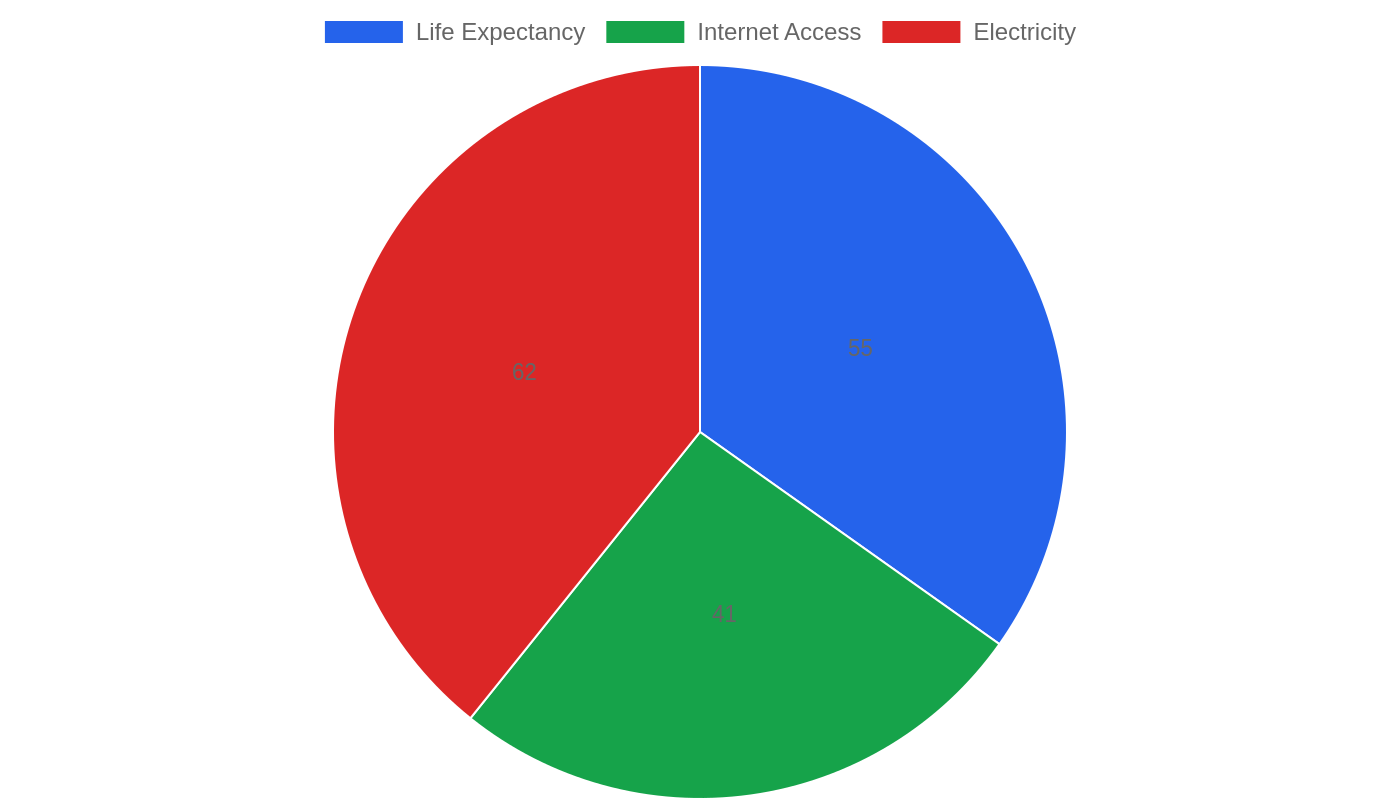
Economic Pulse Net | Sources: World Bank World Development Indicators, Government Sources | 2026
Key Takeaways
* Political Structure: Madagascar operates as a semi-presidential representative democratic multi-party republic, with significant executive power vested in the popularly elected president who appoints the prime minister and cabinet.
Industrial Landscape: The economy is anchored by key sectors including mining, consumer services, utilities, and financial services, driven by major entities like Ambatovy mine and Jirama.
Business Environment: While specific growth metrics are currently unreported, the presence of established corporations such as Air Madagascar, MCB Madagascar, and Karenjy indicates a structured corporate sector.
Governance Dynamics: Although legislative power is constitutionally vested in the Senate and National Assembly, these bodies possess limited practical influence compared to the executive branch.
Data Gaps: Comprehensive macroeconomic indicators such as GDP growth, inflation rates, and unemployment figures are not currently available from the World Bank for immediate analysis.
Economic Foundations and Industrial Drivers
The economic landscape of Madagascar presents a unique challenge for analysts due to the absence of current macroeconomic data points from the World Bank, including GDP growth, inflation CPI, and unemployment rates. Despite this lack of quantifiable metrics, the structural composition of the economy reveals a nation reliant on a diverse mix of primary and secondary industries. The presence of major industrial players suggests that resource extraction and service provision remain central to economic activity.
For instance, the Ambatovy mine stands as a critical pillar in the mining sector, highlighting the importance of natural resources in driving potential output. Meanwhile, the utility sector, represented by Jirama, plays a foundational role in supporting daily economic operations and infrastructure stability.
In the financial realm, institutions like the Central Bank of Madagascar and MCB Madagascar provide the necessary monetary framework for commerce, although their specific impact on national liquidity cannot be quantified without recent data. Consumer goods and services also form a vital part of the domestic market, with companies like Chocolaterie Robert and Karenjy catering to local demand.
The logistics and transport sectors are supported by entities such as Madarail and Madagascar Flying Services, ensuring connectivity within the archipelago. Without concrete figures on GDP per capita or population size, it is difficult to assess the standard of living or total market volume, but the existence of these varied industries points to a complex, multi-faceted economy that requires careful monitoring as new data becomes available.
The interplay between state-owned utilities and private mining ventures likely dictates much of the country’s economic rhythm, even if the exact scale remains obscured by missing statistics. Understanding this industrial baseline is essential for any future investment strategy, as the underlying assets remain constant regardless of short-term data fluctuations.
Cost of Living and Housing Realities
Assessing the cost of living in Madagascar requires navigating a landscape where specific price indices and housing data are not explicitly detailed in the provided datasets. However, the structure of the economy offers indirect clues about the financial environment for residents and expatriates alike. With major utility providers like Jirama managing essential services, household expenses are likely heavily influenced by the operational efficiency and pricing strategies of state-linked enterprises.
The availability of local consumer goods manufacturers, such as Chocolaterie Robert and Karenjy, suggests a domestic supply chain that may offer competitive pricing for everyday items compared to imported alternatives. Housing costs, while lacking specific rent-to-buy ratios in the current data, are typically shaped by the broader economic health and urbanization trends within the country.
In the absence of direct inflation CPI figures, consumers must rely on local market dynamics to gauge purchasing power, making the stability of the currency and the reliability of public services crucial factors. The postal services provided by Paositra Malagasy indicate the infrastructure level for communication and delivery, which indirectly affects the cost of doing business and accessing goods.
Without comparative regional averages, it is challenging to place Madagascar’s living costs in a global context, but the reliance on local production and state-managed utilities implies a distinct economic ecosystem. Potential residents and investors should consider that while hard numbers are unavailable, the qualitative aspects of daily life—such as access to reliable electricity and water through Jirama—are likely significant determinants of overall living standards.
This uncertainty underscores the need for localized research when evaluating personal budgets or commercial real estate opportunities in the region.
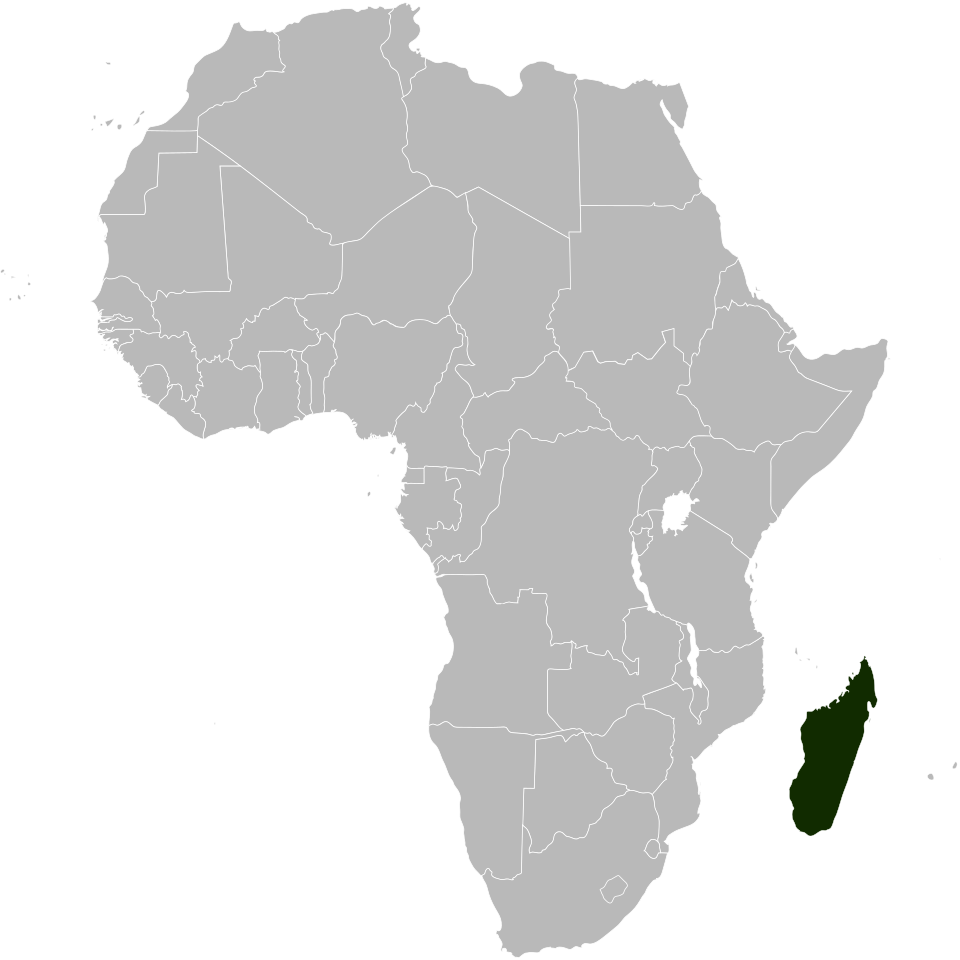
Investment and Business Climate
Madagascar’s business environment is characterized by a mix of established multinational interests and local enterprises, creating a dynamic but somewhat opaque investment landscape. The corporate sector is anchored by significant players across various industries, offering both opportunities and risks for potential stakeholders. In the mining sector, the Ambatovy mine represents a high-value asset class, attracting attention from international investors interested in nickel and cobalt extraction.
The financial services industry is robustly represented by the Central Bank of Madagascar and MCB Madagascar, providing essential banking and credit facilities that support broader economic activity. Consumer services are well-served by Air Madagascar and Madagascar Flying Services, indicating a developed transport network that facilitates both domestic travel and international connectivity.
The manufacturing and consumer goods sectors feature notable brands like Chocolaterie Robert and Karenjy, suggesting a healthy domestic market for branded products. Additionally, the industrials sector includes Madarail, pointing to ongoing efforts in logistical infrastructure development. These companies operate within a regulatory framework overseen by the government, meaning that political stability and policy consistency are paramount for long-term business success.
While specific data on foreign direct investment flows or ease of doing business rankings is not provided, the presence of these structured corporate entities demonstrates a functioning commercial environment. Investors should note that the interplay between state-owned utilities like Jirama and private sector firms will likely shape the operational costs and profitability of ventures in the country.
The diversity of top companies—from mining to postal services—indicates a broad-based economy that rewards those who understand local nuances and regulatory requirements.
Safety, Politics, and Quality of Life
The political architecture of Madagascar is defined by its status as a semi-presidential representative democratic multi-party republic, a system that concentrates significant authority in the hands of the executive branch. The popularly elected president serves as the head of state and holds the power to select a prime minister, who then recommends candidates for the cabinet of ministers.
This structure places substantial control over executive power in the government, while legislative power is theoretically vested in the ministerial cabinet, the Senate, and the National Assembly. However, in practice, the latter two bodies wield very little power or legislative role, creating a centralized governance model. This political reality has implications for social stability and the rule of law, which are critical components of the quality of life for citizens and expatriates.
Regarding safety, specific crime and safety indices are not currently available, leaving a gap in quantitative assessments of security risks. Nevertheless, the political framework suggests that policy changes can occur rapidly based on presidential decisions, requiring businesses and residents to stay attuned to shifts in governance. The concentration of power may lead to varying levels of accountability and transparency, which can affect public trust and social cohesion.
Understanding this political dynamic is essential for assessing the long-term viability of projects and the general well-being of the population. The interplay between formal constitutional structures and actual political practice defines the daily experience of living and working in Madagascar, making political literacy a valuable asset for anyone engaging with the country.
What’s Happening Now: Current Affairs and Outlook
The current affairs landscape in Madagascar is shaped by the enduring influence of its semi-presidential system, where the president’s ability to appoint the prime minister and cabinet drives much of the governmental agenda. As the executive branch exercises dominant power, recent developments likely reflect the priorities set by the current administration, though specific policy shifts or reform initiatives are not detailed in the available data.
The legislative bodies, namely the Senate and National Assembly, continue to play a minimal role in day-to-day governance, meaning that major decisions are made without extensive parliamentary debate or oversight. This centralization can lead to swift implementation of policies but also raises questions about inclusivity and representation in the democratic process.
For the business community, this political setup means that relationships with the executive branch are often more critical than engagement with legislative committees. The economic sectors dominated by companies like Ambatovy and Jirama are likely subject to regulatory changes dictated by presidential decrees or ministerial recommendations.
While there is no specific news on elections or inflation trends in the provided text, the structural stability of the government depends on the balance of power between the president and the appointed prime minister. Stakeholders must remain vigilant regarding potential changes in leadership, as these transitions could alter the regulatory environment for key industries.
The lack of recent data on economic performance makes it difficult to predict immediate outcomes, but the political continuity suggests that existing business frameworks will persist unless overtaken by new executive directives. Observers should watch for any shifts in the relationship between the president and the prime minister, as internal dynamics within the cabinet could signal broader policy directions.
The Bottom Line
Madagascar offers a compelling case study for those interested in emerging markets with rich natural resources and a structured corporate sector, despite the current lack of comprehensive economic data. Investors and researchers should focus on the political realities of its semi-presidential system, where executive power significantly outweighs legislative influence.
The presence of major players in mining, utilities, and finance provides a foundation for long-term engagement, but the absence of GDP and inflation metrics necessitates caution and localized due diligence. Ultimately, success in Madagascar depends on navigating its unique political landscape and understanding the operational dynamics of its key industries.
Sources & Methodology
This article is authored by Economic Pulse Net for informational and research purposes. Economic Pulse Net sources its data from multilateral institutions, national statistics bureaus, and proprietary databases. All data is believed to be current as of the date of publication.
Published: October 06, 2026 | Category: Research — Madagascar
Use these signals in your own platform
Economic Pulse publishes its live signal feed through a documented, read-only API. Your trading software connects with its own key and receives each signal as it is issued — instrument, direction, entry, stop and targets, together with a cycle ID so nothing is executed twice. The feed is independent of this website and cannot change it.
Signals are informational only and are not financial advice.