Economic Pulse Net | Sources: World Bank World Development Indicators, Government Sources | 2026
🇬🇭 Ghana 2025: A Tale of Two Economies — Resilient Growth Amidst Persistent Inflation
Key Takeaways
- Robust Growth: The World Bank reports GDP growth of nearly 6% for 2025, signaling a strong recovery phase for the West African nation.
- Inflationary Pressure: Despite growth, the Consumer Price Index (CPI) remains elevated at over 14%, indicating that the cost of living is still a significant burden for households.
- Low Unemployment: The labor market remains tight, with unemployment sitting at just under 3%, suggesting a high demand for labor despite economic headwinds.
- Political Stability: Ghana’s democratic structure, characterized by the alternation of power between the NDC and NPP, provides a stable backdrop for long-term economic planning.
- Corporate Landscape: The economy is anchored by established players in mining, financial services, and consumer goods, with companies like Ashanti Goldfields and Accra Brewery playing pivotal roles.
The Engine Room: Growth Metrics and the Inflation Dilemma
According to the World Bank, Ghana’s economy is projected to expand by 5.95441714756899% in 2025, a figure that underscores the country’s remarkable resilience in the face of global economic uncertainties.
This near-six percent growth rate is not merely a statistical anomaly; it represents a substantial increase in the nation’s total output, with the total GDP reaching approximately $114.2 billion.
However, this headline growth must be contextualized against the backdrop of persistent inflation, which the World Bank records at 14.2046755548989% for the same period.
This dual reality—high growth coupled with high inflation—creates a complex economic environment where the value of earnings is being eroded even as the economy expands.
The disparity between the nominal GDP growth and the real purchasing power of the average citizen is a critical issue for policymakers.
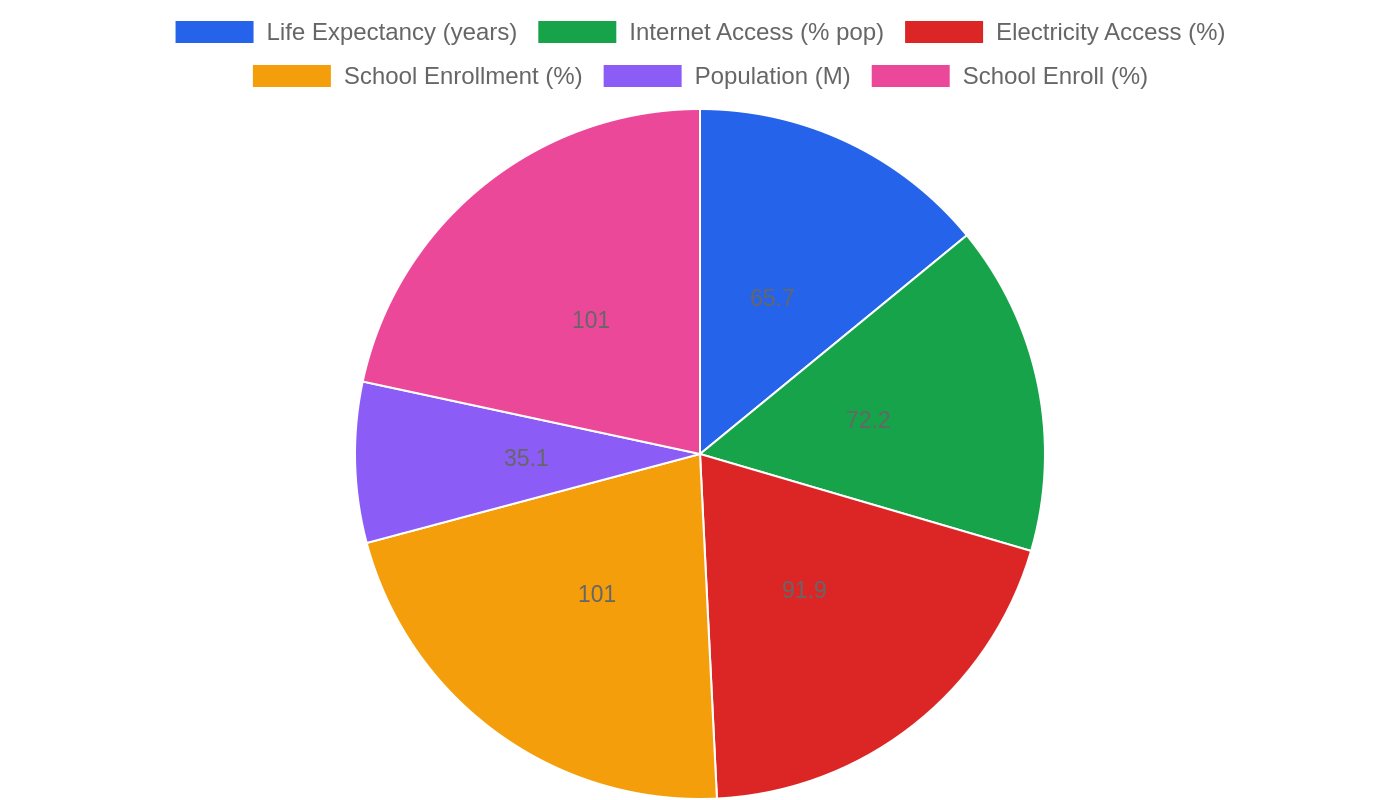
With a population of over 35 million, the GDP per capita (PPP) stands at $8,610.27, while the GNI per capita is $2,630, highlighting a significant gap that reflects both the potential for wealth creation and the challenges of equitable distribution.
The low unemployment rate of 2.979% suggests that the labor market is absorbing workers effectively, yet the high inflation rate means that wage growth must outpace price increases to improve living standards.
This dynamic indicates that while the macroeconomic engine is running hot, the benefits have not yet fully trickled down to stabilize household budgets.
The Price of Living: Navigating Daily Expenses
While specific housing and rent data is not provided in the current dataset, the high inflation rate of over 14% serves as a proxy for the rising cost of daily essentials, including food, fuel, and utilities.
In an environment where the Consumer Price Index is climbing at such a rapid pace, the cost of living for the average Ghanaians is inevitably rising, putting pressure on disposable income.
The GNI per capita of $2,630 suggests that while the economy is growing, the average income level remains modest, making the impact of inflation disproportionately heavy on the middle and lower classes.
Without specific data on rent versus buying costs, we can infer from the general economic indicators that asset prices, particularly real estate, may also be subject to upward pressure driven by inflation and currency dynamics.
For residents, this means that maintaining a standard of living requires a constant adjustment of spending habits, with a significant portion of income likely dedicated to basic necessities.
The stability of the political system may offer some long-term confidence, but the short-term squeeze on wallets is a tangible reality for most households.
Corporate Anchors: The Sectors Driving the Economy
Ghana’s business landscape is supported by a diverse array of major companies that span critical sectors of the economy.
In the basic materials sector, Ashanti Goldfields Corporation stands out as a key player, leveraging the country’s rich mineral resources to drive export revenues and industrial growth.
The financial sector is robust, with institutions like Agricultural Development Bank of Ghana and AmalBank providing essential credit and financial services that facilitate both agricultural development and urban commerce.
Consumer goods and services are also well-represented, with the Accra Brewery Company dominating the local beverage market and airlines such as Aerogem Aviation, Afra Airlines, and Africa World Airlines connecting Ghana to regional and global markets.
These companies not only contribute to GDP but also create employment, which helps explain the low unemployment rate observed in the national statistics.
The presence of industrial players like Aluworks and African Champion Industries indicates a growing domestic manufacturing base, reducing reliance on imports and fostering self-sufficiency in key materials.
This corporate ecosystem is vital for sustaining the 5.9% growth rate, as it provides the operational backbone for the economy’s expansion.
Stability and Safety: The Political and Social Context
Ghana’s political landscape is defined by its status as a unitary presidential constitutional democracy with a parliamentary multi-party system, a structure that has proven stable over the decades.
The country has successfully alternated between civilian governments, a process that began with the transition to the Fourth Republic in 1993, following a period of military rule.
This political continuity is underpinned by the dominance of two major parties, the National Democratic Congress (NDC) and the New Patriotic Party (NPP), which have established a predictable cycle of power transitions.
While specific crime and safety indices are not available in the provided data, the general political stability suggests a conducive environment for social cohesion and economic activity.
The 1992 constitution divides powers among the executive, legislative, and judicial branches, ensuring checks and balances that are crucial for long-term planning.
For investors and residents alike, this political predictability is a significant asset, reducing the risk of sudden policy shifts or unrest that could disrupt economic life.
The focus on democratic norms and the rule of law provides a foundation for the economic reforms and growth seen in the recent data.
Current Affairs: The Pulse of 2025
In the immediate term, the economic narrative for Ghana is shaped by the interplay between its strong growth trajectory and the persistent challenge of inflation.
The World Bank’s projection of nearly 6% GDP growth for 2025 positions Ghana as one of the more dynamic economies in the region, suggesting that structural reforms and sectoral expansions are bearing fruit.
However, the inflation rate of over 14% remains the primary headwind, requiring continued vigilance from monetary and fiscal authorities to prevent it from undermining the gains from growth.
The low unemployment rate of under 3% indicates a labor market that is currently tight, which may place additional pressure on wages and, consequently, on inflationary trends.
As the country navigates these dynamics, the performance of key sectors like mining and agriculture will be critical in determining whether the growth is sustainable and inclusive.
The political environment, marked by the established alternation of power, provides a stable platform for these economic policies to be implemented without the disruption of political instability.
This period of 2025 is thus characterized by a cautious optimism, where strong macroeconomic indicators are tempered by the need for effective management of price stability and cost-of-living pressures.
The Bottom Line
Ghana presents a compelling case for those watching the African economic landscape, combining strong growth with a stable political framework.
The key metric to monitor is the trajectory of inflation, as its reduction will be the determinant factor in translating GDP growth into improved living standards for the 35 million citizens.
Investors and analysts should pay close attention to the performance of the mining and financial sectors, which are the pillars of the current economic expansion.
Ultimately, Ghana’s ability to sustain its near-6% growth while taming inflation will define its economic success in the coming years.
Sources & Methodology
This article is authored by Economic Pulse Net for informational and research purposes.
Economic Pulse Net sources its data from multilateral institutions, national statistics bureaus, and proprietary databases.
All data is believed to be current as of the date of publication. Published: September 02, 2026 |
Category: Research — Ghana
Use these signals in your own platform
Economic Pulse publishes its live signal feed through a documented, read-only API. Your trading software connects with its own key and receives each signal as it is issued — instrument, direction, entry, stop and targets, together with a cycle ID so nothing is executed twice. The feed is independent of this website and cannot change it.
Signals are informational only and are not financial advice.