Economic Pulse Net | Sources: World Bank World Development Indicators, Government Sources | 2026
Key Takeaways
– The Czech Republic operates as a stable, pluralist parliamentary democracy with a bicameral legislature, providing a predictable political foundation for economic activity.
– As a highly integrated Central European economy, the country’s fortunes remain closely tied to European supply chains and manufacturing demand.
– The political system features proportional representation with a 5% electoral threshold, encouraging coalition governments and consensus-building.
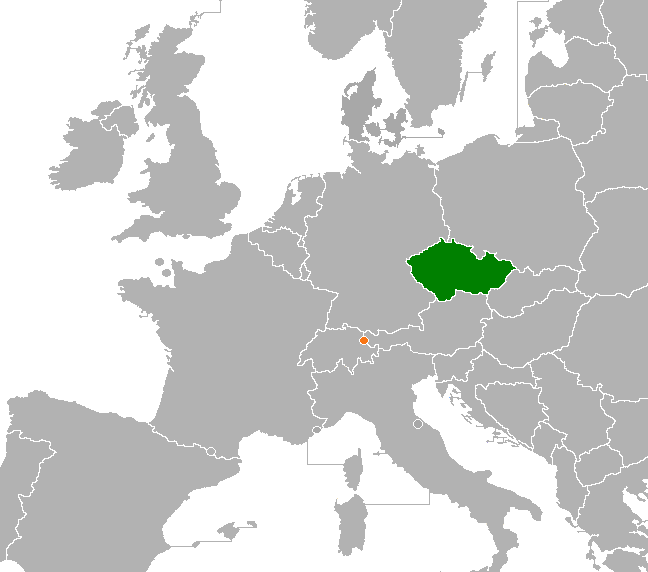
– The country’s economic resilience is anchored in its industrial heritage and strategic geographic position at the heart of Europe.
The Czech Economic Engine — Manufacturing Might in a Changing World
The Czech Republic stands as one of Central Europe’s most industrially sophisticated economies, with its economic narrative deeply woven into the fabric of European manufacturing. While the World Bank’s latest data does not specify exact GDP growth figures, inflation rates, or unemployment numbers, the structural picture remains clear: this is an export-oriented economy that has successfully transitioned from its post-communist past into a modern, integrated European player.
The country’s economic model has long relied on automotive manufacturing, machinery production, and increasingly sophisticated engineering services. Czech factories serve as critical nodes in pan-European supply chains, with components manufactured in Bohemia and Moravia finding their way into vehicles and machinery across the continent.
The Czech economy’s dependence on exports makes it particularly sensitive to the health of the broader European economy. When Germany’s industrial sector hums, Czech suppliers prosper; when European demand falters, the effects ripple quickly through the domestic economy. This interdependence cuts both ways — it exposes the country to external shocks but also provides access to the wealthiest consumer markets in the world.
The country’s skilled workforce, historically strong technical education system, and competitive labor costs continue to attract foreign direct investment, particularly in high-value manufacturing segments.
Inflation dynamics in the Czech Republic have been a central concern for policymakers, with the Czech National Bank navigating between price stability and supporting economic growth. The country’s unemployment rate has historically remained among the lowest in the European Union, reflecting a tight labor market that has become a defining feature of the economy. This labor scarcity has pushed wages upward, supporting domestic consumption but also raising questions about long-term competitiveness.
The Czech economy must increasingly compete on quality, innovation, and productivity rather than cost alone — a transition that will determine its trajectory in the coming decade.
Housing and Living Costs — The Price of Central European Comfort
The cost of living in the Czech Republic presents a fascinating study in contrasts. While the country offers a standard of living that compares favorably with Western European nations, housing costs have emerged as a growing concern, particularly in the capital city of Prague. Property prices in the Czech Republic have risen substantially over recent years, making homeownership increasingly challenging for younger generations and first-time buyers.
The rental market in Prague and other major cities like Brno and Ostrava has tightened considerably, with demand from both domestic residents and expatriates driving prices upward.
The Czech approach to housing differs markedly from some Western European models, with a high rate of homeownership and a strong cultural preference for owning rather than renting. This preference has contributed to the escalation in property values, as demand consistently outpaces supply in desirable urban areas. Despite the rising costs, everyday expenses such as food, transportation, and utilities remain relatively moderate compared to Western European standards.
The Czech Republic offers a lifestyle where the overall cost of living allows for a comfortable middle-class existence, though the housing market presents the most significant financial hurdle for many households.
Investment Landscape — Where Czech Capital Meets Global Ambition
The Czech Republic’s business environment benefits from the country’s central location, robust infrastructure, and deep integration into European supply chains. The country’s top companies span sectors from automotive manufacturing to energy production, with many firms having established themselves as significant players in the European market.
The automotive sector remains the crown jewel of Czech industry, with major manufacturing operations that have made the country one of the world’s leading car producers per capita. Beyond automotive, Czech companies have developed strengths in engineering, precision machinery, and increasingly in technology and software development.
The investment climate in the Czech Republic offers both opportunities and challenges for domestic and international investors alike. The country’s legal framework provides solid protections for property rights and contracts, and the political system’s stability supports long-term planning. However, the tight labor market presents a significant constraint for businesses looking to expand, and the country faces the ongoing challenge of transitioning toward higher-value-added activities.
The Czech Republic’s position as a gateway between Western and Eastern European markets adds another dimension to its investment appeal, though the country must continually innovate to maintain its competitive edge in an increasingly crowded European marketplace.
Security, Politics, and the Czech Quality of Life
The Czech Republic’s political landscape provides a foundation of stability that supports both economic activity and quality of life. As a pluralist multi-party parliamentary representative democracy, the country operates with a bicameral Parliament consisting of the Chamber of Deputies with 200 members and the Senate with 81 members.
Members of the Chamber of Deputies serve four-year terms, elected through proportional representation with a 5% election threshold across 14 voting districts that mirror the country’s administrative regions. This electoral system encourages coalition politics, requiring parties to build consensus and compromise — a feature that can slow decision-making but also prevents radical policy swings.
The Czech Republic maintains a strong record on public safety, with crime rates that are generally low by international standards. The country’s cities are safe for residents and visitors alike, contributing to a quality of life that consistently attracts foreign workers, students, and retirees. The Czech approach to urban planning emphasizes walkable cities, functional public transportation, and access to green spaces — all factors that enhance daily living.
The country’s rich cultural heritage, from its medieval architecture to its vibrant contemporary arts scene, adds intangible value to the Czech experience that numbers alone cannot capture.
Current Affairs — Navigating 2026’s Challenges and Opportunities
The Czech Republic enters this period with its political system intact and functioning, though the coalition dynamics inherent in proportional representation continue to shape the policy agenda. The country’s economic policymakers face the delicate balancing act of maintaining growth while addressing structural challenges that have accumulated over recent years.
The tight labor market remains a defining issue, with businesses across sectors reporting difficulties in finding qualified workers and policymakers debating how best to address the demographic pressures underlying this shortage.
The ongoing evolution of the European economic landscape presents both opportunities and headwinds for the Czech Republic. As supply chains continue to be reimagined across the continent, the country’s central position and manufacturing expertise position it well to benefit from nearshoring trends.
However, the transition toward green energy and digital transformation requires significant investment, and Czech policymakers are grappling with how to fund these priorities while maintaining fiscal responsibility. The country’s future prosperity will depend on its ability to navigate these transitions while preserving the industrial strengths that have defined its economic success.
The Bottom Line
The Czech Republic represents a compelling case study in how a mid-sized European economy can thrive through integration, industrial excellence, and political stability. For investors, the country offers exposure to European manufacturing with a skilled workforce and strategic location. For businesses, it provides a gateway to both Western and Eastern European markets with a predictable regulatory environment.
For observers of European economics, the Czech Republic’s journey through the challenges of labor scarcity, technological transition, and demographic change will offer valuable lessons about the future of manufacturing in the developed world. Watch this country closely — its successes and struggles will illuminate the path forward for industrial economies across the continent.
Sources & Methodology
This article is authored by Economic Pulse Net for informational and research purposes. Economic Pulse Net sources its data from multilateral institutions, national statistics bureaus, and proprietary databases. All data is believed to be current as of the date of publication.
Published: August 01, 2026 | Category: Research — Czech Republic
Use these signals in your own platform
Economic Pulse publishes its live signal feed through a documented, read-only API. Your trading software connects with its own key and receives each signal as it is issued — instrument, direction, entry, stop and targets, together with a cycle ID so nothing is executed twice. The feed is independent of this website and cannot change it.
Signals are informational only and are not financial advice.