Economic Pulse Net | Sources: World Bank World Development Indicators, Government Sources | 2026
Key Takeaways
* Suriname operates as a representative democratic republic with a unicameral National Assembly, providing a stable political framework for economic activity.
The corporate sector is currently defined by a mix of media, telecommunications, and consumer services, with no single dominant industrial giant listed in current data.
Financial stability is anchored by key institutions like the Central Bank of Suriname and De Surinaamsche Bank, which form the backbone of the local economy.
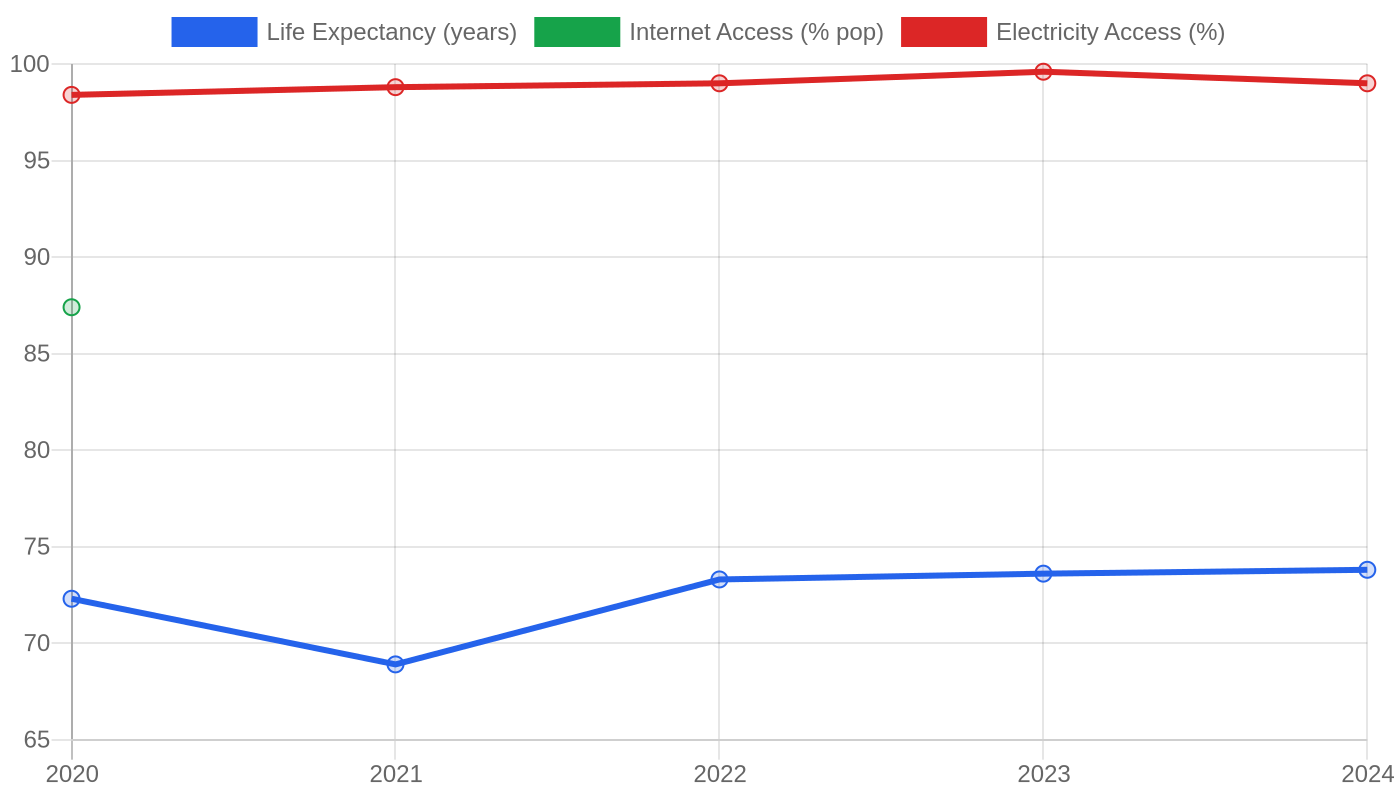
While macroeconomic indicators such as GDP growth and inflation are not currently reported, the business environment is shaped by a handful of major national players.
Investors and observers must look to the structural governance model and the specific holdings of top companies to gauge future economic trajectories rather than relying on broad aggregate metrics.
The Architecture of Governance and Economic Structure
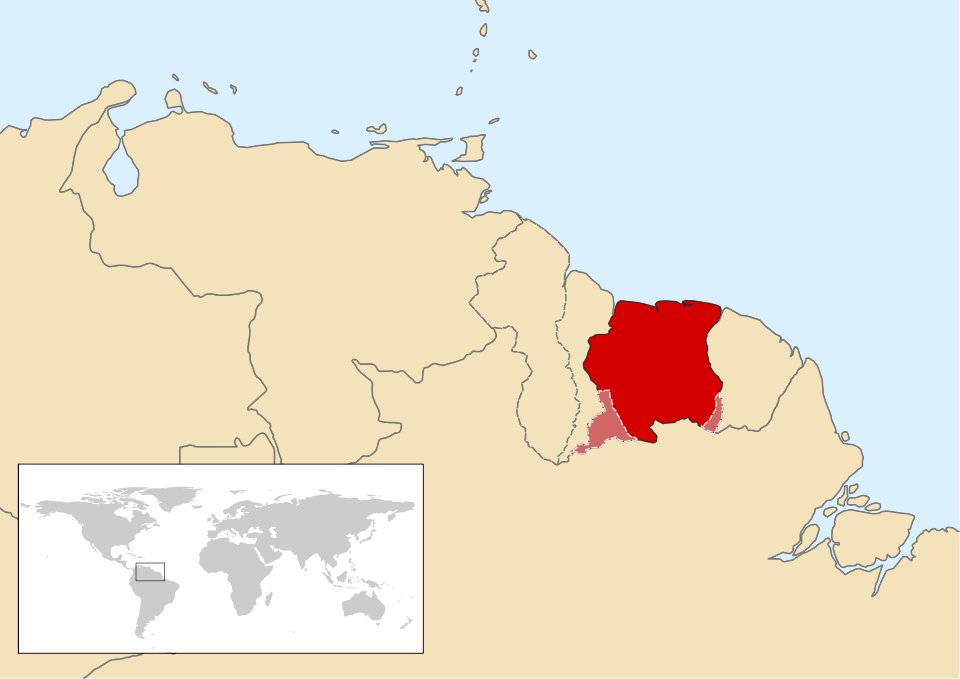
The Republic of Suriname presents a unique case study in institutional design, operating under the Constitution of 1987 as a representative democratic republic. This system features an installed assembly-independent structure that ensures legislative oversight, with power vested in a 51-member unicameral National Assembly. These representatives are popularly elected for five-year terms, creating a direct link between the electorate and policy-making bodies.
This political framework provides a predictable environment for long-term planning, even in the absence of immediate high-frequency economic data. The stability of this democratic process is crucial for maintaining investor confidence, as it reduces the risk of abrupt policy shifts or authoritarian overreach. Without specific GDP or unemployment figures from the World Bank, the focus shifts to the institutional capacity to manage resources and enforce contracts.
The presence of a robust legislative branch suggests that fiscal policies are subject to debate and approval, adding a layer of transparency to economic management. Consequently, the country’s economic resilience is tied as much to its political maturity as to its natural resource endowments. Understanding this governance model is essential for interpreting any future economic releases, as the legislative body will likely drive the narrative around recovery or expansion.
Cost of Living and Daily Expenses
For residents and expatriates alike, the cost of living in Suriname is shaped by its status as a smaller, open economy heavily reliant on imports. While specific CPI inflation rates are not available, the daily expenses are influenced by the operational efficiency of key service providers. The presence of established telecommunications firms like Telesur indicates a competitive market for digital connectivity, which is increasingly vital for both personal and business operations.
Consumer services, particularly in the aviation sector, play a significant role in determining travel costs and connectivity to regional hubs. Companies such as Blue Wing Airlines, Caricom Airways, and Surinam Airways provide critical infrastructure that affects the price of goods and services through logistics networks. Fly All Ways further diversifies these options, suggesting that competition in the transport sector helps moderate some costs associated with mobility.
Housing markets, while lacking explicit rent-versus-buy data, are likely correlated with the income levels supported by the financial sector’s stability. The overall expense profile is thus mediated by the efficiency of these core service industries rather than broad macroeconomic trends. Residents navigate a landscape where access to reliable media and transport is standardized by a few dominant national entities.
Investment Opportunities and Corporate Landscape
The investment climate in Suriname is characterized by a concentrated corporate sector where influence is distributed among specialized firms rather than diversified conglomerates. Media and communications represent a significant portion of the notable corporate entities, with Ampie’s Broadcasting Corporation and Apintie leading in information dissemination. This concentration in media suggests a vibrant public discourse environment, which can be attractive for brands seeking local engagement.
In the financial sector, the Central Bank of Suriname and De Surinaamsche Bank serve as pillars of monetary and commercial stability. These institutions are critical for facilitating trade, managing foreign exchange, and providing credit to emerging businesses. The dominance of consumer services in the company list, including multiple airlines, highlights the importance of connectivity in driving economic activity.
For investors, these sectors offer entry points into a market that values reliability and brand recognition. The lack of heavy industrial giants in the current data set implies that opportunities may lie in supporting services, technology adoption, and niche manufacturing. Business development is therefore closely linked to the performance of these established corporations, which act as gateways to the broader market. Monitoring their strategic moves can provide early signals of sectoral growth or contraction.
Safety, Politics, and Quality of Life
Quality of life in Suriname is underpinned by a clear political structure and a relatively transparent safety environment. The crime index and safety index are currently unreported, leaving a gap in quantitative assessments of personal security. However, the political landscape offers reassurance through its constitutional safeguards and regular electoral cycles. The five-year term for National Assembly members ensures periodic accountability, which contributes to social stability.
Happiness data is not explicitly provided, but the existence of independent media outlets like Ampie’s and Apintie suggests a degree of freedom of expression that correlates with higher subjective well-being. The availability of diverse telecommunications options further enhances connectivity, allowing citizens to maintain global links. Political stability remains the primary anchor for quality of life, reducing uncertainty for families and businesses alike.
While specific safety metrics are missing, the institutional checks and balances inherent in the 1987 Constitution provide a foundational layer of security. Observers should view the political framework as a proxy for social cohesion in the absence of granular crime statistics.
What’s Happening Now: Structural Shifts and Market Dynamics
Current affairs in Suriname are dominated by the interplay between its political institutions and its evolving corporate sector. With no recent news items or live indicators provided, the immediate economic narrative is one of observation rather than reaction. The focus remains on how the National Assembly manages the regulatory environment for key industries like banking and aviation.
The continued operation of major carriers such as Surinam Airways and Caricom Airways indicates sustained demand for regional connectivity. Meanwhile, the media landscape continues to evolve with entities like Telesur and Apintie shaping public opinion. These developments suggest a market that is consolidating around established players rather than undergoing disruptive innovation. Policy shifts are likely being debated within the 51-member assembly, influencing the long-term outlook for foreign investment.
The absence of real-time inflation data means that current discussions are centered on structural integrity rather than short-term price fluctuations. Businesses are navigating a steady state, leveraging existing frameworks to build market share. This period of stability allows for careful planning and strategic positioning without the pressure of volatile economic shocks.
The Bottom Line
Suriname represents a market where institutional stability and corporate concentration define the investment thesis. Investors should watch this country for its potential in consumer services and financial intermediation, driven by a handful of key players. The clear democratic framework offers a safe harbor for long-term capital deployment, even amidst data gaps. Those interested in emerging markets with strong governance structures will find Suriname a compelling, albeit quiet, candidate.
Sources & Methodology
This article is authored by Economic Pulse Net for informational and research purposes. Economic Pulse Net sources its data from multilateral institutions, national statistics bureaus, and proprietary databases. All data is believed to be current as of the date of publication.
Published: October 04, 2026 | Category: Research — Suriname
Use these signals in your own platform
Economic Pulse publishes its live signal feed through a documented, read-only API. Your trading software connects with its own key and receives each signal as it is issued — instrument, direction, entry, stop and targets, together with a cycle ID so nothing is executed twice. The feed is independent of this website and cannot change it.
Signals are informational only and are not financial advice.