Economic Pulse Net | Sources: World Bank World Development Indicators, Government Sources | 2026
Key Takeaways
– Brazil’s economy is expanding at a modest 2.29% pace, according to the World Bank, signaling resilience but not the breakout momentum many hoped for.
– Inflation sits at 5.02%, a level that erodes purchasing power and keeps the central bank’s monetary policy in focus as households feel the squeeze.
– Unemployment has fallen to 5.97%, a notable achievement that suggests the labor market is absorbing workers even as economic growth remains moderate.
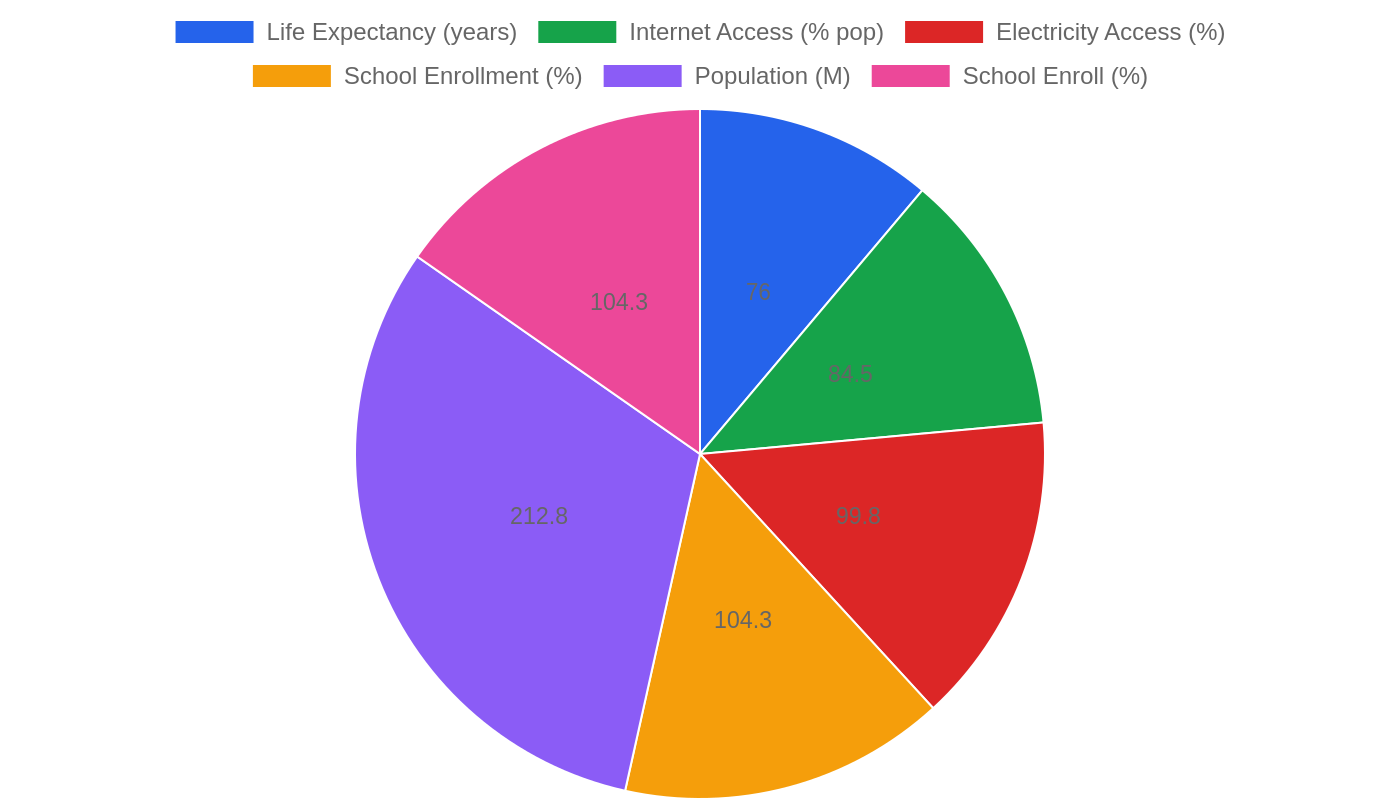
– With a GDP of $2.28 trillion and a population exceeding 212 million, Brazil remains the dominant economic power in South America, though per capita output of $23,433 (PPP) reveals persistent inequality challenges.
– The political landscape under President Luiz Inácio Lula da Silva is stable but watchful, with investors monitoring fiscal policy signals in Latin America’s largest economy.
Sources & Methodology
This article is authored by Economic Pulse Net for informational and research purposes. Economic Pulse Net sources its data from multilateral institutions, national statistics bureaus, and proprietary databases. All data is believed to be current as of the date of publication.
Published: August 21, 2026 | Category: Research — Brazil
Use these signals in your own platform
Economic Pulse publishes its live signal feed through a documented, read-only API. Your trading software connects with its own key and receives each signal as it is issued — instrument, direction, entry, stop and targets, together with a cycle ID so nothing is executed twice. The feed is independent of this website and cannot change it.
Signals are informational only and are not financial advice.