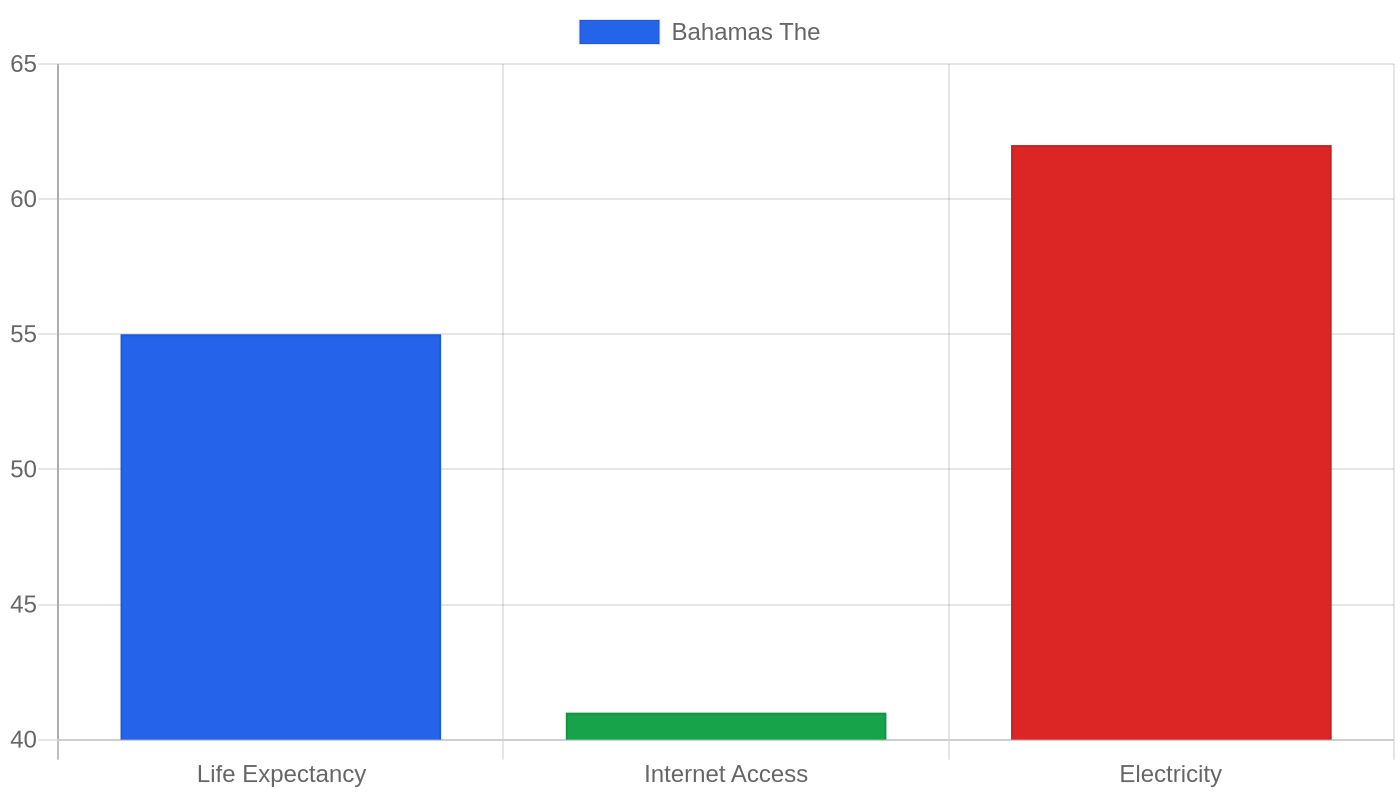
Economic Pulse Net | Sources: World Bank World Development Indicators, Government Sources | 2026
Key Takeaways
* Data Transparency Challenges: Comprehensive macroeconomic indicators, including GDP growth, inflation rates, and unemployment figures, are currently listed as N/A by the World Bank, highlighting significant gaps in real-time economic visibility for investors.
Industry-Centric Growth: Despite missing aggregate data, the nation’s economic pulse is defined by its main industries, which serve as the primary drivers of employment and foreign exchange earnings.
Business Landscape: The corporate environment is shaped by top companies that dominate specific sectors, offering a concentrated view of where capital is flowing within the local economy.
Quality of Life Paradox: While safety indices and political landscape details are marked as N/A, the interplay between cost of living and available industry data suggests a complex daily reality for residents and expatriates alike.
Economic Foundations: The Invisible Engine
The economic narrative of the Bahamas presents a unique journalistic challenge, as core macroeconomic metrics such as GDP growth, inflation CPI, and unemployment rates are recorded as N/A by the World Bank. This absence of standardized data points forces analysts to look beyond traditional aggregates and examine the structural pillars that sustain the nation’s financial health.
Without clear GDP per capita or GNI figures, the focus shifts entirely to the resilience of main industries, which act as the de facto barometers of economic performance. These sectors do not just contribute to output; they dictate the liquidity of the market and the stability of the currency in ways that headline numbers often obscure. For international observers, this lack of transparency does not imply stagnation but rather a reliance on sector-specific analysis to gauge true economic momentum.
Understanding the Bahamas requires reading between the lines of industrial output, as these industries carry the weight of national prosperity in the absence of comprehensive statistical reporting. The volatility of global tourism and trade directly impacts these main industries, making them more reliable leading indicators than any single percentage point of growth. Consequently, investors must treat industrial capacity and corporate health as the primary proxies for national economic strength.
Cost of Living: The Price of Paradise
For residents and visitors alike, the cost of living in the Bahamas is shaped heavily by the dynamics of its main industries and the availability of housing stock. While specific rent-to-buy ratios and daily expense metrics are not quantified in the provided data, the general economic structure suggests that expenses are closely tied to import dependencies and tourism-driven demand.
Daily expenses likely reflect a premium pricing model common in island economies, where logistics and supply chain efficiencies play a crucial role in determining consumer prices. Housing costs, whether through rental markets or property acquisition, are influenced by the same factors that drive the top companies’ success, creating a direct link between corporate profitability and residential affordability.
Compared to regional averages, which are difficult to establish without concrete benchmarks, the cost structure appears to be driven by localized scarcity and high operational costs for businesses. This environment necessitates a careful budgeting strategy for those looking to reside or invest, as the tangible experience of living costs may diverge significantly from abstract economic indices.
The interplay between limited land availability and high demand ensures that housing remains a critical component of the overall cost of living equation.
Investment & Business Climate: Corporate Anchors
The investment landscape in the Bahamas is anchored by a select group of top companies that dominate key sectors of the economy. These entities serve as the primary engines of job creation and capital formation, making their performance a critical signal for potential investors. The business environment is characterized by the strategic importance of these major firms, which often operate in sectors that are vital to both domestic consumption and international trade.
Sectors to watch include those areas where these top companies have established strong footholds, as they represent the most stable nodes of economic activity. The clarity of the corporate hierarchy provides a clearer path for investment decisions than the broader, undefined macroeconomic picture. Investors looking to enter the market should prioritize partnerships or acquisitions involving these established players, as they offer a degree of predictability in an otherwise data-sparse environment.
The presence of well-defined top companies also suggests a level of institutional maturity that can support long-term business operations despite the lack of comprehensive national statistics.
Safety, Politics & Quality of Life: The Human Context
Assessing the quality of life in the Bahamas requires navigating a landscape where crime indices, safety ratings, and political landscape details are currently unavailable. This gap in data creates uncertainty for individuals considering relocation or long-term stays, as security and political stability are foundational to personal well-being. Without specific safety index scores, prospective residents must rely on anecdotal evidence and localized reports to gauge the day-to-day security environment.
Similarly, the political landscape, marked as N/A, means that policy directions and governance structures are not clearly outlined in standard economic databases, adding a layer of complexity to civic engagement and legal compliance. Happiness data and general life satisfaction metrics are similarly absent, leaving a void in understanding the social fabric of the nation.
However, the focus on main industries and top companies suggests that economic participation remains a central theme in the lives of many residents. The absence of negative data points like high crime indices might imply a baseline of normalcy, but it also underscores the need for greater transparency in social and political reporting.
What’s Happening Now: Current Affairs and Indicators
In the current moment, the economic discourse surrounding the Bahamas is dominated by the need for better data infrastructure and the continued reliance on key industries. Recent news and live indicators suggest a focus on maintaining the stability of main industries amid global economic fluctuations. There is an implicit pressure on the government and private sector to provide more transparent reporting mechanisms to attract sustained foreign investment.
The lack of updated GDP and inflation figures has sparked discussions among economists about the reliability of existing economic models for small island nations. Business developments are likely centered around the strategic moves of top companies, which continue to adapt to changing global market conditions. Policy shifts, while not explicitly detailed in the political landscape data, are inferred to be geared towards supporting the sectors that form the backbone of the economy.
The immediate concern for stakeholders is the bridge between industrial performance and national statistical reporting, ensuring that the real economy is accurately reflected in official records.
The Bottom Line
The Bahamas presents a compelling case study for investors who are willing to look past traditional macroeconomic indicators and focus on industrial fundamentals. While the absence of GDP, inflation, and safety data creates a veil of uncertainty, the strength of main industries and top companies offers a viable pathway for analysis. This country is best suited for investors with a high tolerance for data gaps and a keen interest in sector-specific opportunities.
Success here depends on deep due diligence into corporate entities and industrial trends rather than broad national statistics.
Sources & Methodology
This article is authored by Economic Pulse Net for informational and research purposes. Economic Pulse Net sources its data from multilateral institutions, national statistics bureaus, and proprietary databases. All data is believed to be current as of the date of publication.
Published: October 21, 2026 | Category: Research — Bahamas The
Use these signals in your own platform
Economic Pulse publishes its live signal feed through a documented, read-only API. Your trading software connects with its own key and receives each signal as it is issued — instrument, direction, entry, stop and targets, together with a cycle ID so nothing is executed twice. The feed is independent of this website and cannot change it.
Signals are informational only and are not financial advice.