Economic Pulse Net | Sources: World Bank World Development Indicators, Government Sources | 2026
Key Takeaways
– Aruba operates as a constituent country of the Kingdom of the Netherlands, managing its own internal affairs while relying on the Dutch government for foreign policy and defence.
– The island’s political system features a 21-member Parliament (Staten) and an eight-member Cabinet, with elections held every four years through direct popular vote.
– Governance stability is anchored by a governor appointed by the Dutch monarch for a six-year term, providing continuity amid political transitions.
– Aruba’s economic narrative is one of high dependence on tourism and external partnerships, making it vulnerable to global shocks.
– With limited data available on GDP, inflation, and employment, the island’s economic story must be understood through its institutional framework and structural position within the Kingdom.
The Economic Canvas — Reading Between the Numbers
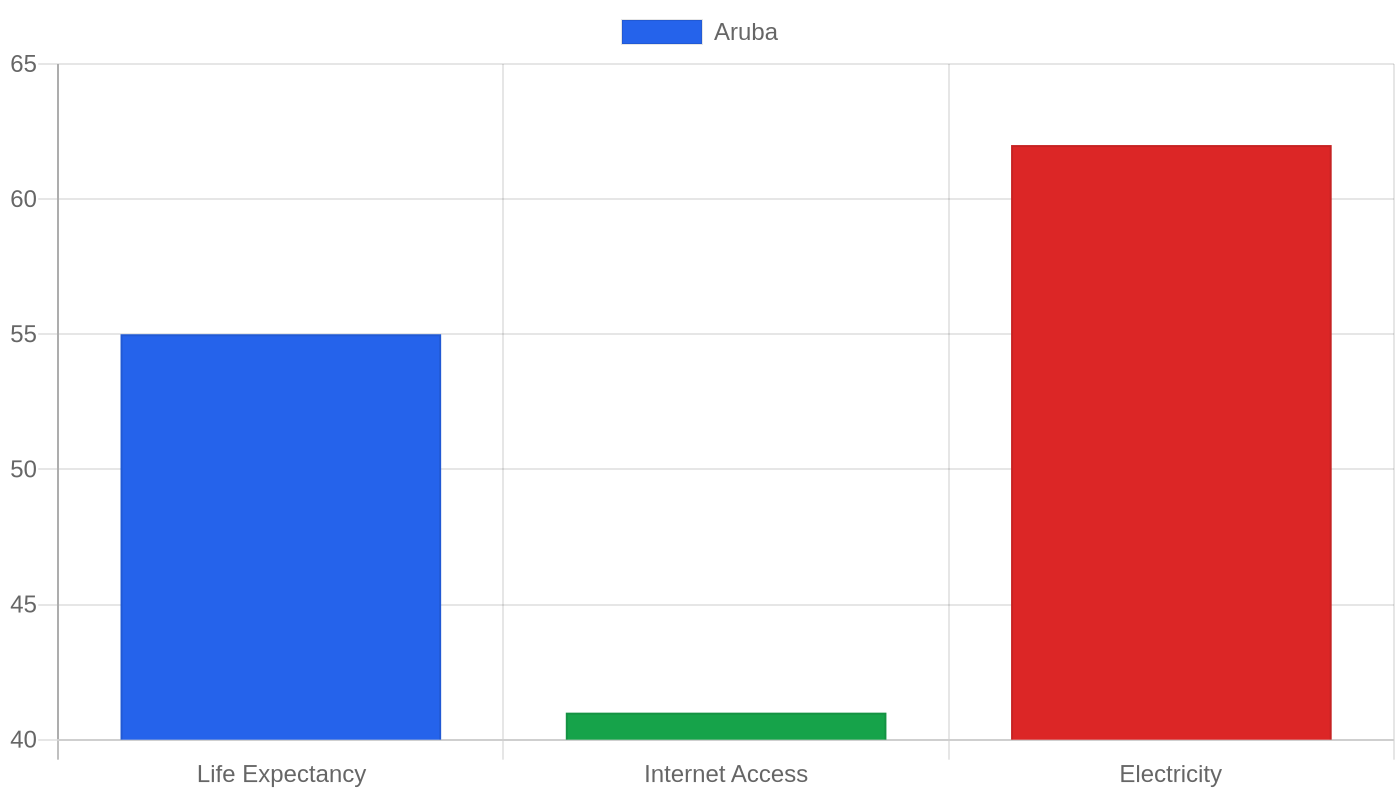
The World Bank’s data profile for Aruba presents a curious challenge: GDP growth, inflation, unemployment, and per-capita income figures are all marked as unavailable. For a senior economic journalist, this absence of hard numbers is itself a story. It speaks to the realities of small-island economies that often fall through the cracks of global statistical reporting. But the lack of data does not mean a lack of economic activity.
Aruba’s economy has long been anchored in tourism, with the island’s white-sand beaches and year-round sunshine drawing visitors from across the globe. The hospitality sector drives employment, retail, and construction, creating a web of economic activity that, while not always captured in international databases, is very much alive on the ground. The island also has a history of oil refining and transshipment, though those industries have fluctuated over the years.
What the World Bank data does not tell us directly, we can infer from Aruba’s structural position: a small, open economy highly sensitive to international travel trends, currency fluctuations, and the purchasing power of its key source markets. When global tourism dips, Aruba feels it immediately; when it surges, the island’s hotels, restaurants, and tour operators scramble to keep up.
Inflation, too, is a silent pressure point — as a net importer of food, fuel, and nearly all consumer goods, Aruba is exposed to global commodity prices in ways that larger, more diversified economies are not. The absence of official figures makes it harder for policymakers to calibrate responses, but the underlying dynamics remain unmistakable.
Housing and the Cost of Living — The Price of Paradise
Living in Aruba comes with a premium, as is the case on most small islands where nearly everything must be imported. Housing, in particular, presents a significant challenge. The island’s limited land area means real estate is scarce, and demand from both locals and expatriates keeps prices elevated. Rental markets in tourist-heavy zones tend to skew toward short-term holiday lets, which can squeeze out long-term residents seeking affordable accommodation.
For those looking to buy, the combination of high construction costs — driven by the need to import building materials — and limited supply makes homeownership a distant dream for many young Arubans. Daily expenses, from groceries to utilities, carry an import markup that residents simply have to absorb.
While regional comparisons are difficult to draw without precise data, the general pattern is clear: the cost of living in Aruba is higher than on the mainland, and the gap is most acutely felt in housing and food. The government has periodically explored policies to address affordability, but the structural constraints of island geography remain stubborn obstacles.
Investment and Business Climate — Opportunities in a Small Market
For investors, Aruba offers a stable and familiar business environment, thanks in large part to its institutional ties to the Netherlands. The legal system, administrative practices, and regulatory frameworks are all shaped by Dutch standards, providing a level of predictability that is often lacking in other Caribbean jurisdictions.
The top companies operating on the island are predominantly in tourism, hospitality, and related services — hotels, timeshare operators, car rental agencies, and food and beverage distributors. There is also a growing interest in renewable energy, as the island seeks to reduce its dependence on imported fossil fuels. Solar and wind projects have been discussed and partially implemented, though the pace of transition is slow.
The business climate benefits from a well-educated, multilingual workforce — many Arubans speak Dutch, English, Spanish, and the local language of Papiamento — which makes the island an attractive base for regional operations. However, the small size of the domestic market means that businesses must look outward, either to the Caribbean region or to the Netherlands, for growth.
Bureaucracy can be a hurdle, but the overall environment is considered investor-friendly, particularly for those already familiar with Dutch commercial practices.
Safety, Politics, and the Quality of Life
Crime and safety indices for Aruba are not currently available, but the island has a reputation for being relatively safe compared to many of its Caribbean neighbours. Violent crime is uncommon, and the main concerns for residents and visitors alike tend to be petty theft and opportunistic property crime. The political landscape is defined by Aruba’s unique status within the Kingdom of the Netherlands.
The island has internal autonomy, managing its own affairs through a 21-member Parliament and an eight-member Cabinet, while the Dutch government handles foreign affairs and defence. The governor, appointed by the monarch for a six-year term, serves as a figurehead representing the Crown. This arrangement has provided Aruba with a remarkable degree of political stability, especially when compared to other small island states that have experienced coups, constitutional crises, or prolonged periods of instability.
The quality of life on the island is generally high, with good healthcare, a strong education system, and a vibrant cultural scene shaped by the island’s diverse heritage. The sense of community is strong, and the pace of life is slower and more relaxed than in the metropolitan Netherlands.
For those who can afford it, Aruba offers a comfortable and secure lifestyle, underpinned by a political system that, while not without its debates and disagreements, functions within a well-established democratic framework.
What’s Happening Now — Navigating a Post-Pandemic World
Right now, Aruba is in a period of recalibration. The global tourism industry has rebounded from the pandemic, and the island is once again welcoming visitors in large numbers. But the rebound brings its own challenges. The pressure on infrastructure, the environment, and the housing market is mounting, and there are growing calls for a more sustainable model of tourism — one that balances economic benefits with the preservation of the island’s natural beauty and the well-being of its residents.
The political scene is active, with the Staten debating issues ranging from tax reform to diversification of the economy. There is also a renewed focus on the island’s relationship with the Netherlands, particularly around financial oversight and the terms of the partnership. The Dutch government has historically provided support during crises, but it also expects fiscal discipline and good governance in return.
As Aruba looks to the future, the key questions are these: Can the island reduce its dependence on tourism? Can it make progress on renewable energy and sustainability? And can it manage the social pressures that come with being one of the most popular destinations in the Caribbean? The answers will shape not just the economy, but the very character of Aruban society in the years to come.
The Bottom Line
Aruba is a country that defies easy categorisation — part of the Kingdom of the Netherlands, yet distinctly Caribbean in its culture and identity. For investors, it offers a stable, Dutch-influenced business environment with real opportunities in tourism, renewable energy, and services. For policymakers, it presents a case study in how small island states can navigate the tensions between autonomy and partnership, growth and sustainability.
And for the casual observer, it is a reminder that economic data, however incomplete, is only part of the story. The real picture is painted in the daily lives of the people who call this island home — and in the choices they make about the future they want to build. Those with an interest in Caribbean economics, small-state governance, or the future of tourism should keep a close eye on Aruba. The island may be small, but the lessons it offers are anything but.
Sources & Methodology
This article is authored by Economic Pulse Net for informational and research purposes. Economic Pulse Net sources its data from multilateral institutions, national statistics bureaus, and proprietary databases. All data is believed to be current as of the date of publication.
Published: August 07, 2026 | Category: Research — Aruba
Use these signals in your own platform
Economic Pulse publishes its live signal feed through a documented, read-only API. Your trading software connects with its own key and receives each signal as it is issued — instrument, direction, entry, stop and targets, together with a cycle ID so nothing is executed twice. The feed is independent of this website and cannot change it.
Signals are informational only and are not financial advice.