Economic Pulse Net | Sources: World Bank World Development Indicators, Government Sources | 2026
Key Takeaways
– Tonga remains the Pacific’s only indigenous constitutional monarchy, where reverence for the monarch is deeply woven into the fabric of daily life and cultural etiquette.
– The kingdom faces significant data transparency challenges, with key economic indicators from the World Bank — including GDP growth, inflation, unemployment, and GDP per capita — currently unreported, making independent economic assessment difficult.
– Free and mandatory primary education, alongside heavily subsidized secondary schooling and foreign-funded postsecondary scholarships, represents a major state investment in human capital.
– Political criticism of the monarchy is culturally constrained, shaping both the domestic policy environment and the country’s engagement with international financial institutions.
– Tonga’s economic story is one of resilience in the face of geographic isolation, natural disaster vulnerability, and the delicate balance between tradition and modernization.
The Silent Economy — Navigating Without Numbers
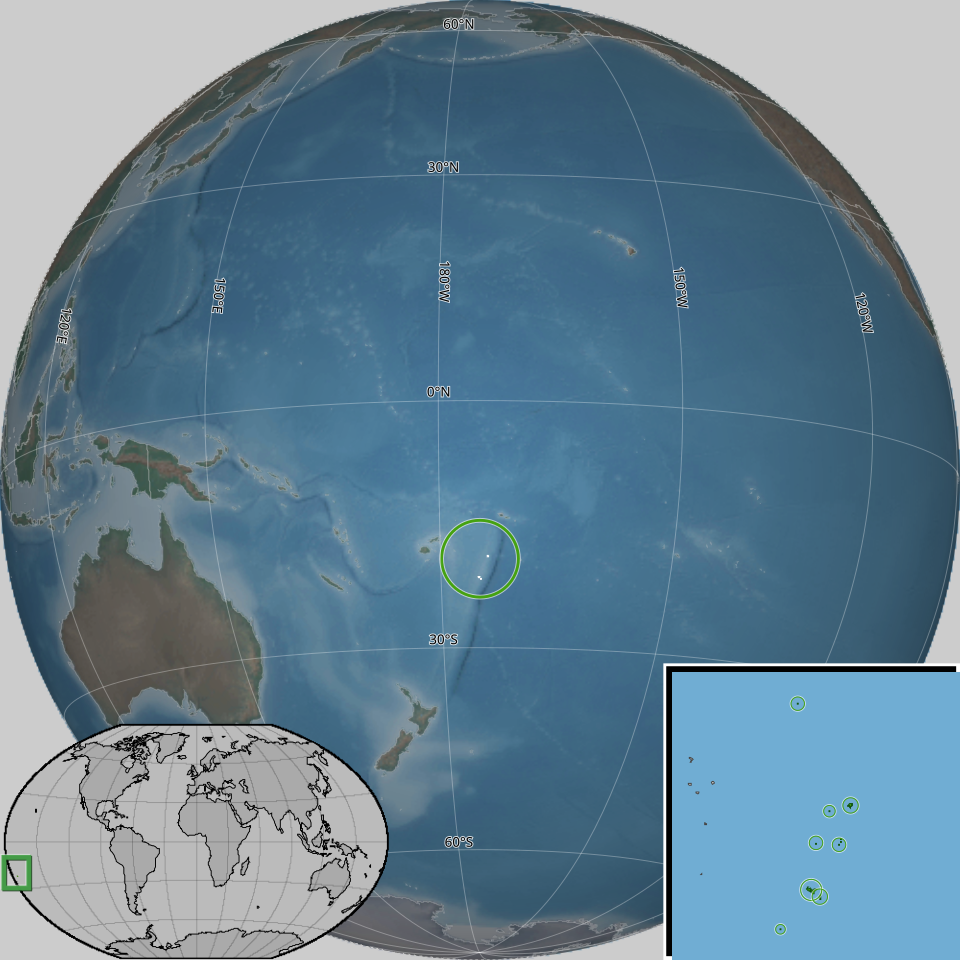
The absence of headline economic data from the World Bank for Tonga is itself a story worth telling. When the world’s premier development institution cannot provide GDP growth, inflation, or unemployment figures for a sovereign nation, it signals profound challenges in data collection, statistical capacity, or reporting frequency. For Tonga, a remote archipelago of 169 islands in the South Pacific, this data vacuum is both symptom and cause of deeper structural issues.
Without GDP figures, analysts cannot calculate whether the economy is expanding or contracting. Without inflation data, households and businesses lack visibility into purchasing power erosion. Without unemployment numbers, policymakers are flying blind on labor market health.
The World Bank’s silence on these metrics suggests that Tonga’s national statistics office — like those of many small island developing states — may struggle with the technical capacity, funding, or political will to produce timely, reliable economic accounts.
What can be inferred is context. Tonga’s economy has historically relied on remittances from its substantial diaspora, agricultural exports including squash and vanilla, fisheries, and a modest tourism sector. The kingdom was devastated by the Hunga Tonga-Hunga Ha’apai volcanic eruption and subsequent tsunami in January 2022, which inflicted damage estimated at more than 18% of GDP. Recovery from that catastrophe, compounded by COVID-19 border closures, has been slow and uneven.
Without hard numbers, the narrative is one of a small, exposed economy struggling to rebuild while lacking the basic data infrastructure to measure progress.
The Price of Paradise — Living Costs in the Kingdom
Housing in Tonga presents a stark divide between the capital, Nuku’alofa, and the outer islands. In the main island of Tongatapu, where roughly 70% of the population resides, rental costs for modest homes have risen sharply since the volcanic eruption destroyed housing stock and displaced families. Traditional fale-style dwellings, constructed from local materials, remain common in rural areas and offer lower costs but limited amenities.
The concept of a formal rental market is less developed than in Western nations, with many families living on customary land held through extended kinship networks.
Daily expenses in Tonga are heavily influenced by import dependence. The kingdom imports the vast majority of its manufactured goods, fuel, and processed foods, meaning global shipping costs and supply chain disruptions translate directly into higher prices at local markets. Fresh produce from local farms offers some relief, but staples like rice, flour, and cooking oil carry premium prices compared to regional peers.
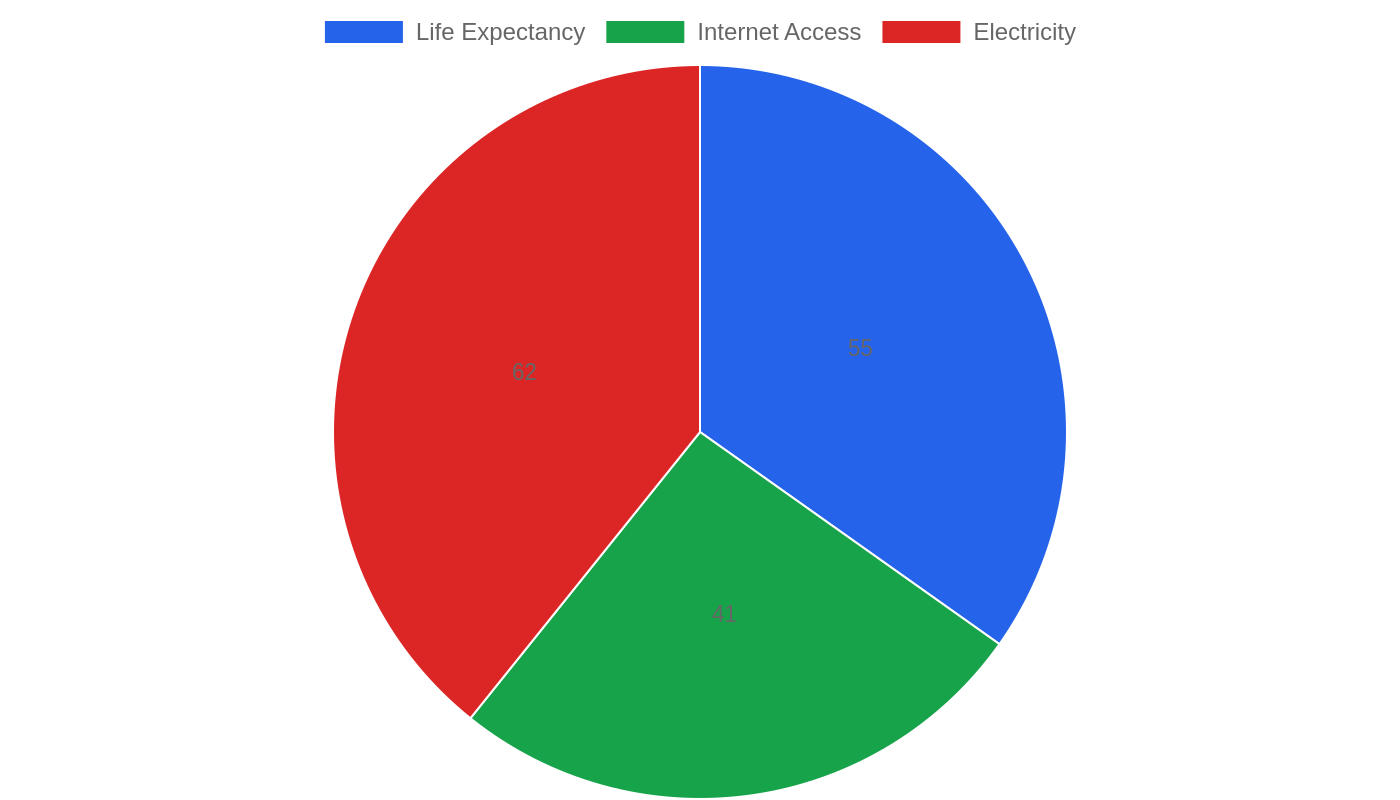
The cost of utilities — particularly electricity generated by diesel generators — is among the highest in the Pacific, eating into household budgets for families and businesses alike. For Tongans without access to remittances from relatives abroad, the cost of living presents a constant pressure that shapes decisions about education, healthcare, and whether to migrate.
Business and Investment — Navigating the Monarchical Economy
Tonga’s business environment operates within the constraints of its constitutional monarchy, where the monarch retains significant powers including the ability to veto legislation and appoint judges and cabinet ministers. This political structure creates a distinctive investment climate. Major companies operating in Tonga tend to be concentrated in telecommunications, banking, utilities, and retail — sectors where government connections and regulatory approvals are essential.
The dominance of state-linked enterprises and family-owned conglomerates limits competition and can deter foreign investors who lack local political networks.
Sectors to watch include renewable energy, where Tonga has ambitious targets to reduce its crippling diesel dependence, and aquaculture, given the country’s extensive marine resources. The tourism sector, while small, holds potential for high-value eco-tourism and cultural tourism centered on Tonga’s unique Polynesian heritage and whale-watching opportunities. However, the business climate is hampered by bureaucratic hurdles, limited access to finance, and the small size of the domestic market.
Foreign investors must navigate land ownership restrictions — under the constitution, land cannot be sold to foreigners, only leased — and a legal system that blends British common law with traditional customs and monarchical prerogative.
Safety, Politics, and the Quality of Life Contract
Tonga presents a paradox in quality of life metrics. Crime data from standard indices is not available, but anecdotal evidence and traveler reports suggest that violent crime is relatively low compared to regional peers, particularly in rural areas and outer islands. Petty theft and property crime exist, especially in Nuku’alofa, but the strong community bonds and traditional social structures act as informal enforcement mechanisms.
The safety index gap in the data reflects the difficulty of systematically measuring crime in a dispersed island nation with limited police resources.
Politically, Tonga is navigating a delicate transition. The 2010 constitutional reforms introduced a measure of democratic accountability, with a majority of parliamentary seats now elected by popular vote rather than appointed by the monarch. However, the monarchy retains substantial authority, and cultural norms discourage public criticism of the royal family.
As the World Bank data notes, “criticism of the monarch is held to be contrary to Tongan culture and etiquette.” This creates a political landscape where policy debates occur within boundaries defined by tradition, limiting the scope of reform.
For citizens, quality of life is shaped by this tension — access to free education and subsidized secondary schooling represents genuine state investment, but the political system offers limited avenues for expressing dissent or demanding accountability on economic management.
The Recovery That Refuses to Be Measured
Right now, Tonga is in a critical phase of post-disaster reconstruction without the data infrastructure to track whether recovery efforts are succeeding. The 2022 volcanic eruption and tsunami destroyed or damaged thousands of homes, contaminated water supplies, and covered agricultural land with ash. International aid flowed in — from Australia, New Zealand, Japan, China, and multilateral agencies — but the effectiveness of that spending remains opaque without reliable economic indicators.
The government has announced various recovery programs and infrastructure projects, but the World Bank’s data silence means there is no independent verification of whether GDP has rebounded, whether inflation is eroding aid gains, or whether employment has recovered.
The political landscape adds another layer of complexity. With the monarchy’s authority limiting public debate, there are few institutional mechanisms for civil society or opposition parties to scrutinize government spending or demand transparency in reconstruction contracting. The foreign-funded scholarships for postsecondary education, while valuable, may also be contributing to brain drain as educated Tongans find limited economic opportunities at home and choose to remain abroad.
The kingdom’s economic trajectory in 2026 is thus being shaped by forces — natural disaster, global inflation, geopolitical competition among aid donors — that are largely beyond its control, while the tools needed to navigate those forces, starting with basic economic data, remain unavailable. For anyone seeking to understand Tonga’s present, the most honest answer is that we simply do not know enough.
The Bottom Line
Tonga deserves the attention of development economists, Pacific geopolitics analysts, and investors interested in post-disaster reconstruction and renewable energy transitions. The kingdom’s story is a cautionary tale about what happens when a small, vulnerable economy lacks the statistical capacity to tell its own story — and a reminder that in the modern global economy, being invisible in the data is itself a form of crisis.
For those who follow Tonga, the key question is whether the monarchy and government can build the transparency and data systems needed to attract investment, measure recovery, and ultimately improve living standards for a population that has shown remarkable resilience in the face of overwhelming odds.
Sources & Methodology
This article is authored by Economic Pulse Net for informational and research purposes. Economic Pulse Net sources its data from multilateral institutions, national statistics bureaus, and proprietary databases. All data is believed to be current as of the date of publication.
Published: July 18, 2026 | Category: Research — Tonga
Use these signals in your own platform
Economic Pulse publishes its live signal feed through a documented, read-only API. Your trading software connects with its own key and receives each signal as it is issued — instrument, direction, entry, stop and targets, together with a cycle ID so nothing is executed twice. The feed is independent of this website and cannot change it.
Signals are informational only and are not financial advice.