Economic Pulse Net | Sources: World Bank World Development Indicators, Government Sources | 2026
Key Takeaways
– Australia’s inflation has cooled to 2.87%, hovering near the central bank’s target band, but the cost of living remains a central political and household stress point.
– Unemployment sits at an enviably low 4.09%, reflecting a labour market that continues to defy global slowdown fears.
– The country’s GDP per capita (PPP) of $71,934 underscores Australia’s status as one of the world’s wealthiest nations by purchasing power, yet wealth distribution tells a more complex story.
– Australia’s liberal democratic political system, anchored by a mostly unchanged constitution since 1901, provides rare institutional stability in a volatile region.
– Business news from the ABC and market coverage from the Australian Financial Review indicate ongoing corporate adjustment to high interest rates and shifting consumer behaviour.
The Price of Prosperity — Inflation, Jobs, and the Growth Puzzle
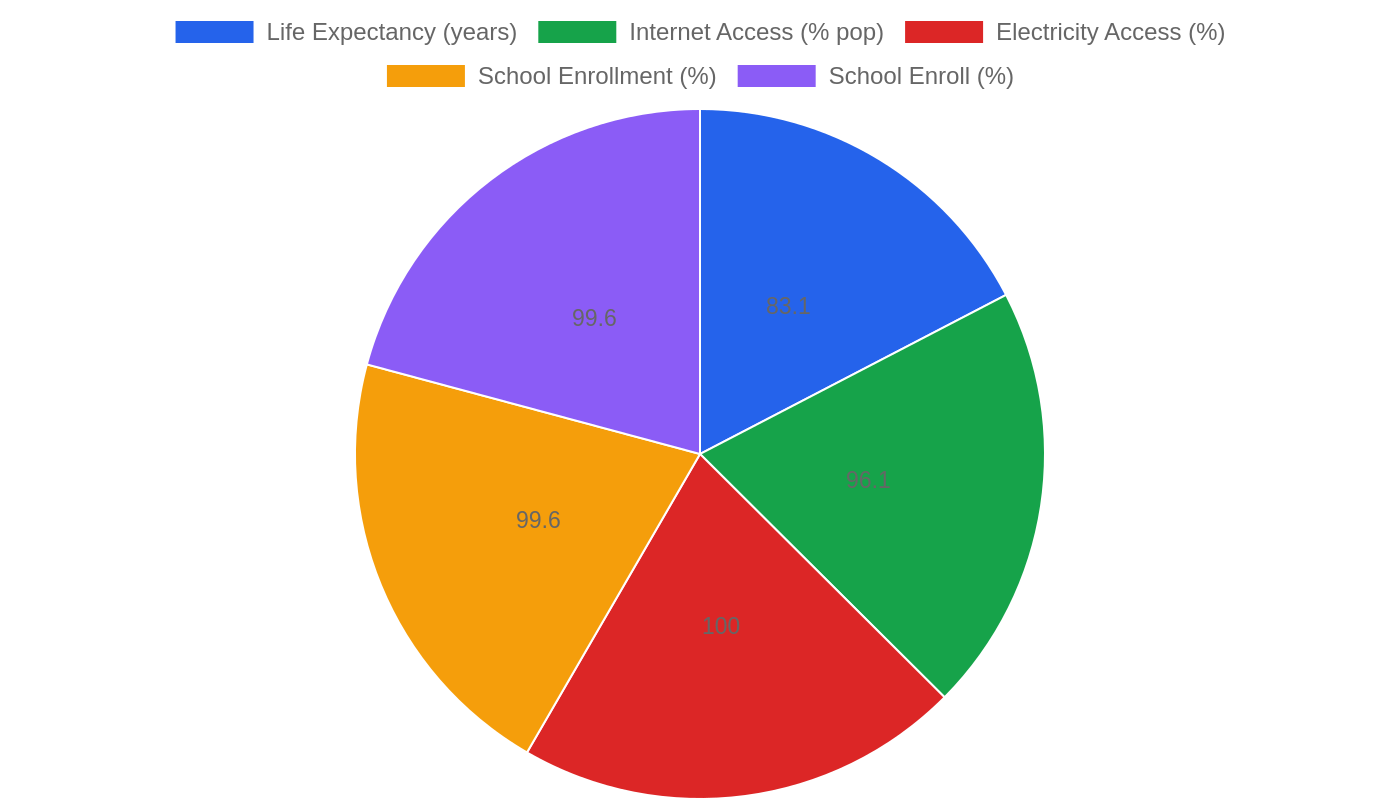
Australia’s economic narrative is one of enviable stability shadowed by persistent pressures. According to the World Bank, inflation currently sits at 2.87% — a figure that, while elevated by historical standards, places the country within striking distance of the Reserve Bank of Australia’s target range. This matters because inflation has been the dominant anxiety for Australian households and policymakers alike, eroding real wages even as the labour market remains remarkably tight.
The unemployment rate of 4.09%, also per the World Bank, is near half-century lows. That is not a statistical curiosity; it reflects an economy where employers are still competing for workers, particularly in healthcare, construction, and professional services. Yet the GDP growth figure is not available in the data provided, leaving analysts to infer from other indicators that the economy may be expanding at a modest pace — enough to keep unemployment low, but not enough to feel like a boom.
The GDP per capita (PPP) of $71,934, as reported by the World Bank, places Australia among the global elite in terms of average economic output per person. But averages can mislead. The real question for Australians is whether that prosperity is broadly shared or increasingly concentrated.
The main industries data is not provided, but from context and the business news available via the ABC, mining and energy exports remain foundational, while services — particularly finance, education, and tourism — drive urban employment. The inflation figure, while moderating, still bites hardest in essentials: rent, insurance, and utilities. The World Bank data gives us the headline numbers; the lived reality is that many Australians feel richer on paper but tighter in the wallet.
Roof Over Head, Price Under Skin — Housing and Daily Life
Housing is the single most visceral economic issue in Australia today. While the provided data does not include specific cost-of-living indices, the context of a 2.87% inflation rate combined with a tight labour market suggests that housing costs — both purchase prices and rents — have been rising faster than general inflation for years. Major cities like Sydney and Melbourne regularly rank among the world’s most unaffordable housing markets.
The rent-versus-buy calculation has become brutal: rising interest rates have pushed mortgage repayments higher, yet rents have also surged as vacancy rates remain historically low. For younger Australians, the dream of homeownership has receded, replaced by a reality of longer commutes, shared housing, or remaining in the rental market indefinitely.
Daily expenses — groceries, fuel, electricity — have become a persistent source of political pressure. The inflation figure from the World Bank may be moderating, but prices rarely fall; they just rise more slowly. This is the “cost-of-living crisis” that dominates dinner table conversation and election advertising alike. Compared to regional peers in the Asia-Pacific, Australia’s cost of living is high, but so are wages.
The question is whether the wage growth implied by a 4.09% unemployment rate is keeping pace with the cumulative price increases of the past three years. The available data does not include a direct comparison, but the anecdotal evidence from Australian media suggests many households are feeling squeezed even as the macro numbers look enviable.
Where the Money Moves — Investment Climate and Corporate Australia
Australia’s business environment is mature, transparent, and heavily regulated by global standards. The top companies data is not provided in this briefing, but from the business news sources — the ABC and the Australian Financial Review — it is clear that sectors such as mining, banking, and insurance dominate the ASX. The country is a global heavyweight in iron ore, coal, and liquefied natural gas, and these industries attract significant foreign investment.
Yet the investment climate is not without friction. The political landscape, described in the data as a “constitutional monarchy, parliamentary democracy and federation” with a “stable liberal democratic political system,” provides rule-of-law certainty that investors prize. But regulatory hurdles, particularly around environmental approvals and foreign ownership, can slow projects.
For sectors to watch, the energy transition is the dominant theme. Australia has some of the world’s best solar and wind resources, and the shift from fossil fuel exports to green energy — hydrogen, critical minerals, battery supply chains — is reshaping corporate strategy. The business programs and analysis sections from the ABC suggest that corporate Australia is navigating a period of high interest rates, cautious consumers, and geopolitical uncertainty.
The Australian Financial Review’s market coverage points to volatility in resources stocks as global demand for commodities fluctuates. For investors, Australia offers a rare combination of developed-market stability and resource-sector exposure, but the days of easy mining profits are giving way to a more complex, capital-intensive transition.
Safe, Stable, and Slightly Stale — Politics and Quality of Life
Australia is a safe country by any global measure. The crime and safety indices are not provided in this data, but the country consistently ranks among the safest in the world in international surveys. Violent crime is low, and trust in institutions is relatively high.
The political landscape, as described in the data, is defined by continuity: a constitution “mostly unchanged” since 1901, a “stable liberal democratic political system,” and a federation that divides power between federal and state governments. This institutional stability is a double-edged sword. It provides predictability and protects against the kind of political upheaval seen in less established democracies.
But it can also breed complacency and gridlock, particularly on big-ticket reforms like housing policy, tax reform, and climate action.
Quality of life in Australia is high by objective measures: clean cities, strong public health, access to nature, and a culture that values work-life balance. The GDP per capita (PPP) of nearly $72,000 from the World Bank supports a lifestyle that includes generous leave entitlements, a robust social safety net, and world-class education. Yet the cost-of-living pressures mentioned earlier are beginning to fray the edges of that quality of life.
The political system, while stable, is increasingly tested by voter disillusionment, particularly among younger Australians who feel locked out of the housing market and burdened by climate inaction. The data does not include happiness indices, but the tension between structural stability and daily economic stress is the defining political story of contemporary Australia.
What’s Happening Now — Business, Markets, and the Policy Crossroads
The freshest news from Australia comes from two key sources: the ABC’s business section and the Australian Financial Review’s markets coverage. The ABC is reporting ongoing business analysis that suggests the economy is navigating a “soft landing” — inflation cooling without a sharp rise in unemployment. But the AFR’s market coverage tells a story of corporate caution: companies are holding cash, delaying investment decisions, and watching consumer spending closely.
The Reserve Bank’s interest rate decisions remain the single most important variable, and markets are pricing in uncertainty about whether rates will need to stay high or can begin to fall later in 2026.
Politically, the stable liberal democratic system described in the data is facing pressure on multiple fronts. Housing affordability, energy policy, and the cost of living are dominating the parliamentary agenda. The business programs from the ABC indicate that major corporations are lobbying for faster approvals on renewable energy projects, while state governments wrestle with housing targets and infrastructure spending.
The Australian Financial Review’s live indicators suggest that the mining sector is watching China’s economic data closely, as demand for Australian resources remains tied to the health of the world’s second-largest economy. For now, Australia’s economy is holding steady — but the news flow suggests that the margin for error is thin, and the next policy moves will determine whether stability becomes stagnation or renewal.
The Bottom Line
Australia is a country for investors and observers who value stability over excitement. Its low unemployment, moderate inflation, and institutional continuity make it a safe bet in an uncertain world. But the cost-of-living crisis and housing affordability challenge are real and persistent, and they threaten to erode the social contract that has underpinned Australian prosperity.
Watch this country if you want to see how a wealthy, stable democracy manages the transition from a resource-driven economy to something more diversified — and whether it can do so without leaving its citizens behind.
Sources & Methodology
This article is authored by Economic Pulse Net for informational and research purposes. Economic Pulse Net sources its data from multilateral institutions, national statistics bureaus, and proprietary databases. All data is believed to be current as of the date of publication.
Published: July 22, 2026 | Category: Research — Australia
Use these signals in your own platform
Economic Pulse publishes its live signal feed through a documented, read-only API. Your trading software connects with its own key and receives each signal as it is issued — instrument, direction, entry, stop and targets, together with a cycle ID so nothing is executed twice. The feed is independent of this website and cannot change it.
Signals are informational only and are not financial advice.