Economic Pulse Net | Sources: World Bank World Development Indicators, Government Sources | 2026
Key Takeaways
– Bermuda remains a premier global financial hub, with the Bermuda Monetary Authority and major banks like Butterfield anchoring a sophisticated services economy.
– As a British Overseas Territory, the island’s political stability is guaranteed by the Crown, but governance dynamics hinge on the appointed governor and local administration.
– The economy relies heavily on international business, insurance, and reinsurance, with companies like Bacardi, Brookfield Infrastructure Partners, and Fidelity International maintaining significant operations.
– Cost of living pressures are a persistent concern for residents, though specific inflation and housing data remain limited in public reporting.
– Recent political transitions, including the January 2025 swearing-in of Governor Andrew Murdoch, signal continuity in Bermuda’s unique constitutional arrangement.
The Numbers Game — A Services Economy Built on Trust
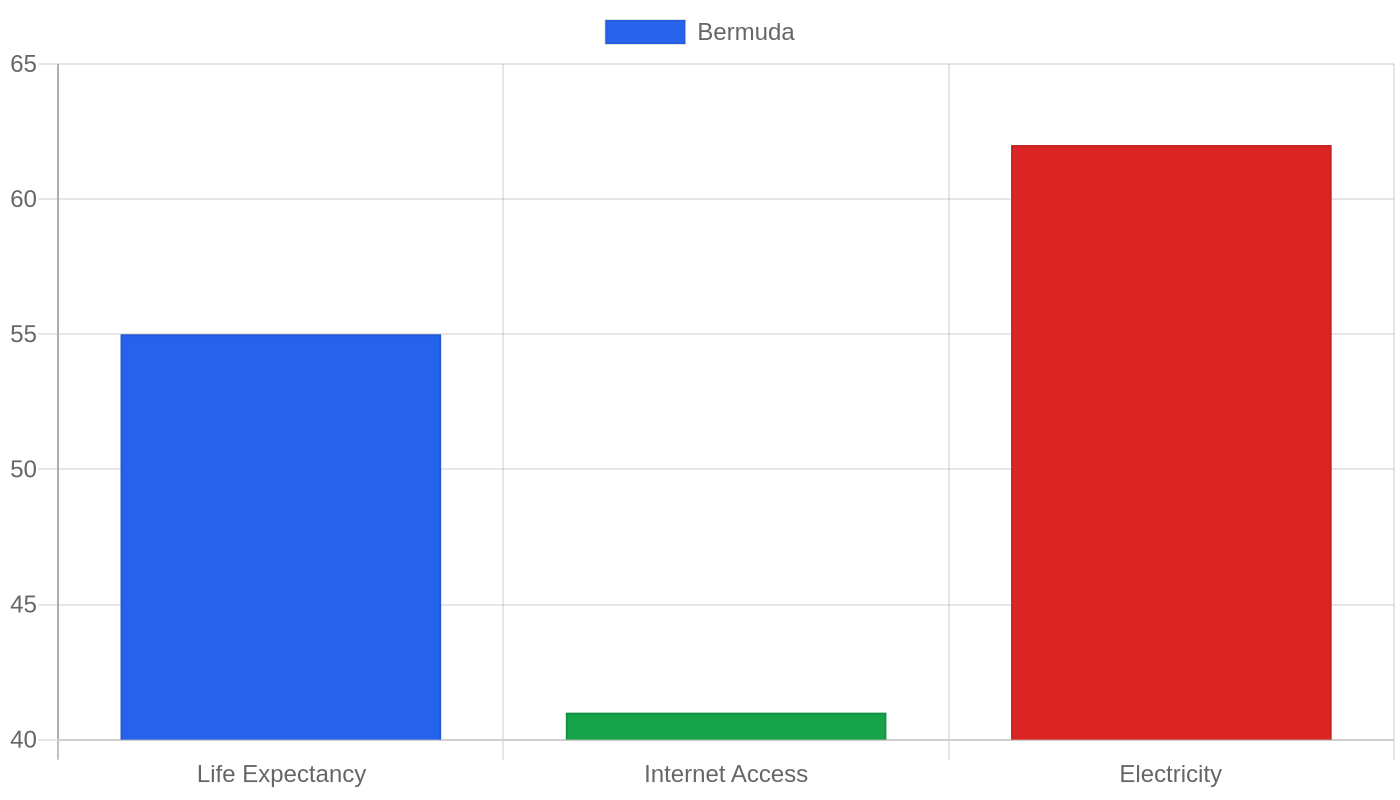
Bermuda’s economic story is not told through conventional growth metrics. The World Bank data provides no current figures for GDP growth, inflation, unemployment, or GDP per capita — a reflection of the island’s unique status as a wealthy, small, and highly specialised offshore jurisdiction. What matters here is not the volume of domestic production but the quality and scale of financial services flowing through this Atlantic outpost.
The economy is dominated by international business, particularly insurance and reinsurance. Bermuda is the world’s third-largest reinsurance market, and the presence of the Bermuda Monetary Authority — the island’s financial regulator — underscores the seriousness with which this sector is treated. The list of top companies reads like a who’s who of global finance: Butterfield Bank, Catlin Group, Fidelity International, and Brookfield Infrastructure Partners all call Bermuda home.
Bacardi, the spirits giant, adds a consumer goods dimension to an otherwise financialised economy.
Employment is overwhelmingly concentrated in services, with a highly educated workforce supporting legal, accounting, and compliance functions for multinational corporations. The absence of a corporate income tax is the island’s primary draw, but it also creates a vulnerability: Bermuda must constantly justify its regulatory standards to international bodies. The economy is not about making things — it’s about managing risk, capital, and reputation.
That makes trust the island’s most valuable currency.
The Price of Paradise — Housing and Daily Life in a High-Cost Jurisdiction
Living in Bermuda comes with a premium. The island imports nearly everything — food, fuel, building materials, consumer goods — which drives up the cost of daily life well above regional averages. While specific cost-of-living indices are not available from the provided data, anecdotal evidence and historical reporting consistently place Bermuda among the most expensive places to live in the Western Hemisphere.
Housing is the biggest burden. With limited land and strict development controls, both renting and buying carry eye-watering price tags. Many Bermudians working in tourism, retail, or domestic services struggle to afford accommodation, while expatriate professionals in the financial sector often receive housing allowances as part of their compensation packages.
The divide between the international business community and local residents is not just economic — it is spatial, with certain parishes and neighbourhoods effectively reserved for high earners.
Rent versus buy calculations are heavily skewed by land scarcity. Owning property is restricted for non-Bermudians, with strict rules on who can purchase land and what type of property they can acquire. This creates a two-tier market: a high-end luxury segment for foreign buyers and a constrained, expensive local market for Bermudians.
Daily expenses — from groceries to utilities to transportation — compound the pressure, making Bermuda a place where a comfortable middle-class lifestyle requires a six-figure income.
Banking on Stability — Investment Climate and Corporate Appeal
For global investors, Bermuda is not a place you visit — it is a place you book through. The island’s business climate is built on four pillars: zero corporate taxation, political stability as a British Overseas Territory, a robust regulatory framework overseen by the Bermuda Monetary Authority, and deep pools of capital in insurance and reinsurance.
The presence of Frontline Ltd., Golden Ocean Group, and Genpact — spanning industrials and logistics — shows that the island’s appeal extends beyond pure finance.
Sectors to watch include captive insurance, fintech, and asset management. Bermuda has been proactive in regulating digital assets and blockchain-based insurance products, positioning itself as a forward-thinking jurisdiction. The Bermuda Monetary Authority is widely respected for its rigorous but pragmatic approach, which gives investors confidence that the island will not become a regulatory pariah.
The business environment is professional, English-speaking, and time-zone friendly for both North American and European markets. However, the cost of doing business is high — office space, salaries, and professional services are all expensive. Companies based in Bermuda typically maintain a small physical presence while generating large revenues through intellectual property, risk management, and holding structures.
The challenge for the island is to remain competitive as other jurisdictions — including the European Union and OECD members — tighten rules on tax havens and beneficial ownership transparency.
The Crown and the Colony — Politics, Safety, and Quality of Life
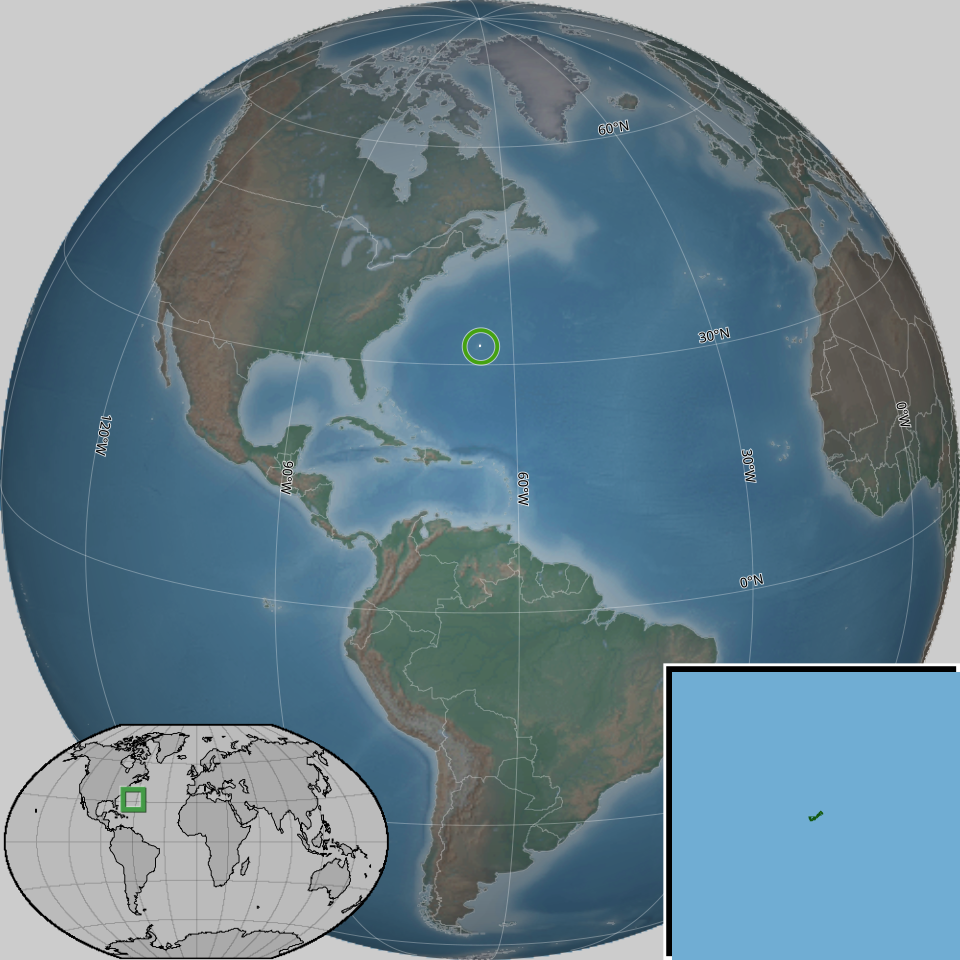
Bermuda is a British Overseas Territory, which means ultimate sovereign authority rests with the United Kingdom. Executive power is vested in the British monarch — currently King Charles III — and exercised locally by a governor appointed by the Crown. As of January 2025, that governor is Andrew Murdoch, who was sworn in on 23 January. Deputy Governor Tom Oppenheim supports him in this role.
This constitutional arrangement provides a layer of political stability that many small island states lack. Bermuda does not face the risk of coups, debt defaults, or regional instability. However, it also means that key decisions — including foreign affairs, defence, and ultimately constitutional change — rest in London. Local politicians manage domestic affairs, but the governor retains significant reserve powers.
Safety is a strong point. While no specific crime index data is provided, Bermuda is widely regarded as a safe destination for both residents and visitors. Violent crime is rare, and the island’s small population — though exact figures are not available — fosters a community-oriented atmosphere. Quality of life is high for those who can afford it: clean air, ocean access, a mild subtropical climate, and good healthcare and education facilities.
The trade-off is isolation — Bermuda is a two-hour flight from the US East Coast, but it is still an island, and that remoteness shapes everything from supply chains to social life.
A New Governor, Old Challenges — What’s Happening Now in Bermuda
The most significant recent development in Bermuda’s political landscape is the arrival of Governor Andrew Murdoch. Sworn in on 23 January 2025, Murdoch steps into a role that balances ceremonial duties with real executive authority. His appointment signals continuity in Bermuda’s relationship with the United Kingdom, but it also comes at a time when offshore financial centres face increasing scrutiny from international regulators.
Domestically, the cost of living remains the dominant political issue. While no current inflation data is available, the global price shocks of recent years have hit import-dependent Bermuda hard. The government has faced pressure to address housing affordability, wage stagnation, and the gap between the international business sector and the local economy.
There have been discussions about diversifying the economy beyond finance and insurance, including expanding the tourism sector and supporting tech startups, but progress has been slow.
On the business front, Bermuda continues to attract new reinsurance and insurance-linked securities vehicles. The island’s regulatory framework, overseen by the Bermuda Monetary Authority, is seen as a model for other small financial centres. However, the European Union’s blacklisting of certain jurisdictions and ongoing OECD negotiations on minimum corporate tax rates mean that Bermuda must constantly defend its status.
The coming months will test whether the island can maintain its competitive edge while meeting international transparency standards.
The Bottom Line
Bermuda is not a country for the casual observer — it is a specialised financial ecosystem that punches far above its weight. Investors and corporations seeking a stable, tax-efficient jurisdiction with world-class regulatory oversight will continue to find it attractive. For residents, the island offers a high quality of life at a high cost, with political stability guaranteed by the Crown but economic pressures mounting.
Watch Bermuda for signals on how small offshore centres navigate the tightening web of global tax regulation — the island’s success or struggle will be a bellwether for the entire industry.
Sources & Methodology
This article is authored by Economic Pulse Net for informational and research purposes. Economic Pulse Net sources its data from multilateral institutions, national statistics bureaus, and proprietary databases. All data is believed to be current as of the date of publication.
Published: July 18, 2026 | Category: Research — Bermuda
Use these signals in your own platform
Economic Pulse publishes its live signal feed through a documented, read-only API. Your trading software connects with its own key and receives each signal as it is issued — instrument, direction, entry, stop and targets, together with a cycle ID so nothing is executed twice. The feed is independent of this website and cannot change it.
Signals are informational only and are not financial advice.