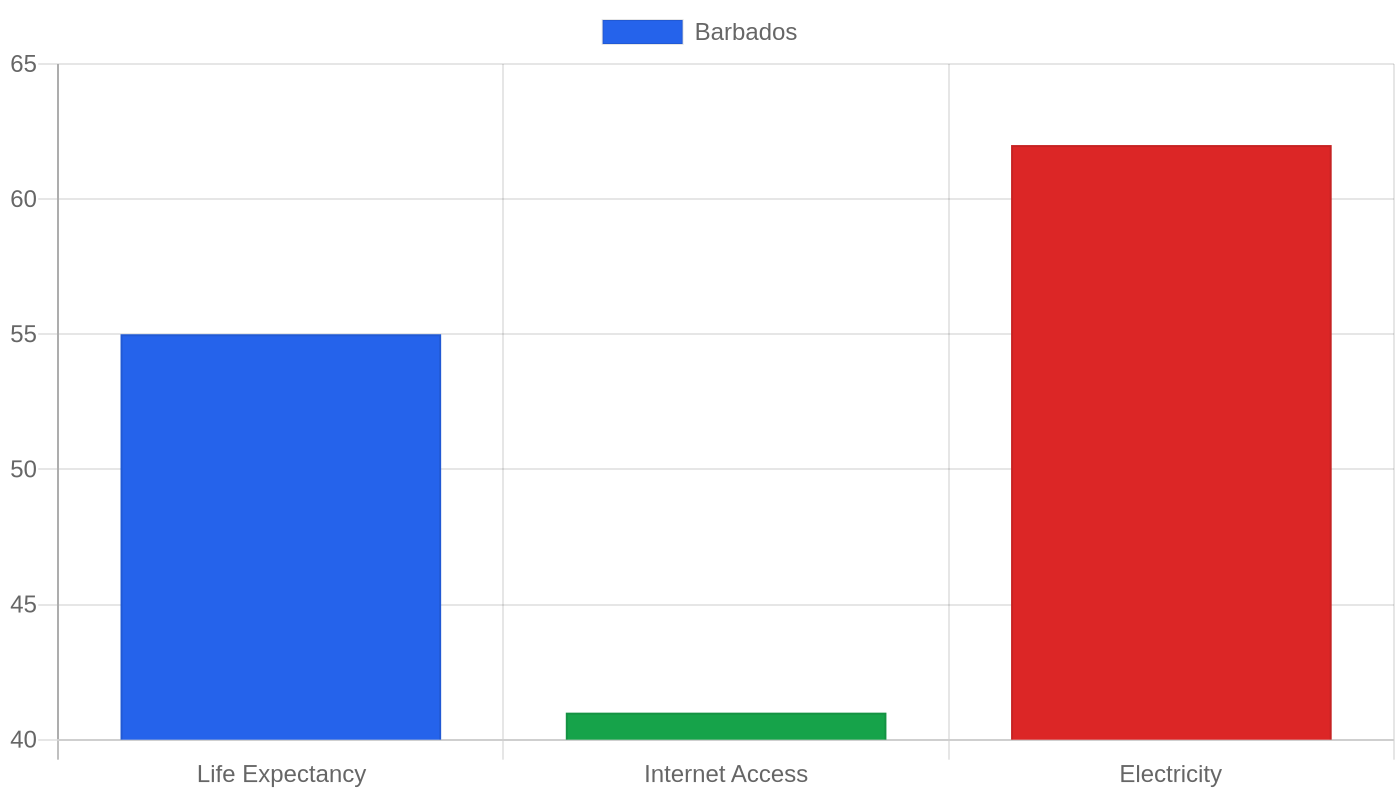
Economic Pulse Net | Sources: World Bank World Development Indicators, Government Sources | 2026
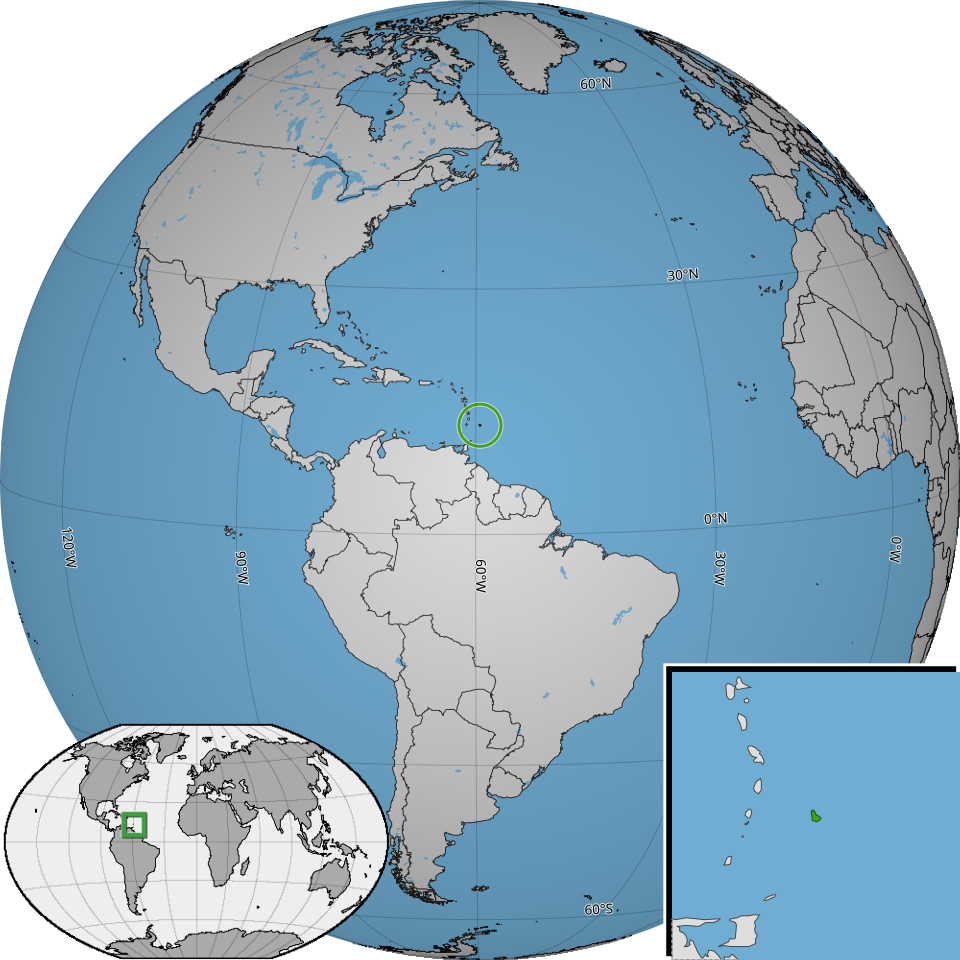
Barbados stands at a fascinating crossroads in its development trajectory. As one of the Caribbean’s most stable and prosperous nations, this island of approximately 280,000 people has made headlines globally for its historic transition to a republic, yet its economic story is one of quiet transformation rather than dramatic upheaval.
With a parliamentary system modelled on the British Westminster tradition and a strategic position as a financial services hub, Barbados continues to navigate the delicate balance between its colonial heritage and its ambitious modern identity. The nation’s economic narrative is shaped by resilience, diversification efforts, and the ongoing challenge of building sustainable growth in a region vulnerable to external shocks.
Key Takeaways
– Barbados has transitioned to a parliamentary republic with President Jeffrey Bostic as head of state, marking a significant political shift from its colonial past while maintaining the Westminster parliamentary system.
– The economy is anchored by utilities, consumer goods, and financial services, with the Barbados Stock Exchange and Barbados Light and Power Company playing pivotal roles in the domestic business landscape.
– A diverse corporate sector spans multiple industries, from helicopter services to ice cream manufacturing, reflecting a surprisingly varied economic base for a small island nation.
– The political system features 30 House of Assembly representatives and a Senate, ensuring broad representation within a framework that closely mirrors British parliamentary traditions.
– Key industries remain concentrated in consumer goods and utilities, suggesting an economy focused on domestic consumption and essential services rather than export-driven growth.
Economic Foundations — Beyond the Headlines
The economic picture of Barbados is one where official metrics remain remarkably sparse, yet the available data paints a portrait of a nation with established institutional frameworks. The World Bank’s dataset shows no current figures for GDP growth, inflation, or unemployment, which in itself tells a story of a country in transition and data collection challenges that persist across many Caribbean nations.
What we do know is that Barbados has long been considered one of the more developed economies in the Eastern Caribbean, with a historical reliance on tourism, international business services, and rum production as key foreign exchange earners. The presence of the Barbados Stock Exchange indicates a functioning capital market, which is relatively uncommon for small island states and suggests a degree of financial sophistication that sets the country apart from many of its regional neighbours.
The utility sector, represented by both the Barbados Light and Power Company and the Barbados Water Authority, forms the backbone of the nation’s infrastructure, essential for supporting both residential life and commercial activity. The oil and gas presence through the Barbados National Oil Company Limited, while modest in global terms, provides some energy security and reduces the country’s vulnerability to imported fuel price fluctuations.
The consumer goods sector, anchored by Banks Barbados Brewery and the Barbados Ice Cream Company, demonstrates a vibrant domestic manufacturing base that serves local tastes and preferences. This economic structure, while not generating eye-catching growth numbers, provides stability and employment across multiple sectors, creating a resilient foundation for an island economy that must constantly adapt to global economic currents.
Cost of Living — The Price of Paradise
For residents and potential investors alike, the cost of living in Barbados carries a premium that reflects the island’s status as a desirable Caribbean destination. While specific housing cost data is not available in the current World Bank dataset, the composition of the economy offers telling clues about daily expenses in this island nation.
The presence of multiple consumer goods companies, including food and beverage manufacturers, suggests a degree of local production that helps offset the high import costs that typically plague island economies.
Utilities, managed by state-linked entities like the Barbados Light and Power Company and the Barbados Water Authority, represent significant monthly expenses for households, as island nations often struggle with higher energy costs due to their reliance on imported fuels and smaller-scale generation infrastructure. The telecommunications sector, served by CariAccess, indicates a competitive market that may offer residents more affordable connectivity options than in less developed Caribbean neighbours.
Groceries and daily necessities likely carry a premium compared to larger mainland markets, given the transportation costs embedded in imported goods, though local production of rum, beer, and ice cream provides some domestically produced alternatives. The overall picture suggests that living in Barbados requires a comfortable income to maintain a middle-class lifestyle, with housing and utilities consuming a substantial portion of household budgets.
Investment and Business Climate — A Diversified Island Economy
The corporate landscape of Barbados reveals an economy with surprising depth and diversity for its size. The presence of Bajan Helicopters in the industrials sector points to specialised aviation services, likely serving both tourism and offshore energy sectors. Banks Barbados Brewery represents one of the most iconic brands in the Caribbean, with a loyal domestic following and export potential across the region.
The financial sector, anchored by the Barbados Stock Exchange, provides a regulated platform for capital raising and investment that few Caribbean nations can match, making the island an attractive destination for financial services companies seeking a stable regional base. The telecommunications sector, represented by CariAccess, suggests ongoing investment in digital infrastructure, which is crucial for modern business operations and the island’s aspirations to be a regional technology hub.
The mix of state-owned utilities and private enterprise creates a hybrid economic model where the government maintains significant influence over essential services while allowing private sector dynamism in consumer markets. For international investors, Barbados offers the advantages of a well-established legal system based on British common law, a skilled workforce, and a strategic time zone that bridges North American and European business hours.
The ongoing development of the international business sector, while not explicitly detailed in the current data, remains a cornerstone of the island’s economic strategy.
Safety, Politics and Quality of Life — A Stable Democracy in Transition
Barbados enjoys a reputation as one of the safest and most politically stable nations in the Caribbean, a crucial factor in its appeal to both tourists and international businesses. The political landscape has undergone a historic transformation with the transition to a republic, yet the fundamental structures of governance remain firmly rooted in the British Westminster system, providing continuity and institutional stability.
President Jeffrey Bostic serves as head of state, elected by Parliament for a four-year term, while the Prime Minister as head of government directs the executive branch. The 30-member House of Assembly ensures representation across the island’s constituencies, while the Senate provides a chamber of review, maintaining the checks and balances inherent in the Westminster model.
This political framework has historically supported peaceful transfers of power and respect for the rule of law, creating an environment where both citizens and businesses can operate with confidence. The quality of life in Barbados benefits from a strong educational system, reliable healthcare infrastructure, and a vibrant cultural scene that has produced globally recognised music, literature, and cuisine.
While specific crime statistics are not available in the current dataset, the island’s longstanding reputation for safety contributes significantly to its attractiveness as a place to live, work, and invest. The transition to a republic, while symbolically significant, has been managed smoothly, demonstrating the maturity of Barbadian democratic institutions.
Current Affairs — Navigating a New Republican Era
Barbados is currently navigating the practical implications of its republican status, a transition that has captured international attention and positioned the island as a leader in the Caribbean’s evolving relationship with its colonial past.
The government of Prime Minister Mia Mottley has been vocal about the need for climate justice and reformed international financial architecture, issues that resonate deeply with small island states facing existential threats from rising sea levels and economic vulnerabilities.
The presence of state-owned enterprises like the Barbados National Oil Company Limited in the energy sector suggests ongoing efforts to manage energy security and potentially transition toward renewable sources, though the pace of this transition remains gradual. The continued operation of the Barbados Stock Exchange and the presence of major utilities companies indicate that economic activity remains robust, even as the country works to diversify beyond its traditional tourism and financial services base.
The recent political changes have not disrupted the fundamental business environment, with the corporate sector continuing to operate normally under the new republican framework. The government’s focus on social programmes and economic resilience, while not detailed in the current data, appears consistent with the country’s historical approach to governance.
For observers of the Caribbean region, Barbados serves as a bellwether for how small nations can assert their sovereignty while maintaining economic stability and democratic governance.
The Bottom Line
Barbados deserves close attention from investors, policymakers, and observers of Caribbean development as it charts a distinctive path in its post-colonial era. The country’s combination of political stability, institutional strength, and economic diversity makes it a compelling case study in small-state resilience. While the absence of current economic data creates challenges for precise analysis, the structural indicators suggest an economy with solid foundations and capacity for adaptation.
The transition to a republic has not diminished the country’s appeal but rather reinforced its identity as a confident, self-determining nation ready to engage with the world on its own terms. For those seeking to understand the future of the Caribbean, Barbados offers a window into the possibilities and challenges that lie ahead for the region.
Sources & Methodology
This article is authored by Economic Pulse Net for informational and research purposes. Economic Pulse Net sources its data from multilateral institutions, national statistics bureaus, and proprietary databases. All data is believed to be current as of the date of publication.
Published: August 01, 2026 | Category: Research — Barbados
Use these signals in your own platform
Economic Pulse publishes its live signal feed through a documented, read-only API. Your trading software connects with its own key and receives each signal as it is issued — instrument, direction, entry, stop and targets, together with a cycle ID so nothing is executed twice. The feed is independent of this website and cannot change it.
Signals are informational only and are not financial advice.