Economic Pulse Net | Sources: World Bank World Development Indicators, Government Sources | 2026
Key Takeaways
– The Bahamas remains one of the most politically stable nations in the Caribbean, operating as a parliamentary constitutional monarchy under King Charles III, with a governor-general serving as the local head of state.
– Political and legal traditions closely follow the Westminster system, providing a familiar framework for investors and international partners, though postcolonial economic challenges persist.
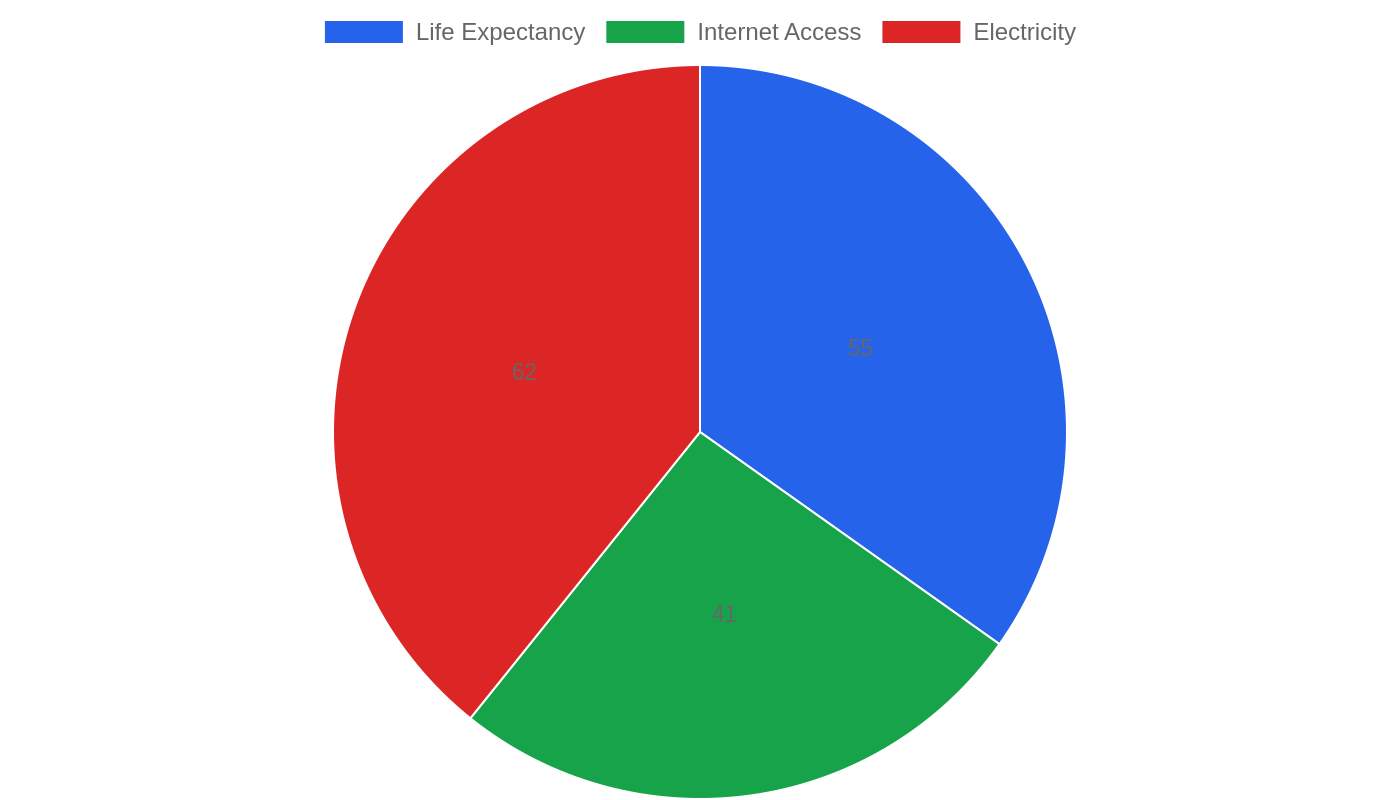
– The country’s economy faces significant data transparency gaps, with the World Bank reporting no current figures for GDP growth, inflation, unemployment, or GDP per capita — a notable challenge for analysts and policymakers.
– Crime and safety indices are also unreported, making it difficult to assess one of the most critical factors for tourism-dependent economies.
– Despite these data limitations, the Bahamas continues to grapple with economic diversification and postcolonial governance issues, much like other island nations in the region.
The Numbers We Don’t Have — And What They Tell Us
The World Bank’s latest data on the Bahamas is striking for what it does not contain. GDP growth, inflation, unemployment, GDP in absolute terms, GDP per capita on a purchasing power parity basis, GNI per capita, and even population figures are all listed as unavailable. This is not merely a statistical inconvenience; it is a signal.
For a country that relies heavily on tourism, financial services, and international investment, the absence of timely economic indicators creates a fog for businesses, policymakers, and multilateral lenders trying to gauge the health of the economy.
What can be inferred, however, is that the Bahamas operates within a framework that has historically delivered relative prosperity compared to many Caribbean neighbours. The country’s status as a parliamentary constitutional monarchy, with King Charles III as head of state represented locally by a governor-general, provides institutional continuity. Political and legal traditions closely follow those of England and the Westminster system, according to the World Bank’s political landscape assessment.
This legal stability has long been a selling point for offshore financial services and luxury real estate investment.
Yet the data vacuum also hints at deeper structural issues. Since gaining independence, the Bahamas has faced political challenges similar to those of other postcolonial island nations. Although the country has remained politically stable, it continues to address issues such as economic expansion and diversification.
Without hard numbers, the narrative becomes one of potential rather than proof — a story of a nation that has built its brand on stability but now faces pressure to modernise its data infrastructure and economic reporting.
Living in Paradise — The Cost of Island Life
The cost of living in the Bahamas is widely understood to be among the highest in the Caribbean, though specific figures are not provided in the available data. The archipelago’s reliance on imported goods — from food to construction materials to fuel — means that everyday expenses can significantly outpace those in larger, more self-sufficient economies.
Housing, in particular, is a major expenditure, with rental prices in Nassau and Freeport commanding premiums driven by tourism demand, expatriate workers, and limited land availability.
For residents, the choice between renting and buying is often dictated by access to credit and property ownership laws, which restrict foreign ownership in certain areas. Daily expenses for basic groceries, utilities, and transportation can consume a large share of household income, particularly for those working in the service sector.
Without official inflation data from the World Bank, it is impossible to track how these costs have evolved in recent years, but anecdotal evidence from regional sources suggests that price pressures have been persistent.
Comparisons to regional averages are difficult without data, but the Bahamas has historically positioned itself as a premium destination — both for tourists and for residents. That premium comes with a price tag, and the absence of cost-of-living indices from official sources leaves a gap that local media and international organisations have attempted to fill with varying degrees of success.
For anyone considering relocation or investment, the message is clear: paradise is not cheap, and the data to prove it is scarce.
Business and Investment — A Familiar Framework, An Uncertain Climate
The top companies operating in the Bahamas are not listed in the available data, which presents a challenge for anyone seeking to understand the corporate landscape. What is clear, however, is that the country’s economic model has long been built on two pillars: tourism and offshore financial services. The legal system, rooted in English common law and the Westminster parliamentary tradition, provides a familiar and generally predictable environment for international investors.
Sectors to watch include luxury real estate, hospitality, and financial services, though the absence of GDP data makes it difficult to quantify their relative contributions. The political stability of the Bahamas — a notable achievement in a region where some neighbours have faced coups, debt crises, and social unrest — remains a key asset. Investors value predictability, and the Bahamas offers that, even if the economic data does not.
Yet the business climate is not without challenges. The country continues to address issues such as economic expansion beyond its traditional sectors, according to the World Bank’s political analysis. Diversification into technology, renewable energy, and value-added services has been discussed for years, but progress is difficult to measure without reliable economic indicators.
For now, the Bahamas remains a place where the business environment is stable but the data environment is opaque — a combination that can frustrate both domestic entrepreneurs and foreign investors alike.
Safety, Stability, and the Quality of Life Question
The crime index and safety index for the Bahamas are both listed as unavailable in the provided data, leaving a critical gap in understanding one of the most important factors for residents and visitors. In the absence of official indices, the country’s reputation has been mixed: Nassau, in particular, has faced periodic reports of violent crime, often concentrated in specific neighbourhoods and rarely targeting tourists directly.
The government has invested in policing and community programmes, but without data, it is impossible to assess trends.
Politically, the Bahamas remains a beacon of stability in the Caribbean. As a parliamentary constitutional monarchy with King Charles III as head of state, represented locally by a governor-general, the country has avoided the political turbulence that has afflicted some of its neighbours. Political and legal traditions closely follow those of England and the Westminster system, providing institutional continuity and rule of law.
Quality of life, however, is about more than safety and politics. It is about access to healthcare, education, infrastructure, and economic opportunity. Since gaining independence, the Bahamas has faced political challenges similar to those of other postcolonial island nations, including the need to build robust public services and reduce inequality. The country has remained politically stable, but it continues to address issues such as economic expansion and the distribution of its benefits.
For many Bahamians, the quality of life is shaped by these ongoing efforts — and by the data gaps that make it hard to measure progress.
Current Affairs — Navigating the Present Without a Map
Right now, the Bahamas is operating in a moment of both continuity and uncertainty. The political landscape remains stable, with the parliamentary constitutional monarchy providing a steady hand. But the absence of current economic data from the World Bank means that policymakers, businesses, and citizens are navigating the present without a full picture of where the economy stands.
Inflation, growth, and employment figures are simply not available at the official level, which complicates everything from budget planning to investment decisions.
The country continues to address issues such as economic expansion and the challenges common to postcolonial island nations, according to the World Bank’s analysis. This suggests that debates over diversification, public spending, and social programmes are ongoing, even if the data to inform those debates is incomplete.
Tourism, the lifeblood of the economy, remains vulnerable to external shocks — from hurricanes to global economic downturns — and the lack of real-time indicators makes it harder to respond quickly.
For now, the Bahamas is a country that offers stability without transparency, continuity without clarity. The political framework is solid, the legal traditions are well-established, and the brand is strong. But in an era when data drives decisions, the gaps in the Bahamas’ economic reporting are more than an inconvenience — they are a vulnerability. The country’s ability to address that vulnerability will shape its trajectory in the years ahead.
The Bottom Line
The Bahamas is a country to watch for investors and policymakers who value political stability and legal continuity above all else. Its Westminster-style governance, constitutional monarchy, and postcolonial resilience provide a foundation that many other Caribbean nations lack. However, the absence of basic economic data from the World Bank should give pause to anyone seeking to make informed decisions.
The Bahamas offers paradise and predictability, but until its statistical infrastructure catches up with its institutional strengths, the full picture will remain out of focus. For those willing to look past the data gaps, the potential is real — but so are the risks of flying blind.
Sources & Methodology
This article is authored by Economic Pulse Net for informational and research purposes. Economic Pulse Net sources its data from multilateral institutions, national statistics bureaus, and proprietary databases. All data is believed to be current as of the date of publication.
Published: July 19, 2026 | Category: Research — Bahamas
Use these signals in your own platform
Economic Pulse publishes its live signal feed through a documented, read-only API. Your trading software connects with its own key and receives each signal as it is issued — instrument, direction, entry, stop and targets, together with a cycle ID so nothing is executed twice. The feed is independent of this website and cannot change it.
Signals are informational only and are not financial advice.