Economic Pulse Net | Sources: World Bank World Development Indicators, Government Sources | 2026
Key Takeaways
* Robust Growth Trajectory: Spain’s economy is projected to expand by nearly 2.83% in 2025, signaling a strong recovery phase driven by domestic consumption and tourism resilience.
Inflationary Pressures Persist: With Consumer Price Index (CPI) inflation hovering around 2.67%, the European Central Bank’s monetary policy adjustments are beginning to take effect, though price stability remains a delicate balance.
Labor Market Challenges: An unemployment rate of approximately 10.38% highlights persistent structural issues in the labor market, despite overall economic expansion.
Corporate Strength in Industrials and Tech: Major entities like Amadeus IT Group and ACS Group demonstrate Spain’s competitive edge in technology and infrastructure services on the global stage.
Democratic Consolidation: The political landscape continues to be shaped by the legacy of the 1978 Constitution, providing a stable framework for long-term economic planning.
Economic Momentum and Structural Realities
Spain’s economic outlook for 2025 presents a compelling narrative of recovery tempered by lingering structural challenges. According to World Bank data, the nation’s GDP growth is projected at 2.82495400578509% for 2025, a figure that underscores a robust rebound from previous years’ stagnation. This growth trajectory is significant not just for its magnitude, but for what it implies about consumer confidence and investment flows returning to the Iberian Peninsula.
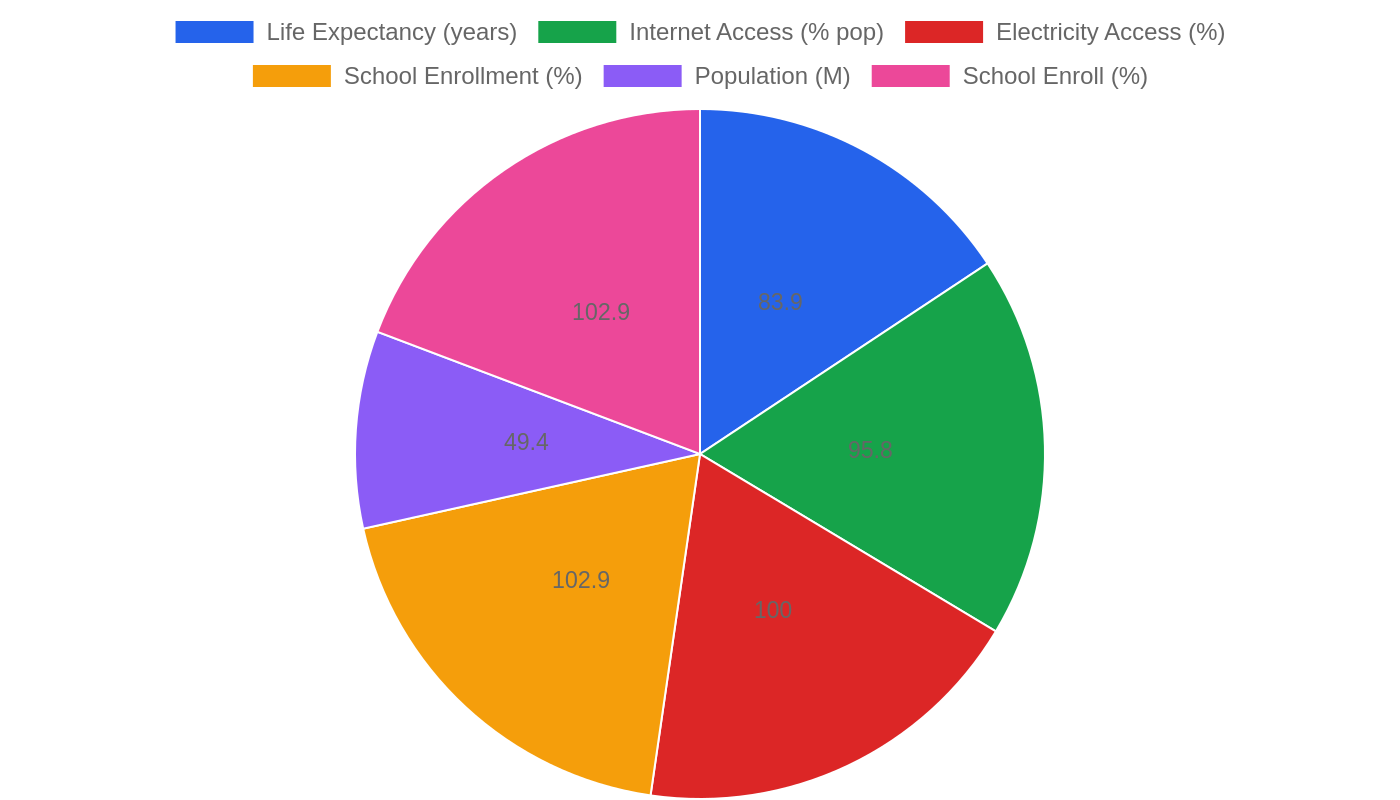
However, this expansion occurs against a backdrop of moderate inflation; the CPI stands at 2.67326741144651%, indicating that while prices are stabilizing after recent spikes, the cost of living remains a concern for households. The sheer scale of the economy is evident in its total GDP, which reaches $1,906,453,309,985.88 USD, reflecting a massive aggregate output supported by a population of 49,355,143.0 citizens.
Furthermore, the GDP per capita measured in Purchasing Power Parity (PPP) sits at $59,867.6944716701, suggesting a relatively high standard of living compared to many emerging markets, even as the nominal GNI per capita data remains unavailable for precise comparison.
The interplay between this high aggregate wealth and an unemployment rate of 10.376% reveals a dual economy: one sector thriving with productivity gains, while another struggles with joblessness, necessitating targeted fiscal policies to ensure inclusive growth.
Cost of Living and Housing Dynamics
For residents and expatriates alike, navigating Spain’s cost of living requires an understanding of regional disparities and housing market trends. While specific rental indices are not detailed in the current dataset, the broader economic context suggests that daily expenses are influenced by the 2.67% inflation rate, which impacts everything from grocery bills to utility costs.
The high GDP per capita in PPP terms indicates that, on average, Spaniards have substantial purchasing power relative to global benchmarks, yet this masks potential inequalities in urban versus rural areas. Housing affordability remains a critical topic, particularly in major hubs like Madrid and Barcelona, where demand often outpaces supply, driving up both rent and purchase prices.
Without explicit data on local housing metrics, investors must look to the broader macroeconomic indicators: stable growth and controlled inflation generally support property values, but high unemployment rates can dampen local demand in certain regions. Consequently, the cost of living is likely manageable for those earning international salaries or working in high-growth sectors, but may pose challenges for lower-income demographics facing the brunt of inflationary pressures.
Investment & Business Climate
Spain offers a fertile ground for investment, particularly in sectors where national champions have established global dominance. The corporate landscape is anchored by powerful conglomerates and specialized firms, such as Abengoa in conglomerates and Acciona and ACS Group in industrials, which are pivotal in infrastructure development across Europe and Latin America.
In the materials sector, Acerinox leads the way, providing essential inputs for construction and manufacturing, while the technology sector is bolstered by Amadeus IT Group, a global leader in travel technology solutions. These companies illustrate a diversified business environment that extends beyond traditional tourism into high-value services and engineering. For foreign investors, the presence of these established entities reduces entry risk, as they provide reliable partnerships and supply chain integration.
Additionally, firms like Almirall in health care and Arteche Group in utilities highlight opportunities in regulated, steady-growth industries. The business climate is further supported by Spain’s strategic position as a gateway to Latin American markets, leveraging cultural and linguistic ties to facilitate trade and investment flows.
Safety, Politics & Quality of Life
Political stability remains a cornerstone of Spain’s quality of life, rooted in a constitutional history that dates back to the progressive constitution of 1812. The modern democratic era was solidified following key events in the late 1970s, including King Juan Carlos I’s appointment of Adolfo Suárez as Prime Minister in June 1976, which paved the way for free elections and the drafting of the 1978 Constitution.
This foundational document, approved by 88% of voters in a national referendum, has provided a durable framework for governance and civil liberties. Regarding safety, current indices for crime and general safety are listed as N/A, meaning specific statistical comparisons cannot be made at this time. However, the historical commitment to democratic institutions suggests a low risk of political instability or civil unrest compared to other regions.
The combination of a stable political system and a high GDP per capita contributes to a generally high quality of life, although individual experiences may vary based on location and socioeconomic status.
What’s Happening Now / Current Affairs
The freshest developments in Spain center on the implementation of post-pandemic reforms and the ongoing management of inflationary trends. As the country navigates its 2025 economic projections, policymakers are focused on balancing the 2.82% growth target with the need to keep CPI inflation near the 2.67% level without stifling consumer spending.
Labor market reforms continue to be a priority, given the stubborn 10.376% unemployment rate, with initiatives aimed at reducing youth joblessness and promoting digital skills. In the business realm, major players like Amadeus and ACS are expanding their global footprints, signaling confidence in international demand. Meanwhile, the political landscape remains active as parties debate the next steps for social welfare and infrastructure investment under the 1978 constitutional framework.
These developments reflect a nation in transition, leveraging its historical stability to pursue modern economic objectives.
The Bottom Line
Spain represents a compelling case study for investors and economists seeking exposure to Southern European markets with strong institutional foundations. Its projected growth of nearly 2.83% in 2025, coupled with a high GDP per capita in PPP, indicates underlying strength despite headwinds from unemployment and inflation. Those interested in industrials, technology, and infrastructure will find ample opportunity through leading corporations like ACS Group and Amadeus.
Ultimately, Spain’s enduring democratic stability and strategic geographic position make it a vital player in the European economic ecosystem.
Sources & Methodology
This article is authored by Economic Pulse Net for informational and research purposes. Economic Pulse Net sources its data from multilateral institutions, national statistics bureaus, and proprietary databases. All data is believed to be current as of the date of publication.
Published: October 09, 2026 | Category: Research — Spain
Use these signals in your own platform
Economic Pulse publishes its live signal feed through a documented, read-only API. Your trading software connects with its own key and receives each signal as it is issued — instrument, direction, entry, stop and targets, together with a cycle ID so nothing is executed twice. The feed is independent of this website and cannot change it.
Signals are informational only and are not financial advice.