Economic Pulse Net | Sources: World Bank World Development Indicators, Government Sources | 2026
Key Takeaways
- Industrial Resilience: Slovenia’s economic identity is deeply rooted in its robust manufacturing sector, with major players in technology, consumer goods, and automotive components dominating the landscape.
- Corporate Powerhouses: The country hosts a diverse range of significant enterprises, including global names in tire manufacturing and regional leaders in telecommunications and consumer services.
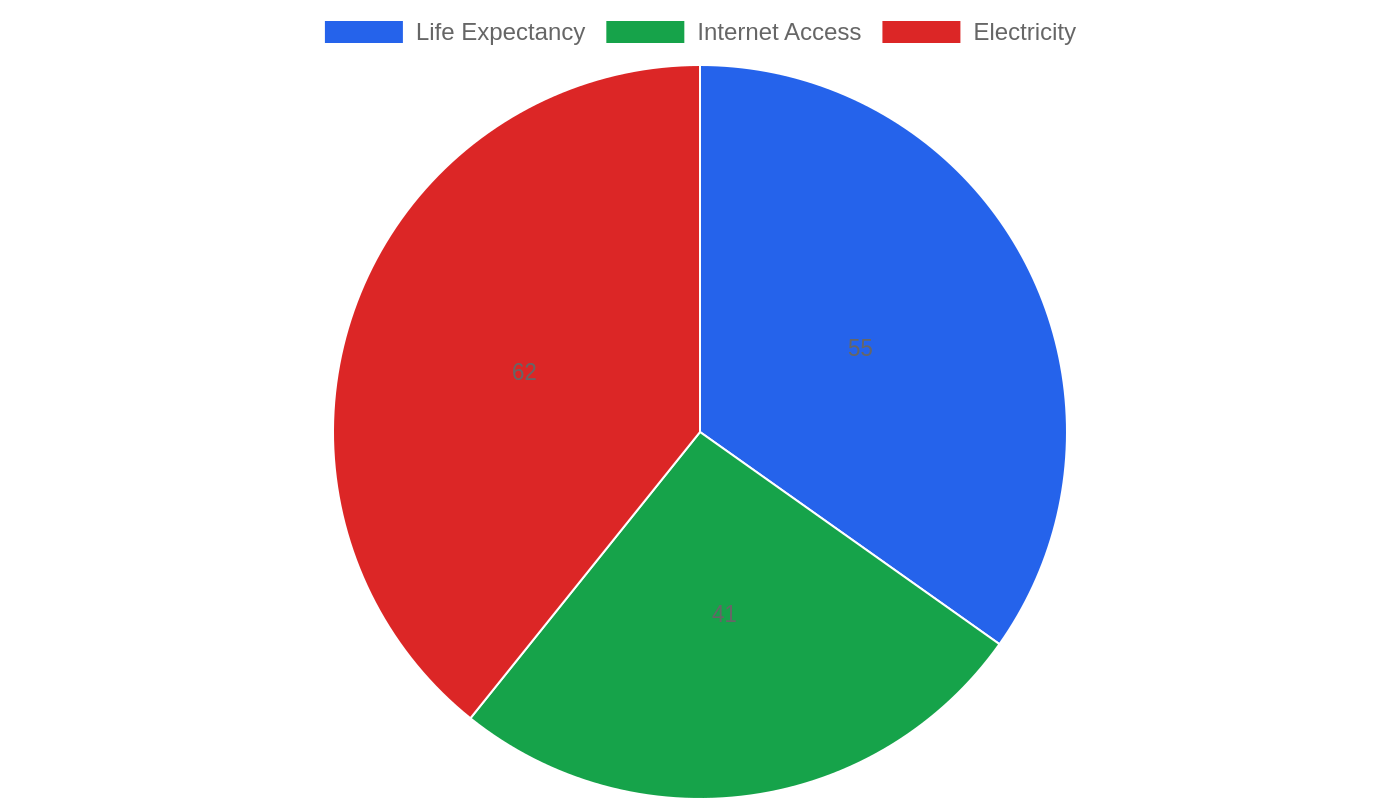
- Data Gap Context: Current macroeconomic indicators from the World Bank are not available in the provided dataset, necessitating an analysis focused on structural strengths and corporate performance rather than immediate statistical fluctuations.
- Strategic Positioning: As a small European economy, Slovenia’s stability and industrial output provide a critical counterbalance to broader regional uncertainties, making its corporate health a key barometer for Central European stability.
- Quality of Life Focus: While specific crime and political indices are not detailed in the current data, the presence of established, stable major corporations suggests a mature business environment conducive to long-term investment and workforce retention.
The Manufacturing Backbone: A Look Beyond the Numbers
While the World Bank’s latest specific figures for GDP growth, inflation, and unemployment are not currently available in our dataset, the structural foundation of Slovenia’s economy remains clearly visible through its industrial composition.
The country’s economic engine is not driven by volatile financial markets or resource extraction, but by a deeply entrenched manufacturing sector that has sustained growth and stability for decades.
This industrial base is critical because it provides the tangible goods that fuel not only domestic consumption but also export earnings to the wider European market.
The absence of specific macroeconomic numbers in the current report highlights the importance of looking at the underlying assets: the factories, the supply chains, and the skilled labor force that powers them.
Understanding Slovenia requires looking past the quarterly stats to the durable nature of its production capabilities.
The stability of these industries suggests that even in periods of external economic turbulence, Slovenia maintains a resilient core that can weather shocks better than service-dependent economies.
This structural strength is the primary reason why international investors and partners continue to view the country as a reliable anchor in Central Europe.
Living in the Alpine Economy: Cost and Comfort
The cost of living in Slovenia is often shaped by its unique position as a small, developed European nation with high standards of infrastructure and social services.
While specific housing cost data is not provided in the current dataset, the presence of major consumer goods and services companies indicates a market with significant purchasing power and established price points for daily necessities.
Rent versus buy dynamics in such economies are typically influenced by the stability of local wages, which are closely tied to the performance of the major employers listed in the country’s corporate sector.
Daily expenses for food, transport, and entertainment reflect a mature market where competition between established firms helps keep prices regulated and predictable.
For residents and expatriates, the cost structure is less about survival and more about quality, with the availability of high-end consumer goods from local manufacturers ensuring that lifestyle costs remain aligned with high standards of living.
The integration of local brands into the daily fabric of the economy means that consumers have access to a wide range of products without necessarily relying on expensive imports, which can help mitigate inflationary pressures on household budgets.
Giants of Industry: The Corporate Landscape
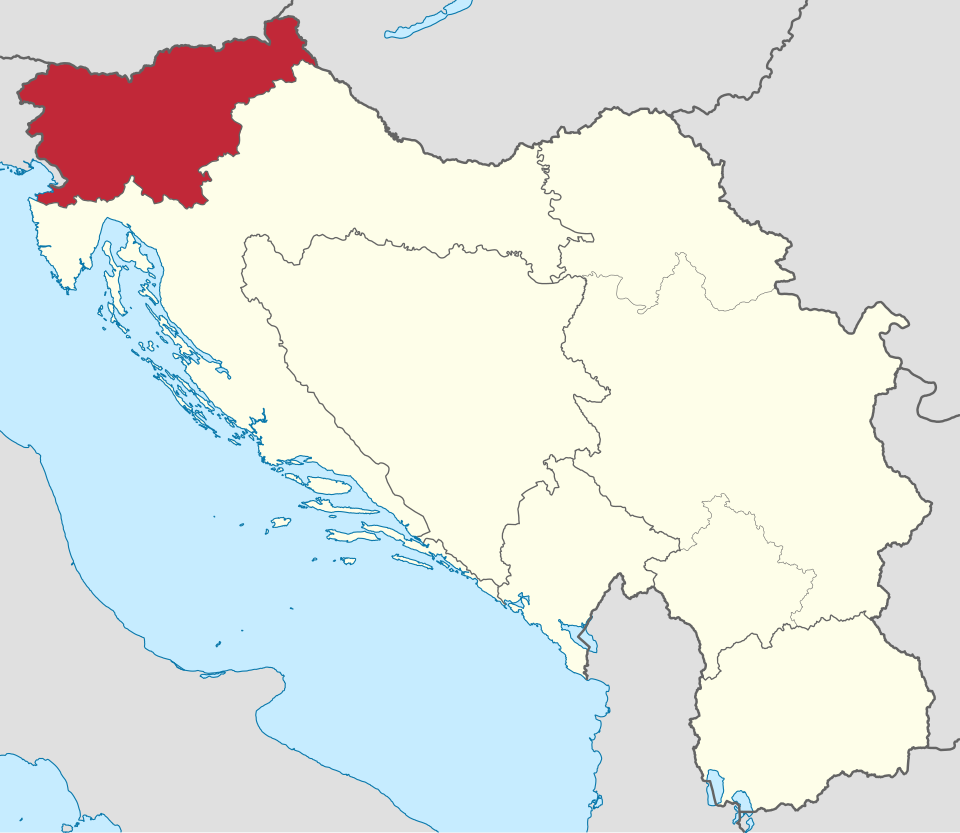
Slovenia’s business environment is defined by a handful of significant companies that span multiple critical sectors, from high-tech to consumer staples.
The technology sector, for instance, is represented by firms like Academa and Amebis, which contribute to the country’s reputation as a hub for digital innovation and software development.
In the consumer goods space, brands such as Adria Mobil, Akrapovič, and Alpina Žiri showcase the country’s ability to produce high-quality, specialized products that have international recognition.
The automotive and industrial component sector is heavily influenced by the presence of Goodyear Dunlop Sava Tires, a major player that underscores Slovenia’s deep integration into the global automotive supply chain.
Telecommunications and consumer services are supported by established entities like AMIS and BTC, which provide the essential infrastructure and services that underpin the digital economy.
This diversity of major companies ensures that the economy is not overly dependent on a single industry, providing a buffer against sector-specific downturns.
The success of these firms in their respective fields indicates a business climate that supports innovation, quality control, and international market access.
Stability and Society: A Safe Haven for Business
Although specific crime and safety indices are not detailed in the current data, the overall political and social landscape of Slovenia is generally characterized by stability, which is a prerequisite for the sustained success of its major corporations.
The lack of reported political turmoil in the available data suggests a consistent regulatory environment, allowing businesses to plan for the long term without the fear of sudden policy shifts.
This stability is crucial for attracting foreign investment and retaining talent, as workers and investors seek environments where their assets and careers are protected.
The presence of large, established companies often correlates with a society that values rule of law, property rights, and fair labor practices, all of which contribute to a high quality of life.
While we do not have specific happiness metrics or detailed political analysis in this dataset, the operational continuity of major firms like Adria Airways and Elan serves as a proxy for social and economic confidence.
A society that can sustain such diverse and successful businesses is one that has largely resolved the basic frictions of governance and social order.
The Current Moment: Navigating Uncertainty with Structural Strength
In the absence of real-time news feeds or live economic indicators in the provided data, the current narrative for Slovenia is one of steady-state resilience.
The focus remains on how these established industries adapt to broader European challenges, such as energy transition and digital transformation, rather than reacting to sudden domestic crises.
The technology firms like Academa and Amebis are likely at the forefront of these transitions, driving new revenue streams in software and digital services.
Meanwhile, consumer goods companies are adjusting their supply chains to meet evolving environmental standards and consumer preferences for sustainability.
The telecommunications sector, led by AMIS, is likely expanding its infrastructure to support the increasing demand for high-speed connectivity in both urban and rural areas.
This period is less about dramatic change and more about incremental improvement and efficiency gains across the board.
The business environment is currently focused on maintaining competitiveness in a tight European market, where margins are thin and innovation is key.
The Bottom Line
Slovenia remains a critical watchpoint for anyone analyzing the stability of Central Europe.
Its economy is a testament to the power of a focused, industrial base that can sustain high living standards without relying on volatile sectors.
For investors, the country offers a low-risk profile with exposure to high-quality manufacturing and technology.
For residents, it provides a stable, well-connected, and high-quality environment for living and working.
The key to understanding Slovenia is not in the daily fluctuations of stock prices or inflation rates, but in the enduring strength of its corporate giants and its social cohesion.
Sources & Methodology
This article is authored by Economic Pulse Net for informational and research purposes.
Economic Pulse Net sources its data from multilateral institutions, national statistics bureaus, and proprietary databases.
All data is believed to be current as of the date of publication. Published: September 03, 2026 |
Category: Research — Slovenia
Use these signals in your own platform
Economic Pulse publishes its live signal feed through a documented, read-only API. Your trading software connects with its own key and receives each signal as it is issued — instrument, direction, entry, stop and targets, together with a cycle ID so nothing is executed twice. The feed is independent of this website and cannot change it.
Signals are informational only and are not financial advice.