Economic Pulse Net | Sources: World Bank World Development Indicators, Government Sources | 2026
In the heart of Central Europe, Slovakia stands as a testament to the region’s dramatic transformation over the past three decades. Once part of a larger federation, this nation of over five million people has carved out its own path, joining the European Union and adopting the euro. Yet, as the political calendar turns and global economic headwinds persist, Slovakia finds itself navigating a delicate balance.
With a parliamentary democratic republic and a multi-party system, the country’s direction is being shaped by recent electoral outcomes and the strategic decisions of its homegrown corporate champions. This feature examines where the Slovak economy stands, the cost of living for its citizens, and the investment climate that will define its immediate future.
Key Takeaways
– Political Transition: Slovakia held pivotal parliamentary elections on 30 September 2023, followed by two rounds of presidential elections in March and April 2024, marking a period of significant political recalibration.
– Industrial Backbone: The economy leans heavily on industrial and technology sectors, with major players like ESET (technology) and Matador (consumer goods) leading the charge.
– Financial Hub Potential: A robust financial services sector, anchored by entities like Istrobanka and J&T Finance Group, signals a maturing market beyond mere manufacturing.
– Regional Context: As a eurozone member, Slovakia’s economic health is intrinsically linked to broader European trends, though its specific national data is currently under review.
– Investment Watch: The presence of real estate giant JTRE suggests a dynamic property market, making the country a point of interest for regional investors.
Economic Engine: The Gears of Growth and Stability
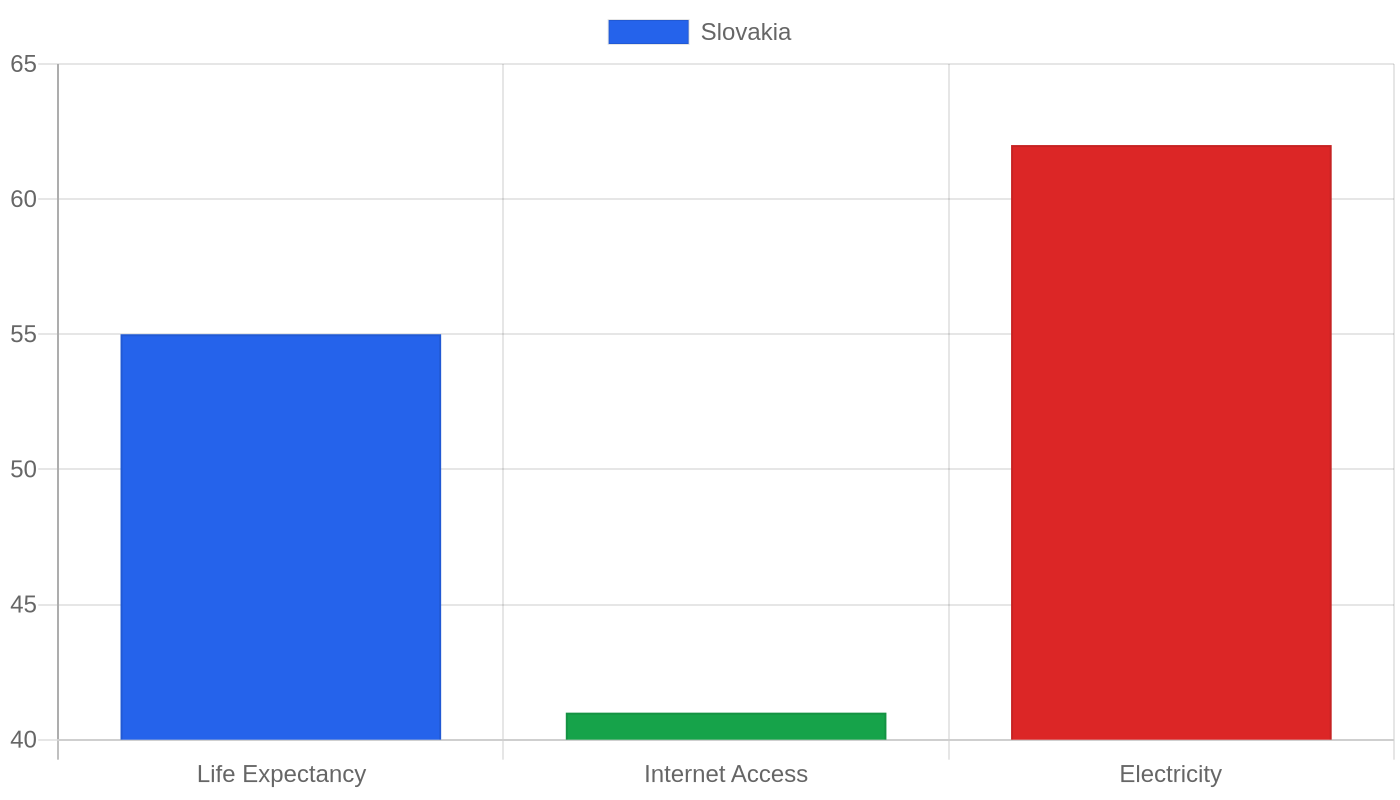
Understanding Slovakia’s economic engine requires a look at its structural composition, which is heavily weighted towards industry and modern services. While the World Bank’s latest specific indicators for GDP growth, inflation, and unemployment are not available in this report, the existing corporate landscape offers a clear lens into the nation’s productive capacity.
The presence of heavy industrial players like Doprastav, a major construction and engineering firm, and Elnec, an electronics manufacturer, underscores a robust secondary sector. This is complemented by a sophisticated tertiary sector, where financial services and technology thrive. The success of ESET, a globally recognized cybersecurity firm, is particularly telling; it demonstrates that Slovakia is not merely a low-cost assembly hub but a generator of high-value intellectual property.
This blend of traditional industry and cutting-edge tech provides a resilient economic base, capable of weathering sector-specific downturns. The challenge for policymakers remains how to sustain this momentum, ensuring that the workforce is equipped for the digital transition while maintaining the industrial output that has historically driven export-led growth. The stability of the eurozone provides a monetary anchor, but domestic structural reforms are essential for long-term prosperity.
Cost of Living: The Price of the Slovak Dream
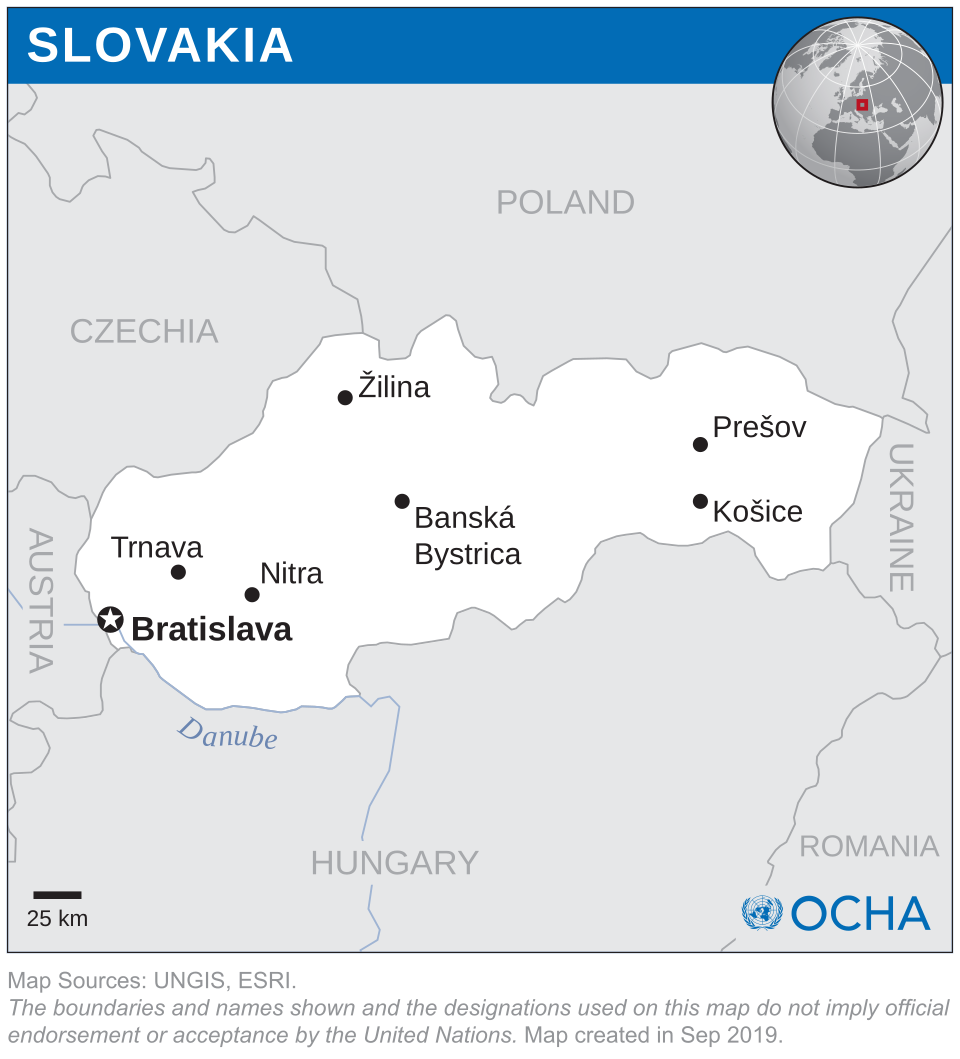
For the average citizen, the cost of living in Slovakia is a story of European integration and regional disparity. While specific price indices are not available in this dataset, the composition of the economy offers hints about the daily economic reality. Housing, a primary expense for any household, is influenced by the activities of major real estate developers like JTRE, whose presence indicates a modernizing urban landscape, particularly in the capital, Bratislava.
As a eurozone member, Slovakia enjoys price transparency with its Western neighbors, but wage levels often lag behind those of Germany or Austria, creating a “cost-benefit” gap that defines the local consumer experience. The balance between renting and buying is a critical decision for Slovak families, with the financial sector—including banks like Komerční banka Bratislava and Istrobanka—playing a pivotal role in facilitating mortgages and consumer credit.
Daily expenses, from groceries to utilities, are influenced by the efficiency of the domestic supply chain and energy costs. While the nation has made significant strides in income convergence with the rest of the EU, the pressure on household budgets remains a central political and economic issue, one that often dominates local discourse and electoral outcomes.
Investment & Business Climate: The Corporate Champions
Slovakia presents a compelling, if nuanced, environment for investors. The business climate is shaped by a strong tradition of engineering and a growing reputation for innovation. The top companies list reads like a “who’s who” of Central European enterprise, spanning diverse sectors.
In the financial realm, J&T Finance Group is a heavyweight, known for its significant regional influence, while Istrobanka and Komerční banka Bratislava provide the commercial banking backbone for SMEs and large corporations alike. For those looking at industrial capacity, Doprastav offers exposure to infrastructure and construction, a sector likely to benefit from EU cohesion funds.
The technology sector, spearheaded by ESET, is arguably the most exciting frontier, offering high-growth potential in the global cybersecurity market. Meanwhile, consumer goods giants like Matador and Glass LPS cater to domestic and regional demand, providing stability. The political landscape, marked by the recent 2023 parliamentary elections and the 2024 presidential race, creates a dynamic that investors must monitor.
Policy shifts regarding taxation, labor laws, and energy policy can alter the attractiveness of the Slovak market. However, the country’s strategic location and its integration into European supply chains make it a resilient choice for manufacturing and logistics operations.
Safety, Politics & Quality of Life: A Democratic Balance
Slovakia is a parliamentary democratic republic with a multi-party system, a framework that ensures political pluralism but can also lead to complex coalition negotiations. The recent electoral cycle—the parliamentary elections on 30 September 2023 and the two rounds of presidential elections in March and April 2024—highlights the vibrant, and sometimes polarized, nature of its political landscape.
While specific safety and crime indices are not provided, Slovakia generally maintains a reputation as a safe country within the European context, characterized by low rates of violent crime and a stable social environment. The quality of life is a mix of urban dynamism and rural tranquility. Citizens enjoy access to the cultural and economic benefits of the EU, including freedom of movement for work and travel. The political climate, however, is a crucial variable.
The outcome of the recent votes will determine the direction of judicial reforms, anti-corruption measures, and social policy, all of which directly impact the daily lives of citizens and the confidence of foreign investors. A stable, predictable government is key to unlocking the country’s full potential, while political infighting could stall progress on critical infrastructure and digitalization projects.
What’s Happening Now: The Post-Election Economic Agenda
Right now, Slovakia is in a crucial implementation phase following its recent political reset. The government that emerged from the September 2023 parliamentary elections is now tasked with translating campaign promises into tangible economic policy, a process that is being closely watched by the financial sector. The completion of the presidential election cycle in April 2024 has finally provided a full picture of the executive branch, allowing for a clearer articulation of the state’s priorities.
The immediate agenda is dominated by efforts to manage the fiscal deficit, address energy costs for businesses and households, and maintain the flow of European Union recovery funds. The corporate sector is watching for signals on tax policy, particularly regarding the banking sector, where institutions like Istrobanka and J&T Finance Group are major employers and taxpayers.
Furthermore, there is a push to deepen the integration of the technology sector, building on the success of ESET, to create a more knowledge-based economy. The government’s stance on infrastructure spending, likely involving companies like Doprastav, will be a key indicator of its commitment to economic stimulus.
As the world adjusts to a new normal of higher interest rates set by the European Central Bank, the Slovak government’s ability to manage its finances prudently while fostering growth is the single most critical factor for the nation’s economic health in the coming years.
The Bottom Line
Slovakia is a country with a solid industrial base and a surprisingly vibrant tech sector, offering a unique blend of value and innovation for investors. The recent political transitions mark a new chapter, one that holds both opportunities for reform and risks of stagnation. For business leaders and investors, this is a market to watch—not for quick wins, but for long-term strategic positioning in the heart of Europe.
The nation’s ability to leverage its engineering heritage while nurturing its digital future will determine whether it moves from a middle-income success story to a high-innovation leader. It remains a key barometer for the health of the broader Central European region.
Sources & Methodology
This article is authored by Economic Pulse Net for informational and research purposes. Economic Pulse Net sources its data from multilateral institutions, national statistics bureaus, and proprietary databases. All data is believed to be current as of the date of publication.
Published: August 18, 2026 | Category: Research — Slovakia
Use these signals in your own platform
Economic Pulse publishes its live signal feed through a documented, read-only API. Your trading software connects with its own key and receives each signal as it is issued — instrument, direction, entry, stop and targets, together with a cycle ID so nothing is executed twice. The feed is independent of this website and cannot change it.
Signals are informational only and are not financial advice.