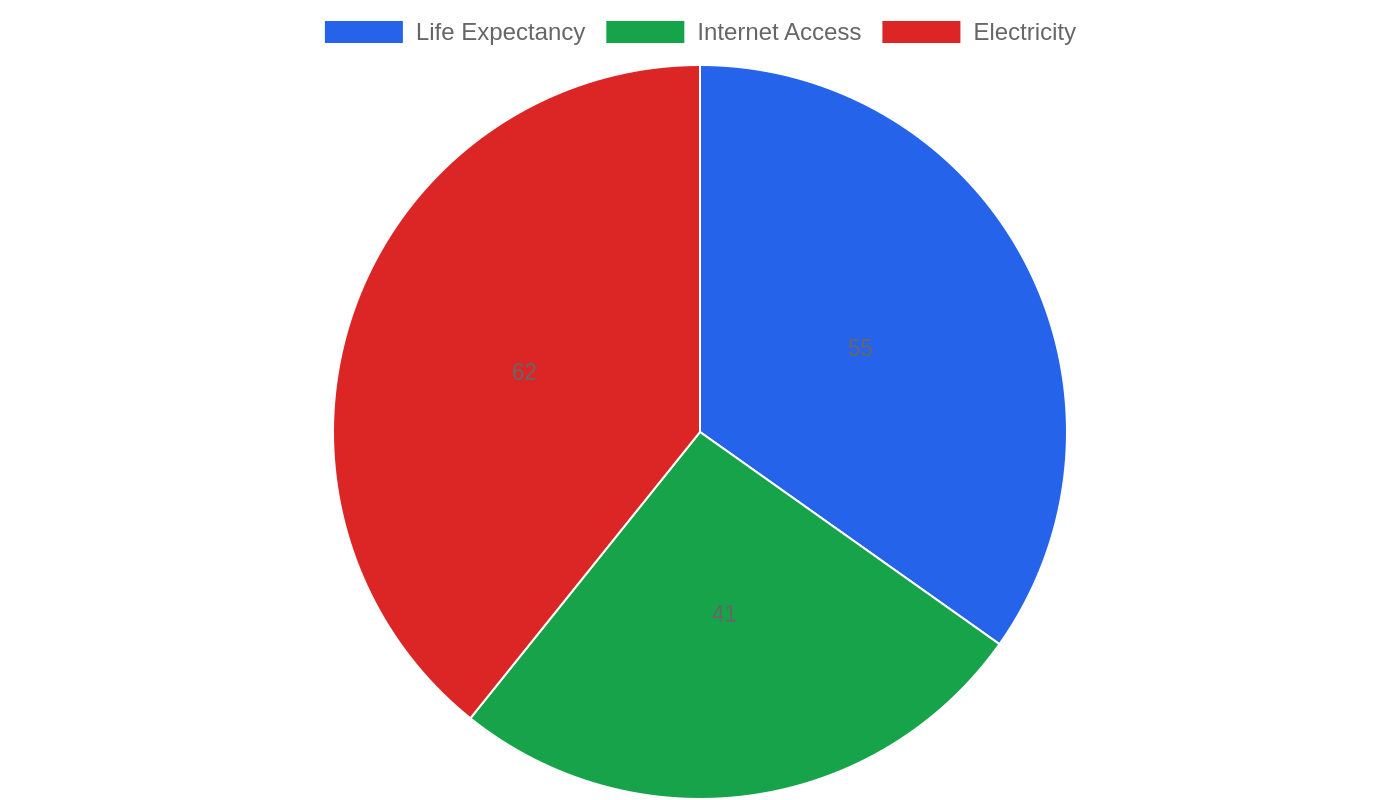
Economic Pulse Net | Sources: World Bank World Development Indicators, Government Sources | 2026
Key Takeaways
– Serbia operates as a parliamentary republic with a 2006 constitution, establishing a clear separation of powers across legislative, executive, and judiciary branches, with the Constitutional Court serving as the final arbiter on constitutional matters.
– The country’s corporate landscape is anchored by heavyweight financial institutions like Banca Intesa Beograd and AikBank, alongside flagship consumer services including Air Serbia and Belgrade Nikola Tesla Airport.
– Serbia’s industrial base spans traditional manufacturing through companies like 14. oktobar, while consumer goods giants such as Bambi and Apatin Brewery dominate domestic markets.
– The telecommunications sector is represented by A1 Srbija, positioning Serbia as a competitive player in the Balkan digital economy.
– With a diversified economic structure across financials, industrials, consumer goods, and services, Serbia presents a complex investment narrative that balances legacy industries with modern service-sector growth.
The Economic Engine: Manufacturing Muscle Meets Service Sector Sophistication
Serbia’s economic architecture tells a story of deliberate diversification. The World Bank’s framework places the country within a transition economy context, where state-owned enterprises have gradually given way to private and foreign investment. The industrial sector, anchored by companies like 14. oktobar, represents the country’s manufacturing heritage — a sector that has weathered the turbulent 1990s and emerged with renewed purpose in the 21st century.
This industrial base is not merely a relic; it provides essential employment and export capacity that underpins Serbia’s trade relationships across Europe.
The financial sector demonstrates remarkable depth for an economy of Serbia’s size. Banca Intesa Beograd, a subsidiary of Italy’s Intesa Sanpaolo, represents the significant foreign banking penetration that has modernized Serbia’s financial services. AikBank and the Belgrade Stock Exchange complete a picture of a maturing capital market infrastructure. The presence of these institutions signals investor confidence and provides the credit channels necessary for small and medium enterprise growth.
The Belgrade Stock Exchange, while modest by global standards, offers domestic companies access to capital and provides international investors a regulated entry point into the Serbian market.
Consumer services and goods form the vibrant face of Serbia’s economy. Air Serbia, the national carrier, connects Belgrade with major European hubs, facilitating both tourism and business travel. Belgrade Nikola Tesla Airport, named after the pioneering inventor, serves as the country’s primary international gateway.
Meanwhile, consumer goods companies like Bambi — known for its confectionery products across the Balkans — and Apatin Brewery, one of Serbia’s oldest breweries, demonstrate that domestic brands can achieve regional recognition. This consumer sector resilience matters because it indicates a middle class with disposable income and a retail environment capable of supporting branded goods.
The telecommunications industry, represented by A1 Srbija, reflects Serbia’s integration into European digital networks. Telecommunications infrastructure is increasingly critical for economic competitiveness, enabling everything from e-commerce to remote work. The presence of an international operator like A1 indicates regulatory openness and market potential. However, the economic data picture remains incomplete without specific growth figures, inflation rates, or employment statistics from the World Bank.
What can be said is that Serbia’s economic structure — balanced across manufacturing, finance, services, and consumer goods — provides a foundation for sustainable development, even as the country navigates the complex political economy of EU accession negotiations and regional relationships.
Housing and Living Costs: The Balkan Affordability Puzzle
The cost of living in Serbia presents a layered picture that reflects broader economic conditions. Without specific index data from the World Bank, analysts must look to the structural factors that shape housing markets in the Western Balkans. Belgrade, as the capital and largest city, commands premium real estate prices compared to secondary cities like Novi Sad or Niš.
The rental market has expanded significantly in recent years, driven by young professionals and expatriate workers attracted to Serbia’s growing service sector.
The dynamic between renting and purchasing in Serbia follows patterns common across transition economies. Property ownership remains culturally valued, with high homeownership rates reflecting post-privatization distributions from the 1990s. However, new construction in Belgrade’s urban core increasingly targets higher-income segments, creating affordability challenges for first-time buyers.
The presence of major financial institutions like Banca Intesa Beograd and AikBank suggests mortgage availability, though lending standards and interest rates remain key variables.
Daily expenses in Serbia — groceries, transportation, utilities — typically run lower than Western European averages, making the country attractive for remote workers and retirees with foreign income. The consumer goods sector, anchored by companies like Bambi and Apatin Brewery, provides locally produced options that help keep costs manageable. However, imported goods, particularly electronics and vehicles, carry premium prices due to import duties and VAT.
The overall affordability picture is one of relative balance: housing costs are rising in urban centers, but everyday living expenses remain accessible compared to EU neighbors.
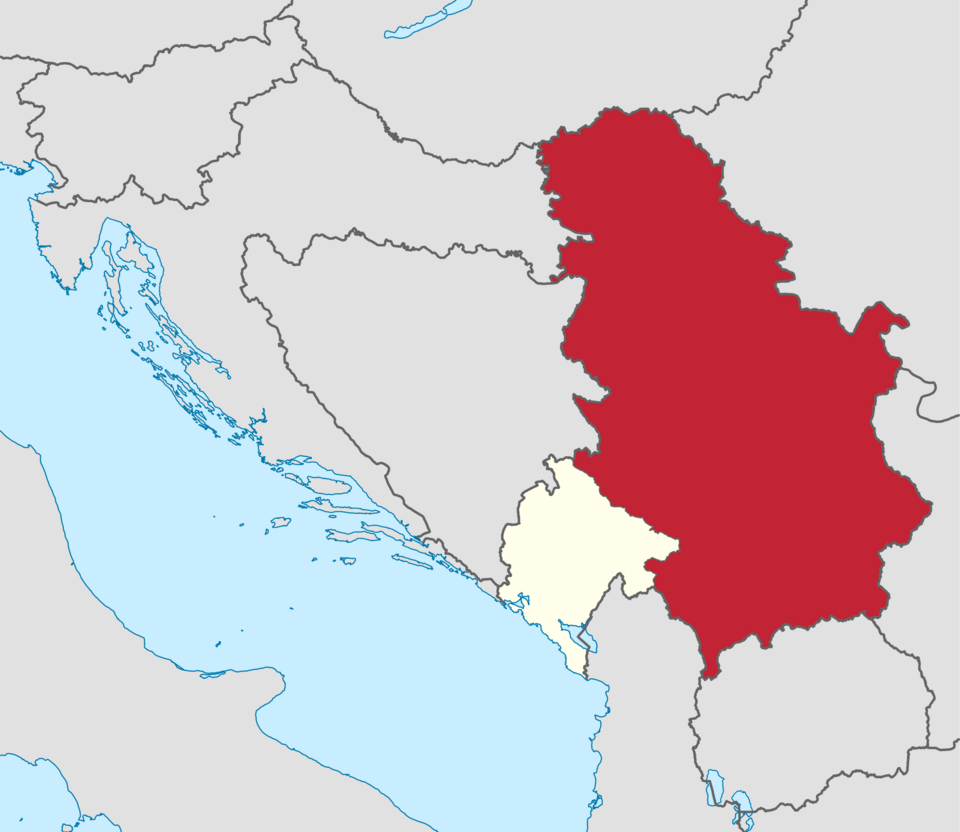
Investment Climate: Where Capital Finds Opportunity
Serbia’s investment landscape is defined by its strategic position between East and West, offering investors access to both European markets and emerging Eurasian corridors. The presence of major financial institutions — Banca Intesa Beograd, AikBank, and the Belgrade Stock Exchange — provides the infrastructure necessary for capital deployment.
Foreign direct investment has historically flowed into manufacturing, automotive components, and increasingly into information technology and business process outsourcing. The government’s reform agenda, while uneven, has focused on improving the ease of doing business, with particular attention to digitalizing administrative processes.
The corporate roster reveals sectoral opportunities. Air Serbia and Belgrade Nikola Tesla Airport represent the aviation and logistics nexus, critical for a landlocked country dependent on air connectivity for business and tourism. A1 Srbija indicates telecommunications investment potential, particularly as 5G rollout and digital service expansion continue. The industrials sector, exemplified by 14.
oktobar, suggests opportunities in machinery and equipment manufacturing, potentially serving as a nearshoring destination for European companies seeking supply chain diversification.
Challenges remain, however. Investors cite concerns about judicial efficiency, corruption perceptions, and the pace of structural reforms. The political landscape, dominated by the Progressive Party since 2012, has maintained policy continuity but has also faced criticism regarding media freedom and democratic backsliding. Nevertheless, Serbia’s EU candidate status provides a reform framework that anchors investor expectations.
For businesses willing to navigate the complexities, Serbia offers a cost-competitive production base with tariff-free access to regional markets through CEFTA agreements and preferential access to EU and Russian markets.
Safety, Politics, and the Quality of Life Equation
Serbia’s political system operates under the 2006 constitution, adopted in the aftermath of Montenegro’s independence referendum. This constitutional framework established a parliamentary republic with clearly delineated legislative, executive, and judicial branches. The Constitutional Court holds the power of judicial review, ensuring laws align with constitutional provisions.
This institutional architecture, while young, has provided stability through multiple electoral cycles, though tensions between democratic governance and centralized power persist in practice.
Quality of life in Serbia reflects the country’s middle-income status. Healthcare and education systems remain underfunded relative to EU standards, though access is universal. The presence of international companies and growing tourism in Belgrade and Novi Sad has spawned a vibrant café culture, nightlife, and arts scene that contributes to urban livability.
Public safety in Serbian cities generally compares favorably to many Western European counterparts, with petty crime being the most common concern rather than violent crime.
The interplay between politics and daily life is pronounced in Serbia. European Union accession negotiations dominate political discourse, with public opinion divided between those who favor EU integration and those who maintain closer ties to Russia and China. This geopolitical balancing act affects everything from energy prices to foreign investment flows.
For residents, the quality of life equation includes reasonable safety, affordable living costs, and improving consumer choice — balanced against concerns about political stability, emigration of young professionals, and the pace of economic convergence with Western Europe.
Current Affairs: Serbia at a Crossroads
Serbia stands at a pivotal moment, navigating multiple transitions simultaneously. The country’s EU accession process continues, with negotiations progressing through technical chapters even as political tensions with Brussels over Kosovo recognition and rule-of-law reforms persist. The Belgrade Stock Exchange has been working to attract listings and increase liquidity, positioning itself as a regional financial hub for the Western Balkans.
Meanwhile, infrastructure development around Belgrade Nikola Tesla Airport has accelerated, with the airport’s expansion and modernization representing a major public-private partnership that signals openness to foreign investment.
The corporate sector shows signs of dynamism. Air Serbia has expanded its route network, positioning Belgrade as a connecting hub between Western Europe and the Middle East. A1 Srbija has invested in network infrastructure, supporting Serbia’s digital transformation ambitions. The financial sector continues to consolidate, with banks like Banca Intesa Beograd and AikBank expanding their digital offerings.
These developments suggest an economy adapting to post-pandemic realities, with service sectors leading growth while traditional manufacturing faces competitive pressures.
However, structural challenges remain unresolved. Unemployment, particularly among youth, continues to drive emigration to Western European countries. The brain drain phenomenon — where skilled professionals leave for better opportunities in Germany, Austria, and Scandinavia — represents a significant human capital loss. Inflationary pressures, while moderating, have eroded purchasing power.
The government’s response has focused on maintaining subsidies for energy and basic foods, measures that provide short-term relief but strain fiscal resources. As Serbia looks toward the next electoral cycle and continued EU negotiations, the central question remains whether the country can accelerate its convergence with European living standards while maintaining its distinct political and cultural identity.
The Bottom Line
Serbia deserves the attention of investors, policymakers, and analysts who recognize the Western Balkans as Europe’s final frontier of integration. The country offers a compelling combination of strategic location, competitive costs, and improving institutional frameworks — yet it remains constrained by unresolved political questions and the persistent challenge of retaining its most talented citizens.
For those willing to engage with Serbia’s complexities, the potential rewards are substantial: access to a market of significant size, a skilled workforce, and a position at the crossroads of European trade routes. The next several years will determine whether Serbia can translate its structural advantages into sustained prosperity or remains perpetually poised at the threshold of European integration without fully crossing it.
Sources & Methodology
This article is authored by Economic Pulse Net for informational and research purposes. Economic Pulse Net sources its data from multilateral institutions, national statistics bureaus, and proprietary databases. All data is believed to be current as of the date of publication.
Published: August 01, 2026 | Category: Research — Serbia
Use these signals in your own platform
Economic Pulse publishes its live signal feed through a documented, read-only API. Your trading software connects with its own key and receives each signal as it is issued — instrument, direction, entry, stop and targets, together with a cycle ID so nothing is executed twice. The feed is independent of this website and cannot change it.
Signals are informational only and are not financial advice.