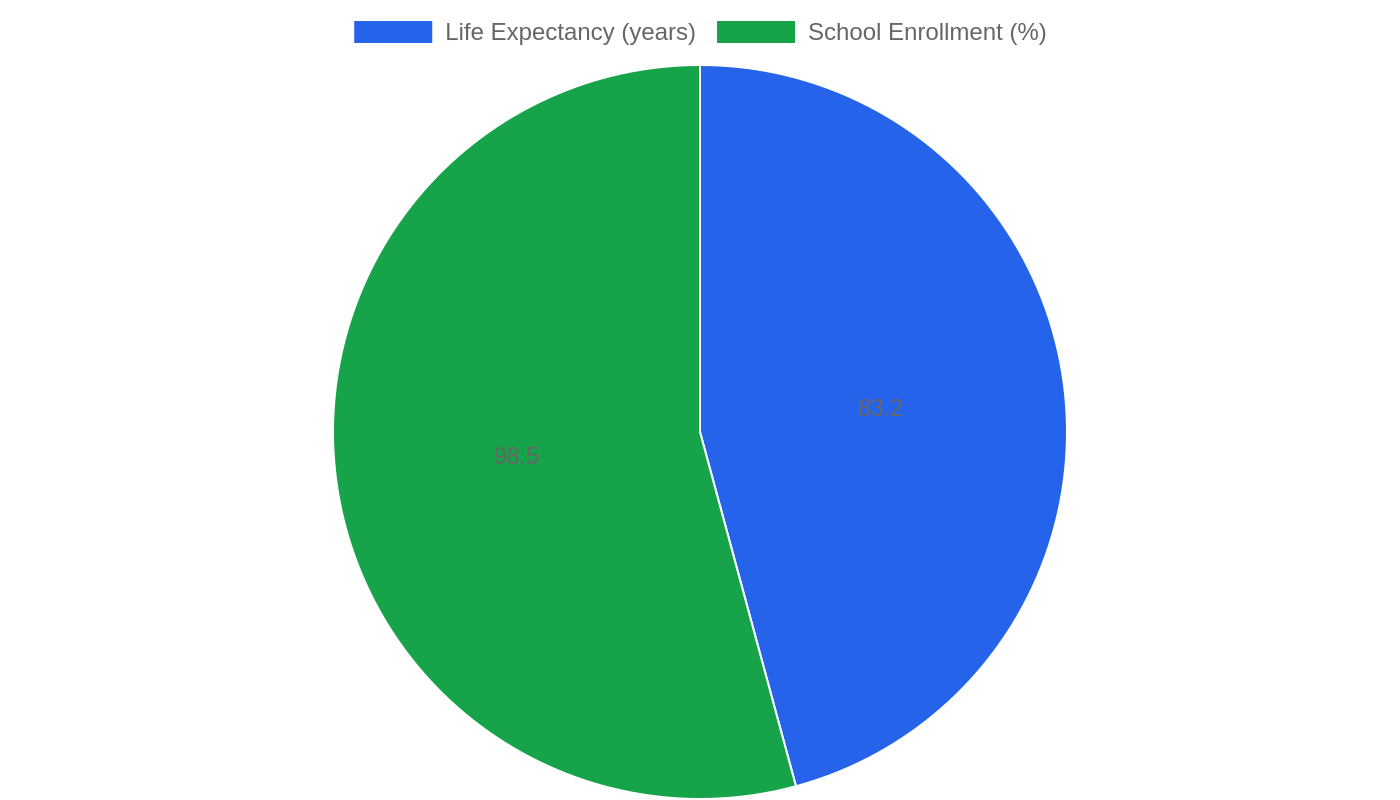
Economic Pulse Net | Sources: World Bank World Development Indicators, Government Sources | 2026
Key Takeaways
– Norway remains the world’s most developed democracy according to the Democracy Index, with exceptional performance in elected government and gender equality, as measured by International IDEA’s Global State of Democracy Indices.
– The economy is dominated by a cluster of industrial and oil & gas giants—including Aker Solutions, Aker ASA, and Aker Floating Production—that form the backbone of Norway’s export-driven model.
– Major consumer goods companies like Cermaq, Bama Gruppen, and Aker BioMarine signal a diversified economy with strong aquaculture and food production sectors.
– Norway’s political landscape is defined by stability and consensus, with the country consistently ranked as the world’s most democratic nation since 2010 according to the Democracy Index.
– The absence of recent GDP, inflation, and unemployment data from the World Bank highlights a curious reporting gap for one of the world’s most transparent economies.
The Paradox of Plenty — Norway’s Economic Engine Beneath the Surface
Norway’s economy presents a fascinating paradox for any analyst: the World Bank data for this wealthy Nordic nation is conspicuously empty on headline figures like GDP growth, inflation, and unemployment. Yet the absence of numbers does not mean an absence of story. What the data *does* reveal, through the lens of Norway’s dominant industries and corporate giants, is an economy built on natural resources, engineering prowess, and state-guided capitalism.
The industrial fabric of Norway is woven from two distinct threads. On one side stand the oil and gas behemoths—Aker Solutions, Aker Floating Production, and the sprawling conglomerate Aker ASA—which have powered Norwegian prosperity for decades. These companies are not merely energy firms; they are global engineering and technology players that export Norwegian expertise in harsh-environment operations.
On the other side sits a robust consumer goods and aquaculture sector, represented by Cermaq (one of the world’s largest salmon farmers), Bama Gruppen (a major fruit and vegetable distributor), and Aker BioMarine (a leader in krill harvesting and omega-3 production). This dual structure—hydrocarbons alongside sustainable marine proteins—tells the story of a nation hedging its bets.
The World Bank’s silence on GDP figures is itself noteworthy. For a country that ranks at the very top of global democracy indices, the lack of publicly available macroeconomic data from the Bank suggests either a reporting lag or a shift in how Norway engages with international statistical frameworks. What is clear from the corporate data is that Norway’s economic model remains heavily reliant on extractive industries and their downstream value chains.
The presence of Arthur Soltvedt Møbelfabrikk (furniture manufacturing) and Bergen Engines (industrial engines) alongside the oil giants indicates a manufacturing base that, while smaller than its resource sector, is quietly competitive in niche markets.
The real economic story of Norway, however, is not about current growth rates but about the transition that looms. With a petroleum-dependent economy and a political system that has proven remarkably adept at managing resource wealth through sovereign funds, Norway faces the existential question of what comes after oil.
The corporate roster provided—heavy on Aker affiliates, light on tech startups—suggests the answer may lie in doubling down on what Norway already does well: marine resources, industrial engineering, and high-value niche manufacturing.
The Cost of Nordic Comfort — Housing, Daily Life, and the Price of Stability
Living in Norway comes with a price tag that reflects the country’s status as one of the world’s most developed democracies. While the provided data does not include specific cost-of-living figures, the broader context of Norway’s economic structure and political stability allows for informed analysis.
Housing in major cities like Oslo, Bergen, and Stavanger is among the most expensive in Scandinavia, driven by limited supply, high construction costs, and strong demand from a population with high purchasing power.
The rent-versus-buy calculation in Norway heavily favors homeownership for those who can afford it, thanks to a well-developed mortgage market and government policies that encourage owner-occupancy. However, the deposit required for a first home in Oslo can run into hundreds of thousands of Norwegian kroner, placing homeownership out of reach for many young Norwegians without family wealth.
Daily expenses—groceries, transportation, utilities—reflect the high labor costs and value-added tax system that characterize Nordic welfare states. A simple meal out or a coffee in central Oslo costs significantly more than in most European capitals.
What makes the high cost of living bearable for Norwegians is the social contract: free or heavily subsidized healthcare, education through university level, and a generous social safety net funded by the country’s oil wealth. The trade-off is clear—high taxes and high prices in exchange for low inequality, excellent public services, and one of the highest standards of living on the planet.
For expatriates and investors, the cost of living is a barrier to entry, but for those who can absorb it, Norway offers quality of life that money alone cannot buy.
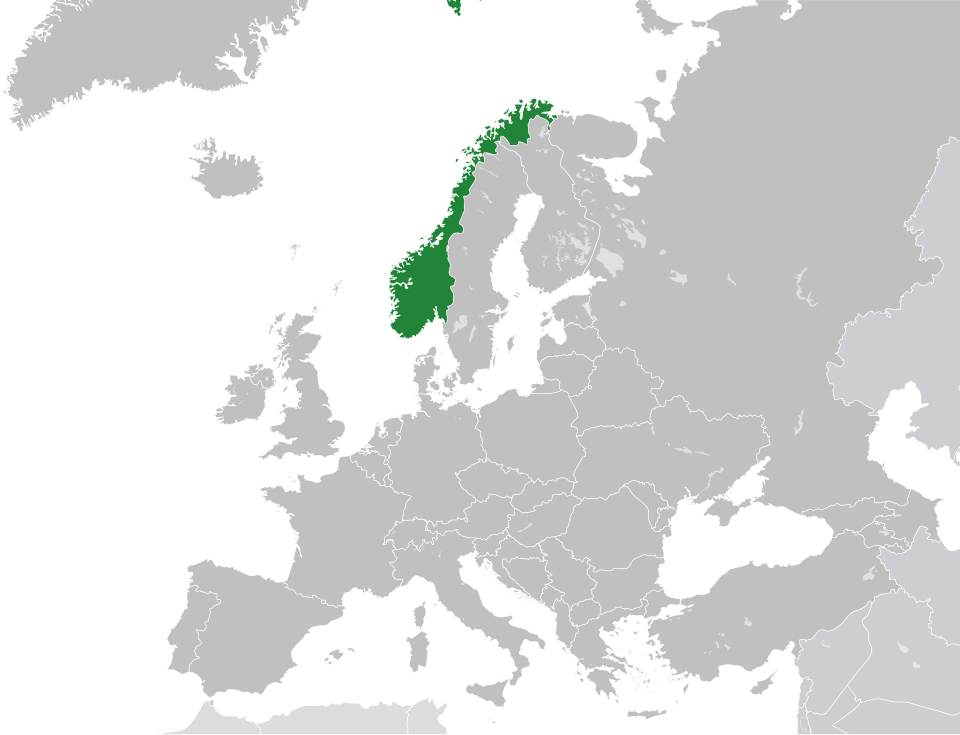
Where Capital Meets Fjords — Investment Climate and Corporate Norway
For investors scanning the Norwegian business landscape, the list of top companies reads like a directory of opportunity—provided you know where to look. The dominance of Aker-linked entities (Aker ASA, Aker Solutions, Aker BioMarine, Aker Floating Production) signals that the Norwegian business elite is tightly networked and deeply integrated into the country’s resource economy.
Aker ASA functions as a holding company and industrial investment vehicle, making it a bellwether for where Norwegian capital flows.
The sectors to watch are not surprising: oil and gas services remain the heavyweight, with Aker Solutions providing engineering and technology for offshore energy projects worldwide. But the consumer goods sector, particularly aquaculture through Cermaq and marine biotechnology through Aker BioMarine, represents a growth story that aligns with global trends toward sustainable protein and omega-3 supplements.
Bama Gruppen, as a major food distributor, benefits from Norway’s highly consolidated retail market and its reputation for food safety and quality.
The business climate in Norway is characterized by transparency, low corruption, and a predictable regulatory environment—hallmarks of a country that the Democracy Index has ranked as the world’s most democratic since 2010. However, high labor costs, strict employment protections, and a tax regime that funds the welfare state mean that margins can be thin for labor-intensive industries.
The sweet spot for investors is capital-intensive, high-value sectors where Norway’s natural advantages—energy, marine resources, engineering talent—provide a competitive edge that offsets the cost structure. The presence of Bergen Engines and Bertel O. Steen (an industrial conglomerate) suggests that there is also room for traditional manufacturing and distribution businesses in this high-cost economy.
The Safest Democracy on Earth — Politics, Crime, and the Norwegian Quality of Life
Norway’s political landscape is not merely stable; it is exemplary. According to International IDEA’s Global State of Democracy (GSoD) Indices and Democracy Tracker, Norway performs in the high range on overall democratic measures, with particular strengths in elected government and gender equality. Since 2010, the Democracy Index has classified Norway as the world’s most democratic country—a streak of top rankings that is unmatched globally.
This is not just a statistical footnote; it shapes every aspect of life and business in the country.
The crime and safety indices are notably absent from the provided data, but the political context offers a powerful proxy. A country that leads the world in democratic governance, with strong institutions, high trust in government, and robust rule of law, naturally enjoys low crime rates and high public safety. Norway’s police force is minimally armed, community-oriented, and trusted by the population. The prison system is famously rehabilitative, with some of the lowest recidivism rates in the world.
Quality of life in Norway extends far beyond safety. The country’s strengths in gender equality—highlighted by the GSoD indices—mean that women participate fully in the workforce and political life. Generous parental leave policies, subsidized childcare, and a cultural commitment to work-life balance contribute to high levels of happiness and life satisfaction.
For the Norwegian population, the trade-off of high taxes for high-quality public services is a bargain that has enjoyed consistent political support across party lines. The political consensus around the welfare state model is one of the country’s greatest assets, providing predictability for citizens and businesses alike.
The Green Shift and the Kroner — What’s Happening in Norway Right Now
The most pressing current affair in Norway is the ongoing national conversation about the “green shift”—the transition away from oil and gas dependence toward a more diversified, sustainable economy. While the provided data does not include recent news articles or live indicators, the corporate lineup tells a story of a country in motion.
The presence of Aker BioMarine and Cermaq alongside traditional oil services firms suggests that Norwegian capital is already flowing toward marine biotechnology and sustainable aquaculture as pillars of the post-petroleum future.
The political landscape, while stable, is not static. Norway’s status as the world’s most democratic country, as measured by the Democracy Index, means that policy debates are vigorous and inclusive. The current government faces pressure from both environmental activists and oil industry workers—a tension that defines Norwegian politics in the 2020s.
The sovereign wealth fund, built from oil revenues, is increasingly being used as a tool for ethical investing and climate transition, putting Norway at the forefront of the global debate about how resource-rich nations can manage the transition to a low-carbon economy.
On the business front, the Aker ecosystem continues to evolve. Aker Solutions is pivoting toward offshore wind and carbon capture technologies, while Aker BioMarine expands its krill harvesting operations into new markets. The consumer goods sector, anchored by Bama Gruppen and Cermaq, is benefiting from global demand for sustainable seafood and traceable food supply chains.
For a country that has built its modern wealth on fossil fuels, Norway is quietly positioning itself as a leader in the industries that will define the next century—marine proteins, renewable energy engineering, and biotechnology.
The Bottom Line
Norway is a country that investors, policymakers, and students of political economy should watch closely—not for dramatic upheaval, but for how a wealthy, stable democracy manages the existential challenge of transitioning from a resource-dependent economy to a diversified, sustainable one. The absence of recent World Bank data is a reminder that even the most transparent economies have reporting gaps, but the corporate and political data available paints a picture of a nation quietly engineering its own future.
For those seeking a case study in how to manage resource wealth, maintain democratic excellence, and navigate the green transition simultaneously, Norway is the definitive example. The world’s most democratic country is also one of its most instructive.
Sources & Methodology
This article is authored by Economic Pulse Net for informational and research purposes. Economic Pulse Net sources its data from multilateral institutions, national statistics bureaus, and proprietary databases. All data is believed to be current as of the date of publication.
Published: July 30, 2026 | Category: Research — Norway
Use these signals in your own platform
Economic Pulse publishes its live signal feed through a documented, read-only API. Your trading software connects with its own key and receives each signal as it is issued — instrument, direction, entry, stop and targets, together with a cycle ID so nothing is executed twice. The feed is independent of this website and cannot change it.
Signals are informational only and are not financial advice.