Economic Pulse Net | Sources: World Bank World Development Indicators, Government Sources | 2026
Key Takeaways
* Lithuania maintains a robust democratic framework established following its 1990 independence, characterized by strong constitutional traditions and regular electoral processes.
The industrial sector is anchored by major players such as Avia Solutions Group and Achema, signaling strength in logistics, aviation services, and basic materials.
Consumer goods and services are dominated by homegrown giants like Alita, Apranga, and Aurela, reflecting a vibrant domestic market.
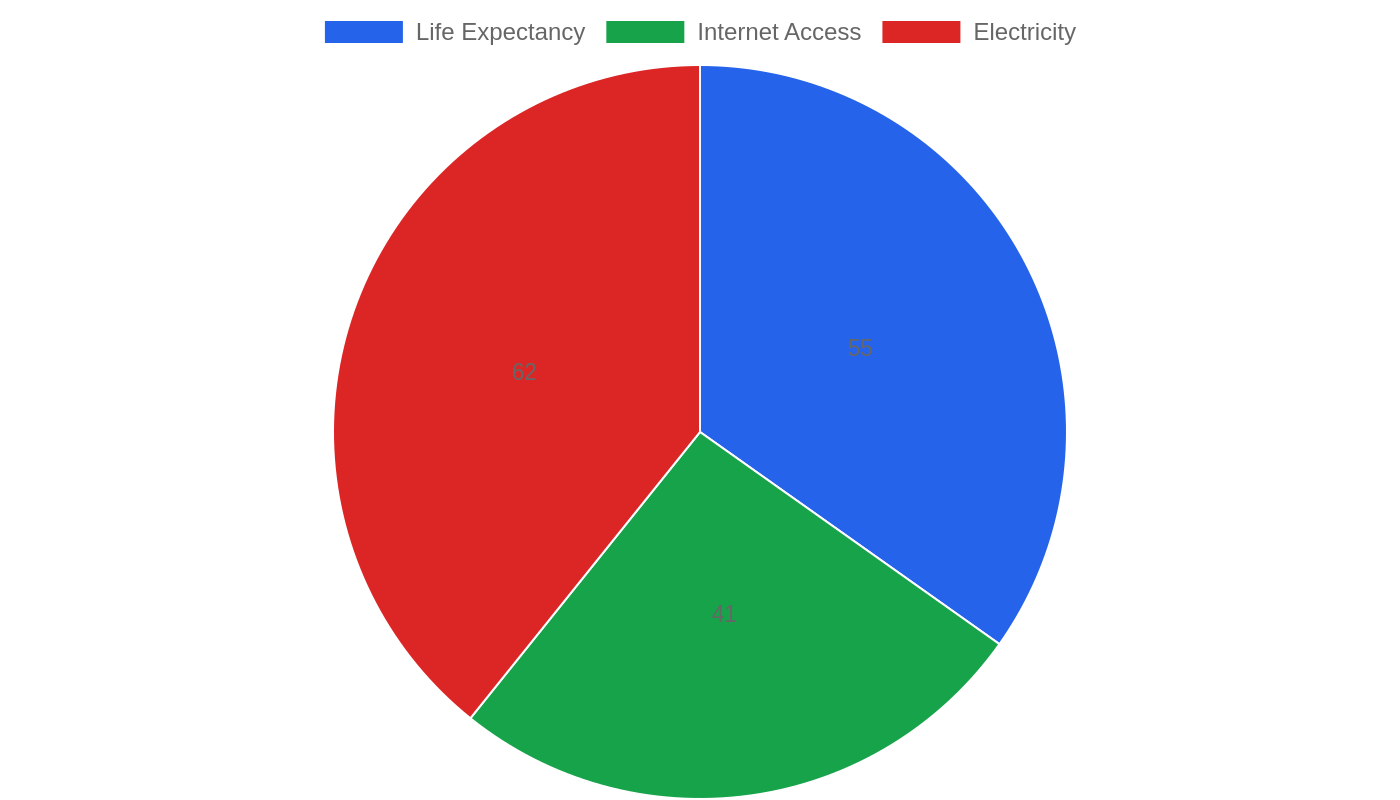
Critical economic indicators including GDP growth, inflation rates, and unemployment figures are currently listed as unavailable, requiring investors to look toward structural industry data for insights.
Political stability remains a cornerstone of the national identity, with historical debates on presidential power having settled into a consistent democratic rhythm since the early 1990s.
Structural Foundations: Industry Over Macro Metrics
While specific macroeconomic aggregates such as GDP growth, inflation CPI, and unemployment rates are not currently available from the World Bank data provided, the underlying structure of the Lithuanian economy reveals a nation heavily invested in specialized industrial and service sectors. The presence of Achema within the basic materials category suggests a significant footprint in chemical production or agricultural inputs, which often serves as a backbone for regional supply chains.
Simultaneously, the prominence of Amber Grid in utilities indicates that energy infrastructure and distribution remain critical state-managed or regulated components of the economic landscape. This diversification away from purely commodity-based exports toward high-value services is evident in the listing of Avia Solutions Group and Aviavilsa under industrials, highlighting Lithuania’s strategic positioning as a hub for aviation leasing and logistics.
These companies do not operate in a vacuum; their success implies a supportive regulatory environment and a skilled workforce capable of managing complex international operations. Furthermore, the inclusion of BLRT Western Shipyard points to a continued relevance in maritime manufacturing and repair, adding another layer of industrial depth to the national portfolio.
Understanding Lithuania’s economic health, therefore, requires looking beyond headline inflation numbers to the operational capacity of these key enterprises, which drive employment and export revenue even when broader statistical snapshots are incomplete.
Living Standards and Market Dynamics
Assessing the cost of living in Lithuania presents a challenge due to the absence of current consumer price index (CPI) data, yet the composition of top companies offers clues about consumer behavior and market maturity. The dominance of Alita and Baltik vairas in the consumer goods sector suggests a population with active purchasing habits focused on food staples and automotive products, indicating a stable baseline demand for essential items.
Similarly, the presence of Apranga and Aurela in consumer services reflects a market where retail and potentially financial or hospitality services are accessible and competitive. Without specific housing cost metrics, one must infer that the urban centers supporting these corporate headquarters likely maintain a balance between commercial real estate demand and residential availability.
The lack of explicit rent-versus-buy data means prospective residents cannot easily calculate yield potentials, but the existence of large, publicly recognized consumer brands implies a level of economic predictability that supports long-term tenancy. Daily expenses, while unquantified in this dataset, are likely influenced by the utility structures managed by entities like Amber Grid, making energy costs a variable factor in household budgets.
Consequently, the quality of life is probably tied more to the stability of public services and the availability of local consumer brands than to volatile global price shocks, providing a cushion against external economic turbulence.
Investment Climate: A Hub for Aviation and Materials
The investment landscape in Lithuania is defined by a clear cluster of expertise in aviation, logistics, and basic materials, offering targeted opportunities rather than broad-based speculative plays. Avia Solutions Group stands out as a potential anchor investor, given its size and position in the industrials sector, suggesting that capital markets here are receptive to large-scale aviation finance and leasing models.
For foreign direct investment, the presence of Aviavilsa and Avion Express further reinforces the country’s role as a logistical node, appealing to firms looking to establish regional headquarters for air cargo and passenger services. In the material sciences sector, Achema provides a gateway for investments in sustainable agriculture or chemical processing, areas that are increasingly prioritized globally.
The consumer services sector, represented by Apranga and Aurela, offers alternative avenues for investment in retail modernization and digital transformation, as these companies adapt to changing consumer preferences. Business environment assessments would likely highlight the efficiency of these specialized firms, which have carved out niche monopolies or oligopolies in their respective fields.
Investors should note that while general GDP per capita PPP data is missing, the operational scale of these top companies indicates a developed middle class and a sophisticated business culture capable of supporting advanced corporate governance standards.
Political Stability and Social Safety
Lithuania’s political landscape is deeply rooted in a proud history of democratic restoration, which continues to provide a stable backdrop for economic activity. Since declaring the restoration of independence on 11 March 1990, the nation has adhered to strong democratic traditions, holding its first independent general elections on 25 October 1992.
That pivotal moment saw 56.75% of voters support the new constitution, establishing a foundational social contract that has endured despite intense debates over the role of the president. A separate referendum held on 23 May 1992 further clarified public opinion, with 41% of voters supporting the restoration of the President of Lithuania, illustrating a political culture engaged in rigorous constitutional discourse.
While crime indices and safety scores are not currently available, the continuity of this democratic process since the early 1990s suggests a low risk of political instability or civil unrest. This institutional resilience is a key component of the country’s quality of life, offering citizens and businesses alike a predictable legal and political framework.
The historical emphasis on constitutional clarity and voter participation indicates a society that values rule of law, which is a prerequisite for long-term social cohesion and economic planning.
Current Affairs and Policy Trajectories
The freshest perspective on Lithuania comes from examining its enduring political commitments rather than transient economic fluctuations. The recent news highlights confirm that the nation’s primary focus remains on maintaining the democratic integrity established decades ago, with no immediate signs of constitutional upheaval.
The intense debates regarding presidential powers that characterized the early 1990s have largely settled into a functional equilibrium, allowing the government to focus on administrative efficiency and European integration. There are no reported shifts in policy that suggest a move away from open markets or democratic norms; instead, the continuity of electoral support since 1992 underscores a stable political trajectory.
This stability is crucial for current affairs, as it assures international partners that Lithuania remains a reliable actor in Baltic and EU politics. The absence of recent crisis data implies that the country is navigating global challenges without needing emergency economic measures, relying instead on its established institutional frameworks. As such, the current narrative is one of consolidation and maintenance, ensuring that the democratic gains of the past are preserved for future generations.
The Bottom Line
Lithuania presents a compelling case for investors seeking political stability and specialized industrial exposure, particularly in aviation and materials. While the lack of current GDP and inflation data necessitates caution for short-term traders, the strength of its corporate leaders offers a solid foundation for long-term strategic holdings. Those interested in the Baltic region should view Lithuania not just through macroeconomic lenses, but through the operational success of its key industries.
It is a country where democratic resilience and industrial competence converge, offering a safe harbor for capital aligned with its core sectors.
Sources & Methodology
This article is authored by Economic Pulse Net for informational and research purposes. Economic Pulse Net sources its data from multilateral institutions, national statistics bureaus, and proprietary databases. All data is believed to be current as of the date of publication.
Published: October 13, 2026 | Category: Research — Lithuania
Use these signals in your own platform
Economic Pulse publishes its live signal feed through a documented, read-only API. Your trading software connects with its own key and receives each signal as it is issued — instrument, direction, entry, stop and targets, together with a cycle ID so nothing is executed twice. The feed is independent of this website and cannot change it.
Signals are informational only and are not financial advice.