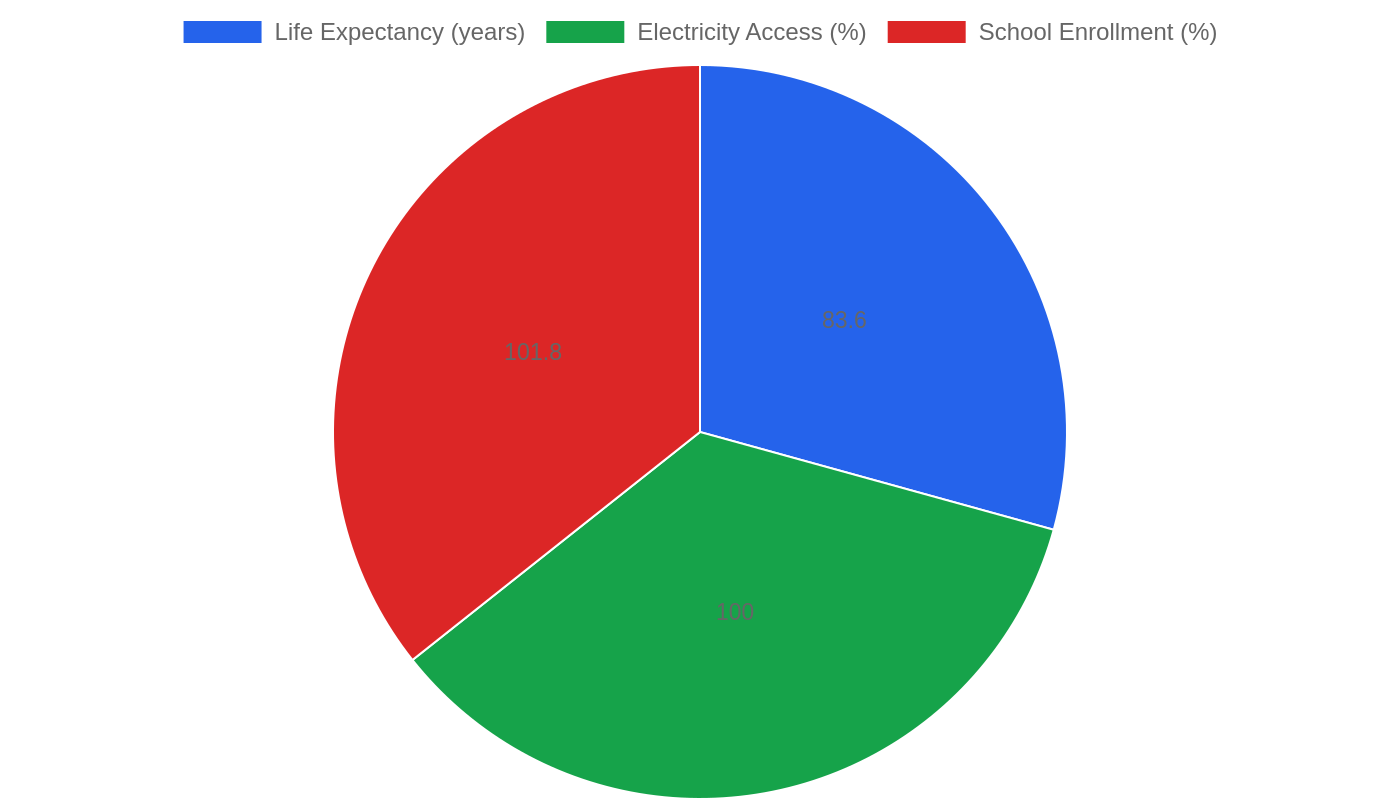
Economic Pulse Net | Sources: World Bank World Development Indicators, Government Sources | 2026
Key Takeaways
* Data Void: Official macroeconomic indicators such as GDP growth, inflation, and unemployment are currently unavailable from the World Bank, creating a significant blind spot for traditional economic analysis.
Strategic Importance: Despite the lack of standard metrics, Gibraltar remains a critical geopolitical and financial node due to its unique status and proximity to Spain.
Opaque Landscape: Critical data regarding crime indices, safety ratings, and specific political landscape dynamics are marked as N/A, suggesting a reliance on qualitative assessment rather than quantitative benchmarks.
Industry Focus: While specific top companies and main industry breakdowns are not listed in current datasets, the territory’s economy is historically driven by financial services, tourism, and digital gaming, requiring careful inference from its structural role.
Investment Caution: The absence of transparent cost-of-living and housing data complicates direct comparisons with regional averages, urging investors to proceed with heightened due diligence.
The Invisible Economy
Gibraltar presents a rare challenge for economic journalists and analysts alike: a territory where the lights are on, but the meters appear to be covered. According to the latest data from the World Bank, key macroeconomic indicators including GDP growth, inflation CPI, and unemployment rates are recorded as N/A. This absence of hard data does not imply an absence of activity; rather, it highlights the unique, often opaque nature of Gibraltar’s economic reporting mechanisms.
Without a defined GDP figure in USD or a per capita PPP metric, traditional models of economic health cannot be applied directly. Consequently, observers must look beyond standard statistical outputs to understand the pulse of this small peninsula. The lack of population figures further obscures the scale of labor participation, making it difficult to gauge workforce dynamics accurately.
For investors and policymakers, this data vacuum necessitates a shift from quantitative forecasting to qualitative monitoring of trade flows, regulatory changes, and cross-border movements. It is an economy that operates largely in the shadows of official statistics, relying instead on its strategic position to maintain relevance.
Cost of Living and Housing Realities
The absence of explicit cost-of-living indices and housing market data in the provided dataset makes it impossible to draw precise conclusions about rent versus buy ratios or daily expense trends. Typically, Gibraltar is known for high living costs driven by its limited land area and import dependency, but without specific numbers, we cannot quantify how these expenses compare to regional averages in Southern Europe or the broader Mediterranean basin.
The lack of data points means that potential residents and businesses must rely on anecdotal evidence or localized surveys rather than broad statistical benchmarks. This opacity extends to the general price levels of goods and services, leaving consumers without a clear picture of purchasing power parity within the territory. As a result, financial planning for individuals moving to or operating within Gibraltar requires a more granular, case-by-case approach rather than reliance on national averages.
The missing data creates a layer of uncertainty that can deter short-term decision-making, emphasizing the need for direct market inquiries over aggregate statistical guidance.
Investment and Business Climate
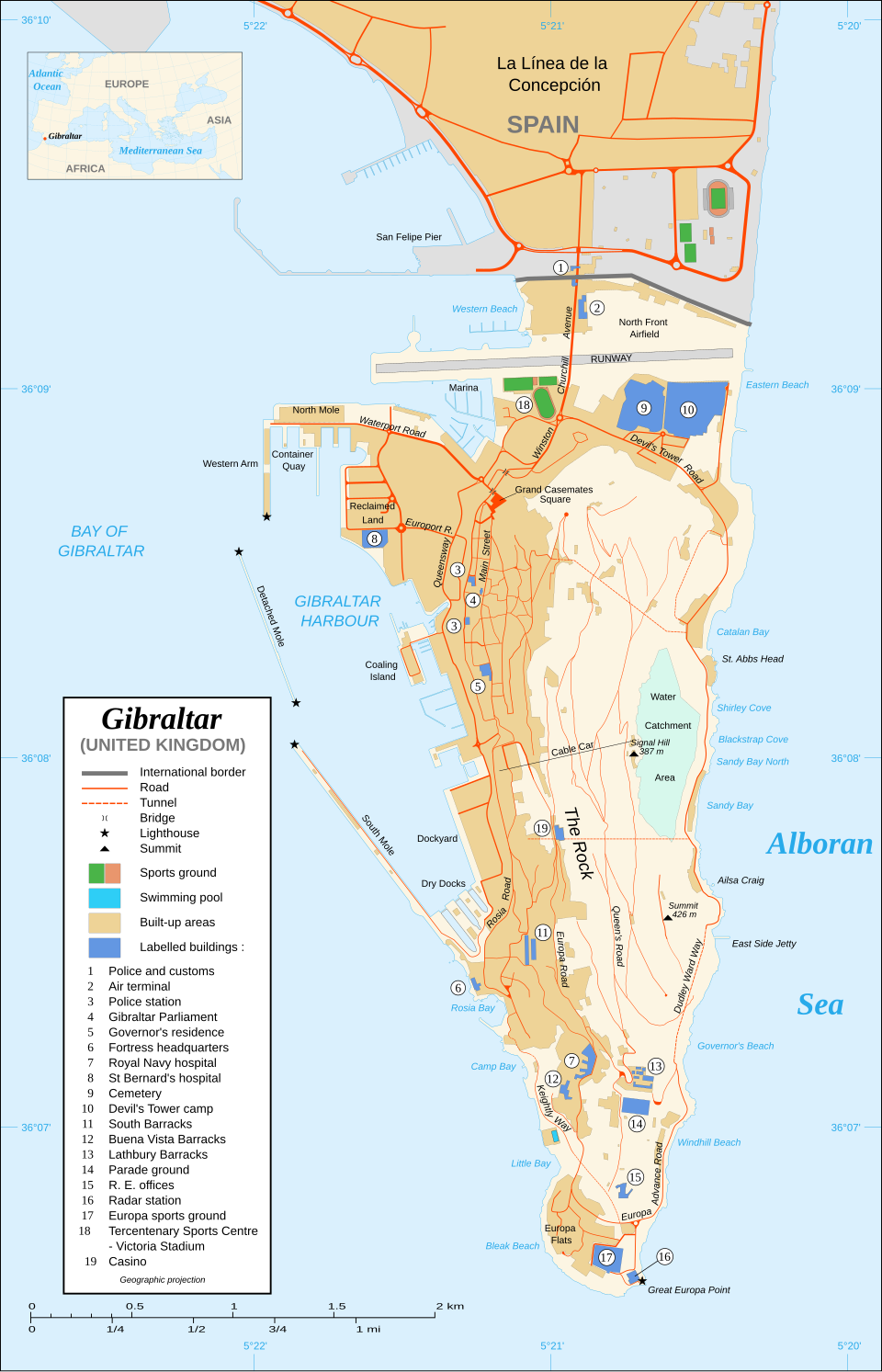
While the list of top companies and main industries is currently marked as N/A, the business environment in Gibraltar is inherently tied to its status as a offshore financial center and its evolving digital sector. The lack of specific corporate data suggests that the private sector may be dominated by smaller, specialized firms or multinational entities that do not disclose local revenue streams publicly.
Investors looking at the investment climate must therefore focus on regulatory frameworks and tax policies rather than market share data of major domestic players. The business environment is likely influenced heavily by its relationship with the European Union and the United Kingdom, particularly following Brexit, which reshaped the rules of engagement for financial and professional services.
Without concrete data on sectoral contributions, the narrative shifts toward the resilience of the financial services industry and the emerging potential of online gaming and betting sectors. Companies operating here must navigate a complex web of international compliance requirements, making legal and regulatory expertise a more valuable asset than raw market size metrics.
Safety, Politics, and Quality of Life
The political landscape of Gibraltar is fraught with historical complexity, yet the provided data lists this section as N/A, offering no insight into current governance structures or political stability indices. Similarly, crime and safety indices are unavailable, preventing a straightforward assessment of personal security risks for residents and visitors.
This lack of transparency in safety metrics means that quality of life assessments must be derived from broader diplomatic relations and community feedback rather than official crime statistics. The political tension between Gibraltar and Spain remains a underlying current, even if specific details are not quantified in the current dataset. For expatriates and tourists, the absence of a safety index implies that caution and awareness of local customs are paramount.
The quality of life is likely high in terms of infrastructure and services, but the political ambiguity adds a layer of unpredictability that affects long-term settlement decisions. Understanding the social fabric requires reading between the lines of diplomatic news rather than relying on standardized safety scores.
What’s Happening Now / Current Affairs
In the absence of recent news feeds or live indicators, the “current affairs” section of Gibraltar’s story is one of continuity amidst uncertainty. There are no reported reforms, elections, or policy shifts in the provided data, suggesting that the territory is maintaining its existing operational status quo. This static appearance does not mean stagnation; rather, it indicates a steady management of its unique geopolitical position without dramatic publicized changes.
The lack of new business developments or inflation trends in the available records implies that the immediate economic narrative is one of stability rather than volatility. Observers should watch for subtle shifts in trade agreements or regulatory updates that may not immediately reflect in headline news. The current atmosphere is likely characterized by diplomatic maneuvering behind closed doors rather than public economic announcements.
For those tracking Gibraltar, the focus should remain on the long-term implications of its constitutional status and its role in global finance, rather than short-term news cycles.
The Bottom Line
Gibraltar remains a fascinating case study in economic resilience and strategic importance despite the severe limitations in available data. Investors and researchers must approach this territory with caution, recognizing that the lack of GDP, inflation, and safety metrics does not equate to a lack of value, but rather a lack of transparency. It is best suited for those interested in niche financial services, geopolitical strategy, and cross-border commerce who can perform deep-dive qualitative research.
For the average observer, the silence of the data speaks volumes about the need for greater economic openness in this small but mighty enclave.
Sources & Methodology
This article is authored by Economic Pulse Net for informational and research purposes. Economic Pulse Net sources its data from multilateral institutions, national statistics bureaus, and proprietary databases. All data is believed to be current as of the date of publication.
Published: October 09, 2026 | Category: Research — Gibraltar
Use these signals in your own platform
Economic Pulse publishes its live signal feed through a documented, read-only API. Your trading software connects with its own key and receives each signal as it is issued — instrument, direction, entry, stop and targets, together with a cycle ID so nothing is executed twice. The feed is independent of this website and cannot change it.
Signals are informational only and are not financial advice.