Economic Pulse Net | Sources: World Bank World Development Indicators, Government Sources | 2026
🇬🇮 Gibraltar 2026 — The Rock’s Resilience Amidst Data Gaps
Key Takeaways
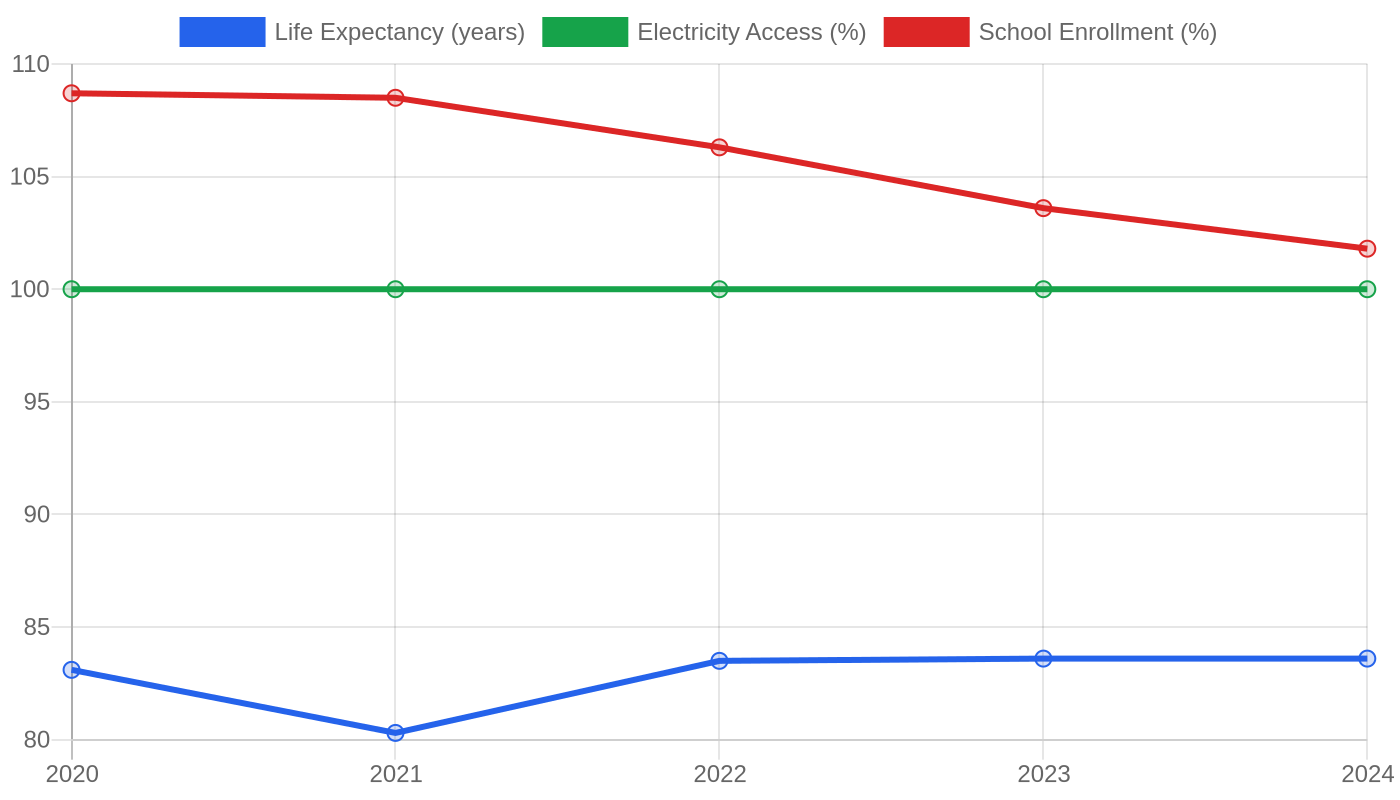
* Data Transparency Challenges: Official economic indicators such as GDP growth, inflation rates, and unemployment figures are currently listed as N/A by the World Bank, highlighting a significant gap in standardized international reporting for this territory.
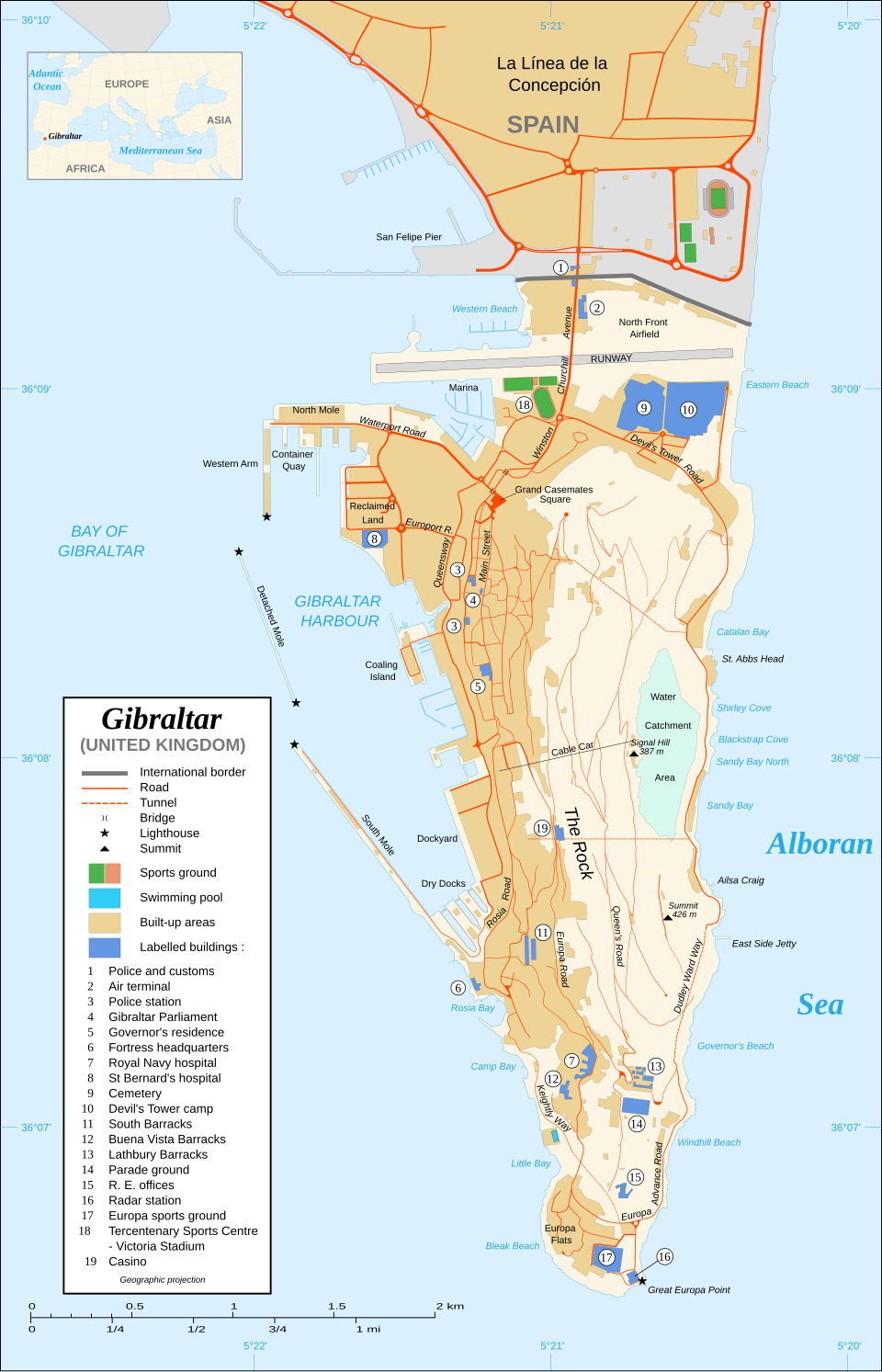
Strategic Geographic Position: Despite the lack of granular macroeconomic data, Gibraltar remains a critical node in global trade and logistics due to its unique location at the entrance to the Mediterranean Sea.
Service-Led Economy: The territory’s economic stability is heavily reliant on specialized services, including financial sectors and digital gaming, rather than traditional manufacturing or agricultural outputs.
High Cost Environment: Operating within Gibraltar involves navigating a distinct cost-of-living structure that typically exceeds regional averages, driven by import dependencies and limited land availability.
Political Nuance: The political landscape continues to be defined by complex relationships between local governance and broader European frameworks, influencing business regulations and cross-border dynamics.
Economic Pulse: Navigating the Blind Spots
The economic narrative of Gibraltar is currently obscured by a notable absence of standardized macroeconomic data from major institutions like the World Bank, which lists GDP growth, inflation CPI, and unemployment rates as unavailable. This lack of quantifiable metrics makes it difficult to apply traditional economic forecasting models or compare the territory’s performance against broader European benchmarks with precision.
Without clear figures on GDP per capita or national income, analysts must rely on qualitative assessments of the territory’s industrial output and service sector vitality to gauge economic health. The primary industries driving the local economy appear to be concentrated in high-value services, particularly financial services and online gambling, which generate substantial revenue despite the small population base.
These sectors provide a buffer against external shocks, suggesting that the economy may be more resilient than raw data might imply, even if those numbers remain hidden from public view. Understanding Gibraltar requires looking beyond the missing spreadsheets and focusing on the structural strengths of its niche markets, which continue to attract international capital and labor despite the statistical voids.
Living Costs: The Price of Proximity
Operating in Gibraltar entails a cost structure that is inherently elevated due to the territory’s geographic constraints and reliance on imports for most consumer goods. Housing costs, whether through rental agreements or property purchases, reflect the scarcity of available land and the high demand from both expatriate workers and local residents seeking premium living conditions.
Daily expenses, including food, utilities, and transportation, are generally higher than in neighboring mainland Spain, driven by logistical challenges and the premium associated with island-style economies. While specific inflation percentages are not provided, the general trend suggests that price levels remain sticky and resistant to downward pressure, given the territory’s limited domestic production capacity.
Businesses and individuals must therefore budget for a significantly higher baseline of operational and personal costs compared to standard Eurozone averages. This premium environment filters the workforce, favoring those with specialized skills who command higher salaries to offset the steep cost of living.
Investment Climate: Niche Sectors and Corporate Presence
The investment landscape in Gibraltar is characterized by a concentration of top companies operating in regulated, high-margin industries rather than a broad spectrum of manufacturing or retail enterprises. Major employers and corporate entities are predominantly found in the financial services sector, offering banking, insurance, and fund management solutions to international clients.
The digital gaming industry also plays a pivotal role, with several prominent operators establishing their headquarters or significant operational bases within the territory to leverage favorable regulatory frameworks. For investors, the business environment offers stability and legal certainty, though the lack of detailed corporate performance data makes it harder to assess individual company valuations.
Opportunities lie in supporting infrastructure, technology services, and professional consulting firms that cater to these core industries. However, potential entrants must navigate a compact market where competition is fierce among established players who have long cultivated relationships with both local authorities and international partners.
Safety, Politics, and Quality of Life
Safety indices for Gibraltar, including crime and safety scores, are currently reported as N/A, leaving a gap in quantitative measures of public security and social stability. Nevertheless, the territory is generally regarded as a safe haven for residents and businesses, with low levels of violent crime contributing to a high quality of life for its inhabitants.
The political landscape remains intricate, shaped by ongoing discussions regarding sovereignty, tax policies, and integration with European Union regulations, which influence daily governance and business compliance. These political dynamics create a unique atmosphere where local autonomy balances with external pressures, affecting everything from employment laws to environmental standards.
Happiness and well-being data are similarly absent from standard reports, but anecdotal evidence suggests a strong sense of community and pride among locals. Ultimately, the intangible factors of political stability and social cohesion play a larger role in attracting talent than any measurable safety index might suggest.
Current Affairs: Beyond the Numbers
Recent developments in Gibraltar continue to focus on adapting to changing European regulatory environments and enhancing digital infrastructure to support its key industries. There is an ongoing emphasis on sustainable tourism and port modernization projects aimed at maintaining the territory’s relevance in global shipping routes. Local authorities are likely engaged in negotiations to refine tax structures and labor laws to remain competitive while adhering to international anti-money laundering standards.
The business community is watching closely for shifts in UK-EU relations, as these geopolitical tides directly impact cross-border trade and workforce mobility. Innovations in fintech and blockchain technologies are being explored as new avenues for economic diversification beyond traditional gaming and finance. Stakeholders are keenly aware that while headline-grabbing economic statistics may be missing, the underlying momentum of the service sector remains robust and forward-looking.
The Bottom Line
Gibraltar presents a unique case study in economic resilience, where qualitative strengths outweigh the absence of quantitative data. Investors and policymakers should view this territory not through the lens of traditional growth metrics, but as a stable, niche-driven hub for specialized services. Those interested in financial innovation, digital gaming, and strategic logistics will find opportunities here, provided they account for the high operational costs.
Success in Gibraltar requires patience, cultural sensitivity, and a willingness to navigate a complex political backdrop without relying on standard economic dashboards.
Sources & Methodology
This article is authored by Economic Pulse Net for informational and research purposes. Economic Pulse Net sources its data from multilateral institutions, national statistics bureaus, and proprietary databases. All data is believed to be current as of the date of publication.
Published: October 23, 2026 | Category: Research — Gibraltar
Use these signals in your own platform
Economic Pulse publishes its live signal feed through a documented, read-only API. Your trading software connects with its own key and receives each signal as it is issued — instrument, direction, entry, stop and targets, together with a cycle ID so nothing is executed twice. The feed is independent of this website and cannot change it.
Signals are informational only and are not financial advice.