Economic Pulse Net | Sources: World Bank World Development Indicators, Government Sources | 2026
Key Takeaways
– Azerbaijan’s economy remains heavily reliant on its hydrocarbon wealth, though data gaps make precise assessment difficult.
– The political landscape is defined by the Aliyev family’s continuous rule since 1993, with the New Azerbaijan Party dominating all state institutions.
– The country’s corporate sector shows diversification efforts, with major players spanning shipping, railways, banking, construction, and consumer services.
– International watchdogs classify Azerbaijan as “not free,” with regular elections marred by documented electoral fraud.
– Strategic infrastructure investments, particularly in transport and utilities, signal long-term state-driven development priorities.
The Hydrocarbon Paradox: Growth Without Transparency
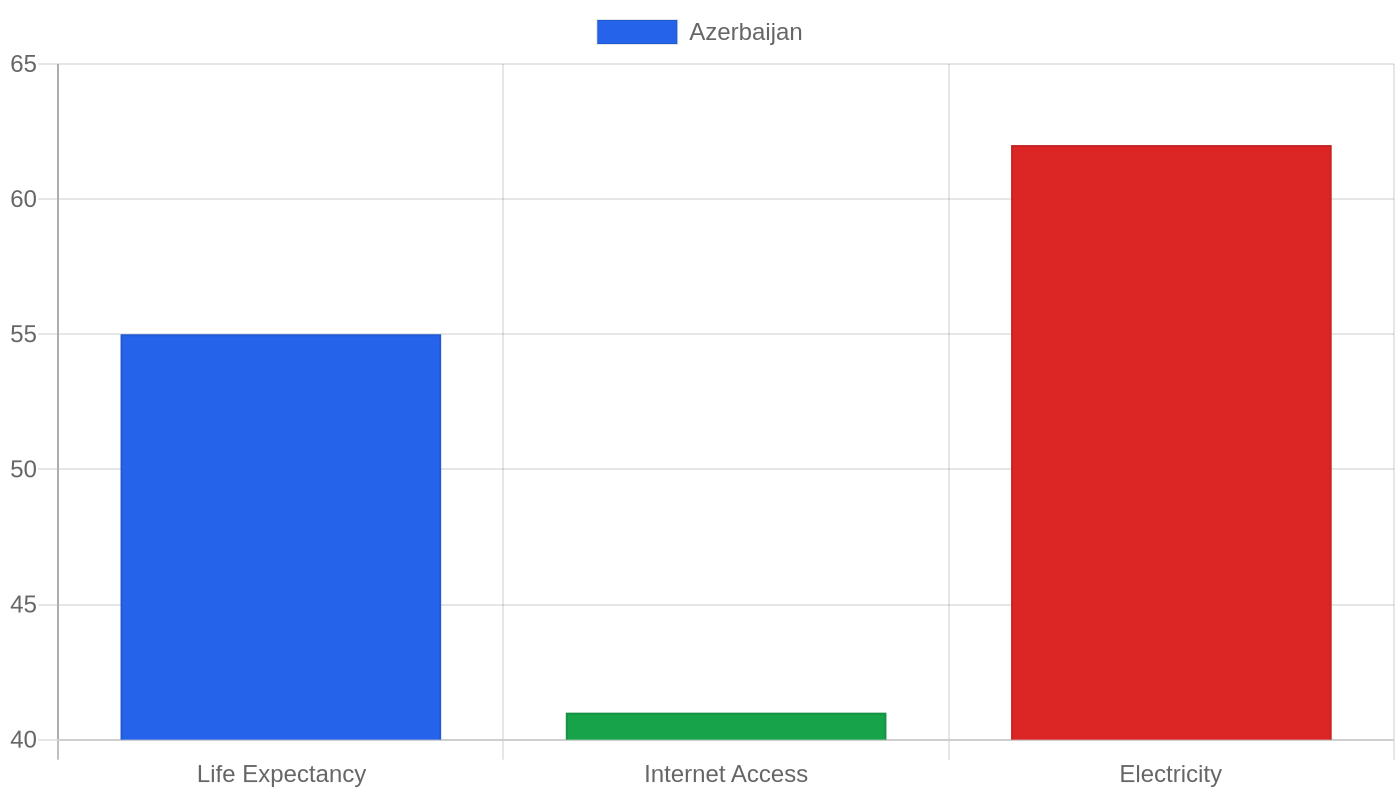
Azerbaijan presents one of the more intriguing economic puzzles in the post-Soviet space. The World Bank’s latest data reveals a striking absence of key economic indicators — no GDP growth figures, no inflation data, no unemployment statistics, and no per-capita income numbers are currently available. This statistical vacuum is itself telling.
For a nation that has spent two decades leveraging its Caspian Sea energy reserves into regional influence, the opacity around basic economic metrics raises questions about the quality of governance and data transparency.
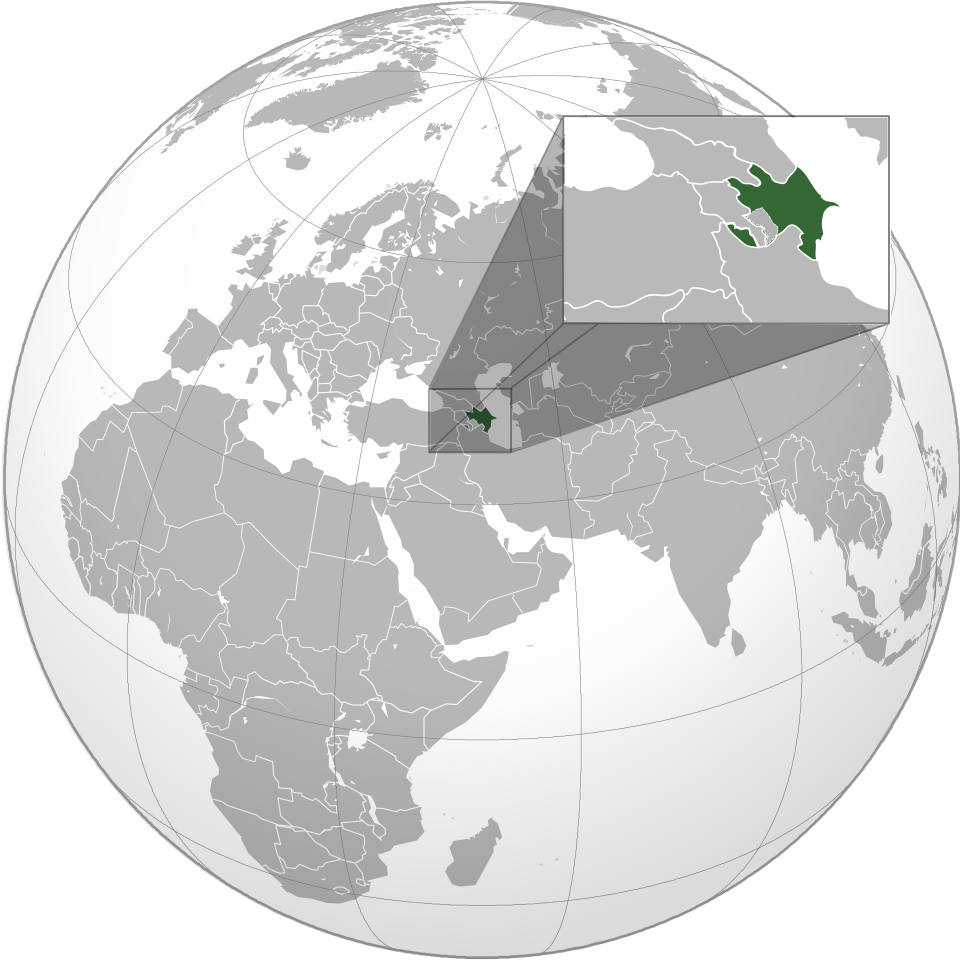
What we do know is that Azerbaijan’s economic structure has historically been dominated by oil and gas extraction, with the State Oil Company of Azerbaijan Republic (SOCAR) serving as the primary engine of state revenue. The country’s strategic location along the ancient Silk Road, bordered by the Caspian Sea to the east and the Caucasus Mountains to the north, has positioned it as a critical transit hub for energy and goods moving between Europe and Asia.
The absence of World Bank data may reflect ongoing methodological challenges or reporting delays, but it also underscores a broader issue: the difficulty of conducting independent economic analysis in a political environment where state control extends to statistical agencies.
The industrial landscape reveals a government attempting to diversify beyond hydrocarbons. Azerbaijan Caspian Shipping Company and Azerbaijan Railways represent ambitious state investments in logistics infrastructure, while the presence of construction giant Akkord Industry Construction Investment Corporation signals significant domestic building activity. The utilities sector, anchored by Azersu Open Joint Stock Company, suggests ongoing modernization of water and energy distribution systems.
These investments, while substantial, have yet to translate into the kind of transparent economic data that international investors typically require.
The Cost of Living: Between Caspian Riches and Regional Reality
Housing and daily expenses in Azerbaijan’s capital, Baku, reflect the country’s peculiar position as an energy-rich state with a developing economy. The city’s skyline, dominated by the iconic Flame Towers, speaks to significant wealth concentration, yet the broader population faces costs that must be weighed against local wage levels. Without current World Bank data on GNI per capita or GDP per capita, we must rely on the observable reality of a society in transition.
The presence of AF Hotel Group and other consumer services companies suggests a growing hospitality and tourism sector, catering to both business travelers drawn by energy deals and tourists exploring the country’s UNESCO-listed heritage sites. The cost of living in Baku has historically been higher than in regional peers like Tbilisi or Yerevan, driven by energy-sector salaries and expatriate demand for housing.
However, the gap between Baku’s affluent center and the regions remains stark, with rural areas experiencing significantly lower living costs and fewer economic opportunities. The rental market in Baku’s prime districts commands premium prices, while homeownership remains the preferred long-term strategy for most Azerbaijani families, supported by state-backed mortgage programs that have fluctuated with oil price volatility.
Investment and Business Climate: State Giants and Financial Experimentation
The corporate landscape of Azerbaijan is a study in controlled capitalism. The top companies list reveals a mix of state-owned behemoths and private-sector players operating within a tightly managed economic environment. AccessBank Azerbaijan and AtaBank represent a banking sector that has undergone significant consolidation and reform since the 2015 currency devaluation, yet remains vulnerable to political influence and state-directed lending.
The conglomerate AF Holding, spanning multiple sectors, exemplifies the business model that flourishes under the current system — diversified interests with strong political connections. ANS Group of Companies in consumer services and Medeniyyet TV in media highlight the challenges of operating in a country where Freedom House ranks press freedom at a mere 7 out of 100.
For international investors, the calculation is complex: Azerbaijan offers strategic access to Caspian energy resources and a gateway to Central Asian markets, but requires navigating a business environment where rule of law is unevenly applied and political connections often determine commercial success. The government has made rhetorical commitments to economic reform and diversification, but tangible progress remains difficult to measure without reliable economic data.
Safety, Politics, and the Quality of Life Paradox
Azerbaijan’s political system functions as an authoritarian regime in practice, according to multiple international assessments cited in the World Bank’s background documentation. While the government regularly holds elections, these are systematically marred by electoral fraud and other unfair election practices.
The Aliyev political family, through the New Azerbaijan Party established by Heydar Aliyev, has ruled continuously since 1993, creating a dynastic political structure that shows no signs of meaningful challenge.
Freedom House categorizes Azerbaijan as “not free,” with a Global Freedom Score of 7 out of 100 — among the lowest in the world. This political reality creates a paradoxical quality of life situation. On one hand, Baku offers a relatively safe, modern urban environment with low crime rates and functioning infrastructure.
On the other hand, the absence of political freedoms, independent media, and meaningful civic participation imposes costs that are difficult to quantify but profoundly affect daily life. For the average Azerbaijani, the trade-off between stability and freedom remains unresolved, with the state’s oil wealth funding social programs and infrastructure while simultaneously entrenching political control.
Current Affairs: The Post-Conflict Reckoning
The most significant development shaping Azerbaijan’s current trajectory is the aftermath of the 2023 military operation that resulted in Baku’s full restoration of control over the Karabakh region — a territory internationally recognized as Azerbaijani but populated by ethnic Armenians for decades. This military victory has transformed the country’s political landscape, boosting domestic support for the government while creating massive reconstruction challenges.
The return of displaced populations and the need to rebuild devastated areas present both economic opportunities and humanitarian obligations.
Simultaneously, Azerbaijan has been positioning itself as a critical energy supplier to Europe, seeking to fill supply gaps through expanded natural gas exports via the Southern Gas Corridor. The country’s role as a transit hub has grown with the development of the International North-South Transport Corridor, linking Russian and Iranian markets to the Persian Gulf.
These strategic initiatives suggest a government confident in its regional position, yet the economic data gap raises concerns about how sustainable this growth trajectory truly is. The government’s emphasis on infrastructure investment, combined with its authoritarian governance model, points to a development path that prioritizes state control over market liberalization — a bet that has produced mixed results across the post-Soviet world.
The Bottom Line
Azerbaijan deserves close attention from investors, policymakers, and analysts who understand that the country’s significance extends far beyond its formal economic statistics. The absence of reliable data from the World Bank should itself be treated as a signal — a reminder that in authoritarian systems, information is as controlled as any other resource. For energy companies, infrastructure firms, and those with high risk tolerance, Azerbaijan offers genuine opportunities.
For those requiring transparency, rule of law, and democratic accountability, the country will remain a challenging proposition. The coming years, as the Karabakh reconstruction unfolds and European energy demands evolve, will test whether Azerbaijan can translate its geopolitical leverage into sustainable, inclusive economic development — or whether the opacity that currently masks its economic performance will come to define its future.
Sources & Methodology
This article is authored by Economic Pulse Net for informational and research purposes. Economic Pulse Net sources its data from multilateral institutions, national statistics bureaus, and proprietary databases. All data is believed to be current as of the date of publication.
Published: August 09, 2026 | Category: Research — Azerbaijan
Use these signals in your own platform
Economic Pulse publishes its live signal feed through a documented, read-only API. Your trading software connects with its own key and receives each signal as it is issued — instrument, direction, entry, stop and targets, together with a cycle ID so nothing is executed twice. The feed is independent of this website and cannot change it.
Signals are informational only and are not financial advice.