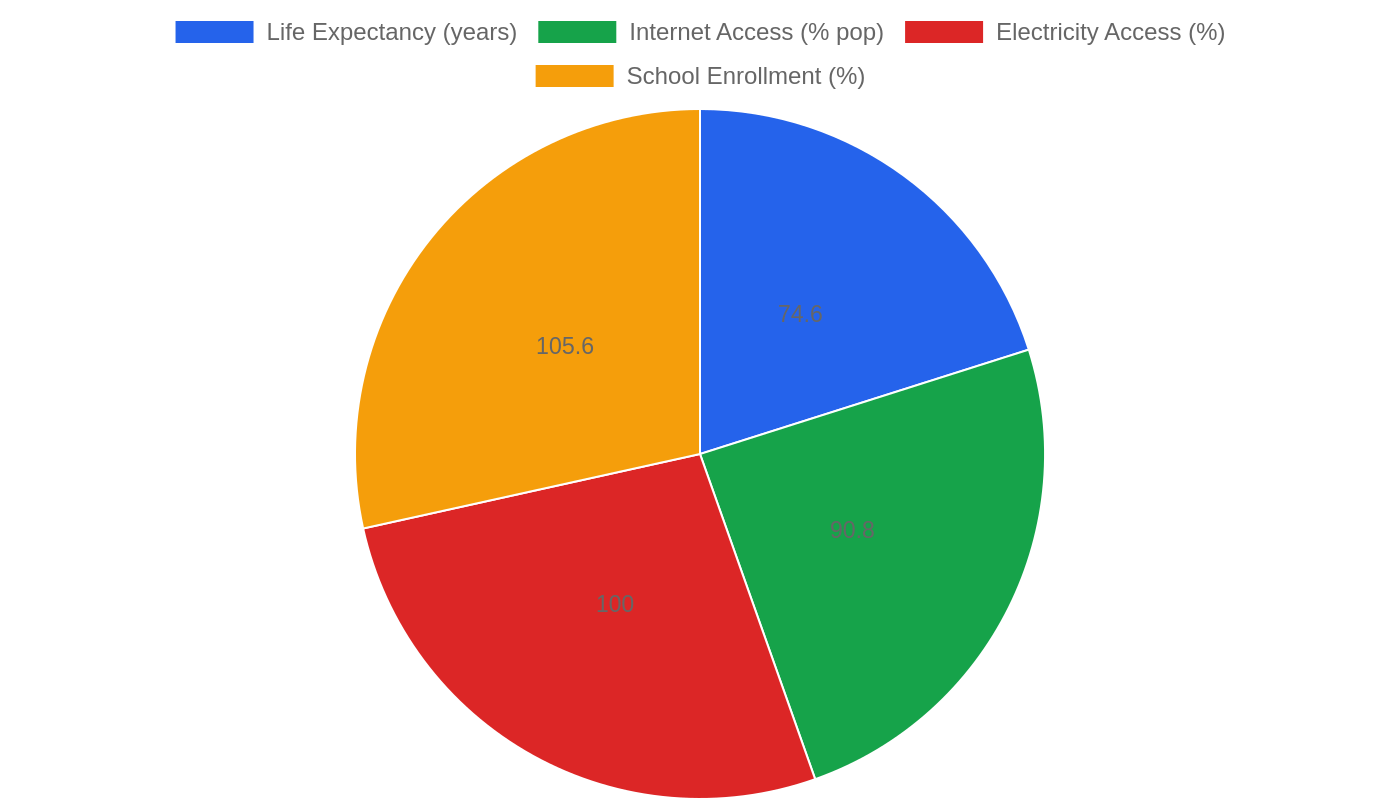
Economic Pulse Net | Sources: World Bank World Development Indicators, Government Sources | 2026
Key Takeaways
* Authoritarian Stability: The nation operates under a continuous authoritarian regime led by the Aliyev political family since 1993, characterized by regular but flawed elections.
Industrial Dominance: Major economic players are concentrated in industrials, financials, and consumer services, with state-linked entities like Azerbaijan Railways playing pivotal roles.
Media Landscape: The media sector is dominated by specific conglomerates, including Medeniyyet TV and the ANS Group, reflecting a tightly controlled information environment.
Data Transparency Gaps: Official macroeconomic indicators such as GDP growth, inflation, and unemployment rates are currently reported as unavailable by the World Bank, complicating traditional economic analysis.
The Engine of State Capitalism
Azerbaijan’s economic narrative is defined less by transparent market metrics and more by the structural dominance of state-aligned enterprises. While the World Bank reports that key indicators such as GDP growth, inflation CPI, and unemployment percentages are currently listed as “N/A,” the underlying structure of the economy remains visible through its corporate landscape.
The absence of these standard statistical benchmarks does not imply an absence of activity; rather, it suggests an economy where formal data collection may lag behind rapid, state-directed industrial expansion. In this environment, the distinction between public policy and private enterprise is often blurred, with major industrial players operating under significant government oversight.
This lack of granular data makes it difficult for international investors to perform standard risk assessments based on traditional macroeconomic health, forcing observers to look instead at corporate balance sheets and sectoral dominance. The economy appears to function on a model of centralized control, where stability is prioritized over statistical transparency.
Consequently, the true health of the Azerbaijani economy is best inferred not from headline GDP figures, but from the operational capacity of its largest state-linked corporations. This approach to economic management creates a unique investment climate where political loyalty and industrial output are closely intertwined, challenging conventional Western economic models that rely heavily on open data and independent central banking metrics.
Cost of Living and Urban Realities
For expatriates and local residents alike, the cost of living in Azerbaijan is shaped by the availability of utilities and the concentration of consumer services within major urban centers. Although specific price indices are not provided, the presence of entities like Azersu Open Joint Stock Company indicates that water utility provision is managed through a structured, likely state-influenced, framework that stabilizes basic household expenses.
Housing costs are influenced by the broader consumer services sector, which includes hospitality giants like AF Hotel Group, suggesting a tiered market where luxury accommodations coexist with standard residential options. Daily expenses are likely moderated by the dominance of local conglomerates such as AF Holding, which may exert pricing power across multiple retail and service categories.
Compared to regional averages, the cost structure appears to be heavily influenced by import dependencies and local production capabilities, particularly in the industrial and construction sectors. The lack of explicit inflation data means that consumers must navigate price changes without clear national benchmarks, relying instead on local market signals.
Rent versus buy decisions are further complicated by the limited transparency in property valuation metrics, making real estate investments a venture reliant on local knowledge rather than standardized financial instruments. Ultimately, the daily economic experience is dictated by the efficiency of these large domestic firms, which serve as the primary providers of essential goods and services to the population.
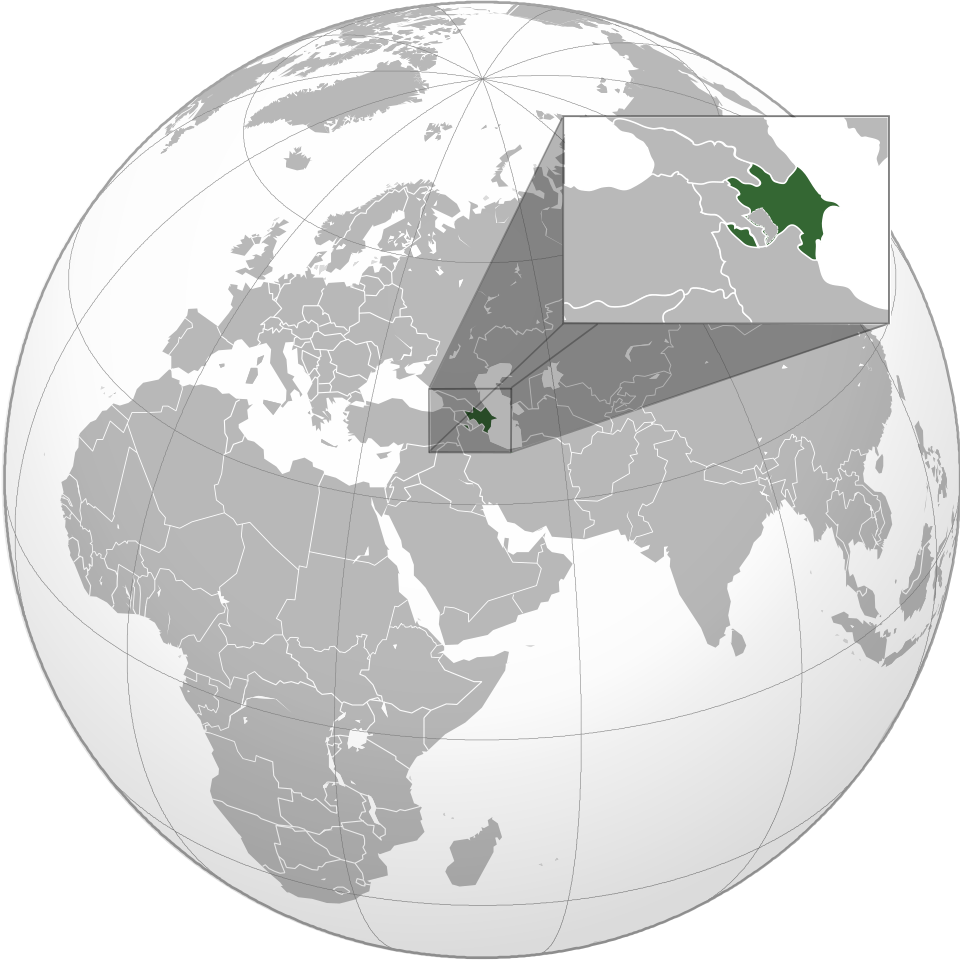
Investment & Business Climate: A Sectoral Deep Dive
The business environment in Azerbaijan is characterized by the outsized influence of a few large conglomerates that span multiple critical industries. Investors looking at the country must navigate a landscape where competition is often secondary to established relationships with state-affiliated entities. The top companies list reveals a heavy concentration in Industrials and Financials, with Azerbaijan Caspian Shipping Company and Azerbaijan Railways serving as backbone infrastructure providers.
These entities are not merely commercial operators but are integral to the national logistics and trade strategy, offering stable, albeit monopolistic, opportunities for partnership. In the financial sector, AccessBank Azerbaijan and AtaBank provide the necessary capital flows, though their operations are likely subject to strict regulatory oversight given the political context.
The Consumer Services sector is equally consolidated, with Medeniyyet TV and ANS Group dominating media and entertainment, while AF Hotel Group controls significant portions of the hospitality market. For foreign investors, the entry barrier is high due to the entrenched position of these domestic giants, particularly AF Holding, which operates as a conglomerate with diversified interests.
Business development in areas like construction is facilitated by Akkord Industry Construction Investment Corporation, indicating that infrastructure projects are driven by specialized, large-scale contractors. Success in this market requires understanding not just commercial viability, but also navigating the complex web of political connections that define the relationship between the New Azerbaijan Party (YAP) and the corporate elite.
Safety, Politics & Quality of Life
Life in Azerbaijan is governed by a political framework that has remained unchanged since 1993, creating a society with deep-seated institutional stability but limited political pluralism. The government functions as an authoritarian regime in practice, with the Aliyev political family and the New Azerbaijan Party maintaining continuous control over the legislative and executive branches.
While elections are held regularly, they are widely criticized for being marred by electoral fraud and unfair practices, leading to international bodies like Freedom House categorizing the country as “not free.” This political reality permeates all aspects of daily life, from freedom of expression to the independence of the judiciary. Crime and safety indices are currently reported as unavailable, leaving a gap in understanding the day-to-day security environment for residents and travelers.
However, the strong state control implies a low level of street crime, even if civil liberties are restricted. The quality of life is thus defined by a trade-off: physical safety and economic predictability provided by a strong central authority come at the cost of political rights and democratic participation. Citizens operate within a system where dissent is minimized, and the social contract is based on stability rather than accountability.
This environment fosters a cautious public sphere, where economic activities proceed smoothly, but civic engagement is severely constrained.
What’s Happening Now: The Political Reality
The most significant current affair in Azerbaijan is not an economic trend, but the enduring nature of its political structure. The continuity of rule by the Aliyev family and the New Azerbaijan Party since 1993 represents a long-term strategy of consolidating power across all state institutions.
Recent analyses highlight that despite the appearance of democratic processes through regular elections, the systemic issues of electoral fraud remain unresolved, keeping the country ranked poorly on global freedom indices. This political stagnation directly impacts the business climate, as policy shifts are unlikely to occur independently of the ruling party’s strategic interests.
There are no recent reports of significant economic reforms or inflationary spikes in the available data, suggesting that the status quo is maintained deliberately. The focus of current affairs remains on the internal dynamics of power preservation rather than external economic shocks. Media outlets like Medeniyyet TV and the ANS Group continue to operate within the boundaries set by the state, ensuring that public discourse aligns with official narratives.
Consequently, “what is happening now” is essentially a continuation of the past three decades: a stable, authoritarian governance model that prioritizes regime survival above all else. This political certainty provides a predictable, if restrictive, backdrop for all economic and social activities in the country.
The Bottom Line
Azerbaijan presents a unique case study for investors and analysts seeking stability in a politically rigid environment. The country offers a predictable, albeit closed, market dominated by state-aligned conglomerates in industrials, finance, and services. However, the lack of transparent macroeconomic data and the authoritarian political landscape pose significant risks for those accustomed to open-market economies.
It is a destination for those who value operational continuity over democratic accountability, requiring a nuanced understanding of local power structures. Watch this country if you are interested in how state capitalism functions in the post-Soviet space, but proceed with caution regarding political and reputational risks.
Sources & Methodology
This article is authored by Economic Pulse Net for informational and research purposes. Economic Pulse Net sources its data from multilateral institutions, national statistics bureaus, and proprietary databases. All data is believed to be current as of the date of publication.
Published: October 26, 2026 | Category: Research — Azerbaijan
Use these signals in your own platform
Economic Pulse publishes its live signal feed through a documented, read-only API. Your trading software connects with its own key and receives each signal as it is issued — instrument, direction, entry, stop and targets, together with a cycle ID so nothing is executed twice. The feed is independent of this website and cannot change it.
Signals are informational only and are not financial advice.