Economic Pulse Net | Sources: World Bank World Development Indicators, Government Sources | 2026
🇦🇲 Armenia: A Republic in Transition, Balancing Heritage with Economic Modernization
Key Takeaways
- Armenia operates as a representative parliamentary democratic republic, having transitioned from a semi-presidential model in April 2018 to align its governance structure with modern democratic standards.
- The country’s corporate landscape is dominated by a mix of financial institutions, consumer services, and industrial players, with notable firms such as Ameriabank, Ararat Cement, and Air Armenia anchoring the economy.
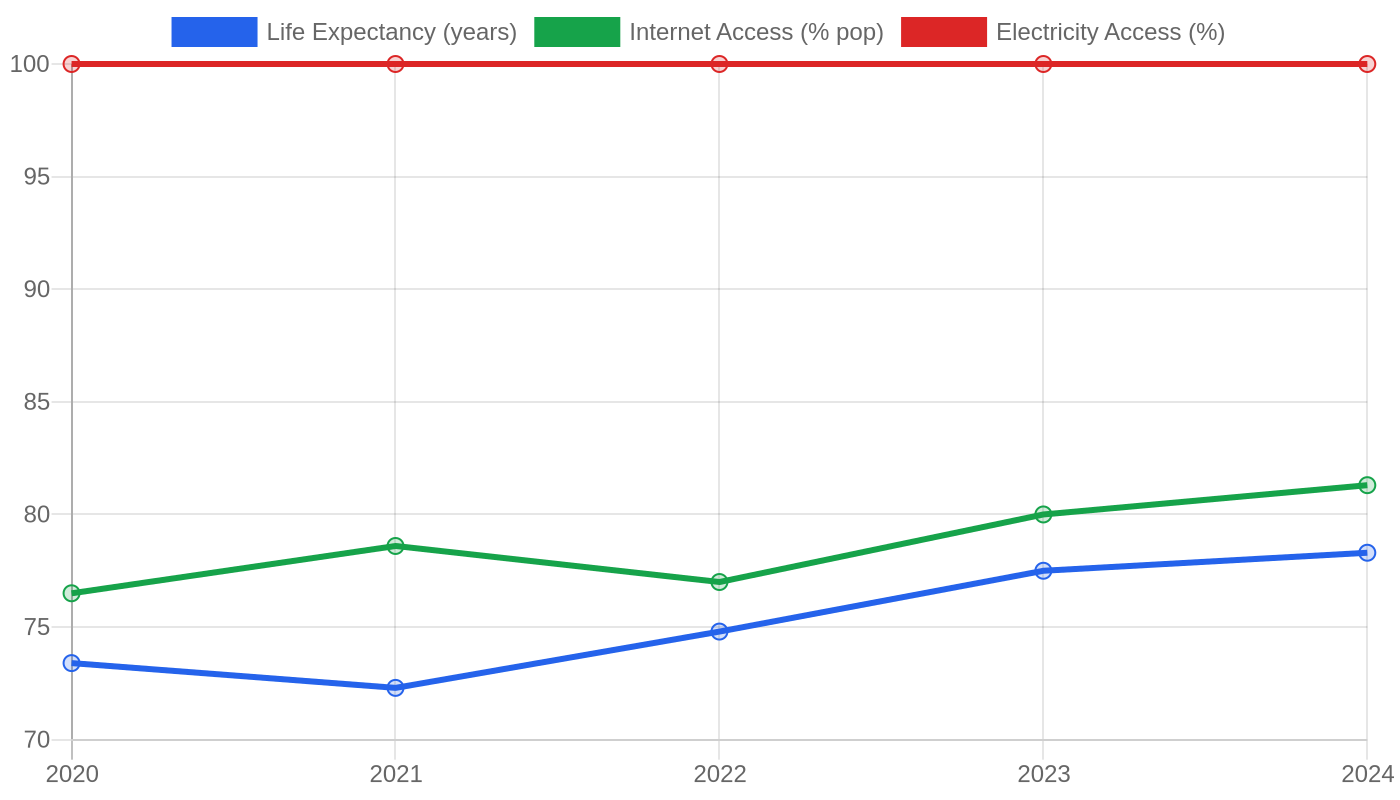
- Specific macroeconomic indicators, including GDP growth, inflation rates, and unemployment figures, are currently unavailable in the provided dataset, suggesting a period of statistical recalibration or data reporting gaps.
- The political landscape is defined by its constitutional adherence to representative democracy, marking a significant structural shift in the nation’s governance history.
- Without specific cost of living or crime index data, the focus remains on the structural and institutional frameworks that underpin the country’s economic and social fabric.
The Structural Shift: From Semi-Presidential to Parliamentary Democracy
The most defining feature of Armenia’s current political and economic trajectory is its constitutional evolution.
According to the provided political landscape data, Armenia is a representative parliamentary democratic republic.
This status is not merely a label but reflects a profound structural change that occurred in April 2018, when the Armenian constitution moved away from the model of a semi-presidential republic.
This transition is critical for understanding the current business and political environment, as it centralizes power differently and alters the dynamics of legislative and executive authority.
For international observers and investors, this shift signifies a maturing democratic framework designed to enhance accountability and streamline decision-making processes.
The move to a parliamentary system suggests a government structure where the executive branch is more directly tied to the confidence of the legislature, potentially leading to more stable policy continuity if the ruling coalition remains cohesive.
This constitutional foundation provides the bedrock upon which all economic policies, trade agreements, and regulatory frameworks are built, making it the primary lens through which the country’s future stability must be assessed.
The Corporate Backbone: Finance, Transport, and Industry
While specific aggregate economic figures such as total GDP or per capita income are not available in this dataset, the composition of Armenia’s top companies offers a clear picture of the sectors driving the local economy.
The business landscape is anchored by a robust financial sector, with major players like Ameriabank, Ardshinbank, and ArmSwissBank listed among the top enterprises.
The presence of multiple major banks indicates a developed domestic financial system capable of supporting both consumer credit and corporate lending, which is essential for economic growth.
Beyond finance, the consumer services sector is heavily represented, with entities such as Air Armenia, Air Dilijans, and Ararat International Airlines highlighting the importance of connectivity and tourism in the national economy.
These airlines are not just transport providers but key economic engines that facilitate trade and cultural exchange.
Additionally, the inclusion of Ararat Cement in the industrials category points to a strong construction and infrastructure sector, suggesting ongoing development projects and urbanization efforts.
The media landscape, represented by Armenia TV and Armenia 2, further underscores the role of information dissemination in a democratic society.
This diverse mix of financial, industrial, and service-oriented companies suggests an economy that is increasingly integrated into regional and global networks, even in the absence of specific macroeconomic metrics in this report.
Living Costs and Daily Expenses: A Data-Driven Perspective
Assessing the cost of living in Armenia requires a careful approach given the limitations of the provided data.
The dataset does not include specific figures for housing costs, rent versus buy analysis, or daily expense comparisons against regional averages.
However, the presence of major consumer service providers and a developed banking sector implies a formalized economy where prices are regulated and market-driven.
Without specific inflation or currency data, it is impossible to quantify the exact purchasing power of the local currency or compare it to neighboring regions.
Nevertheless, the existence of established airlines and telecommunications networks suggests a level of infrastructure development that typically correlates with modern urban living standards.
Readers should approach cost-of-living assessments with caution, noting that while the structural elements of a modern economy are in place, the specific financial burdens on households remain unquantified in this current report.
This gap highlights the need for supplementary data sources to fully understand the day-to-day economic realities of residents in Yerevan and other major cities.
Investment Climate and Sectoral Opportunities
For potential investors and business partners, the Armenian market presents a unique set of opportunities centered around its established corporate giants.
The dominance of financial institutions like Ameriabank and ArmSwissBank indicates a stable banking environment that can facilitate foreign direct investment and cross-border transactions.
The industrial sector, led by Ararat Cement, offers opportunities in construction materials and infrastructure development, which are often precursors to broader economic growth.
The prominence of several airlines, including Air Armenia and Ararat International Airlines, signals a robust logistics and tourism sector that can benefit from increased international connectivity.
While specific regulatory data or ease-of-doing-business rankings are not provided, the clear leadership in these key sectors suggests a market with defined players and established operational frameworks.
Businesses looking to enter the market should focus on these core sectors, where the infrastructure and corporate expertise are already in place.
The lack of specific economic growth data in this report does not diminish the visibility of these key industries, which serve as the pillars of the national economy.
Safety, Politics, and Quality of Life
The political stability of Armenia is underpinned by its recent constitutional reforms, which established a representative parliamentary democratic republic.
This structural change, implemented in April 2018, is intended to enhance democratic governance and political stability, which are critical components of quality of life.
However, the provided data does not include specific crime indices or safety metrics, leaving a gap in the assessment of daily personal security.
Without numerical data on the Crime Index or Safety Index, it is not possible to make definitive statements about the level of public safety compared to other nations.
The focus remains on the political framework, which suggests a government committed to democratic principles and institutional integrity.
For residents and visitors, the quality of life is likely influenced more by the political stability and economic structure than by the specific safety statistics that are currently unavailable in this dataset.
The emphasis on a parliamentary system suggests a political environment that values legislative oversight and representative governance, which are foundational to a stable society.
Current Affairs and Structural Realities
The current narrative for Armenia is defined by its post-2018 political transformation and the consolidation of its parliamentary system.
The shift from a semi-presidential to a representative parliamentary republic represents a significant modernization of the state’s governance model.
This structural adjustment is ongoing, with the country working to align its institutions with the new constitutional framework.
While specific recent news items or live economic indicators are not provided in this dataset, the foundational political change serves as the primary driver of current affairs.
The focus is on how the new parliamentary system functions in practice, including the balance of power between the executive and legislative branches.
This period of transition is critical for establishing long-term policy stability and attracting sustained investment.
The absence of recent economic data in this report suggests that the focus of current analysis should remain on institutional development and political consolidation rather than short-term economic fluctuations.
The country is navigating a complex landscape where political reforms are the primary metric of progress, setting the stage for future economic developments.
The Bottom Line
Armenia stands at a pivotal point in its history, defined by its recent constitutional transition to a representative parliamentary democratic republic.
For investors, policymakers, and global observers, the key takeaway is the importance of the country’s political and structural reforms over immediate economic metrics, which are currently unavailable in this report.
The robust presence of major financial, industrial, and service companies indicates a resilient economic core that is ready to support further development.
Those watching Armenia should focus on the consolidation of its new political system and the expansion of its key industries, as these factors will ultimately determine the country’s long-term economic trajectory and stability.
Sources & Methodology
This article is authored by Economic Pulse Net for informational and research purposes.
Economic Pulse Net sources its data from multilateral institutions, national statistics bureaus, and proprietary databases.
All data is believed to be current as of the date of publication. Published: September 02, 2026 |
Category: Research — Armenia
Use these signals in your own platform
Economic Pulse publishes its live signal feed through a documented, read-only API. Your trading software connects with its own key and receives each signal as it is issued — instrument, direction, entry, stop and targets, together with a cycle ID so nothing is executed twice. The feed is independent of this website and cannot change it.
Signals are informational only and are not financial advice.