Economic Pulse Net | Sources: World Bank World Development Indicators, Government Sources | 2026
Key Takeaways
* Political Transformation: Armenia has transitioned from a semi-presidential model to a representative parliamentary democratic republic, fundamentally reshaping its governance structure since April 2018.
Service-Led Economy: The corporate landscape is dominated by consumer services, aviation, and financial institutions, indicating a shift away from heavy industry toward service-based value creation.
Corporate Landscape: Key economic players include major airlines like Air Armenia and Ararat International Airlines, alongside significant banking entities such as Ameriabank and Ardshinbank.
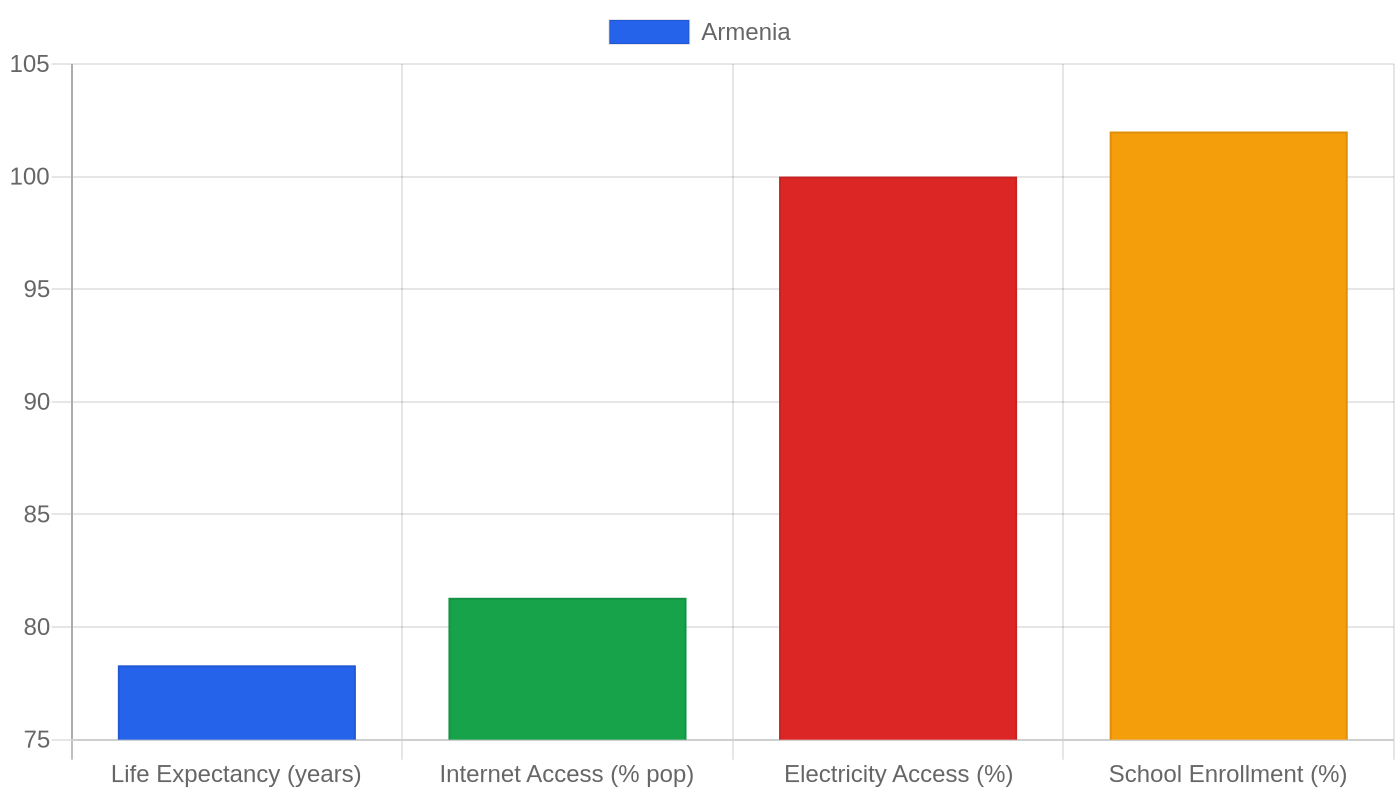
Data Transparency Gaps: Current macroeconomic indicators, including GDP growth, inflation, and unemployment rates, are not currently available through standard World Bank reporting channels for this period.
Strategic Positioning: Despite the lack of aggregate economic data, the presence of specialized firms in cement, railways, and media suggests a diversified but niche industrial base focused on regional connectivity.
Economic Architecture: Beyond the Aggregate Numbers
While specific metrics such as GDP growth, inflation CPI, and unemployment rates remain unavailable in the latest World Bank datasets, the structural composition of Armenia’s economy tells a compelling story of adaptation. The absence of headline figures does not negate the reality that the country is navigating a complex post-reform economic environment. Instead of relying on broad aggregate statistics, investors must look at the industrial mix to gauge health.
The prominence of consumer services and financials among top companies suggests an economy that is increasingly driven by domestic consumption, cross-border connectivity, and capital mobility rather than traditional manufacturing or resource extraction. This structural shift implies that economic resilience may be tied more to tourism flows, remittances, and digital service exports than to volatile commodity prices.
Furthermore, the inclusion of infrastructure-heavy entities like Armenian Railways and Ararat Cement indicates that foundational logistics and construction sectors remain vital pillars of the national output. Therefore, while we cannot quantify the speed of growth, we can observe the direction of travel: a modernization of the service sector supported by critical industrial utilities.
This nuanced view allows stakeholders to assess risk based on sectoral stability rather than waiting for lagging macroeconomic aggregates.
Cost of Living: Navigating the Service Economy
For expatriates and local residents alike, understanding the cost of living in Armenia requires looking at the availability of high-quality consumer services rather than just housing indices. With major players like Air Armenia and Air Dilijans operating within the market, transportation costs and accessibility to regional hubs are key components of daily expenses.
The presence of established financial institutions such as ArmSwissBank and Ameriabank suggests a mature banking sector that likely offers competitive currency exchange and credit facilities, which indirectly influences personal finance management. Although specific rental yields and average apartment prices are not provided, the dominance of consumer-facing brands implies a vibrant urban center where discretionary spending on entertainment, dining, and travel plays a significant role in household budgets.
Media companies like Armenia TV and Armenia 2 further indicate a robust local information ecosystem, which often correlates with a middle-class demographic capable of sustaining demand for premium services. Consequently, the cost structure appears to be weighted towards experiences and connectivity, reflecting a society that values access to global networks and local cultural offerings. This profile suits professionals who prioritize lifestyle and ease of doing business over low-cost labor arbitrage.
Investment & Business Climate: A Sector-Focused Approach
The investment landscape in Armenia is defined less by generic foreign direct investment totals and more by the strength of its incumbent corporate giants. The top companies list reveals a clear concentration in the consumer services and financials sectors, offering targeted entry points for specialized investors. Aviation remains a critical artery for trade and tourism, with Air Armenia, Air Dilijans, and Ararat International Airlines competing to serve both domestic needs and international connections.
This triad of airlines highlights the strategic importance of air connectivity in Armenia’s economic diplomacy and commercial strategy. In the financial sector, Ameriabank, Ardshinbank, and ArmSwissBank provide the necessary liquidity and banking infrastructure to support SMEs and larger enterprises alike. Meanwhile, industrial stalwarts like Ararat Cement and Armenian Railways ensure that the physical backbone of the economy—construction and logistics—remains functional and integrated.
For foreign investors, these entities represent stable, established vehicles for partnership or acquisition, reducing the risks associated with early-stage startups. The diversity across media, finance, and transport suggests a resilient ecosystem where no single sector holds a monopoly on economic activity, thereby distributing risk across multiple verticals.
Safety, Politics & Quality of Life: Stability Through Reform
Armenia’s political trajectory has been marked by decisive institutional change, moving away from a semi-presidential republic model until April 2018 to its current status as a representative parliamentary democratic republic. This constitutional shift was not merely symbolic; it redistributed power dynamics, aiming to create a more accountable and responsive government apparatus.
While specific crime indices and safety scores are not currently quantified, the political consolidation suggests a move toward greater internal stability, which is a prerequisite for long-term quality of life improvements. The transition to a parliamentary system typically empowers the legislature, potentially leading to more diverse policy representations and reduced executive overreach.
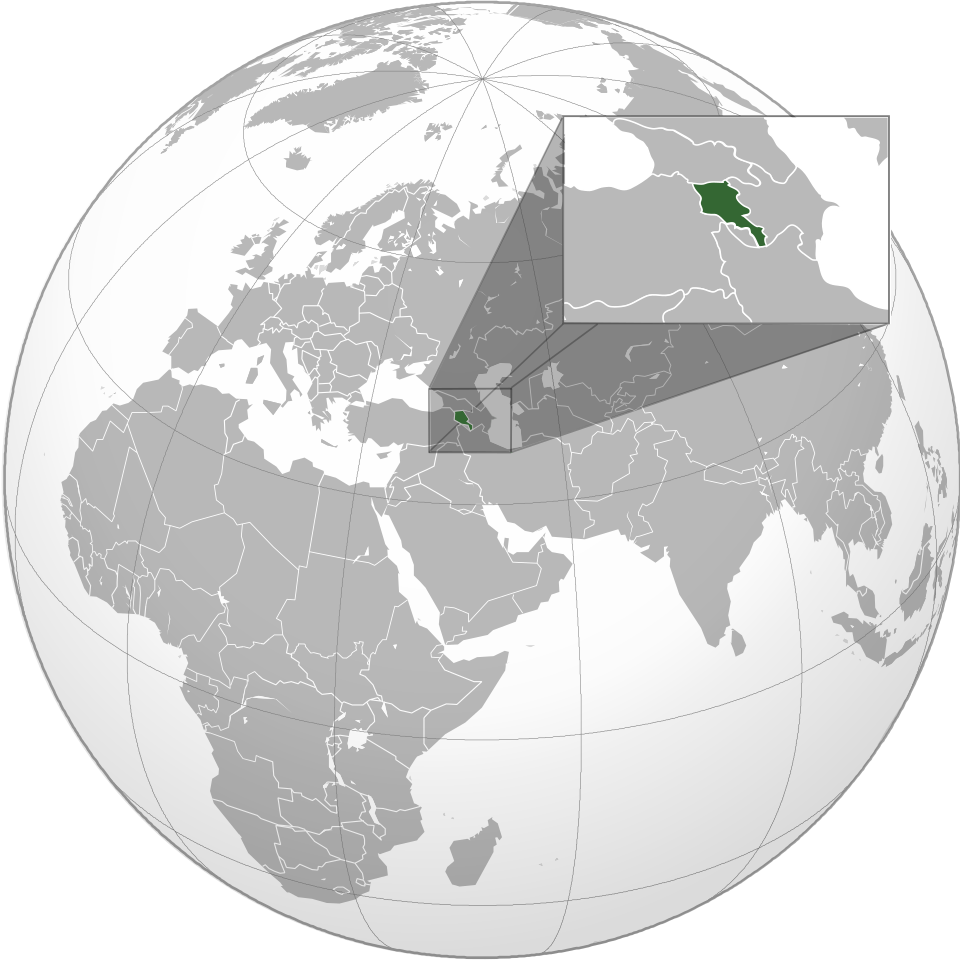
For residents and businesses, this political maturation offers a predictable regulatory environment, even if real-time safety metrics are absent from public databases. The focus on democratic reforms aligns with broader European integration aspirations, enhancing the country’s appeal to those seeking a stable foothold in the South Caucasus region. Ultimately, the political narrative is one of intentional restructuring designed to foster legitimacy and operational efficiency in governance.
What’s Happening Now: The Post-Reform Era
The most significant development defining Armenia’s current economic and social fabric is the completion of its major political transition following the changes instituted in April 2018. The country is now fully entrenched in its new identity as a representative parliamentary democratic republic, a shift that continues to reverberate through policy-making and administrative structures.
This political evolution serves as the backdrop for all contemporary economic activities, influencing everything from foreign policy alignment to domestic regulatory frameworks. As the nation consolidates this new democratic model, the focus of leadership has shifted toward strengthening institutional capacity and fostering an environment conducive to private sector growth.
The active participation of major airlines and banks indicates that despite the political overhaul, the engine of commerce continues to turn, adapting to the new governance rules. Stakeholders are currently observing how the parliamentary system impacts fiscal discipline and investment incentives, with the corporate sector responding by leveraging existing strengths in aviation and finance.
This period is characterized by a blend of political consolidation and steady commercial operation, marking a phase of stabilization after years of transformative change.
The Bottom Line
Armenia presents a unique case study for observers interested in the intersection of political reform and service-sector economic development. While the lack of immediate World Bank data on GDP and inflation necessitates a qualitative approach, the strength of its corporate leaders in aviation, banking, and media provides a reliable proxy for economic vitality. Investors and analysts should watch Armenia closely as a model of successful political transition and emerging market adaptation.
The country offers a stable, albeit niche, investment opportunity for those willing to engage with its specific industrial strengths rather than broad macroeconomic trends.
Sources & Methodology
This article is authored by Economic Pulse Net for informational and research purposes. Economic Pulse Net sources its data from multilateral institutions, national statistics bureaus, and proprietary databases. All data is believed to be current as of the date of publication.
Published: September 25, 2026 | Category: Research — Armenia
Use these signals in your own platform
Economic Pulse publishes its live signal feed through a documented, read-only API. Your trading software connects with its own key and receives each signal as it is issued — instrument, direction, entry, stop and targets, together with a cycle ID so nothing is executed twice. The feed is independent of this website and cannot change it.
Signals are informational only and are not financial advice.