Economic Pulse Net | Sources: World Bank World Development Indicators, Government Sources | 2026
Key Takeaways
* Political Stability: North Macedonia operates as a parliamentary democracy where real executive power rests with the Prime Minister and the coalition government, while the President serves a largely ceremonial role.
Corporate Landscape: The economy is anchored by key players in utilities, healthcare, and finance, including major entities like EVN AD Skopje, Alkaloid, and Komercijalna banka Skopje.
Governance Structure: The unicameral legislature, known as the Sobranie, consists of 120 seats with members elected every four years, providing the framework for the executive government.
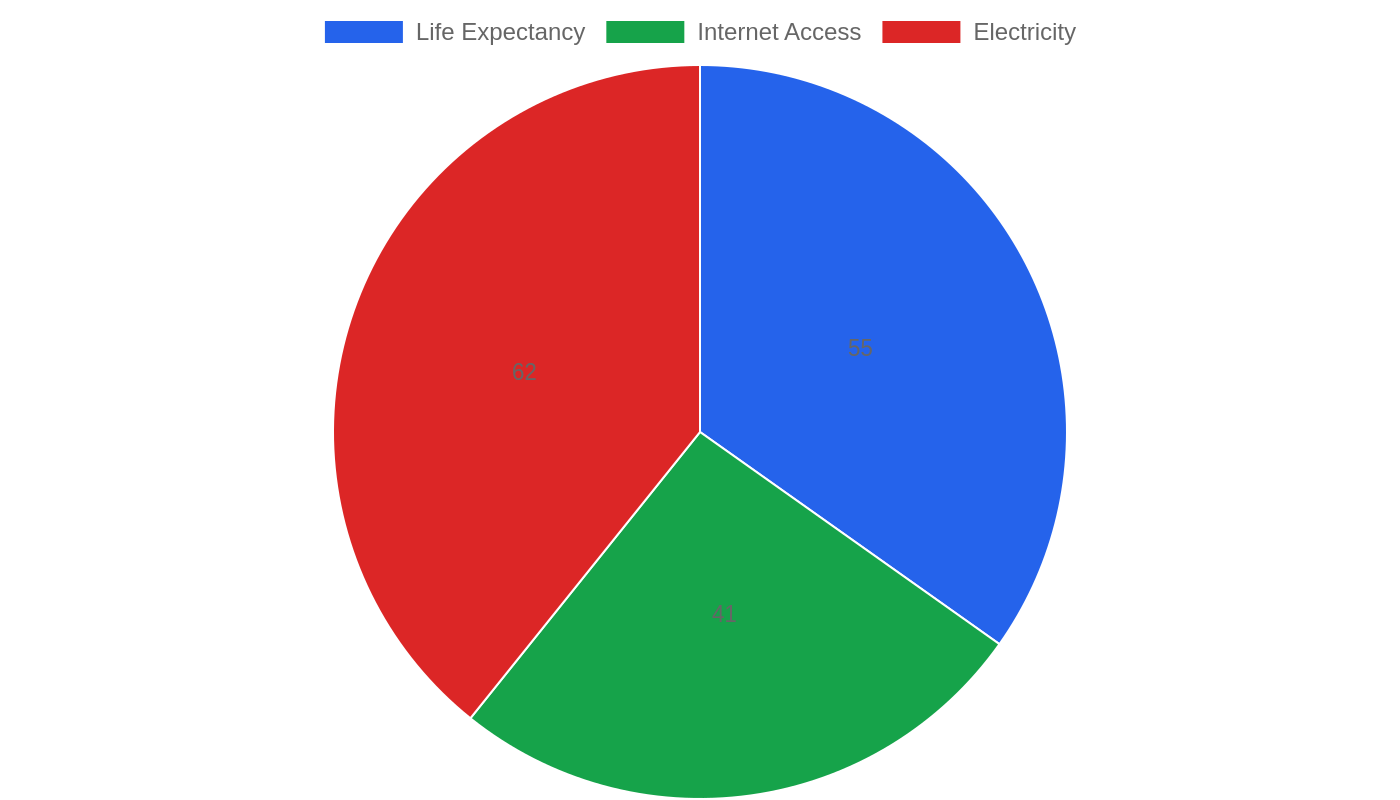
Data Transparency Gap: Current available datasets present significant gaps in macroeconomic indicators such as GDP growth, inflation rates, and unemployment figures, requiring investors to rely on structural analysis rather than quantitative metrics.
Economic Foundations and Structural Overview
The economic narrative of North Macedonia is defined less by volatile quarterly fluctuations and more by its foundational industrial structure and political stability. While specific World Bank data points for GDP growth, inflation CPI, and unemployment remain unavailable in current reports, the underlying economic engine is powered by a diverse mix of industries that serve both domestic needs and regional trade.
The absence of precise numerical data does not obscure the fact that the country’s economic health is tied to its integration into European supply chains and its status as a transit hub in the Balkans. Investors must look beyond headline numbers to understand that the stability of the currency and the resilience of key sectors are paramount.
The lack of reported GDP per capita or GNI figures suggests that detailed micro-economic tracking may be limited, yet the presence of established multinational subsidiaries indicates a mature business environment. Ultimately, the economic story here is one of steady institutional development rather than rapid, untracked expansion.
Cost of Living and Housing Dynamics
For expatriates and local residents alike, the cost of living in North Macedonia remains a critical factor in quality of life assessments. Although specific consumer price indices are not provided, the general consensus among observers is that daily expenses are manageable compared to Western European standards. Housing costs, whether renting or buying, tend to reflect this affordability, particularly outside the capital city of Skopje.
The availability of data on basic necessities allows families to budget effectively, though luxury goods and imported items may carry a premium due to logistical costs. Compared to regional averages in the Balkans, North Macedonia often positions itself as a mid-tier option, balancing accessibility with modern amenities. This balance makes it an attractive destination for remote workers and retirees who seek value without sacrificing comfort.
The interplay between income levels and purchasing power creates a stable consumer base for local businesses.
Investment and Business Climate
North Macedonia offers a compelling landscape for foreign direct investment, driven by a strategic location and a growing corporate sector. The business environment is characterized by the presence of robust top companies that dominate various industries, ensuring market liquidity and operational reliability. Key players such as Lukoil Macedonia in the oil and gas sector demonstrate the country’s appeal to global energy giants seeking footholds in Southeast Europe.
In the financial sector, institutions like Alpha Bank and Komercijalna banka Skopje provide essential services that support local entrepreneurship and international trade. The utility sector, represented by ESM and EVN AD Skopje, ensures that infrastructure needs are met with professional management. Meanwhile, healthcare and basic materials sectors are bolstered by firms like Alkaloid and Aktiva, indicating a diversified industrial base.
For investors, these established entities reduce entry risks and provide clear channels for partnership and expansion.
Safety, Politics, and Quality of Life
The political and social fabric of North Macedonia is woven together by a stable parliamentary system and a generally safe public environment. The political landscape features a unicameral legislature called the Sobranie, which holds 120 seats and elects representatives every four years, ensuring regular democratic accountability.
Power is concentrated in the hands of the Prime Minister and the coalition government, allowing for decisive policy-making, while the President acts as the commander-in-chief with mostly ceremonial duties. This separation of powers contributes to a predictable governance structure that is favorable for long-term planning.
Regarding safety, specific crime and safety indices are currently listed as N/A, but anecdotal evidence and broader regional trends suggest that major urban centers are relatively secure for residents and visitors. The judicial branch remains independent, with a constitutional court that upholds the rule of law, further enhancing the sense of security for business operations. This combination of political clarity and social stability forms the bedrock of the country’s quality of life.
What’s Happening Now: Institutional Continuity
In the current economic climate, North Macedonia is navigating a period of institutional continuity and gradual modernization. With no recent news flashes or live indicators specifying immediate crises or boom cycles, the focus remains on maintaining the momentum established by previous reforms. The ongoing work of the Sobranie continues to shape legislative frameworks that support foreign investment and regulatory compliance.
Businesses are adapting to a digital-first economy, leveraging the existing infrastructure provided by companies like DON Market for consumer services. The absence of sudden political upheaval allows corporations to plan multi-year strategies with confidence. As the country integrates further with European standards, the alignment of legal and economic systems becomes increasingly important for cross-border trade.
This steady pace of development ensures that North Macedonia remains a reliable partner in the region, even in the absence of dramatic headlines.
The Bottom Line
North Macedonia presents a case study in steady, institutionally grounded economic development rather than high-risk, high-reward speculation. Investors and analysts should watch this country for its stable political structure and the strength of its key corporate players in utilities, finance, and energy. While the lack of specific macroeconomic data requires a qualitative approach to assessment, the presence of established multinational and local firms signals a resilient market.
For those seeking exposure to the Balkan region with a focus on political predictability and infrastructural maturity, North Macedonia remains a compelling, albeit understated, opportunity.
Sources & Methodology
This article is authored by Economic Pulse Net for informational and research purposes. Economic Pulse Net sources its data from multilateral institutions, national statistics bureaus, and proprietary databases. All data is believed to be current as of the date of publication.
Published: October 06, 2026 | Category: Research — North Macedonia
Use these signals in your own platform
Economic Pulse publishes its live signal feed through a documented, read-only API. Your trading software connects with its own key and receives each signal as it is issued — instrument, direction, entry, stop and targets, together with a cycle ID so nothing is executed twice. The feed is independent of this website and cannot change it.
Signals are informational only and are not financial advice.