Economic Pulse Net | Sources: World Bank World Development Indicators, Government Sources | 2026
Key Takeaways
* Robust Economic Expansion: South Korea’s economy is projected to grow by approximately 1.0% in 2025, driven by a massive GDP of nearly $1.87 trillion USD, signaling resilience despite global headwinds.
Price Stability with Tight Labor Markets: Inflation remains well-controlled at roughly 2.1%, while unemployment sits at a historically low 2.68%, indicating a tight labor market that supports consumer spending power.
High Standard of Living: With a GDP per capita (PPP) exceeding $63,000 and a GNI per capita of nearly $38,000, the nation maintains one of the highest standards of living in East Asia.
Corporate Diversity Beyond Tech: While known for electronics, major listed entities include diverse sectors such as cement, airlines, banking, and cosmetics, reflecting a broad industrial base.
Stable Democratic Framework: The political landscape operates under a constitutional separation of powers, providing a predictable environment for long-term investment despite local administrative complexities.
Economic Momentum Amidst Global Uncertainty
South Korea’s economic trajectory in 2025 presents a picture of steady, albeit modest, expansion within a highly developed framework. According to World Bank data, the country’s Gross Domestic Product (GDP) stands at an impressive $1.87 trillion USD, underscoring its status as a major global economic player. The projected GDP growth rate for 2025 is recorded at approximately 1.007%, a figure that suggests stability rather than explosive volatility.
This moderate growth is particularly significant given the current global economic climate, where many nations are grappling with stagnation or contraction. Crucially, this growth occurs alongside a remarkably low inflation rate of 2.12%, which indicates that price stability is being maintained without sacrificing economic activity. For investors and policymakers alike, this combination of positive real growth and controlled inflation is a hallmark of a mature, managed economy.
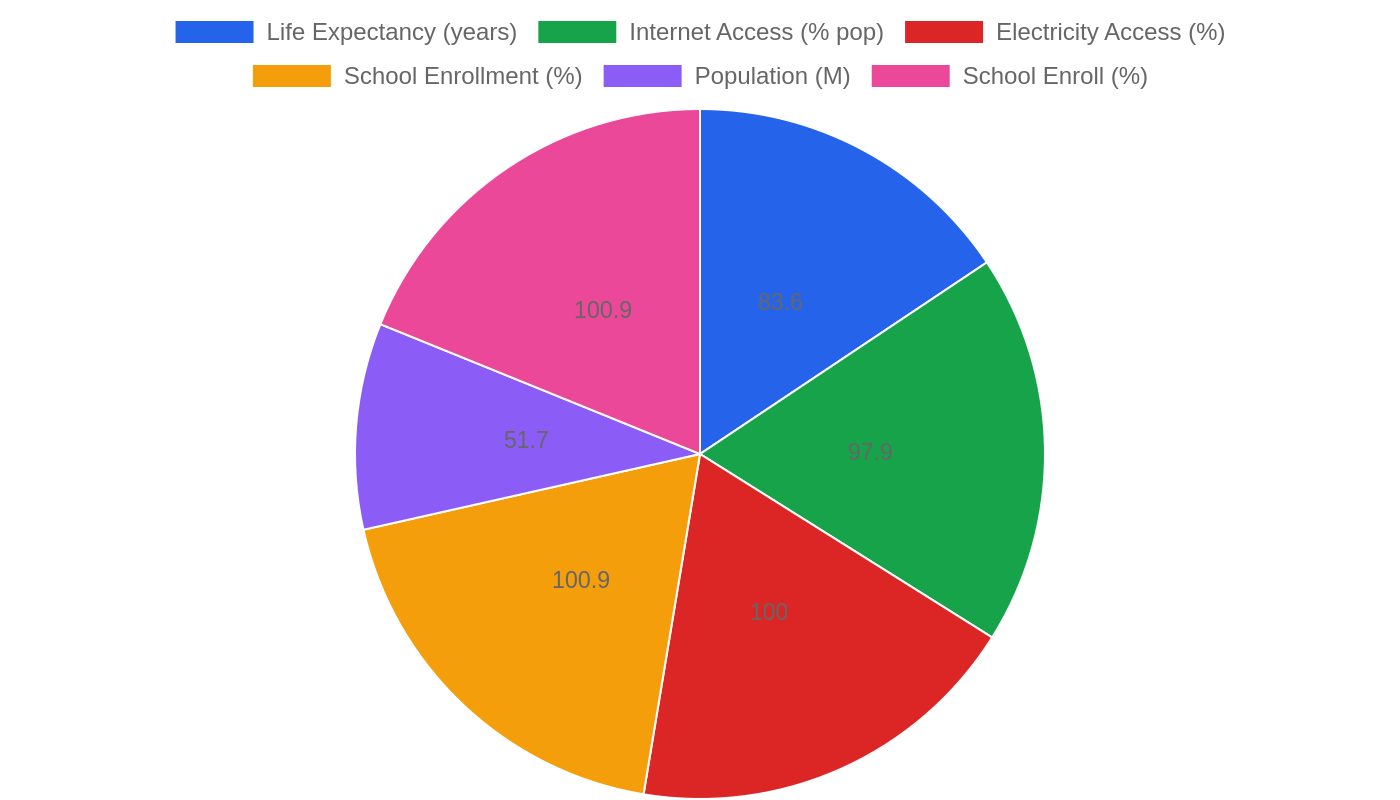
The population of roughly 51.7 million people contributes to a substantial domestic market, yet the true measure of prosperity here lies in the per-capita metrics. With a GDP per capita (PPP) of over $63,124, the average citizen enjoys a purchasing power parity that far exceeds the global average. This high level of individual wealth suggests that economic gains are not just aggregate but are deeply embedded in household finances, supporting sustained domestic consumption.
Navigating the Cost of Living Landscape
For residents and expatriates, understanding the cost of living in South Korea requires looking beyond headline numbers to the quality of life supported by national income levels. While specific housing rent indices are not detailed in the current dataset, the high GNI per capita of $37,880 provides a strong buffer against daily expenses.
This income level implies that even with potentially high urban costs in hubs like Seoul or Busan, the ratio of income to expenditure remains favorable compared to many Western economies. The low inflation rate of 2.12% further aids households by ensuring that the cost of essential goods and services does not erode savings rapidly. Consumers can expect stable pricing on basic necessities, allowing for discretionary spending in areas such as technology, fashion, and dining.
However, the semi-autonomous nature of local governments means that regional variations in service costs and infrastructure fees may exist, requiring careful navigation for those relocating between cities. Ultimately, the high standard of living reflected in the PPP figures suggests that the cost of living is manageable relative to earnings, fostering a society where financial security is more attainable for the middle class.
Investment Climate and Corporate Powerhouses
The business environment in South Korea is characterized by a diverse array of established corporations that drive both domestic innovation and international trade. Major players span multiple industries, from Amorepacific Corporation, which dominates the global cosmetics sector, to Asiana Airlines, connecting the nation globally. The presence of heavy industry and infrastructure firms like Asia Cement and Aju Group highlights the depth of the manufacturing and construction bases.
Financial services remain robust, with institutions such as BC Card and Busan Bank facilitating complex transaction ecosystems for both local and international businesses. Emerging entities like 5Rocks and AKOM indicate a vibrant startup and production ecosystem, particularly in media and digital content. Bexel and Binggrae further illustrate the strength of the consumer goods and healthcare sectors, which are critical for long-term demographic stability.
Investors should note that while the tech giants often grab headlines, these diversified conglomerates provide a balanced portfolio of risk and reward. The operational structure of these companies, backed by a skilled workforce and high GDP per capita, creates a fertile ground for foreign direct investment and joint ventures.
Safety, Politics, and Social Stability
Political stability serves as the bedrock for South Korea’s economic confidence, anchored by a constitutional framework that strictly separates executive, judicial, and legislative powers. This democratic structure ensures checks and balances, reducing the risk of abrupt policy shifts that could destabilize markets. Local governments operate with semi-autonomy, allowing for tailored administrative responses to regional needs while maintaining national cohesion.
Regarding safety, current data does not provide specific Crime or Safety Indices, leaving the precise quantification of public security measures unavailable in this snapshot. However, the general consensus among international observers often cites South Korea as one of the safer nations globally, though specific statistical verification is pending in this dataset. The interplay between a structured political system and a high-income society typically correlates with lower social unrest and higher civic engagement.
Citizens benefit from a legal system that operates at both national and local levels, providing consistent protection of property rights and contractual obligations. This institutional reliability is crucial for attracting long-term capital, as investors prioritize jurisdictions where rule of law is predictable and enforceable.
What’s Happening Now: Current Affairs and Indicators
As we look at the immediate horizon, South Korea continues to navigate its economic path with a focus on maintaining its high-growth trajectory amidst global uncertainties. The recent data points to a deliberate moderation in growth rates, suggesting that policymakers are prioritizing sustainability over rapid expansion. With inflation held near 2.1%, the central bank likely has room to maintain supportive monetary policies if needed, without risking overheating.
The low unemployment rate of 2.68% indicates that the labor market is absorbing workers efficiently, which keeps wage pressures in check. Businesses are currently leveraging their strong balance sheets to invest in next-generation technologies and sustainable practices, aligning with global ESG trends. The diversity of top companies, from airlines to cement producers, shows that the economy is not overly reliant on a single sector, providing resilience against industry-specific shocks.
Furthermore, the semi-autonomous local governance structures are likely adapting to demographic changes, optimizing resource allocation for aging populations. These factors combine to create a dynamic environment where strategic adjustments are being made in real-time to preserve economic health.
The Bottom Line
South Korea represents a compelling case study in economic maturity, offering stability, high living standards, and a diversified industrial base. Investors and analysts should watch this country closely for its ability to sustain growth in a volatile global environment. Its strong corporate sector and democratic institutions provide a reliable foundation for long-term engagement. For those seeking exposure to advanced Asian markets, South Korea remains a top-tier destination.
Sources & Methodology
This article is authored by Economic Pulse Net for informational and research purposes. Economic Pulse Net sources its data from multilateral institutions, national statistics bureaus, and proprietary databases. All data is believed to be current as of the date of publication.
Published: September 25, 2026 | Category: Research — South Korea
Use these signals in your own platform
Economic Pulse publishes its live signal feed through a documented, read-only API. Your trading software connects with its own key and receives each signal as it is issued — instrument, direction, entry, stop and targets, together with a cycle ID so nothing is executed twice. The feed is independent of this website and cannot change it.
Signals are informational only and are not financial advice.