Economic Pulse Net | Sources: World Bank World Development Indicators, Government Sources | 2026
Key Takeaways
– The Philippines operates as a constitutional republic with a presidential system, where the president serves a single six-year term and is elected separately from the vice president, creating a unique political dynamic that can shape economic policy.
– The country’s political structure allows for the president and vice president to come from different parties, which has historically led to complex governance dynamics that investors and citizens must navigate.
– As an emerging economy in Southeast Asia, the Philippines’ economic trajectory is closely tied to its political stability and the ability of its democratic institutions to deliver consistent policy.
– The nation’s development path is being shaped by its demographic profile, with a young population that presents both opportunities and challenges for sustained growth.
The Democratic Engine: How Politics Drives Philippine Economic Prospects
The Philippines presents a fascinating case study in how political architecture influences economic outcomes. As a constitutional republic with a presidential system, the country has maintained democratic governance that provides a framework for economic policymaking. The president, serving as both head of state and head of government, holds significant authority over the nation’s direction, including being commander-in-chief of the armed forces.
This concentration of executive power, combined with a six-year presidential term, creates a distinctive rhythm to economic policymaking that observers have noted across multiple administrations.
The separation of presidential and vice-presidential elections adds another layer of complexity to the Philippine political economy. When the president and vice president hail from different political parties—a scenario explicitly contemplated by the constitutional design—the potential for policy friction increases. This structural feature means that economic reforms can sometimes face unexpected political headwinds, as competing political interests vie for influence over the country’s direction.
For businesses and investors, understanding this dynamic is essential to anticipating policy shifts and regulatory changes.
The democratic framework has proven resilient, with regular elections and peaceful transfers of power becoming entrenched features of the political landscape. This stability provides a foundation for long-term economic planning, even as individual policy priorities may shift with each administration.
The six-year presidential term, with no possibility of re-election, creates a sense of urgency for presidents to implement their agendas, which can lead to rapid policy initiatives—sometimes with mixed results for economic stakeholders.
The Economic Landscape: Growth, Challenges, and Structural Realities
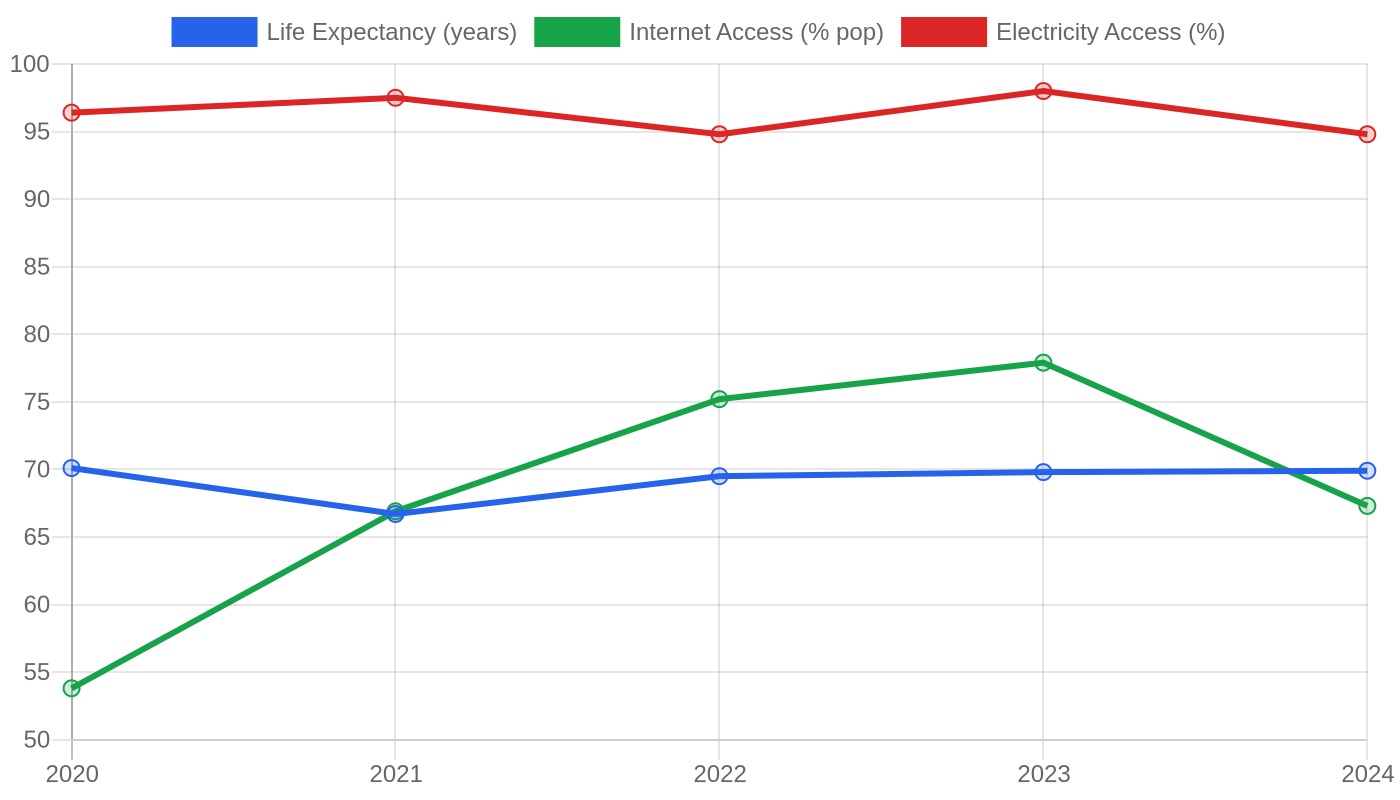
The Philippine economy, as tracked by the World Bank, represents a dynamic emerging market in Southeast Asia, though comprehensive data on the latest growth figures remains limited. What is clear is that the country’s economic story is one of potential meeting structural challenges. The Philippines has historically been characterized as a consumption-driven economy, with remittances from overseas Filipino workers playing a significant role in domestic demand.
This reliance on external income streams makes the economy sensitive to global economic conditions, even as domestic industries continue to develop.
The country’s main industries have traditionally centered on services, manufacturing, and agriculture, with business process outsourcing emerging as a significant contributor to economic activity in recent decades. The services sector, in particular, has become a cornerstone of the economy, providing employment and driving urban growth.
However, the economy faces persistent challenges around job quality and informality, with a substantial portion of the workforce engaged in informal employment that lacks the protections and benefits of formal sector work.
Inflation dynamics and employment figures remain key indicators to watch, as the central bank and government navigate the delicate balance between supporting growth and maintaining price stability. The Philippines’ demographic profile—with a relatively young population—presents both an opportunity and a challenge. A youthful workforce can drive productivity and consumption, but only if the economy can generate sufficient quality employment opportunities.
The education and skills development systems are therefore critical to realizing the demographic dividend that could accelerate economic transformation.
The Cost of Living: Urban Pressures and Household Realities
For ordinary Filipino households, the cost of living represents one of the most immediate economic concerns, with urban centers presenting particular challenges. Metro Manila, as the primary economic hub, commands a cost structure significantly higher than rural areas, reflecting the concentration of employment opportunities and services in the capital region.
Housing costs, in particular, consume a substantial portion of household budgets, with the gap between renting and owning continuing to widen as property values in prime urban areas appreciate.
The daily expenses of food, transportation, and utilities create ongoing pressure on household finances, particularly for lower-income families who spend a larger share of their income on necessities. This reality means that even moderate inflation can have outsized effects on living standards for vulnerable populations.
The government’s efforts to address housing affordability and expand social protection programs are critical components of the policy response to these pressures, though implementation challenges persist.
Comparisons with regional neighbors suggest that while the Philippines offers certain cost advantages, the gap is narrowing as the economy develops and urban centers become more expensive. For middle-class families, the aspiration of homeownership in major cities requires increasingly careful financial planning, with many opting for condominium living or moving to peripheral areas where housing costs are more manageable.
The rental market has responded to these dynamics, with purpose-built rental housing expanding in urban areas to meet demand from young professionals and families.
Investment Climate and Corporate Landscape: Where Capital Meets Opportunity
The Philippine business environment offers a complex picture for investors, with significant opportunities tempered by structural challenges that require careful navigation. The country’s young, English-speaking workforce has made it an attractive destination for business process outsourcing and information technology services, with major global companies establishing significant operations in the country.
This sector has become a key driver of economic growth and a source of quality employment for university graduates.
The corporate landscape is dominated by a mix of family-controlled conglomerates and emerging enterprises, with significant activity in real estate, banking, retail, and infrastructure. The services sector, broadly defined, accounts for the largest share of economic activity, reflecting the country’s comparative advantages in human capital and its integration into global service supply chains.
Infrastructure development has emerged as a priority area, with public and private investment flowing into transportation, energy, and digital connectivity projects that aim to address long-standing bottlenecks to growth.
Foreign investment regulations have historically been more restrictive in the Philippines than in some regional peers, though recent policy shifts have sought to open certain sectors to greater international participation. The business environment continues to evolve, with efforts to streamline regulatory processes and improve the ease of doing business.
For investors, the key considerations include navigating local partnership requirements, understanding the regulatory landscape, and developing strategies that account for the country’s unique political and economic dynamics.
Safety, Governance, and Quality of Life: The Social Contract Under Strain
The quality of life in the Philippines is shaped by a complex interplay of social, economic, and governance factors that extend beyond simple economic metrics. The democratic political system provides institutional mechanisms for citizens to express their preferences and hold leaders accountable, yet the effectiveness of these mechanisms varies across different dimensions of governance. Public trust in institutions fluctuates with perceptions of corruption and the responsiveness of government to citizen needs.
Safety and security considerations vary significantly across the country, with urban areas presenting different challenges than rural regions. Community ties and family networks provide important social support systems that buffer against economic hardships, reflecting cultural values that emphasize collective welfare alongside individual achievement. These social capital resources are increasingly recognized as important factors in economic resilience and quality of life outcomes.
The political landscape, with its distinct constitutional design featuring separately elected president and vice president, creates a governance environment that can produce both collaboration and tension. When the executive leadership comes from different political parties, the potential for policy coordination challenges increases, requiring skilled political management to maintain governance effectiveness.
The six-year presidential term limit focuses political energy on achieving results within a defined timeframe, which can drive ambitious reform agendas but also creates urgency that sometimes outpaces institutional capacity.
Current Affairs: Navigating the Present Moment
The Philippines today stands at a critical juncture, with political and economic developments unfolding against a backdrop of structural transformation and global uncertainty. The democratic system continues to function, with political actors positioning themselves for influence over the country’s direction.
The constitutional design, featuring a single six-year presidential term, means that each administration faces pressure to deliver tangible results within a limited window, shaping the pace and priorities of policy initiatives.
Economic management remains focused on the core challenges of supporting growth while maintaining stability, with policymakers weighing the trade-offs between stimulus measures and fiscal prudence. The services sector continues to drive economic activity, though questions persist about how to broaden the base of economic participation and ensure that growth translates into improved living standards across all segments of society.
Infrastructure development remains a priority, with projects aimed at addressing connectivity gaps and supporting long-term competitiveness.
The political dynamics between the presidency and vice presidency, potentially spanning different parties, create ongoing uncertainty about policy coherence and implementation. This structural feature of the Philippine system means that political negotiations and coalition-building are constant features of governance, requiring stakeholders to remain attuned to shifting political currents.
The democratic process continues to provide the framework for resolving these tensions, with elections serving as periodic opportunities for citizens to recalibrate the country’s direction.
The Bottom Line
The Philippines represents a compelling case of democratic governance meeting economic development challenges in Southeast Asia. The country’s constitutional framework, with its distinctive presidential system, creates both opportunities and complexities for economic policymaking that investors and observers must understand.
The youthful population, strategic location, and services-led economic model provide foundations for continued growth, while infrastructure gaps, cost-of-living pressures, and governance challenges present ongoing obstacles. For those watching emerging markets, the Philippines offers a window into how democratic institutions shape economic outcomes in a rapidly evolving region.
Sources & Methodology
This article is authored by Economic Pulse Net for informational and research purposes. Economic Pulse Net sources its data from multilateral institutions, national statistics bureaus, and proprietary databases. All data is believed to be current as of the date of publication.
Published: August 05, 2026 | Category: Research — Philippines
Use these signals in your own platform
Economic Pulse publishes its live signal feed through a documented, read-only API. Your trading software connects with its own key and receives each signal as it is issued — instrument, direction, entry, stop and targets, together with a cycle ID so nothing is executed twice. The feed is independent of this website and cannot change it.
Signals are informational only and are not financial advice.