Economic Pulse Net | Sources: World Bank World Development Indicators, Government Sources | 2026
🇲🇻 Maldives 2026 — The President’s New Era and the Island Economy’s Critical Crossroads
Key Takeaways
* Political Shift: Mohamed Muizzu assumed the presidency on November 17, 2023, marking a new chapter in a system where the executive holds significant power over the cabinet and armed forces.
Constitutional Framework: The nation operates as a presidential constitutional republic with a unicameral People’s Majlis, where both the president and parliament members serve five-year terms.
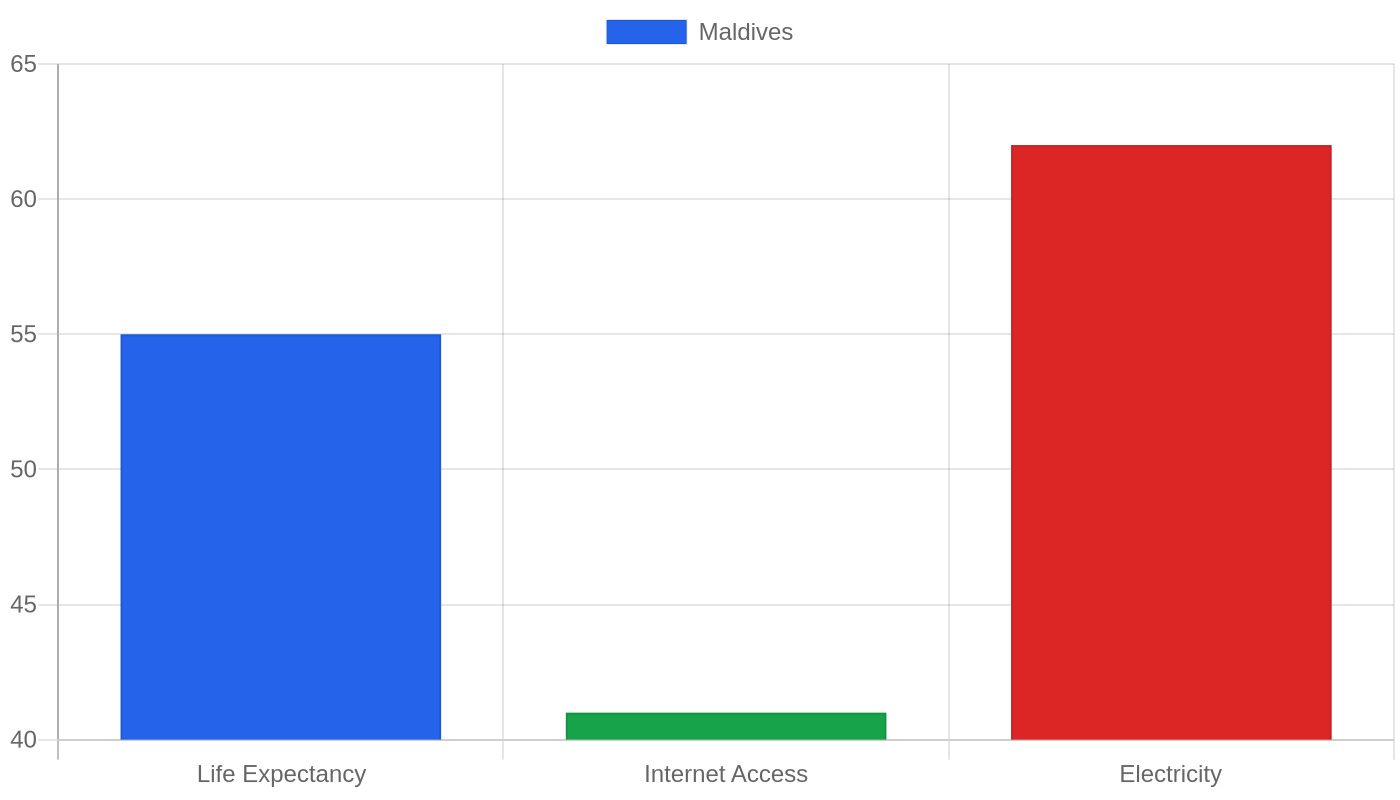
Data Transparency Gap: Current economic indicators such as GDP growth, inflation, and unemployment figures are not currently available from the World Bank, highlighting a need for updated statistical reporting.
Executive Dominance: The political landscape is defined by extensive presidential influence, with the head of state also serving as the head of government and commander of the armed forces.
Economic Landscape: Navigating Unknowns in a Tourism-Dependent Nation
The economic trajectory of the Maldives presents a unique challenge for analysts and investors alike, primarily due to the absence of recent, specific data points from major international bodies like the World Bank. While traditional metrics such as GDP growth, inflation rates, and unemployment percentages are listed as “N/A,” this gap in data does not imply economic stagnation but rather reflects a period where real-time statistical aggregation may be lagging or undergoing revision.
In an economy historically driven by tourism and fisheries, the lack of current GDP per capita (PPP) and GNI per capita figures makes it difficult to assess immediate consumer purchasing power or overall wealth distribution among the population. Similarly, the total population figure being unavailable complicates efforts to calculate per-capita productivity or labor market dynamics accurately.
Without concrete numbers on the national GDP in USD, the scale of the country’s contribution to the global economy remains abstract, forcing observers to rely on structural analysis rather than quantitative trends. This data void underscores the importance of understanding the underlying industries that sustain the nation, even when the headline numbers are missing.
Investors and policymakers must look beyond the immediate statistical silence to understand the resilient nature of the island’s service-based sectors. The absence of these key indicators suggests that while the economy functions, its transparency and regular reporting mechanisms may require strengthening to provide clear signals to international markets.
Consequently, any assessment of the Maldivian economy today must be qualitative, focusing on institutional stability and sectoral fundamentals rather than short-term financial fluctuations.
Cost of Living and Housing Dynamics in an Archipelago
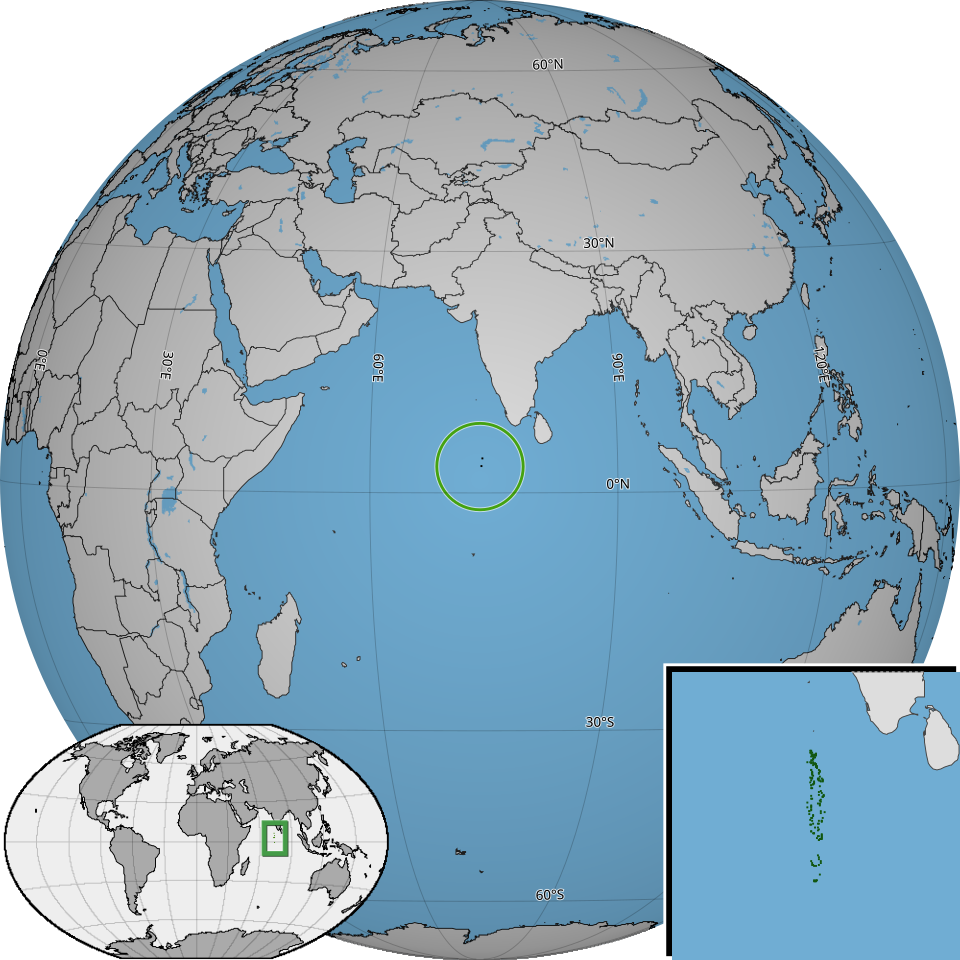
Understanding the cost of living in the Maldives requires looking at the logistical realities of an archipelagic nation, even though specific housing costs and daily expense indices are not currently quantified in the provided datasets. The geographic dispersion of islands inherently creates supply chain complexities that typically drive up the price of imported goods and construction materials, influencing both rental markets and property values.
While precise rent-versus-buy comparisons are unavailable, the scarcity of land and high demand for tourism-related accommodations likely create a premium environment for commercial real estate, which often spills over into residential pricing in key urban centers like Malé. Daily expenses for residents are heavily influenced by import dependencies, meaning that global shipping costs and currency exchange rates play a pivotal role in household budgets.
Comparisons to regional averages are challenging without specific CPI data, but the general consensus on island economies suggests that basic necessities can carry a higher cost burden compared to mainland counterparts. However, the lack of explicit cost-of-living data prevents a definitive statement on whether the current economic climate is making daily life more affordable or strained for the average citizen.
This uncertainty highlights a critical area where local statistics bureaus could provide valuable clarity for both expatriates planning relocation and local households managing their finances. Ultimately, the cost structure is likely shaped more by logistical constraints and tourism-driven demand than by broad macroeconomic inflation trends visible in larger economies.
Investment Climate and Corporate Structure
The business environment in the Maldives is characterized by a concentrated corporate landscape, although specific details regarding top companies and major industry players are not explicitly listed in the current data set. This opacity does not necessarily indicate a lack of activity but rather suggests that the most prominent economic actors may be privately held or not yet categorized under standard public indices.
For foreign investors, the primary sectors to watch remain those aligned with the nation’s natural assets—tourism, hospitality, and marine resources—despite the absence of detailed industry breakdowns in the provided text. The political stability provided by the established constitutional framework offers a predictable legal environment for long-term investments, even as leadership transitions occur.
Business registration and operational regulations are governed by the central authority of the executive branch, which streamlines decision-making but also concentrates regulatory power. Potential investors should note that while specific company names are not provided, the economic engine of the country relies on a few key entities that dominate the tourism and service sectors.
The lack of detailed corporate data means that due diligence will require deeper, localized inquiry rather than reliance on broad market reports. Nevertheless, the structured nature of the government approval process for cabinet appointments indicates a formalized approach to economic governance that can facilitate structured business operations.
Safety, Politics, and Quality of Life
Safety and political stability form the bedrock of daily life in the Maldives, with crime and safety indices currently listed as “N/A” in available international databases. This absence of specific crime statistics does not imply high insecurity but rather reflects a gap in standardized reporting that makes direct comparison with other nations difficult.
Politically, the country is stable under the current administration, with Mohamed Muizzu having taken office in late 2023, ensuring continuity in executive leadership. The presidential constitutional republic model provides a clear hierarchy of power, with the president holding extensive influence over both the government and the armed forces, which contributes to a unified command structure.
Happiness and quality of life data are similarly not quantified in the provided information, leaving subjective well-being to be inferred through political stability and social cohesion. The unicameral People’s Majlis serves as a legislative check, with members elected for five-year terms, providing a democratic outlet for public representation.
While specific safety indices are missing, the general perception of the Maldives as a tourist destination often correlates with lower violent crime rates in resort areas and populated atolls. The political landscape, therefore, appears calm and structured, offering a secure environment for residents and visitors alike, despite the lack of granular security data.
What’s Happening Now: A New Political Chapter
The most significant development in the Maldives recently is the inauguration of President Mohamed Muizzu on November 17, 2023, signaling a fresh start for the nation’s political direction. This transition marks the beginning of a new five-year term for the executive branch, bringing with it potential shifts in policy priorities and international relations.
The appointment of the cabinet, approved by the People’s Majlis, establishes the current administrative team responsible for guiding the country through upcoming economic challenges. As the new president leads the armed forces and heads the government, his early decisions will likely set the tone for future reforms and diplomatic engagements. The focus now lies on how this new administration will address the gaps in economic data and improve transparency for international partners.
Stakeholders are watching closely to see if the new leadership will prioritize infrastructure development, tourism expansion, or fiscal reform. The immediate post-election period is crucial for establishing trust and setting a clear agenda for the next half-decade. This political renewal offers an opportunity for the Maldives to redefine its economic narrative and strengthen its position in the region.
The Bottom Line
The Maldives stands at a pivotal moment under its new presidential leadership, offering a stable but data-transparent investment environment. While the lack of current GDP and inflation data limits immediate quantitative analysis, the political structure provides a reliable framework for long-term planning. Investors and observers should monitor the new administration’s policy outputs and subsequent data releases for clearer economic signals.
For now, the country remains a niche but potentially rewarding market for those focused on tourism and sustainable development.
Sources & Methodology
This article is authored by Economic Pulse Net for informational and research purposes. Economic Pulse Net sources its data from multilateral institutions, national statistics bureaus, and proprietary databases. All data is believed to be current as of the date of publication.
Published: October 09, 2026 | Category: Research — Maldives
Use these signals in your own platform
Economic Pulse publishes its live signal feed through a documented, read-only API. Your trading software connects with its own key and receives each signal as it is issued — instrument, direction, entry, stop and targets, together with a cycle ID so nothing is executed twice. The feed is independent of this website and cannot change it.
Signals are informational only and are not financial advice.