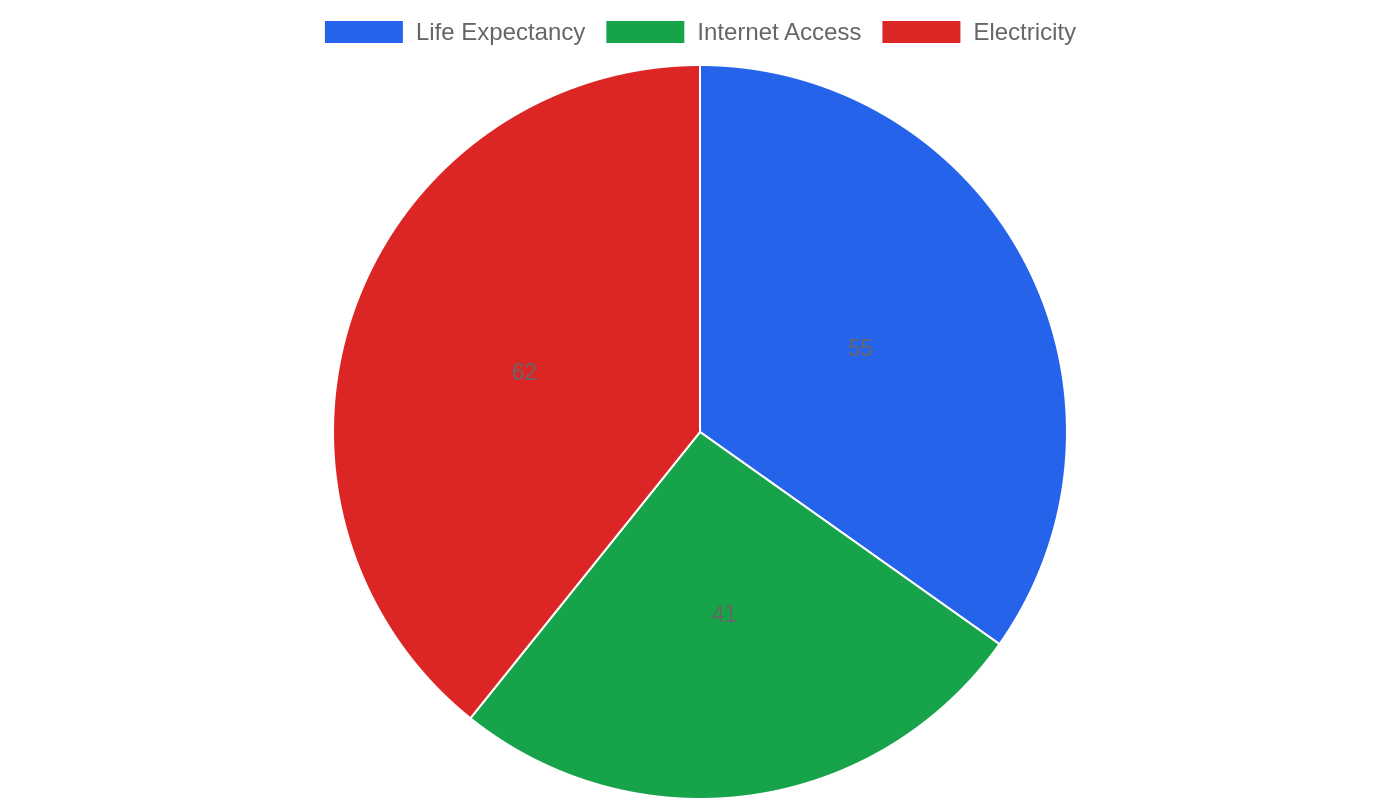
Economic Pulse Net | Sources: World Bank World Development Indicators, Government Sources | 2026
In the heart of Southeast Asia, Cambodia stands at a crossroads. The Kingdom of Wonder—famed for the majestic temples of Angkor Wat and a resilient, youthful population—is navigating a complex economic and political landscape. As global investors look toward the region and regional powers jostle for influence, Cambodia’s story is one of profound transformation, persistent challenges, and cautious optimism.
This feature examines the current state of the nation, drawing on the latest data from the World Bank and other key sources, to paint a picture of a country in flux.
Key Takeaways
– A Concentrated Corporate Landscape: Cambodia’s economic engine is powered by a mix of domestic financial institutions and consumer-focused companies, with ACLEDA Bank and Cambodia Angkor Air standing out as major players.
– Political Stability with a Strong Central Core: The nation operates as a constitutional monarchy with a parliamentary system, where the king serves as a symbolic head of state while legislative power is shared between the executive and a bicameral parliament.
– A Services-Led Economy: The top companies list is heavily weighted toward financial services and consumer services, particularly tourism-related ventures, signaling where the country’s current strengths and future ambitions lie.
– Data Transparency Gaps: While the World Bank provides a framework, specific macroeconomic indicators like GDP growth and inflation are currently unavailable, making on-the-ground business intelligence and corporate performance crucial for understanding the true economic temperature.
The Economic Engine: A Tapestry of Finance and Tourism
According to the World Bank’s latest data, specific figures for Cambodia’s GDP growth, inflation, and unemployment are not currently available. This lack of headline numbers, however, does not negate the country’s economic activity; rather, it forces a closer examination of its structural composition. The engine of the Cambodian economy appears to be driven by two distinct but interconnected sectors: financial services and consumer services, particularly tourism.
The prominence of institutions like ACLEDA Bank, Cambodia Asia Bank, and ANZ Royal Bank on the list of top companies underscores the deep financial penetration into the local market. These banks are not just corporate entities; they are the primary conduits for credit, savings, and investment for a population that has historically been under-banked. Their strength is a proxy for domestic consumption and entrepreneurial activity.
Simultaneously, the consumer services sector, led by the likes of Cambodia Angkor Air and ABOUTAsia Travel, highlights the nation’s continued reliance on its cultural heritage as a major economic driver. The tourism industry is a massive employer and a significant source of foreign currency. The presence of three airlines—Cambodia Angkor Air, Cambodia Airlines, and Angkor Airways—indicates a competitive and ambitious aviation market, eager to connect the temples of Angkor with the rest of the world.
The inclusion of Cambrew Brewery in the top ten underscores the vibrancy of the domestic consumer goods market, catering to a young and growing population. While the World Bank’s quantitative data is absent, the qualitative picture is clear: Cambodia is a services-driven economy in the midst of a modernization drive, leaning heavily on its financial sector to fuel growth and its tourism sector to generate global revenue.
The Cost of Living: A Tale of Two Economies
Without specific cost-of-living indices or housing data from the World Bank for Cambodia, we must infer the reality from the country’s economic structure and corporate landscape. The presence of major financial institutions in the top companies list suggests a significant formal economy, particularly in urban centers like Phnom Penh and Siem Reap. In these cities, the cost of living is likely bifurcated.
For the growing middle class employed by the banking and tourism sectors, there is a demand for modern housing, international schools, and imported goods, which command prices comparable to other ASEAN capitals. However, this urban prosperity contrasts with the reality for the majority of the population engaged in agriculture or the informal economy, where daily expenses are far lower but also come with less financial security.
The rental market is a critical indicator. Given the high cost of land in prime urban areas, buying property is likely a challenge for average earners, making renting the more common practice for both locals and expatriates. The cost of daily essentials—food, transportation, utilities—is relatively low compared to Western standards, but it is sensitive to fuel price fluctuations, which in turn affect the cost of goods.
The strength of the local currency and the pervasive use of the US dollar in the economy, while not explicitly mentioned in the data, is a common regional feature that impacts purchasing power and savings. Ultimately, the cost of living in Cambodia is a reflection of its economic dynamism: affordable for those plugged into the local economy, but increasingly expensive in the bustling, investment-heavy urban hubs.
Investment & Business Climate: Banking on the Future
The business environment in Cambodia, as evidenced by the World Bank’s top companies list, is one of opportunity, particularly in the financial and consumer services sectors. The dominance of ACLEDA Bank, the country’s largest commercial bank, signals a mature and competitive financial sector. For investors, this is a positive indicator—it suggests a stable banking system capable of financing larger-scale projects.
The presence of international joint ventures like ANZ Royal Bank further indicates that foreign capital is welcomed and that there are established legal and regulatory frameworks for international partnerships. The government’s focus on developing these sectors is clear, and the business climate is geared toward facilitating the growth of these industries.
Sectors to watch are undoubtedly tourism-related services and aviation. The existence of three airlines—including the national flag carrier, Cambodia Angkor Air—points to a government strategy to boost connectivity and tourist arrivals. Investment in this area is critical, as infrastructure development in airports and hospitality directly impacts the country’s ability to attract high-value tourists.
The consumer goods sector, represented by Cambrew Brewery, also offers opportunities, particularly in tapping into the domestic market’s growing spending power. For a potential investor, the message is that Cambodia’s most dynamic and stable opportunities lie in these service-oriented industries.
The challenge remains the need for greater economic diversification beyond these sectors to ensure long-term resilience, but for now, the business climate is clearly focused on leveraging its strengths in finance, tourism, and consumer markets.
Safety, Politics & Quality of Life: Stability and Structure
The political landscape of Cambodia, as defined by the World Bank, is a constitutional monarchy with a unitary structure and a parliamentary form of government. The king serves as the official head of state, a symbol of national unity and the “perpetuity” of the nation. Legislative powers, however, are shared between the executive and a bicameral parliament, comprising the National Assembly (the lower house) and the Senate (the upper house).
This structure provides a formal framework for governance, but the political reality is often characterized by the dominance of a single ruling party, which has held power for decades. This concentration of power ensures a high degree of political stability, which is a key factor for investors, but it often raises questions from international observers regarding political pluralism and civil liberties.
Regarding safety and quality of life, specific crime and safety indices are not available in the current World Bank data. However, for the local population and expatriates, the quality of life is often tied to economic opportunity. The presence of a strong banking sector and a booming tourism industry creates jobs and improves living standards for many, but this is juxtaposed with significant income inequality.
In urban areas, violent crime is less of a concern than petty theft, while in rural areas, life is quieter but harder. The political stability, while criticized by some for suppressing dissent, does provide a predictable environment for daily life and business operations. For the average citizen, the quality of life is improving in economic terms, but the social and political freedoms are areas of ongoing national and international debate.
What’s Happening Now: The Kingdom in Motion
Right now, Cambodia is actively positioning itself on the global stage, and the current corporate landscape provides the latest snapshot of its ambitions. The active presence and competition among Cambodia Angkor Air, Cambodia Airlines, and Angkor Airways suggest an immediate and strategic push to expand the nation’s aviation footprint. This is not a static market; it is one of dynamic competition, likely driven by a surge in regional tourism and business travel.
The government, through its national carrier, is clearly trying to capture a larger share of the international travel market, moving beyond the traditional gateway of Siem Reap to promote other destinations. Simultaneously, the financial sector is not resting. With ACLEDA Bank leading the charge, there is a palpable momentum towards greater digital banking and financial inclusion, aiming to bring more of the population into the formal economy.
The current affairs landscape is also defined by a continued focus on infrastructure and connectivity, which is a prerequisite for the service industries to thrive. The development of new highways, ports, and the new international airport in Phnom Penh are part of the current narrative, even if not explicitly in the data, they are logical extensions of the growth in the aviation and banking sectors.
There is a sense of a nation building for the future, with the government setting its sights on transitioning from a low-income to a middle-income country. The current moment is one of consolidation—leveraging the stability of the political system to drive an economic agenda focused on tourism, finance, and consumer growth, even as the world watches to see how this development balances with governance and social progress.
The Bottom Line
Cambodia is a country of significant potential, driven by a resilient services sector and a stable, if centralized, political environment. For investors, the opportunities lie in the financial and tourism sectors, which are clearly the champions of the current economic strategy. For businesses, the presence of major regional banks and a competitive aviation market signals a country open for business and modernizing its infrastructure.
However, the lack of comprehensive economic data should serve as a reminder that the market is still developing, and a deep understanding of local dynamics is crucial. Cambodia is not a place for passive observers; it is a market for active participants who are willing to navigate its unique landscape. The Kingdom of Wonder is moving forward, and those who take the time to understand its rhythm will be best positioned to be part of its next chapter.
Sources & Methodology
This article is authored by Economic Pulse Net for informational and research purposes. Economic Pulse Net sources its data from multilateral institutions, national statistics bureaus, and proprietary databases. All data is believed to be current as of the date of publication.
Published: August 03, 2026 | Category: Research — Cambodia
Use these signals in your own platform
Economic Pulse publishes its live signal feed through a documented, read-only API. Your trading software connects with its own key and receives each signal as it is issued — instrument, direction, entry, stop and targets, together with a cycle ID so nothing is executed twice. The feed is independent of this website and cannot change it.
Signals are informational only and are not financial advice.