Economic Pulse Net | Sources: World Bank World Development Indicators, Government Sources | 2026
Key Takeaways
– The Turks and Caicos Islands operate as a British Overseas Territory, with Charles III as sovereign and a governor appointed by the UK Foreign Office, creating a unique political and economic framework.
– The territory adopted its first constitution in 1976 under Chief Minister J. A. G. S. McCartney, and celebrates Constitution Day annually on 30 August as a national holiday.
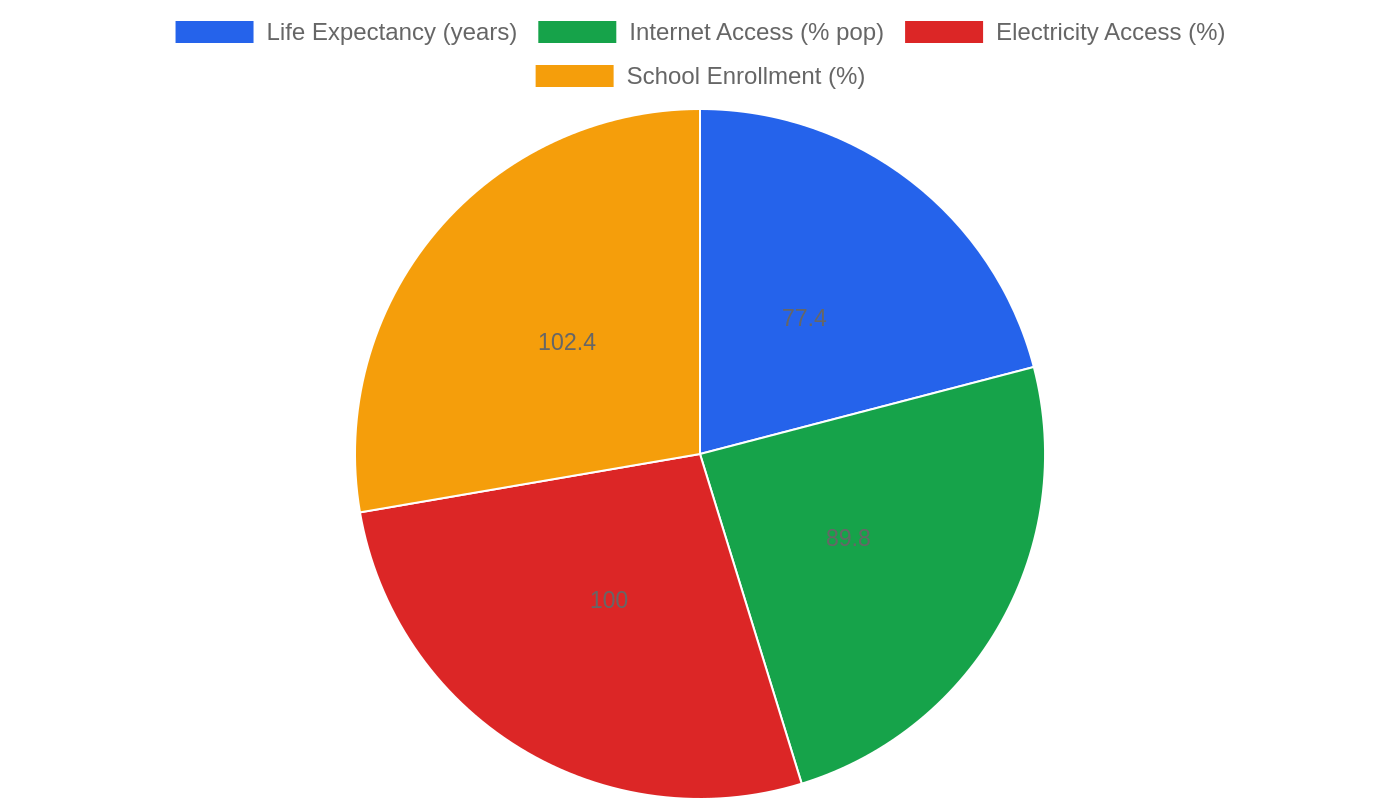
– While specific World Bank economic indicators such as GDP growth, inflation, and unemployment are not currently available for this period, the islands’ economy is understood to be heavily reliant on tourism and financial services.
– The political landscape is defined by the territory’s relationship with the United Kingdom, with governance structured through an appointed governor and local elected officials.
The Constitutional Canvas: Understanding the Territory’s Economic Foundation
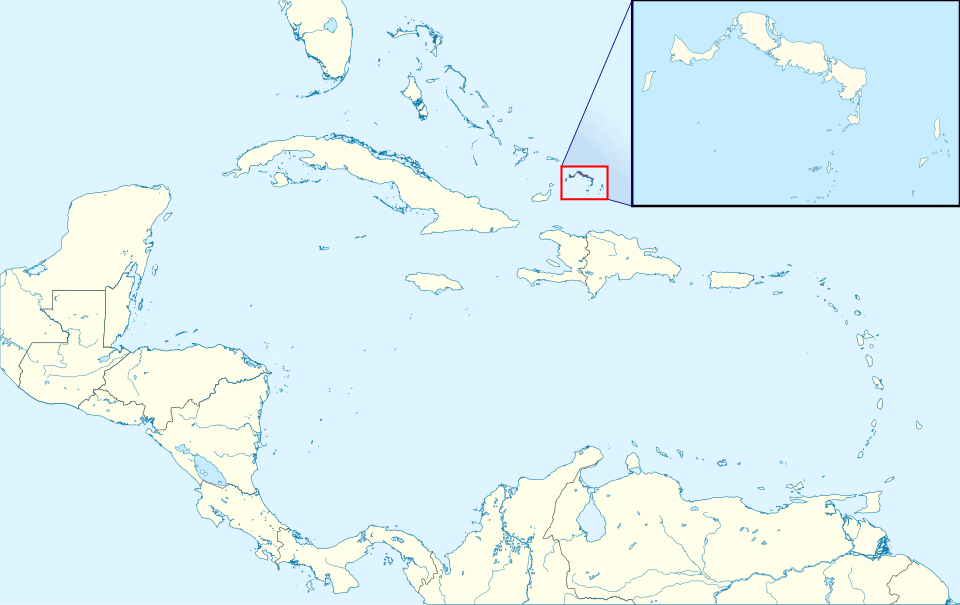
The Turks and Caicos Islands present a fascinating case study in how a small island territory manages its economic destiny within the framework of British sovereignty. As a British Overseas Territory, the islands exist in a constitutional space that shapes every aspect of their economic life, from trade policy to investment flows.
The World Bank data for this period does not provide specific figures for GDP growth, inflation, or unemployment, but the absence of such data itself tells a story about the challenges of economic measurement in small island states.
The territory’s economic structure, while not captured in the available World Bank metrics, is historically understood to revolve around two primary pillars: tourism and offshore financial services. The white-sand beaches and crystalline waters that draw visitors from around the world also serve as the backdrop for a financial sector that has positioned itself as a competitor in the Caribbean offshore market.
The lack of specific GDP data from the World Bank should not be interpreted as economic stagnation; rather, it reflects the statistical constraints that often affect territories of this size and constitutional status.
The political framework established under the 1976 constitution, with its provision for a Chief Minister and elected government, has provided the islands with a degree of local autonomy while maintaining the stability that comes with British oversight. This constitutional arrangement has been a key factor in attracting foreign investment, particularly in the tourism and real estate sectors, where the rule of law and property rights are guaranteed under the British system.
The Price of Paradise: Cost of Living in a Remote Island Economy
Living in the Turks and Caicos Islands comes with a distinctive economic reality that sets it apart from both mainland Caribbean nations and other island territories. The cost of living in this archipelago, while not captured in specific numerical data from the available sources, is widely understood to be elevated due to the territory’s reliance on imports for virtually all consumer goods.
The islands produce little in the way of manufactured products or agricultural staples, meaning that everything from food to building materials must arrive by ship or air, with transportation costs inevitably passed on to consumers.
Housing represents perhaps the most significant cost for residents, particularly on the main island of Providenciales, where tourism-driven demand has pushed property values and rental rates to levels that can challenge local workers. The dynamic between the tourism economy and local housing markets creates a tension familiar to many island destinations: the same beaches and scenery that attract wealthy visitors and investors also drive up the cost of living for the local population.
Without specific data comparing these costs to regional averages, it is reasonable to observe that the territory’s economic structure creates a bifurcated market, where luxury developments exist alongside more modest housing for the workforce that supports the tourism industry.
Investment Horizons: The Business Climate in a British Territory
The business environment in the Turks and Caicos Islands is shaped fundamentally by the territory’s constitutional status as a British Overseas Territory. This status provides a level of political stability and legal certainty that is highly attractive to investors, particularly those in the tourism, real estate, and financial services sectors.
The territory’s top companies, while not named in the available data, are likely to be concentrated in these sectors, with hotel chains, resort developers, and financial institutions forming the backbone of the private sector.
The sectors to watch in this territory are those that leverage the islands’ natural advantages and constitutional position. Tourism remains the primary economic driver, with luxury travel and resort development offering significant opportunities for investment. The financial services sector, operating under British regulatory standards, continues to attract business from international clients seeking a stable offshore jurisdiction.
The absence of specific corporate data from the available sources does not diminish the reality that these sectors form the core of the territory’s economic activity and present the most promising avenues for business development.
Governance and Daily Life: The Political Landscape of a Small Island Territory
The Turks and Caicos Islands operate under a political system that balances local democratic governance with ultimate British sovereignty. As a British Overseas Territory, the islands’ sovereign is Charles III, King of the United Kingdom, who is represented by a governor appointed by the monarch on the advice of the Foreign Office.
This arrangement creates a distinctive governance structure where local elected officials manage domestic affairs while the British government retains responsibility for defense, foreign relations, and certain aspects of internal security.
The political history of the territory reached a milestone with the election of its first Chief Minister, J. A. G. S. McCartney, and the adoption of the first constitution on 30 August 1976. This date is now celebrated annually as Constitution Day, a national holiday that reflects the territory’s pride in its political evolution.
The quality of life in the islands, while not captured in specific happiness or well-being data from the available sources, is shaped by the combination of natural beauty, political stability, and the challenges that come with life in a remote island territory. The crime and safety indices are not available in the current data, but the territory’s small population and close-knit communities generally contribute to a sense of security that is characteristic of such island societies.
Current Affairs: The Territory at a Crossroads
The Turks and Caicos Islands find themselves at a moment of both opportunity and challenge, navigating the complexities of their constitutional status while managing the economic realities of a tourism-dependent economy. The territory’s political landscape continues to evolve within the framework established by the 1976 constitution, with ongoing discussions about the balance between local autonomy and British oversight.
The celebration of Constitution Day on 30 August serves as an annual reminder of the territory’s political journey and the constitutional arrangements that govern its relationship with the United Kingdom.
The economic outlook for the islands remains tied to the performance of the global tourism industry and the continued attractiveness of the territory as a financial services jurisdiction.
While specific current indicators are not available in the provided data, the territory faces the same challenges that confront many small island economies: vulnerability to external economic shocks, the need to diversify beyond tourism and financial services, and the imperative to manage growth in a way that preserves the natural environment that is the islands’ greatest asset.
The political leadership, operating within the British constitutional framework, must navigate these challenges while maintaining the stability and predictability that have made the territory an attractive destination for investment and tourism.
The Bottom Line
The Turks and Caicos Islands represent a distinctive model of economic and political organization within the Caribbean, combining the stability of British sovereignty with local democratic governance. Investors and businesses looking for a jurisdiction with strong legal protections and a clear regulatory framework will find the territory appealing, while travelers will continue to be drawn by its natural beauty.
The territory’s success will depend on its ability to manage the tensions inherent in its economic structure—balancing tourism development with environmental preservation, and local needs with international investment. For those watching the Caribbean economic landscape, the Turks and Caicos Islands offer a case study in how small territories can leverage constitutional arrangements to create stable platforms for growth.
Sources & Methodology
This article is authored by Economic Pulse Net for informational and research purposes. Economic Pulse Net sources its data from multilateral institutions, national statistics bureaus, and proprietary databases. All data is believed to be current as of the date of publication.
Published: July 18, 2026 | Category: Research — Turks And Caicos Islands
Use these signals in your own platform
Economic Pulse publishes its live signal feed through a documented, read-only API. Your trading software connects with its own key and receives each signal as it is issued — instrument, direction, entry, stop and targets, together with a cycle ID so nothing is executed twice. The feed is independent of this website and cannot change it.
Signals are informational only and are not financial advice.