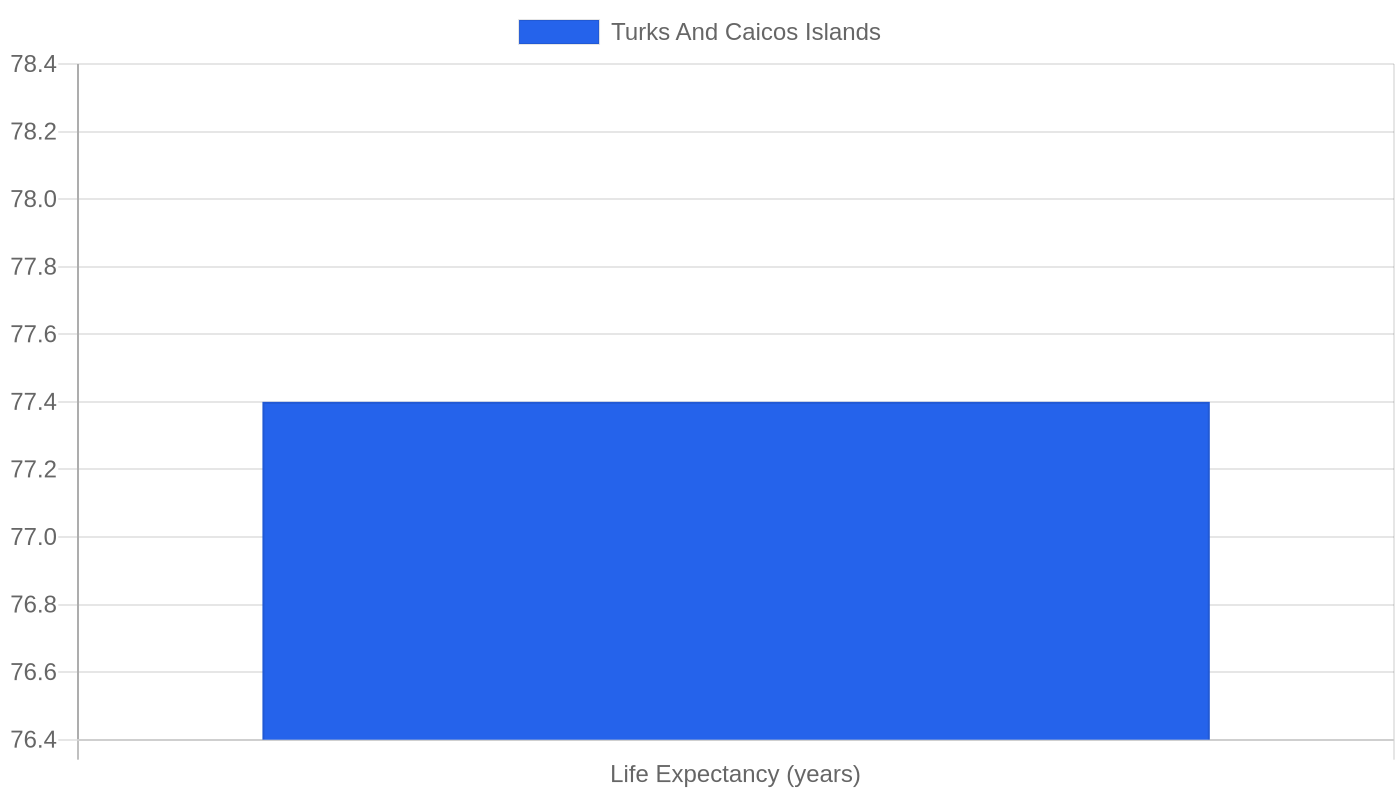
Economic Pulse Net | Sources: World Bank World Development Indicators, Government Sources | 2026
Key Takeaways
– The Turks and Caicos Islands operate as a British Overseas Territory, with King Charles III as sovereign and a governor appointed by the monarch on the advice of the Foreign Office — a political structure that shapes everything from legal frameworks to international investment.
– The territory’s constitutional history runs deep, with the first constitution adopted on 30 August 1976 following the election of the islands’ first Chief Minister, J. A. G. S.
McCartney, and Constitution Day remains a national holiday celebrated annually on 30 August.
– While comprehensive economic data from the World Bank remains limited for this territory, the islands’ status as a British dependency provides institutional stability that smaller Caribbean nations often lack.
– The political landscape is defined by the balance between local governance and British oversight — a dynamic that investors and residents alike must understand when assessing the territory’s long-term trajectory.
– For those watching the Caribbean region, the Turks and Caicos Islands represent a case study in how small island economies navigate the tension between tourism-driven development and the constitutional constraints of overseas territory status.
The Economic Foundation — A Small Island Economy With Big Structural Advantages
When examining the Turks and Caicos Islands through the lens of available World Bank data, one encounters a familiar challenge across micro-states: the numbers simply do not capture the full picture of economic activity. GDP growth figures are not currently available, nor are inflation rates or unemployment statistics. This absence of comprehensive data, however, should not be mistaken for economic stagnation.
Rather, it reflects the reality of a small territory whose economic reporting is still developing its institutional capacity to capture and publish macroeconomic indicators at the scale of larger nations.
What we do know is that the islands’ economic framework is deeply intertwined with its constitutional status as a British Overseas Territory. This relationship provides a level of regulatory oversight and legal certainty that is genuinely valuable in a region where governance standards can vary dramatically from one jurisdiction to the next.
The British connection offers access to London’s financial infrastructure, legal systems grounded in common law traditions, and a degree of political stability that independent micro-states sometimes struggle to achieve.
The territory’s economic activity is overwhelmingly oriented toward tourism and financial services, though specific employment and output figures are not available in the current data. The absence of hard numbers does not diminish the visible reality on the ground: the islands have developed a reputation as a premium Caribbean destination, and that positioning carries significant economic weight.
Infrastructure development, hospitality investment, and related services form the backbone of local livelihoods, even if the precise statistical contours of these sectors remain opaque to outside observers.
For economists and policymakers, the key insight is that the Turks and Caicos Islands operate within a framework where data gaps are a feature of the territory’s size rather than a reflection of economic dysfunction. The structural advantages — British legal protections, geographic positioning in the Caribbean, and a tourism brand that commands premium pricing — provide a foundation that many larger economies might envy, even if the statistical infrastructure has not yet caught up with the economic reality.
Living in Paradise — The Cost of Caribbean Luxury
Understanding the cost of living in the Turks and Caicos Islands requires acknowledging a fundamental truth about the territory’s economic model: this is a premium destination, and premium destinations carry premium price tags. While specific housing cost data and rental figures are not available, the territory’s positioning as a high-end Caribbean market suggests that residents and expatriates alike should expect costs that reflect the islands’ exclusive brand.
The housing market in the Turks and Caicos Islands is shaped by the same dynamics that drive the broader economy — limited land availability, tourism-driven demand for property, and the presence of affluent international buyers seeking second homes or investment properties. This creates an environment where rental and purchase prices are likely to be elevated compared to regional averages, particularly in the most desirable coastal areas.
For local residents, this can present challenges, as the gap between tourism-driven property values and local income levels can create affordability pressures.
Daily expenses for food, utilities, and transportation are similarly influenced by the territory’s island geography. Almost everything must be imported, and import costs inevitably translate into higher consumer prices. This is not a new phenomenon for Caribbean territories, where the logistics of shipping goods across the Atlantic and within the region add layers of cost that mainland economies do not face.
Residents of the Turks and Caicos Islands, like those across the Caribbean, have long adapted to this reality, building lifestyles around locally available resources while accepting the premium for imported goods.
For those considering a move to the territory, the calculus is straightforward: the Turks and Caicos Islands offer a quality of life that is difficult to replicate elsewhere, but that quality comes at a price. The absence of detailed cost-of-living indices in the current data should not be read as a signal that living here is inexpensive — rather, it reflects the challenges of compiling comprehensive statistics for a territory of this size.
Investment Climate and Business Environment — Where British Governance Meets Caribbean Opportunity
The investment landscape in the Turks and Caicos Islands is defined by the territory’s unique constitutional arrangement. As a British Overseas Territory, the islands benefit from a legal and regulatory framework that draws on English common law traditions, providing investors with a level of familiarity and predictability that can be reassuring for those accustomed to doing business in established financial centres.
The governor, appointed by the monarch on the advice of the Foreign Office, plays a significant role in overseeing governance, which adds a layer of British institutional oversight to local affairs.
This structure has historically made the territory attractive for financial services and related activities, though the global regulatory environment has shifted significantly in recent years. The international push for transparency in offshore financial centres has reshaped the landscape for all Caribbean territories, and the Turks and Caicos Islands have had to adapt to evolving standards while maintaining their competitive position.
The balance between British oversight and local autonomy is a delicate one, and businesses operating in the territory must navigate both local regulations and the broader expectations that come with British territory status.
For entrepreneurs and investors, the sectors to watch are those that build on the territory’s natural advantages. Tourism infrastructure remains the most visible opportunity, with hospitality development continuing to shape the islands’ economic profile. Beyond tourism, there is potential in services that support the luxury market — property management, specialised retail, high-end dining, and related ventures that cater to a discerning clientele.
The financial services sector, while facing global headwinds, retains its relevance as part of the territory’s diversified economic base.
The business climate is characterised by the stability that British governance provides, but also by the constraints of operating in a small island economy. Scale is limited, the domestic market is small, and success often depends on the ability to attract international clients and investors. For those who understand these dynamics, the Turks and Caicos Islands offer a business environment where the rule of law is firmly established and the regulatory framework is grounded in respected legal traditions.
Governance, Safety, and the Texture of Daily Life
The political landscape of the Turks and Caicos Islands is a study in constitutional nuance. The territory is a British Overseas Territory, with Charles III as sovereign, represented by a governor appointed by the monarch on the advice of the Foreign Office. This arrangement creates a governance structure that is neither fully independent nor entirely administered from London — rather, it operates as a partnership between British oversight and local democratic institutions.
The islands’ constitutional journey began in earnest with the election of J. A. G. S. McCartney as the territory’s first Chief Minister, followed by the adoption of the first constitution on 30 August 1976. That date now holds special significance, celebrated annually as Constitution Day, a national holiday that honours the territory’s political heritage and the establishment of its system of self-governance within the British framework.
This celebration is more than ceremonial — it reflects a genuine pride in the territory’s political evolution and its continued connection to the British Crown.
Specific crime and safety indices are not available in the current data, but the territory’s positioning as a premium tourist destination suggests that safety and security are priorities for both government and the hospitality industry. Crime rates and public safety perceptions are shaped by the same factors that influence the broader Caribbean region, but the territory’s reliance on tourism creates powerful incentives to maintain a secure environment for visitors and residents alike.
Quality of life in the Turks and Caicos Islands is shaped by the natural beauty of the archipelago, the warmth of the local community, and the stability of British governance. The challenges of island life — including the higher costs associated with imports and the limitations of a small domestic market — are balanced against the advantages of living in a territory where the rule of law is respected and the political system provides a degree of continuity that is not always present in the wider Caribbean region.
The Road Ahead — Constitutional Questions and Economic Aspirations
The Turks and Caicos Islands stand at a moment of reflection about their future trajectory. The territory’s status as a British Overseas Territory provides stability and institutional strength, but it also raises ongoing questions about the nature of self-governance and the path toward greater autonomy. These are not abstract debates — they have real implications for investment, regulatory frameworks, and the territory’s relationship with the international community.
The global environment for small island territories has shifted in recent years. International pressure on offshore financial centres has intensified, forcing the Turks and Caicos Islands to adapt their financial services sector to meet evolving transparency standards. At the same time, the tourism industry faces both opportunities and challenges, from shifting travel patterns to the growing emphasis on sustainable development in the Caribbean.
How the territory navigates these currents will determine its economic trajectory in the years ahead.
Constitution Day on 30 August remains a moment for the territory to reflect on its political heritage and look forward to its future. The celebration honours the achievements of leaders like J. A. G. S. McCartney, who helped establish the constitutional framework that governs the islands today. But it also serves as a reminder that constitutions are living documents, and the relationship between the Turks and Caicos Islands and the United Kingdom continues to evolve.
For observers watching the Caribbean region, the Turks and Caicos Islands offer a compelling case study in how small territories can leverage their constitutional relationships to build economic resilience. The path forward will require balancing the benefits of British oversight with the aspirations of local leadership, all while navigating the complex currents of the global economy.
The Bottom Line
The Turks and Caicos Islands deserve attention from anyone interested in the future of small island economies in the Caribbean. The territory’s British Overseas Territory status provides a foundation of legal and political stability that is genuinely valuable, even as the islands navigate the challenges of data limitations and economic transparency. For investors, the territory offers exposure to the premium Caribbean tourism market within a governance framework that respects the rule of law.
For policy watchers, the evolving relationship between the islands and the United Kingdom provides a window into the future of overseas territories across the region. The Turks and Caicos Islands may be small in scale, but the lessons they offer about governance, resilience, and economic development are substantial.
Sources & Methodology
This article is authored by Economic Pulse Net for informational and research purposes. Economic Pulse Net sources its data from multilateral institutions, national statistics bureaus, and proprietary databases. All data is believed to be current as of the date of publication.
Published: August 01, 2026 | Category: Research — Turks And Caicos Islands
Use these signals in your own platform
Economic Pulse publishes its live signal feed through a documented, read-only API. Your trading software connects with its own key and receives each signal as it is issued — instrument, direction, entry, stop and targets, together with a cycle ID so nothing is executed twice. The feed is independent of this website and cannot change it.
Signals are informational only and are not financial advice.