Economic Pulse Net | Sources: World Bank World Development Indicators, Government Sources | 2026
Key Takeaways
– The Turks and Caicos Islands operate as a British Overseas Territory, with King Charles III as sovereign and a governor appointed by the monarch on the advice of the Foreign Office.
– The territory’s constitutional framework dates to 30 August 1976, when the islands adopted their first constitution under Chief Minister J. A. G. S. McCartney.
– Constitution Day, celebrated annually on 30 August, marks a pivotal moment in the islands’ political evolution and remains a cornerstone of national identity.
– As a British territory, the islands’ economic and political trajectory is closely tied to London’s oversight, though local governance continues to develop.
The Constitutional Anchor — How a 1976 Framework Shapes Today’s Economy
The Turks and Caicos Islands present a fascinating case study in how political structure influences economic development. As a British Overseas Territory, the islands operate under a system where the sovereign — currently King Charles III — is represented by a governor appointed by the monarch on the advice of the Foreign Office. This arrangement creates a unique hybrid: local democratic governance within a broader constitutional monarchy framework.
The political landscape was fundamentally shaped on 30 August 1976, when the islands adopted their first constitution following the election of J. A. G. S. McCartney as the territory’s first Chief Minister. This was a watershed moment, transforming the islands from a colonial outpost into a self-governing territory with meaningful political autonomy.
The constitution established the basic architecture of governance that persists today — a framework that balances local decision-making with British oversight on matters of defence, foreign affairs, and ultimately, good governance.
What makes this constitutional arrangement economically significant is the stability it provides. For investors and businesses, the British legal framework and political oversight offer a degree of certainty that is rare in the Caribbean region. The governor’s role as a check on local power, combined with the democratic mandate of locally elected officials, creates a governance structure designed to prevent the kind of political instability that has plagued other small island economies.
The celebration of Constitution Day on 30 August each year is more than ceremonial — it reinforces a political settlement that has now endured for nearly half a century. This longevity matters economically. Political continuity, backed by constitutional legitimacy, provides the foundation upon which tourism, financial services, and other key sectors can plan for the long term.
The territory’s political evolution from 1976 onward demonstrates how small jurisdictions can maintain distinct identities while benefiting from association with a larger power.
The Economic Landscape — Reading Between the Data Gaps
When examining the Turks and Caicos Islands through the lens of available economic data, one encounters a significant challenge: the World Bank currently reports no figures for GDP growth, inflation, unemployment, GDP in dollar terms, GDP per capita on a purchasing power parity basis, GNI per capita, or even total population. This absence of hard numbers is itself a story worth telling.
The lack of comprehensive economic data from the World Bank suggests several possibilities. Small territories often struggle to maintain the statistical infrastructure required for full economic reporting. The islands’ economy, heavily dependent on tourism and offshore financial services, may not fit neatly into the standardised categories used by international financial institutions.
For the casual observer, this data vacuum might suggest economic opacity, but for those familiar with the region, it reflects the challenges of statistical collection in a small island jurisdiction.
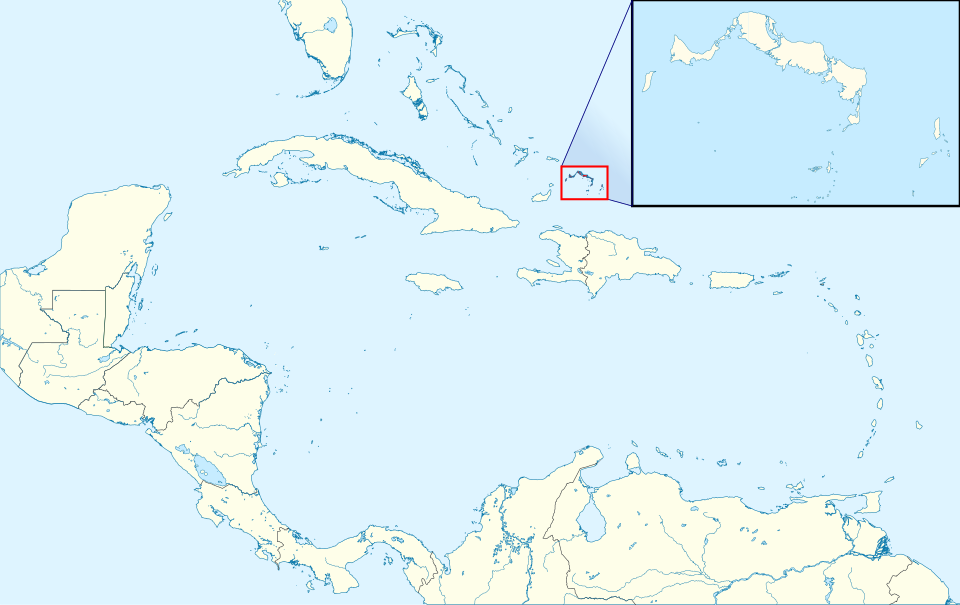
What can be reasonably inferred from the territory’s political status and regional context is that the economy is likely service-oriented, with tourism playing an outsized role. The islands’ geographic position in the Atlantic, southeast of the Bahamas, has historically made them attractive to visitors seeking pristine beaches and a relaxed atmosphere. The British connection also suggests a financial services sector that leverages the territory’s legal system and political stability.
The absence of inflation data is particularly notable in the current global context. While other Caribbean nations have grappled with rising prices, the situation in the Turks and Caicos Islands remains unclear. The islands’ reliance on imports for food, fuel, and manufactured goods would typically expose them to global price pressures, but without official figures, any assessment of the cost-of-living crisis sweeping the region remains speculative.
Unemployment data is similarly absent. In a tourism-dependent economy, employment tends to be seasonal, with fluctuations between high and low tourist periods. The lack of official figures makes it difficult to assess whether the islands have recovered from any economic disruption or whether structural unemployment remains a concern.
For a territory seeking to attract investment, this data gap presents both a challenge and an opportunity — a challenge in terms of transparency, but an opportunity for investors willing to conduct their own due diligence.
Housing and Living Costs — The Price of Paradise
In the Turks and Caicos Islands, as in many small island territories, the cost of living reflects the realities of geographic isolation and import dependence. Without official data from the World Bank or other international sources, residents and potential newcomers must rely on anecdotal evidence and regional comparisons to gauge the financial demands of daily life.
The housing market in such territories typically presents a stark divide between luxury properties aimed at wealthy foreigners and more modest accommodation for local residents. In the Turks and Caicos Islands, this divide is likely exacerbated by the islands’ reputation as an upscale tourist destination. Land scarcity — a fundamental constraint on any small island — drives property values upward, making homeownership an increasingly distant prospect for many local families.
Renting versus buying in this environment is a calculation that depends heavily on one’s circumstances. For those employed in the tourism sector, rental accommodation may offer flexibility in a seasonal economy. For those with capital, purchasing property could represent both a lifestyle choice and an investment opportunity, particularly given the limited supply of developable land.
Daily expenses for food, transportation, and utilities are typically higher in island territories than on mainland comparators. The need to import most consumer goods, combined with the logistics of serving a small population spread across multiple islands, inevitably pushes prices upward. Residents of the Turks and Caicos Islands likely face a cost of living that exceeds the Caribbean regional average, though the absence of official data makes precise comparisons impossible.
The relationship between housing costs and the broader economy is circular: high property prices attract investors seeking returns, which in turn pushes prices higher, making it more difficult for local workers to afford accommodation. This dynamic, familiar across the Caribbean, is likely present in the Turks and Caicos Islands, though the scale and intensity remain unclear without official statistics.
Investment Climate and Business Opportunities — A Territory in Transition
For investors considering the Turks and Caicos Islands, the territory’s political status as a British Overseas Territory offers a distinctive combination of stability and flexibility. The British legal framework, with its familiar common law traditions, provides a level of legal certainty that is attractive to international businesses and investors.
The absence of major corporate names in the available data suggests that the islands’ economy is dominated by smaller enterprises, many of which are likely tied to the tourism sector. Hotels, restaurants, tour operators, and related services form the backbone of the business community. The financial services sector, while less visible in terms of physical presence, likely contributes significantly to the islands’ economic output, leveraging the territory’s reputation for regulatory competence.
Sectors to watch in the coming years include sustainable tourism, which has become an increasingly important consideration for travellers worldwide. The islands’ natural environment — pristine beaches, coral reefs, and marine life — represents both an economic asset and a vulnerability. Climate change poses an existential threat to low-lying island territories, and the Turks and Caicos Islands are no exception.
Investment in climate resilience, renewable energy, and sustainable infrastructure could position the territory as a leader in Caribbean adaptation.
The business environment in the Turks and Caicos Islands is shaped by its constitutional arrangements. While the governor retains responsibility for certain matters, local politicians and officials manage day-to-day economic policy. This division of responsibilities can create both opportunities and friction. Investors must navigate a regulatory landscape that reflects both local priorities and British standards.
The lack of publicly available company data suggests that the business community is relatively insular, with networks built on personal relationships and local knowledge. For foreign investors, developing these relationships is essential. The territory’s small size means that reputation travels quickly — a factor that can work in favour of those who build trust and against those who do not.
Safety, Governance, and Quality of Life — The Social Contract
Without official crime and safety indices, assessing public safety in the Turks and Caicos Islands requires careful inference from the territory’s political and social context. As a British Overseas Territory, the islands benefit from a legal and judicial framework that upholds the rule of law. British oversight extends to matters of good governance, providing a check on potential abuses of power.
The political system, established by the 1976 constitution, has now operated for nearly five decades. This longevity suggests a degree of political maturity that is not always present in small territories. The peaceful transition of power, respect for constitutional processes, and the maintenance of democratic institutions are hallmarks of a stable society.
Quality of life in the Turks and Caicos Islands is likely shaped by the tension between economic opportunity and social cohesion. The islands’ small population — whatever its exact size — means that community ties are strong. The annual celebration of Constitution Day on 30 August reinforces a shared national identity that transcends political differences.
The British connection provides a safety net in terms of governance standards. Citizens of the territory are British Overseas Territories citizens, with the rights and protections that status confers. This relationship also means that the territory benefits from British diplomatic representation and, in times of crisis, access to British resources and expertise.
Current Affairs — Constitutional Governance in the Modern Era
The most pressing current affairs in the Turks and Caicos Islands revolve around the ongoing evolution of the territory’s constitutional arrangements. The framework established in 1976, while enduring, is not static. The relationship between the locally elected government and the British-appointed governor requires constant negotiation and recalibration.
International scrutiny of British Overseas Territories has intensified in recent years, with the United Kingdom itself facing pressure to ensure that its territories meet international standards of financial regulation and transparency. For the Turks and Caicos Islands, this means navigating a complex landscape of international expectations while maintaining the territory’s economic competitiveness.
The islands’ economy, heavily dependent on sectors that are sensitive to global conditions, faces ongoing challenges. The tourism industry must contend with changing travel patterns, environmental pressures, and the ever-present threat of hurricanes. The financial services sector must adapt to international regulatory demands while competing with other jurisdictions offering similar services.
Climate change remains an existential concern for all low-lying island territories. The Turks and Caicos Islands, with their extensive coastlines and reliance on coastal tourism, are particularly vulnerable to sea-level rise and extreme weather events. The territory’s response to these challenges will shape its economic future in profound ways.
The Bottom Line
The Turks and Caicos Islands represent a distinctive model of governance and economic development in the Caribbean. As a British Overseas Territory with a constitutional framework dating to 1976, the islands have achieved a balance between local autonomy and external oversight that has provided political stability for nearly half a century. For investors seeking a jurisdiction with legal certainty and political continuity, the territory offers an attractive proposition.
For observers of Caribbean development, the islands provide a fascinating case study in how small territories can navigate the challenges of globalisation while maintaining their distinct identity. The absence of comprehensive economic data makes precise assessment difficult, but the territory’s political stability and strategic position suggest continued relevance in the region’s economic landscape.
Sources & Methodology
This article is authored by Economic Pulse Net for informational and research purposes. Economic Pulse Net sources its data from multilateral institutions, national statistics bureaus, and proprietary databases. All data is believed to be current as of the date of publication.
Published: August 01, 2026 | Category: Research — Turks And Caicos Islands
Use these signals in your own platform
Economic Pulse publishes its live signal feed through a documented, read-only API. Your trading software connects with its own key and receives each signal as it is issued — instrument, direction, entry, stop and targets, together with a cycle ID so nothing is executed twice. The feed is independent of this website and cannot change it.
Signals are informational only and are not financial advice.