Economic Pulse Net | Sources: World Bank World Development Indicators, Government Sources | 2026
Key Takeaways
– As a French overseas collectivity, St Martin’s economy is fundamentally shaped by its unique political status, which provides access to EU structural funds and the euro currency while maintaining local governance.
– The territory’s economic lifeblood remains tourism, with the island’s dual French-Dutch character offering a distinctive Caribbean destination that draws visitors from Europe, North America, and across the region.
– Recovery from Hurricane Irma’s devastating 2017 impact continues to shape reconstruction priorities, infrastructure investment, and the pace of economic normalisation.
– The cost of living reflects the challenges of a small island economy heavily dependent on imports, with housing and daily expenses significantly influenced by seasonal tourism demand.
– Business climate is defined by the tension between French regulatory frameworks and the need for Caribbean-appropriate flexibility, with ongoing discussions about tax incentives and investment facilitation.
The Economic Paradox of Paradise — Growth Without Numbers
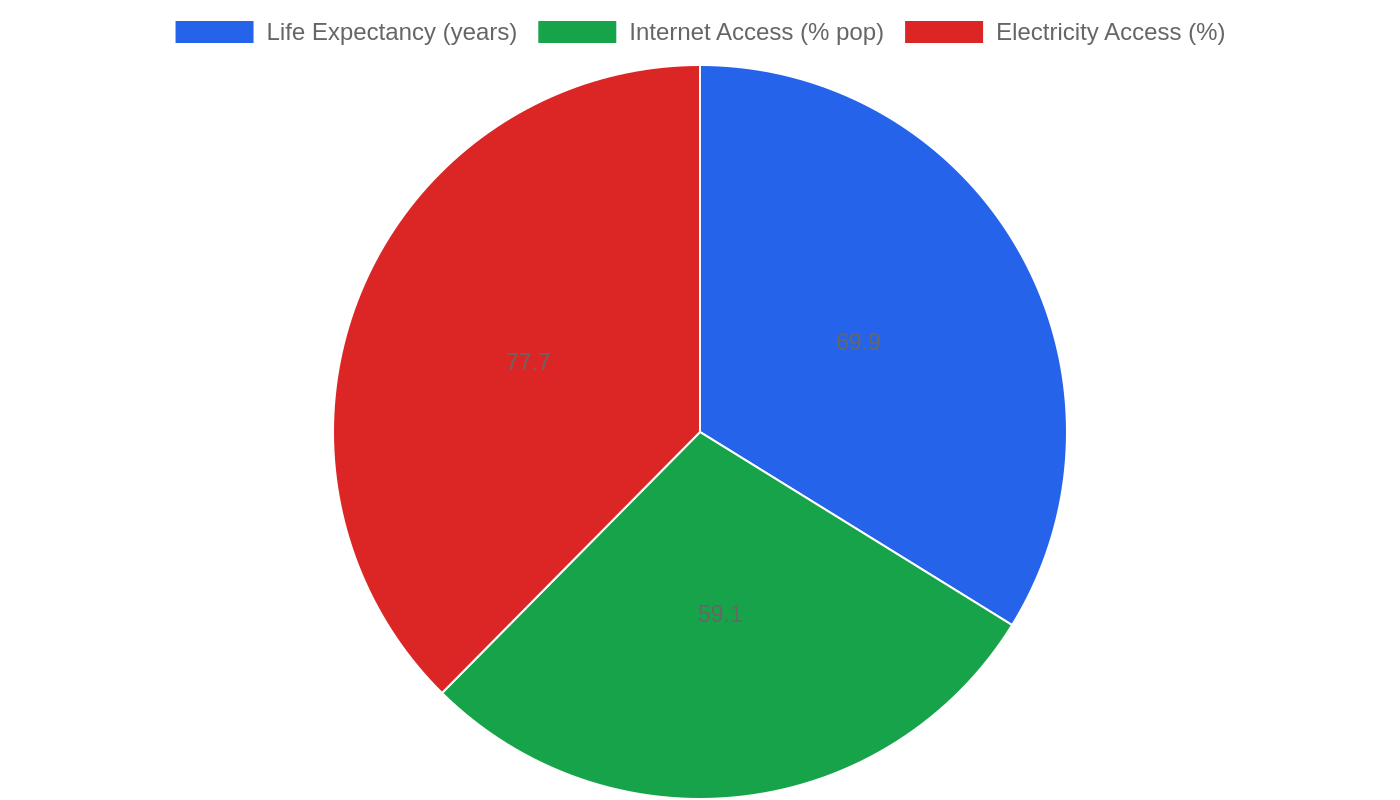
The French side of St Martin presents an intriguing challenge for economic analysts: a functioning economy that operates largely outside the traditional data collection frameworks available for larger nations. The World Bank’s data set for St Martin (French Part) shows gaps across all major indicators — GDP growth, inflation, unemployment, GDP per capita, and GNI per capita are all listed as unavailable. This absence of conventional metrics is itself a story worth telling.
It speaks to the reality of small island economies that, despite their modest size, sustain vibrant commercial activity, international trade flows, and significant tourism infrastructure without generating the statistical granularity expected of larger economies.
What we do know is that St Martin’s economy, shared with its Dutch counterpart Sint Maarten, is overwhelmingly service-based. Tourism accounts for the vast majority of economic activity, with the island’s airports, cruise ports, hotels, restaurants, and retail establishments forming the backbone of local employment and income generation.
The French side, governed as a collectivity under French sovereignty since 2007, benefits from French public sector employment, social welfare systems, and infrastructure investment that provide a stabilising counterweight to the volatility of tourism-dependent revenue.
The absence of published GDP data from the World Bank should not be mistaken for economic insignificance — rather, it reflects the challenges of measuring output in an economy where informal commerce, cross-border flows with the Dutch side, and seasonal employment patterns make traditional accounting methods difficult to apply.
Inflation, unemployment, and income data remain similarly opaque at the international level. However, the lived reality for residents involves navigating a dual-currency environment where the euro circulates alongside the Netherlands Antillean guilder, with prices often quoted in both. The cost of imported goods, from food to construction materials to fuel, means that global price pressures transmit quickly to local markets.
Without official CPI figures from the World Bank, the best proxy comes from observing that St Martin’s consumers face similar inflationary dynamics to other Caribbean import-dependent economies, where supply chain disruptions and global commodity price movements directly affect household budgets.
The Price of Island Living — Housing and Daily Expenses in a Tourist Economy
For those considering life on the French side of St Martin, the cost of living presents a stark reality check. Housing costs, in particular, reflect the tension between limited developable land, strict French building regulations, and the constant pull of tourism-driven demand for short-term rental properties. The rental market operates in two distinct spheres: long-term housing for residents and vacation rentals catering to the island’s visitor economy.
This dual market structure pushes up prices across the board, as property owners increasingly favour the higher yields available from weekly tourist lettings over annual residential leases.
Daily expenses on the French side carry a premium compared to mainland France, a reflection of the logistical challenges and transportation costs inherent in supplying a small Caribbean island. Food prices, particularly for imported European products and fresh produce, can be significantly higher than in metropolitan France. Local markets and smaller grocery stores offer some relief, with Caribbean staples like fresh fish, tropical fruits, and locally grown vegetables available at more competitive prices.
The presence of the Dutch side, with its duty-free shopping and different tax regime, creates an interesting cross-border dynamic where residents regularly compare prices and shop across the frontier for better deals on certain goods.
The cost of utilities, particularly electricity, adds another layer to household budgets. Like many Caribbean islands, St Martin relies heavily on imported fossil fuels for power generation, making electricity bills sensitive to global oil price fluctuations. Water, too, represents a significant expense, with much of the island’s supply coming from desalination plants — an energy-intensive process that further links utility costs to fuel prices.
For families and individuals on fixed incomes, these structural cost pressures make budgeting a constant challenge, even as the island’s natural beauty and quality of life remain compelling attractions.
Business on the Border — Investment Climate in a Franco-Caribbean Context
The investment and business environment on the French side of St Martin is shaped by its unique position as a French territory in the Caribbean. Companies operating here benefit from the stability and legal protections afforded by French and EU regulatory frameworks, access to European markets, and the use of the euro as the official currency.
These advantages are significant for businesses seeking a secure base for Caribbean operations, particularly those in tourism, real estate development, and services that cater to European visitors.
However, the same French regulatory environment that provides stability can also present challenges for entrepreneurs accustomed to more flexible Caribbean business cultures. Labour laws, tax obligations, and administrative procedures follow French metropolitan standards, which may not always align perfectly with the realities of a small island economy.
The top companies operating on the French side tend to be concentrated in tourism infrastructure — hotel groups, restaurant chains, car rental agencies, and retail establishments that serve the visitor market. Local entrepreneurship flourishes in niche areas: boutique hotels, watersports operations, art galleries, and specialty food and beverage businesses that capitalise on the island’s international clientele.
Sectors to watch include sustainable tourism development, as the island seeks to rebuild and modernise its hospitality infrastructure following Hurricane Irma’s destruction. There is growing interest in eco-tourism, wellness retreats, and higher-end boutique accommodations that can command premium prices while reducing the environmental footprint of mass tourism.
Real estate development, particularly in the luxury villa market, continues to attract investors from France, other European countries, and North America, drawn by the combination of Caribbean lifestyle and French institutional stability. The business climate is further influenced by the ongoing dialogue between local authorities and Paris regarding tax incentives, investment facilitation, and the balance between environmental protection and economic development.
Safety, Security, and the Politics of a Divided Island
The political landscape of St Martin (French Part) is defined by its status as a French overseas collectivity, a governance model that grants significant local autonomy while maintaining integration with the French Republic. The territory elects its own Territorial Council and sends representatives to the French National Assembly and Senate, giving residents a direct voice in both local and national affairs.
This dual political identity shapes everything from public policy to daily life, as the community navigates between French administrative norms and Caribbean social realities.
Crime and safety on the island present a nuanced picture. The World Bank data does not provide specific crime or safety indices for the French side, but local reporting and resident accounts suggest that the territory generally experiences lower crime rates than many Caribbean destinations, particularly when compared to larger urban centres in the region. The French presence, including gendarmerie and judicial institutions, provides a visible law enforcement and security framework that contributes to public safety.
However, like any tourist destination, St Martin faces challenges related to petty crime, opportunistic theft, and the social tensions that can arise from economic inequality and seasonal population fluctuations.
Quality of life on the French side is a study in contrasts. The natural environment is spectacular — white sand beaches, turquoise waters, lush hillsides, and a climate that offers year-round warmth. The cultural life reflects the island’s French heritage blended with Caribbean and international influences, creating a distinctive atmosphere that appeals to residents and visitors alike.
Healthcare infrastructure, while not comparable to major metropolitan centres, benefits from French public health system integration, providing residents with access to medical services and the possibility of evacuation to Guadeloupe or mainland France for specialised treatment. Education follows the French national curriculum, with schools serving the local population and offering pathways to higher education in France.
St Martin Today — Reconstruction, Resilience, and the Road Ahead
Right now, St Martin (French Part) is navigating a complex recovery and development phase that will define its economic trajectory for years to come. The legacy of Hurricane Irma continues to shape priorities, with reconstruction efforts still ongoing across housing, infrastructure, and tourism facilities.
This rebuilding process represents both a challenge and an opportunity — the chance to modernise, improve resilience against future climate events, and rethink the island’s economic model in ways that might not have been possible before the storm.
Current discussions in local government and business circles centre on how to diversify the economy beyond its traditional reliance on tourism. While tourism will undoubtedly remain the dominant sector, there is growing recognition of the need to develop complementary activities — perhaps in digital services, sustainable agriculture, or renewable energy — that can provide more stable year-round employment and reduce vulnerability to external shocks.
The French government’s commitment to the territory, expressed through continued investment and policy support, provides a foundation for these conversations, but the pace of change depends on local initiative and the ability to attract private investment.
The relationship with the Dutch side of the island remains a constant feature of economic and social life. Cross-border cooperation on issues like customs, transportation, public health, and environmental management continues to evolve, with both sides recognising that the island’s prosperity depends on effective collaboration.
Recent discussions about shared infrastructure projects, joint tourism marketing, and coordinated approaches to climate resilience suggest a pragmatic approach to governance that prioritises practical outcomes over political divisions. For businesses and residents, this cross-border reality creates both opportunities and complications, from navigating different tax and regulatory systems to benefiting from a larger labour and consumer market than either side could sustain alone.
The Bottom Line
St Martin (French Part) deserves the attention of investors, policymakers, and travellers who understand that small island economies can offer outsized lessons in resilience, adaptation, and the art of balancing tradition with modernity. The territory’s combination of French institutional stability and Caribbean dynamism creates a distinctive environment that rewards those who take the time to understand its complexities.
For anyone interested in how small territories navigate the challenges of climate vulnerability, tourism dependency, and the search for sustainable development, St Martin offers a compelling case study — one that is still very much in progress.
Sources & Methodology
This article is authored by Economic Pulse Net for informational and research purposes. Economic Pulse Net sources its data from multilateral institutions, national statistics bureaus, and proprietary databases. All data is believed to be current as of the date of publication.
Published: July 22, 2026 | Category: Research — St Martin French Part)
Use these signals in your own platform
Economic Pulse publishes its live signal feed through a documented, read-only API. Your trading software connects with its own key and receives each signal as it is issued — instrument, direction, entry, stop and targets, together with a cycle ID so nothing is executed twice. The feed is independent of this website and cannot change it.
Signals are informational only and are not financial advice.