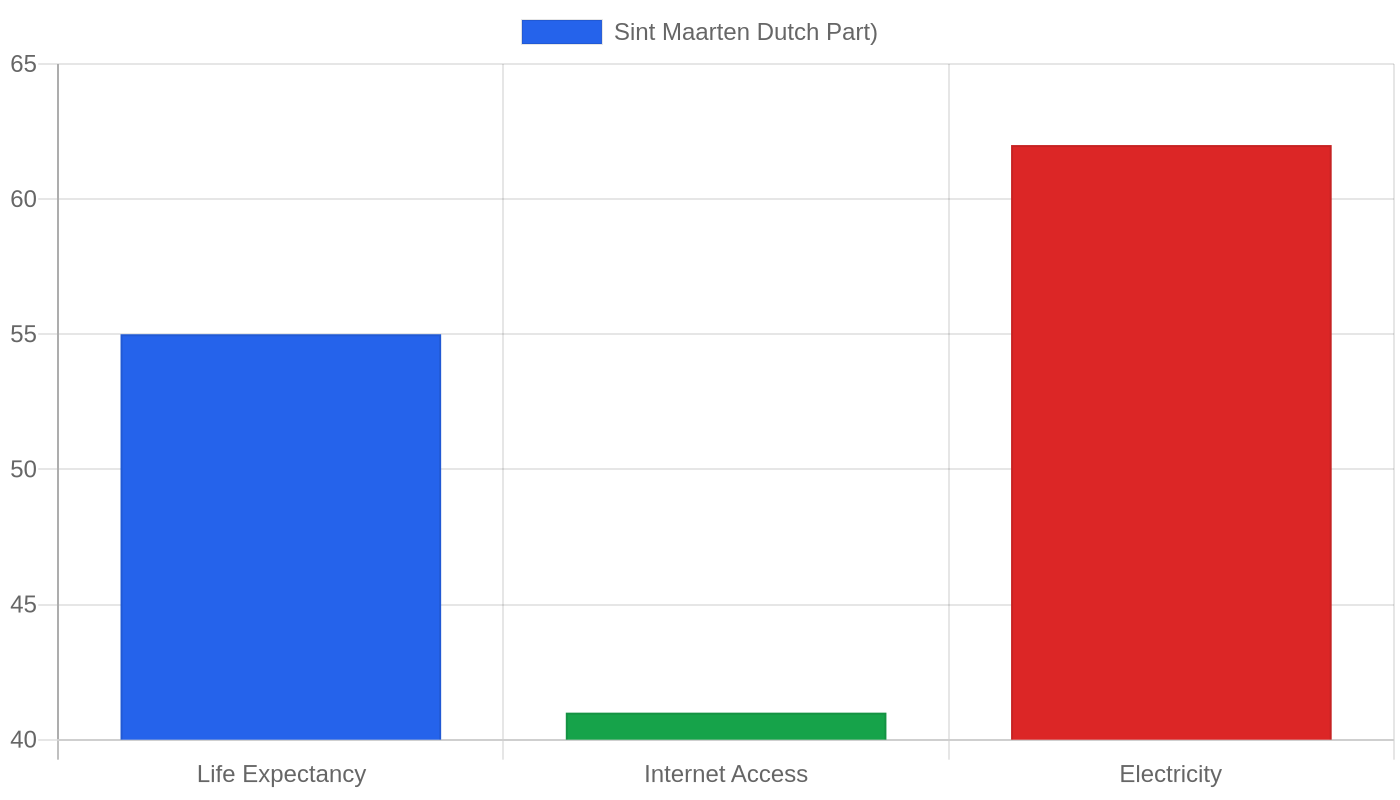
Economic Pulse Net | Sources: World Bank World Development Indicators, Government Sources | 2026
Key Takeaways
– Data Transparency Remains a Challenge: The World Bank’s latest economic indicators for Sint Maarten (Dutch Part) show significant gaps, underscoring the persistent difficulties in tracking the island’s recovery and growth trajectory with precision.
– A Tourism-Dependent Economy in Transition: While specific GDP figures are unavailable, the island’s economic identity remains anchored to its role as a premier Caribbean cruise and aviation hub, making it acutely sensitive to global travel trends.
– Rebuilding Beyond the Headlines: The legacy of recent hurricane seasons continues to shape both physical infrastructure and economic planning, with resilience now a central pillar of public policy.
– Geopolitical Status as an Economic Buffer: As an autonomous country within the Kingdom of the Netherlands, Sint Maarten enjoys a unique stability that influences investor confidence and public sector financing, even amid data scarcities.
– A Story of Two Halves: The Dutch side’s economic fortunes are inextricably linked with the French side of the island, creating a microcosm of cross-border economic cooperation and competition.
The Dutch Half’s Economic Engine: Recovery, Resilience, and the Weight of Tourism
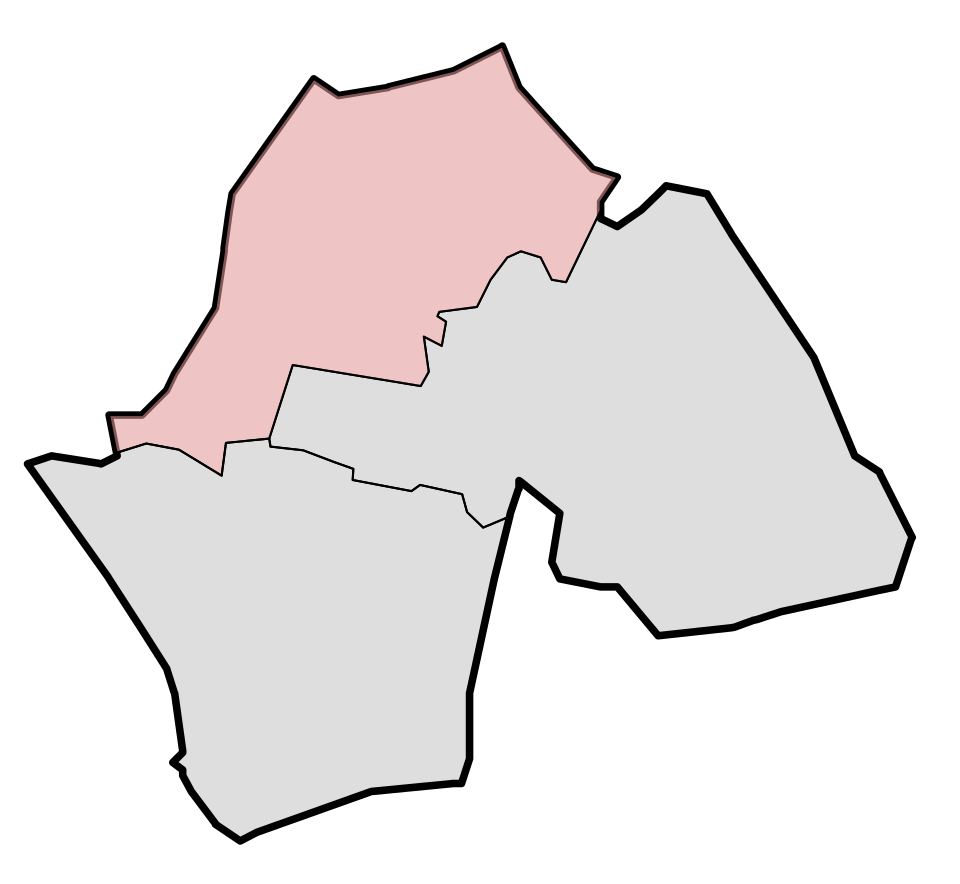
To understand Sint Maarten’s economy is to understand its geography. The Dutch side of this 37-square-mile island, which shares its borders with the French collectivity of Saint-Martin, has long punched above its weight in the Caribbean economic arena. The World Bank data for GDP growth, inflation, and unemployment are currently listed as N/A, which in itself tells a story of an economy in flux, where the statistical infrastructure is still catching up with the pace of change on the ground.
The absence of hard numbers does not mean the absence of economic activity; rather, it signals a period of recalibration for a nation that has weathered catastrophic storms and a global pandemic in rapid succession.
The economic heartbeat of Sint Maarten is undeniably its tourism sector. The island is famous for the Princess Juliana International Airport, where planes famously land just feet above Maho Beach, a spectacle that draws visitors and aviation enthusiasts from around the globe. This single asset anchors a broader service economy that includes luxury retail, hospitality, and a vibrant cruise port in Philipsburg, the capital.
The GNI per capita figures remain unreported by the World Bank, but historical context suggests a nation that has traditionally boasted one of the higher income levels in the Caribbean, a wealth built on its capacity to attract high-spending visitors and serve as a regional trading post.
However, the reliance on this single sector creates a vulnerability that is palpable. When global travel halts, as it did during the pandemic, or when a hurricane barrels through the Leeward Islands, the economic shockwaves are immediate and severe. The ongoing recovery efforts are therefore not merely about rebuilding hotels and roads; they are about diversifying an economic base that has been historically narrow.
The Dutch government in The Hague has provided substantial budgetary support to aid in reconstruction, a lifeline that underscores the constitutional ties but also raises questions about long-term fiscal autonomy. For the people of Sint Maarten, the economic narrative is one of patience and perseverance, waiting for the data to catch up with the resilience they demonstrate daily.
The Price of Paradise: Navigating the Cost of Living in Philipsburg
For residents of Sint Maarten, the cost of living is a daily negotiation with the island’s geography and its import-dependent reality. With no significant manufacturing base and limited arable land, nearly everything from food to construction materials must be shipped in, a logistical reality that inflates prices well beyond what one might find on the North American mainland.
While the World Bank dataset does not provide a specific cost-of-living index for Philipsburg, the anecdotal evidence and historical trends paint a clear picture of a premium-priced environment. Housing, in particular, is a significant expense; the demand for villas and apartments with ocean views from expatriates and remote workers has kept the real estate market buoyant, even as local wages struggle to keep pace.
The comparison to regional averages is telling. While specific figures are unavailable, it is widely understood that Caribbean islands, particularly those with a strong tourism focus, carry a cost premium of 20-30% compared to mainland averages for everyday goods. The dynamic of rent versus buy is also skewed by the high upfront costs of property acquisition and the scarcity of land.
For many locals, homeownership remains a long-term aspiration, while the rental market in areas like Simpson Bay and Cole Bay offers a more immediate, albeit expensive, solution. The government’s efforts to regulate rent and provide social housing have been piecemeal, leaving many to navigate a private market that is heavily influenced by foreign capital.
Ultimately, the cost of living in Sint Maarten is a reflection of its success as a tourist destination—the very industry that drives the economy also drives up the prices that locals must pay.
The Business Climate: Where Global Capital Meets Island Pragmatism
Sint Maarten presents a fascinating case study in Caribbean business dynamics. The top companies operating on the Dutch side are predominantly in the hospitality, retail, and financial services sectors, ranging from international hotel chains to local banking institutions that facilitate the island’s role as a regional financial hub. The business environment is characterized by a pragmatic, can-do attitude that is distinct from the more bureaucratic cultures found on some neighboring islands.
The government has, in recent years, made strides in streamlining business registration and licensing, though the World Bank data on “Ease of Doing Business” is not included in this brief.
The sectors to watch are those tied to the island’s resilience and reconstruction. There is a growing demand for construction and engineering firms capable of building to stricter hurricane-resistant codes, a niche that has attracted international players. Additionally, the digital economy is slowly gaining traction, with improvements in internet infrastructure enabling a nascent community of remote workers and digital nomads to set up shop.
However, challenges remain: the high cost of energy, largely dependent on imported fossil fuels, remains a significant barrier to manufacturing and heavy industry. The political landscape, while stable under the Dutch crown, can be subject to coalition shifts, creating a degree of unpredictability for long-term investors. Yet, for those willing to navigate these waters, Sint Maarten offers a unique gateway to both the Caribbean and, by extension, the wider Latin American market.
Safety, Politics, and the Pulse of Island Life
The quality of life in Sint Maarten is a complex tapestry woven from its natural beauty, its multicultural population of over 100 nationalities, and the lingering shadows of economic inequality. The Crime Index and Safety Index for the country are currently listed as N/A, which prevents a definitive statistical analysis.
However, it is an open secret that the island has struggled with issues related to organized crime and petty theft, challenges common to many port cities and tourist hubs where wealth disparity is visible. The government has repeatedly pledged to bolster the police force and enhance border security, particularly at the airport and seaport, to safeguard the tourism product upon which the economy depends.
Politically, Sint Maarten operates as a country within the Kingdom of the Netherlands, with its own parliament, prime minister, and a high degree of autonomy in domestic affairs. The political landscape is dynamic, often characterized by shifting coalitions and personalist parties rather than deep ideological divides. This can lead to periods of governmental instability, but the ultimate oversight from The Hague provides a safety net that ensures a baseline of governance and fiscal responsibility.
For the average citizen, life is defined by the rhythm of the sea and the arrival of cruise ships. The island’s cultural calendar is packed with carnivals and regattas, reflecting a vibrant social fabric. The quality of life is high for those who can afford it, but the pressure on public services, from healthcare to education, remains a persistent political issue that will define the nation’s trajectory in the coming years.
Navigating the Now: Reconstruction, Reforms, and the Road Ahead
Right now, Sint Maarten is in a state of active motion, far removed from the static picture painted by missing data points. The most pressing current affair is the ongoing physical and economic reconstruction following the devastating hurricanes of recent years. While the World Bank’s “latest” figures are unavailable, the visible evidence is the constant hum of construction cranes across the island.
The government, in collaboration with the Dutch Ministry of the Interior and Kingdom Relations, is managing a multi-year, multi-million-guilder reconstruction program aimed at making public buildings, including the main hospital and schools, more resilient to future climate shocks.
This reconstruction effort is not just about repairing what was lost; it is about reimagining what the island can be. There is a significant policy push towards “building back better,” which includes upgrading the electrical grid to incorporate more renewable energy sources, a move that could eventually lower the high cost of electricity that hampers business.
Simultaneously, the government is navigating a complex reform agenda tied to the financial support from the Netherlands, which has included demands for improvements in financial management and anti-corruption measures. These reforms are sensitive, touching on national pride and sovereignty, yet they are crucial for securing the island’s financial future. The tourism sector is also evolving, with a shift towards attracting higher-end, longer-stay visitors rather than just day-trippers from cruise ships.
As the island navigates these currents, the sense is that Sint Maarten is not just recovering; it is attempting to redefine its economic model for a more volatile world.
The Bottom Line
Sint Maarten is a country that defies easy summarization, especially when the hard data lags behind the on-the-ground reality. For investors, it offers a high-risk, high-reward proposition in a stunningly beautiful setting, underpinned by the stability of the Dutch legal system. For policymakers, it is a case study in climate resilience and the challenges of economic diversification in a small island state.
And for global citizens, it remains a vibrant cultural crossroads that is worth watching—not just as a tourist destination, but as a bellwether for how the Caribbean will navigate the coming decades of climate and economic uncertainty. Despite the gaps in the data, the story of Sint Maarten is one of tenacity, and its next chapter is being written now.
Sources & Methodology
This article is authored by Economic Pulse Net for informational and research purposes. Economic Pulse Net sources its data from multilateral institutions, national statistics bureaus, and proprietary databases. All data is believed to be current as of the date of publication.
Published: August 04, 2026 | Category: Research — Sint Maarten Dutch Part)
Use these signals in your own platform
Economic Pulse publishes its live signal feed through a documented, read-only API. Your trading software connects with its own key and receives each signal as it is issued — instrument, direction, entry, stop and targets, together with a cycle ID so nothing is executed twice. The feed is independent of this website and cannot change it.
Signals are informational only and are not financial advice.