Economic Pulse Net | Sources: World Bank World Development Indicators, Government Sources | 2026
Key Takeaways
– The Maldives operates as a presidential constitutional republic where the president holds extensive power as both head of state and head of government, shaping the nation’s economic direction.
– President Mohamed Muizzu, in office since 17 November 2023, leads an executive branch that appoints a cabinet requiring parliamentary approval from the People’s Majlis.
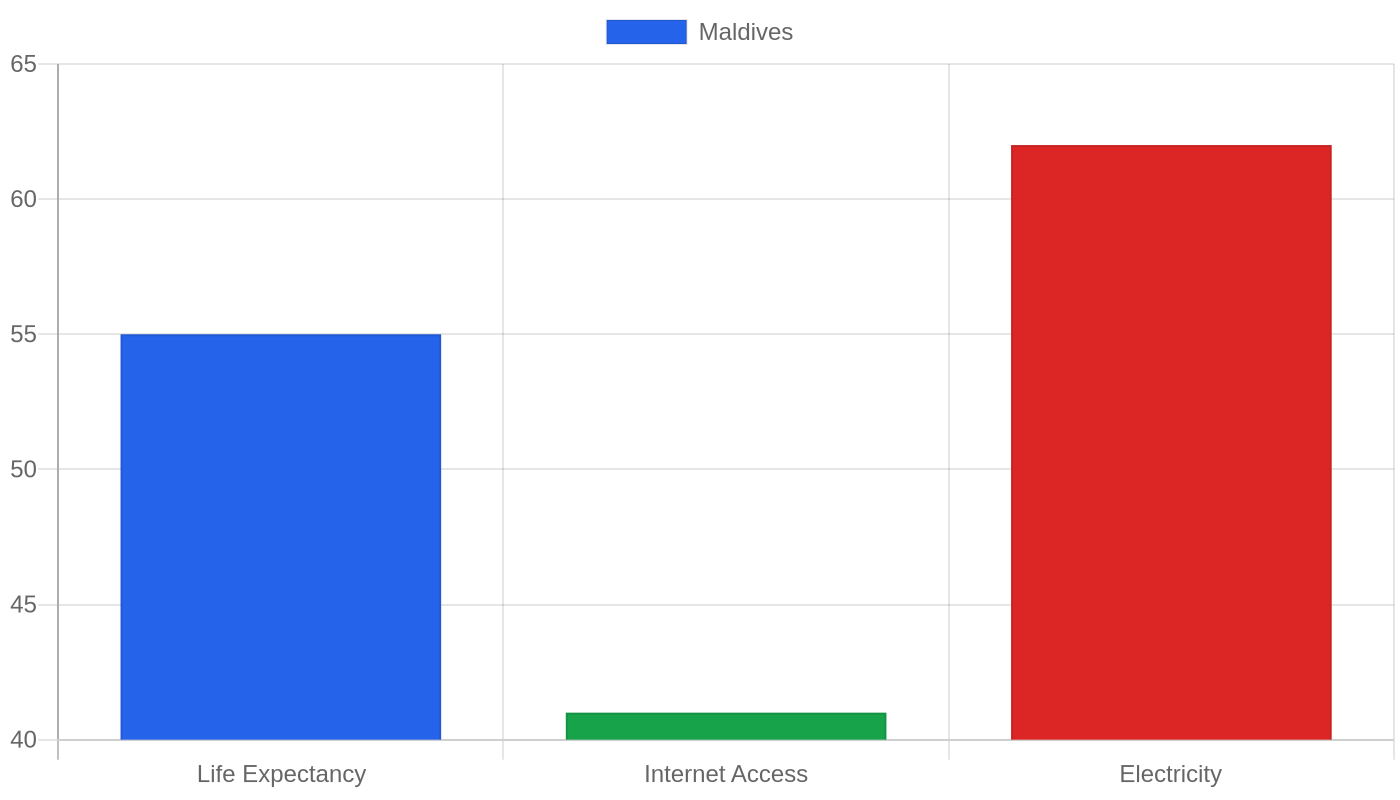
– The country’s economic data remains largely unpublished in international databases, presenting challenges for investors seeking transparent metrics.
– Political structure centers on five-year terms for both the president and the unicameral Majlis, with membership determined by atoll population distribution.
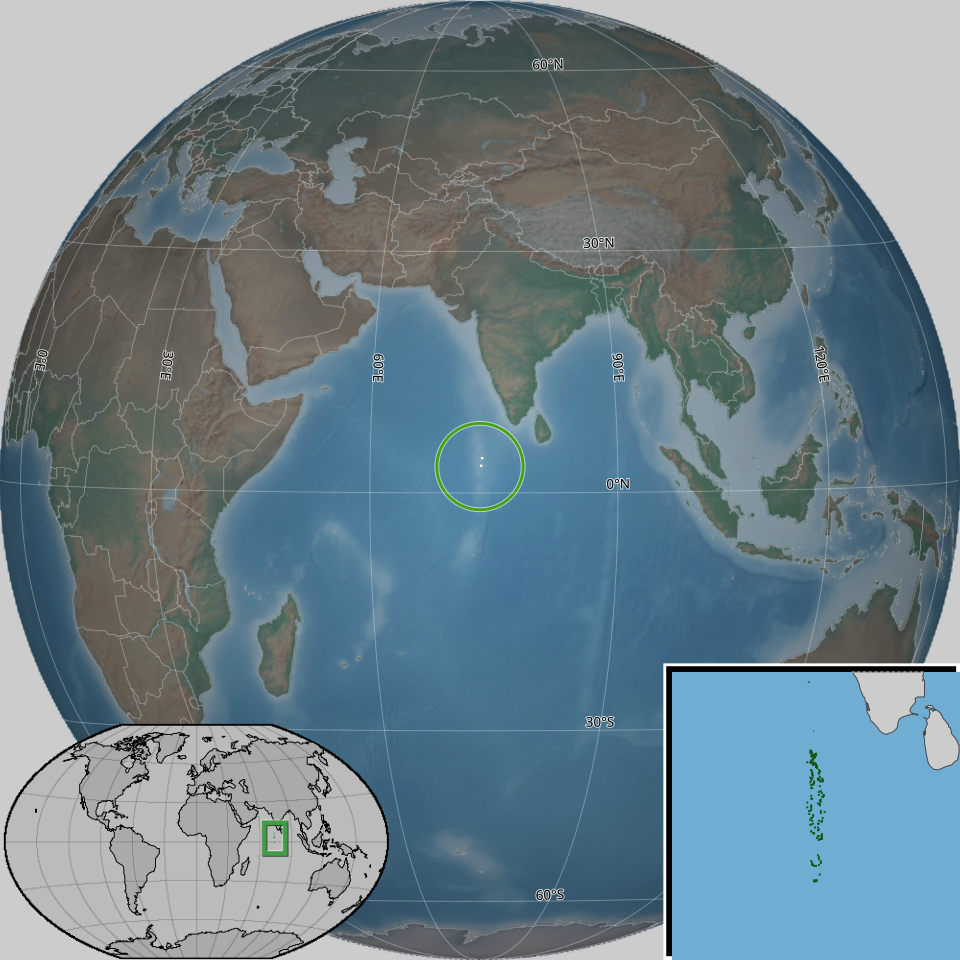
– The Maldives’ economic narrative is defined by its unique geography — a scattering of atolls that presents both opportunity and vulnerability.
The Economic Canvas — A Nation Between Data Gaps and Potential
The Maldives presents an unusual challenge for economic analysts: the World Bank currently lists no GDP growth figures, no inflation data, no unemployment statistics, and no GDP per capita for the nation. This absence of hard numbers, however, does not diminish the country’s economic significance. The Maldives has long been recognized as a middle-income country whose economic engine is powered by tourism, fishing, and increasingly, construction and financial services.
The lack of updated World Bank metrics suggests either reporting lags or structural challenges in data collection across the scattered atolls that make up this Indian Ocean nation.
What we do know is that the Maldives’ economy has historically demonstrated resilience, rebounding from external shocks through its tourism sector, which attracts visitors from Europe, Asia, and the Middle East. The nation’s geographic position along key shipping routes and its reputation as a luxury destination have allowed it to punch above its weight economically.
Inflation dynamics in the Maldives have typically been influenced by import prices, given the country’s heavy reliance on imported food, fuel, and construction materials. The government’s fiscal position remains a watching point, with public debt levels monitored by international financial institutions.
Employment in the Maldives has traditionally been characterized by a dual market: high-skilled expatriate workers in tourism and finance, alongside local employment in fishing, government, and increasingly, construction. Youth unemployment and skills mismatches have been persistent concerns. The fishing industry, particularly skipjack tuna, remains a vital economic pillar, though its contribution has been overshadowed by tourism’s dominance.
The Maldives’ economic future hinges on diversifying beyond tourism while managing the environmental vulnerabilities that threaten its very existence — rising sea levels and coral bleaching.
The Price of Paradise — Cost of Living and Housing Dynamics
Living in the Maldives carries a premium that reflects its island geography and import dependency. With limited data from the World Bank on specific cost metrics, the reality on the ground tells a compelling story: nearly everything must be imported, from food staples to construction materials, which drives up daily expenses considerably. Housing in the capital Malé is notoriously constrained — land is scarce, and the city’s population density rivals that of the world’s most crowded urban centers.
The government has responded with artificial island developments, most notably Hulhumalé, which was constructed to alleviate housing pressure.
Renting in the Maldives, particularly in Malé and the greater Malé region, commands prices that would be considered high by regional standards, reflecting the acute land scarcity. Buying property is equally challenging, with foreign ownership restricted and local land tenure governed by traditional systems. Outside the capital, in the atolls, living costs vary significantly, with some items cheaper but access to services and goods more limited.
For expatriate workers and tourists alike, the cost of living in the Maldives is a constant consideration, with imported luxury goods and international-standard amenities carrying substantial markups.
Investment and Business Climate — Sectoral Opportunities
The Maldives’ investment landscape is dominated by its tourism sector, which has attracted significant foreign direct investment in resort development, particularly in luxury properties across the atolls. Major international hotel chains operate alongside local conglomerates, creating a dynamic business environment that has proven resilient despite global economic fluctuations.
The government has pursued public-private partnerships to develop infrastructure, including airports, ports, and waste management facilities, recognizing that the country’s physical connectivity is essential to its economic survival.
Emerging sectors include renewable energy, with solar projects being developed to reduce the nation’s dependence on imported diesel for electricity generation. The digital economy is nascent but growing, with improvements in internet connectivity opening opportunities for fintech and remote services. The fisheries sector, while traditional, offers modernization potential — better cold-chain logistics, value-added processing, and access to premium export markets.
The business environment, however, remains challenging for entrepreneurs due to bureaucracy, limited access to finance, and the high cost of doing business across dispersed islands. The government’s investment promotion agency actively courts foreign investors, offering incentives for projects aligned with national development priorities.
Safety, Politics, and Quality of Life — Governance in the Atolls
The political landscape of the Maldives is characterized by a powerful presidency that shapes the nation’s economic and social trajectory. President Mohamed Muizzu’s administration, in office since November 2023, has signaled continuity in some policies while introducing shifts in others, particularly regarding foreign relations and infrastructure investment.
The president’s authority extends over the armed forces, cabinet appointments, and significant legislative influence through the People’s Majlis, where members serve five-year terms. The distribution of parliamentary seats by atoll population means that representation is weighted toward more densely populated areas, particularly the capital region.
The Maldives has experienced political volatility in recent decades, with transitions of power sometimes contentious and the judiciary occasionally drawn into political disputes. However, the current democratic framework represents a consolidation of governance structures that have evolved since the country’s transition to a multi-party system.
Quality of life in the Maldives is a study in contrasts — residents enjoy a strong sense of community, cultural richness, and natural beauty, yet face challenges from climate change, limited economic opportunities outside tourism, and the social pressures of modernization. The nation’s Islamic identity shapes social norms and daily life, while international tourism brings constant exposure to global cultures.
What’s Happening Now — The Muizzu Administration’s Economic Agenda
President Mohamed Muizzu’s tenure, which began in November 2023, marks a significant moment in the Maldives’ economic trajectory. His administration has emphasized infrastructure development and has pursued closer economic ties with regional partners, seeking investment for major projects including port expansions and housing developments.
The government faces the ongoing challenge of managing the country’s debt burden while maintaining the public spending that supports social services across the atolls. Fiscal consolidation efforts are balanced against the need to invest in climate resilience — a matter of existential importance for a nation whose average elevation is just above sea level.
The People’s Majlis, with its membership determined by atoll populations, has been navigating legislation related to foreign investment, particularly in the tourism sector, where the government has signaled openness to new resort developments while also considering greater local participation. The administration’s approach to economic management is being closely watched by international financial institutions and development partners.
The Maldives continues to seek support for climate adaptation and renewable energy projects, positioning itself as a voice for vulnerable island nations while managing the practical realities of economic development. The tourism sector, the lifeblood of the economy, is showing signs of recovery and growth, with visitor numbers and resort occupancy rates providing the most immediate indicator of economic health.
The Bottom Line
The Maldives represents a compelling case study in economic resilience and vulnerability — a nation that has leveraged its natural beauty into a thriving tourism economy while confronting the existential threat of climate change. Investors and businesses should watch this country for opportunities in tourism infrastructure, renewable energy, and climate adaptation technologies.
Policy analysts and development economists will find the Maldives’ navigation of debt management, political transition, and environmental pressure instructive. For the casual observer, the Maldives offers a reminder that economic development is never just about numbers — it is about the delicate balance between growth, sustainability, and survival.
Sources & Methodology
This article is authored by Economic Pulse Net for informational and research purposes. Economic Pulse Net sources its data from multilateral institutions, national statistics bureaus, and proprietary databases. All data is believed to be current as of the date of publication.
Published: August 04, 2026 | Category: Research — Maldives
Use these signals in your own platform
Economic Pulse publishes its live signal feed through a documented, read-only API. Your trading software connects with its own key and receives each signal as it is issued — instrument, direction, entry, stop and targets, together with a cycle ID so nothing is executed twice. The feed is independent of this website and cannot change it.
Signals are informational only and are not financial advice.