Economic Pulse Net | Sources: World Bank World Development Indicators, Government Sources | 2026
Key Takeaways
– Nigeria’s GDP grew at 4.01% in 2025 according to the World Bank, signalling a modest recovery, but inflation remains painfully high at 23.01%, eating into household purchasing power.
– Unemployment is officially just 3.06%, a figure that masks the reality of widespread underemployment and informal sector dominance across Africa’s most populous nation.
– President Tinubu’s tax reform agenda, now one year old, is being hailed by supporters as visionary — but the proof will be in whether it translates into better public services and lower costs for ordinary Nigerians.
– Soaring cooking gas prices, as reported by Premium Times, are squeezing households and small businesses, highlighting the disconnect between macroeconomic growth and everyday lived experience.
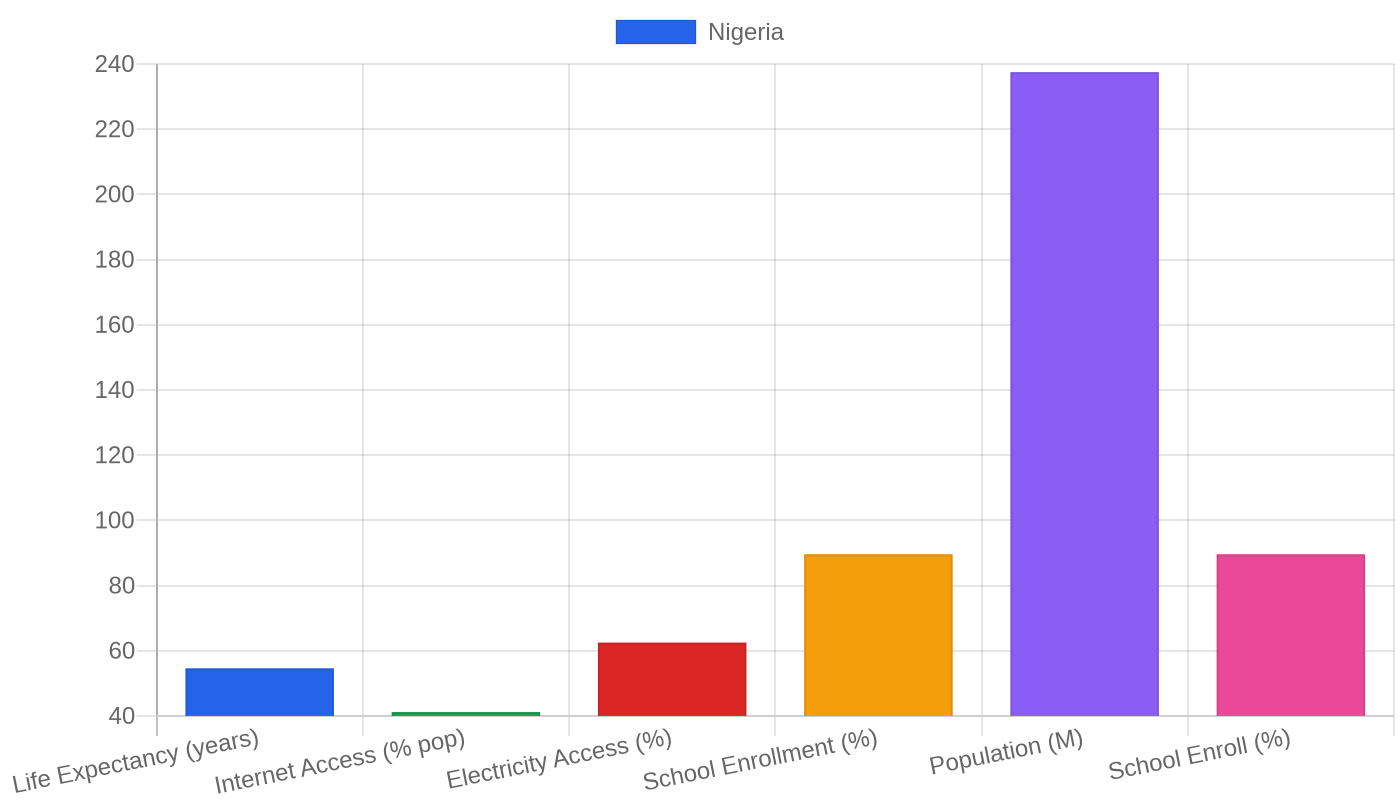
– With a GNI per capita of just $1,360 and a population approaching 238 million, Nigeria remains a story of vast potential locked inside stubborn structural challenges.
Growth on Paper, Pain on the Street
The World Bank reports that Nigeria’s economy expanded by 4.01% in 2025 — a figure that, on its own, would be cause for cautious optimism. But economic growth in a country of nearly 238 million people rarely tells the full story. The gross domestic product now stands at roughly $290.8 billion, placing Nigeria among Africa’s largest economies.
Yet the per capita figures reveal a more sobering reality: GNI per capita sits at just $1,360, a number that places the average Nigerian firmly in the lower-middle-income bracket.
Inflation is the true villain of this narrative. At 23.01%, according to the World Bank, consumer prices are rising at a pace that erodes wages, savings, and business margins alike. For context, this means that a basket of goods that cost 1,000 naira a year ago now costs more than 1,230 naira. The central bank has been fighting this battle with interest rate hikes, but the structural drivers — currency depreciation, supply chain bottlenecks, and energy costs — remain stubbornly in place.
Unemployment is officially recorded at just 3.06%, but this number should be treated with extreme caution. Nigeria’s labour market is dominated by the informal sector, where street vendors, artisans, and small-scale farmers make up the vast majority of workers. These individuals are counted as “employed” even when their incomes are erratic and insufficient. The real question is not whether Nigerians are working, but whether their work pays enough to live on.
The main industries — financial services, aviation, cement, food processing, and entertainment — show a country with genuine economic diversity. Access Bank dominates the financial sector, while BUA Cement and BUA Foods represent industrial and consumer goods strength. Arik Air and Aero Contractors keep the skies connected, and Cassava Republic Press and Chocolate City Records show that Nigeria’s cultural economy is very much alive.
Yet these industries operate in an environment where power is unreliable, fuel costs are high, and foreign exchange is scarce.
The Cost of Breathing: Living Expenses in Africa’s Giant
Everyday life in Nigeria has become a battle against rising prices. The most visceral example comes from Premium Times, which recently reported on how soaring cooking gas prices are squeezing households and businesses. For millions of Nigerian families, cooking gas is not a luxury — it is the primary fuel for preparing meals. When its price spikes, the impact is felt at every dinner table, and small businesses like roadside food vendors see their margins evaporate.
Housing costs vary dramatically between cities. In Lagos, Africa’s most chaotic and dynamic megacity, rent for a modest one-bedroom apartment in a decent neighbourhood can consume half or more of a salaried worker’s income. In Abuja, the purpose-built capital, housing is often more expensive relative to local wages because of the concentration of government workers and diplomats. Buying property remains out of reach for most, with mortgage penetration among the lowest in the world.
Daily expenses for basics like rice, beans, tomatoes, and cooking oil have climbed steadily. The naira’s weakness against major currencies means that imported goods — including many medicines, electronics, and vehicle parts — have become significantly more expensive. For the urban middle class, the cost of transport has also risen sharply, as petrol subsidies were removed under the current administration. The result is a population that is working harder just to stay still.
Where the Money Flows: Investment and Business Climate
Nigeria’s corporate landscape is dominated by a mix of banking, aviation, construction, and consumer goods. Access Bank stands as a heavyweight in financial services, while Arik Air and Aero Contractors keep the country’s domestic aviation sector operational despite well-known challenges. BUA Cement and BUA Foods represent the industrial backbone, and C&I Leasing Group PLC shows that the leasing sector is active.
On the cultural side, Chocolate City Records and Cassava Republic Press demonstrate that Nigeria’s creative economy is a genuine investment opportunity.
The business environment remains a study in contrasts. On one hand, Nigeria offers a market of nearly 240 million people, a youthful population, and a growing digital economy. On the other hand, infrastructure deficits, currency volatility, and regulatory unpredictability make it a high-risk destination. Multinational companies have complained for years about the difficulty of repatriating profits due to foreign exchange shortages.
Sectors to watch include financial technology, where Nigerian startups have attracted significant international venture capital; cement and construction, driven by urbanisation and infrastructure spending; and food processing, as the country seeks to reduce its reliance on food imports. The entertainment industry, particularly music and film, continues to generate global revenue and cultural influence that far exceeds its formal economic weight.
Politics, Safety, and the Quality of Life Question
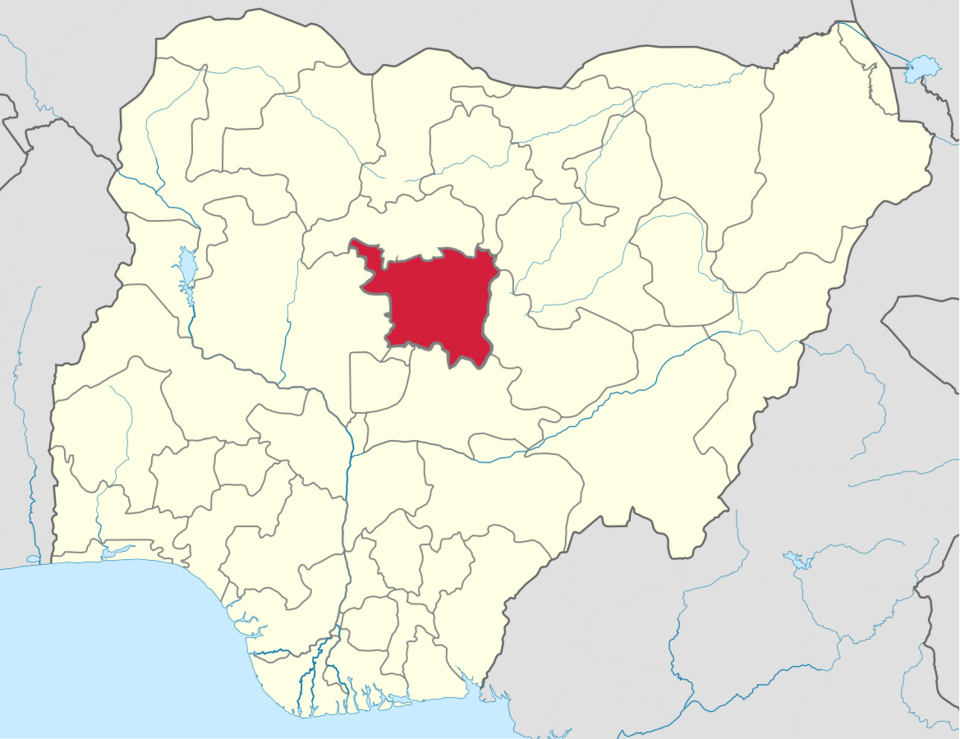
Nigeria is a federal republic modelled after the United States, with 36 states and the Federal Capital Territory of Abuja. Executive power rests with the president, who is elected by popular vote to a maximum of two four-year terms. State governors operate under similar term limits. The president’s authority is checked by a bicameral legislature consisting of a Senate and a House of Representatives.
This structure has been in place since the return to civilian rule in 1999, and while elections have become more competitive, they remain marred by logistical problems, voter suppression allegations, and occasional violence.
Safety is a deeply uneven experience in Nigeria. In the northeast, a long-running insurgency continues to cause displacement and suffering. In the northwest, banditry and kidnapping for ransom have become endemic. In the south, oil theft and maritime crime pose risks. In major cities like Lagos and Abuja, street crime is a concern, though wealthier residents often insulate themselves with private security and gated communities.
The absence of a reliable crime index in the available data makes it difficult to quantify these risks precisely, but anecdotal evidence and international travel advisories consistently flag safety as a significant factor.
Quality of life is shaped by these insecurities as well as by the daily struggle with infrastructure. Power outages are routine, traffic congestion in Lagos is legendary, and access to quality healthcare and education is highly dependent on income. Yet Nigerians are also among the most resilient, entrepreneurial, and culturally vibrant people on the continent. The country’s music, film, and literature enjoy global audiences, and its diaspora is one of the most successful and influential in the world.
One Year of Tinubu’s Reforms: Hope Versus Hardship
The most consequential recent development in Nigeria is the reform agenda of President Bola Tinubu, now one year in motion. Premium Times recently published an analysis by Aderonke Atoyebi titled “One year after the tax reform laws: Tinubu’s economic foresight is taking shape.” The piece argues that the administration’s tax reforms are beginning to show results, though the benefits have not yet reached most households.
These reforms sit alongside other painful policy shifts. The removal of fuel subsidies, long a politically sensitive issue, has pushed up transport and energy costs. The unification of the foreign exchange rate has led to a sharp depreciation of the naira. Both moves are considered necessary by economists to put Nigeria’s public finances on a sustainable footing, but they have inflicted short-term pain on a population already struggling with high inflation.
The cooking gas crisis reported by Premium Times is a microcosm of the broader challenge. Even as macroeconomic indicators improve — GDP growth is positive, tax revenues may be rising — households are feeling squeezed. The question for Tinubu’s administration is whether the political patience exists to see these reforms through. Nigerians have endured years of stagnant living standards. If the promised benefits of reform do not materialise soon, the social and political consequences could be severe.
The Bottom Line
Nigeria is a country that demands attention from anyone serious about African markets, global energy security, or demographic trends. Its 238 million people represent both a vast consumer market and a pool of human capital that, if properly educated and employed, could transform the continent. But the gap between potential and reality remains wide, bridged only by painful reforms and the resilience of ordinary Nigerians.
Investors should watch Nigeria with long time horizons and realistic expectations; policymakers should study it as a case study in the difficulty of economic transformation. For now, the story of Nigeria is one of growth on paper and struggle on the ground — and which side wins will determine the country’s trajectory for decades to come.
Sources & Methodology
This article is authored by Economic Pulse Net for informational and research purposes. Economic Pulse Net sources its data from multilateral institutions, national statistics bureaus, and proprietary databases. All data is believed to be current as of the date of publication.
Published: July 22, 2026 | Category: Research — Nigeria
Use these signals in your own platform
Economic Pulse publishes its live signal feed through a documented, read-only API. Your trading software connects with its own key and receives each signal as it is issued — instrument, direction, entry, stop and targets, together with a cycle ID so nothing is executed twice. The feed is independent of this website and cannot change it.
Signals are informational only and are not financial advice.