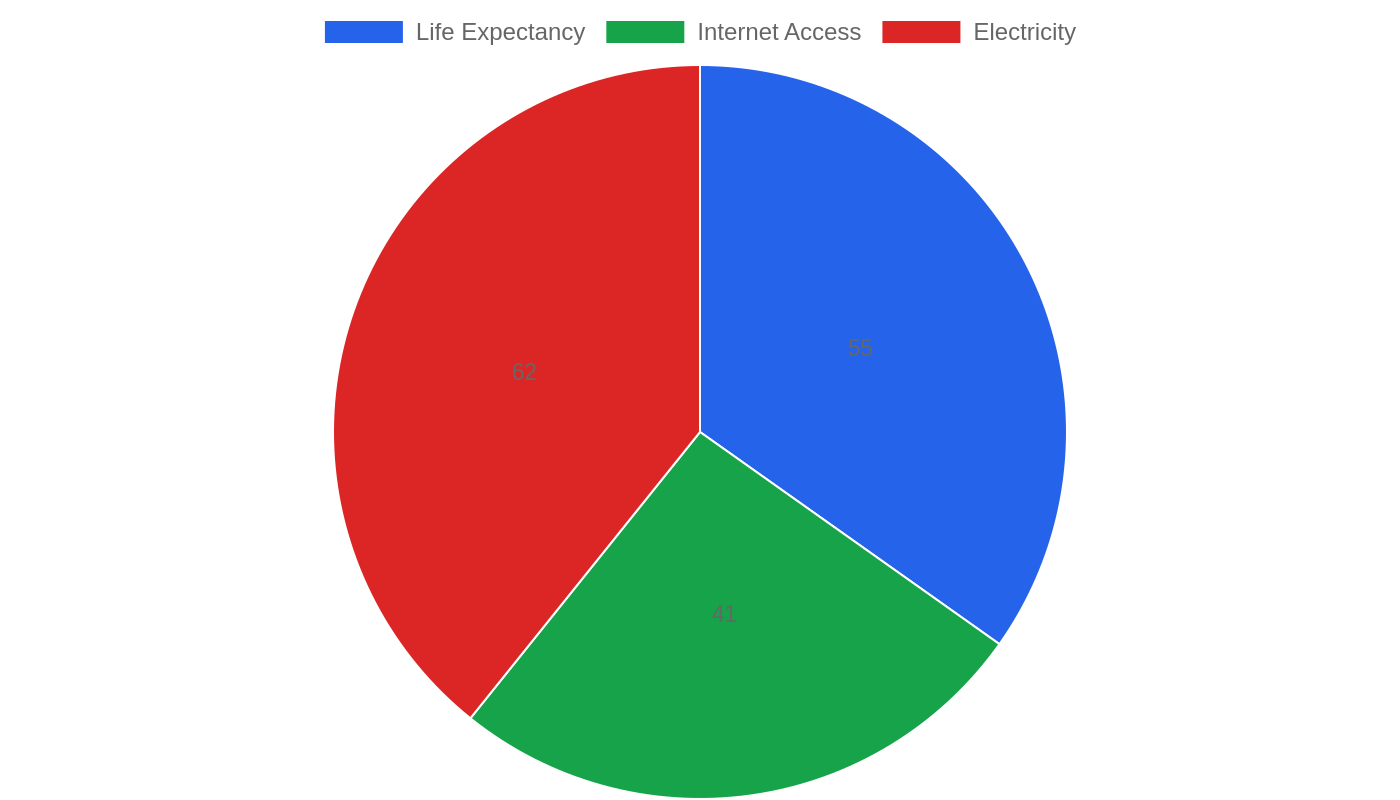
Economic Pulse Net | Sources: World Bank World Development Indicators, Government Sources | 2026
Key Takeaways
* Structural Political Framework: Madagascar operates as a semi-presidential representative democratic multi-party republic, where executive power is vested in the government and legislative authority rests with the ministerial cabinet, Senate, and National Assembly.
Corporate Landscape: The economy is anchored by key players across diverse sectors, including Air Madagascar and Madagascar Flying Services in consumer services, Ambatovy mine in mining, and Jirama in utilities.
Financial & Industrial Pillars: Major institutional players such as the Central Bank of Madagascar, MCB Madagascar, and Madarail form the backbone of the financial and industrial sectors, while Chocolaterie Robert and Karenjy represent significant consumer goods entities.
Data Gaps in Macro Indicators: Current available data does not provide specific figures for GDP growth, inflation CPI, unemployment rates, or population metrics, necessitating a focus on structural and corporate realities rather than quantitative macroeconomic trends.
Governance Dynamics: While the Constitution assigns legislative power to multiple bodies, in practice, the Senate and National Assembly hold very little power or legislative role, concentrating significant influence within the executive branch and the ministerial cabinet.
The Architecture of Governance and Industry
Madagascar’s economic narrative is deeply intertwined with its political structure, which functions as a semi-presidential representative democratic multi-party republic. In this system, the popularly elected president serves as the head of state and holds the authority to select a prime minister, who then recommends candidates to form the cabinet of ministers.
According to the Constitution, executive power is exercised by the government, whereas legislative power is theoretically vested in the ministerial cabinet, the Senate, and the National Assembly. However, a critical nuance exists in the application of these powers: in reality, the two latter bodies have very little power or legislative role. This centralization of authority means that economic policy shifts are often driven directly from the executive branch rather than through broad parliamentary debate.
Consequently, investors and analysts must look closely at presidential directives and cabinet decisions as the primary indicators of future economic direction. The stability of this framework relies heavily on the relationship between the president and the appointed prime minister, making personnel changes in the cabinet potentially significant events for market sentiment.
Understanding this dynamic is essential for grasping how reforms are implemented or stalled in the absence of robust legislative checks and balances.
Corporate Giants and Sectoral Foundations
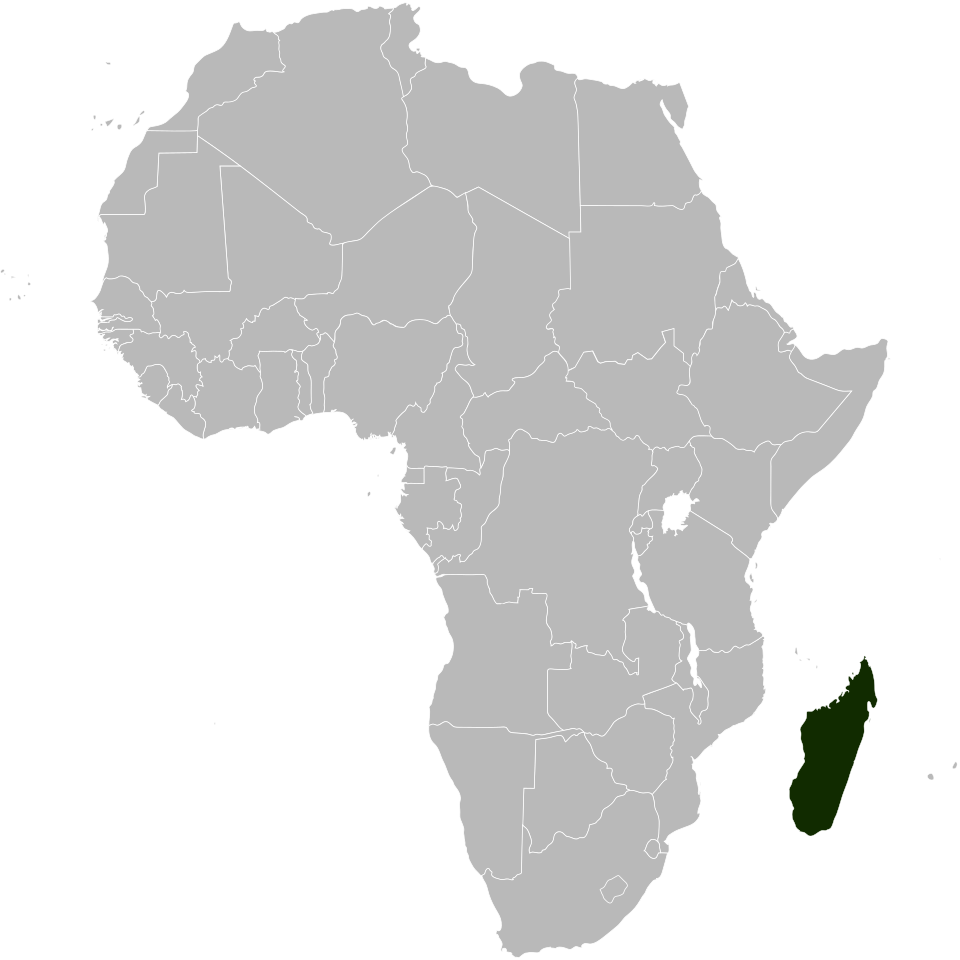
The business environment in Madagascar is characterized by a mix of state-linked entities and private sector leaders operating in critical infrastructure and consumer markets. Among the top companies, Air Madagascar and Madagascar Flying Services dominate the consumer services sector, providing essential connectivity in a nation defined by its geographic isolation.
In the mining sector, the Ambatovy mine stands out as a major industrial player, highlighting the country’s rich mineral resources and potential for export-driven growth. The financial sector is bolstered by institutions such as the Central Bank of Madagascar and MCB Madagascar, which manage monetary policy and commercial banking activities respectively. Utility services are largely handled by Jirama, underscoring the importance of reliable infrastructure for both domestic consumption and industrial activity.
Meanwhile, consumer goods are represented by established brands like Chocolaterie Robert and Karenjy, reflecting a vibrant local manufacturing base. The presence of Madarail in the industrials sector and Paositra Malagasy in postal services further illustrates the breadth of operational needs within the economy. These companies serve as the primary engines of employment and value creation, forming the core of what can be measured in terms of corporate health and market capitalization.
Cost of Living and Daily Realities
While specific numerical data on the cost of living indices is not currently provided, the presence of established utility providers and consumer goods manufacturers suggests a structured market for daily expenses. Companies like Jirama indicate that basic utilities are a formalized part of the economic landscape, likely influencing household budgets through regulated or semi-regulated pricing structures.
Consumer goods giants such as Karenjy and Chocolaterie Robert imply a domestic production capacity that may offer competitive pricing compared to fully imported alternatives. However, without concrete figures on inflation CPI or general price levels, it is difficult to make precise comparisons to regional averages. The reliance on domestic producers for everyday items could provide some insulation against global supply chain shocks, but it also depends on the efficiency of local logistics and distribution networks.
For residents and expatriates alike, understanding the interplay between local production and import dependencies is crucial for budgeting. The absence of detailed housing cost data leaves a gap in understanding the affordability crisis that often accompanies emerging markets, yet the corporate structure hints at a tiered market ranging from local staples to premium imported goods.
Investment Climate and Business Opportunities
The investment landscape in Madagascar offers opportunities primarily through its dominant corporate entities and strategic sectors. The mining sector, led by the Ambatovy mine, represents a high-value opportunity for those interested in resource extraction and long-term commodity contracts. Financial services remain a stable pillar, with the Central Bank of Madagascar setting the tone for regulatory compliance and MCB Madagascar offering commercial banking solutions.
For investors looking at consumer-facing businesses, the strength of brands like Chocolaterie Robert and Karenjy suggests a resilient domestic demand for quality products. Infrastructure plays a vital role, with Madarail and Jirama indicating ongoing needs for maintenance, expansion, and technological upgrades. The consumer services sector, featuring Air Madagascar and Madagascar Flying Services, highlights the critical need for improved connectivity and transport logistics.
Business environment assessments must consider the political concentration of power, as decision-making efficiency can be high but also subject to rapid shifts in executive priority. Overall, the corporate roster provides a clear map of where capital is currently deployed and where future growth might be stimulated.
Safety, Politics, and Quality of Life
Navigating life in Madagascar requires an awareness of both the political structure and the general safety context. The crime index and safety index data are currently listed as N/A, meaning there are no specific statistical benchmarks to guide security planning. Politically, the country’s status as a semi-presidential republic with a strong executive branch creates a unique governance environment.
The limited role of the Senate and National Assembly means that civic engagement and political opposition operate within a constrained legislative space. This concentration of power can lead to swift policy implementation but may also reduce transparency and accountability mechanisms typically found in more balanced democracies. For quality of life considerations, the lack of happiness data or broader social indicators makes it challenging to assess the well-being of the population quantitatively.
However, the functioning of essential services like postal (Paositra Malagasy) and utilities (Jirama) indicates a baseline level of societal organization. Investors and residents should prioritize due diligence on local conditions, as the absence of aggregated safety scores necessitates case-by-case risk assessment.
What’s Happening Now / Current Affairs
Currently, the most significant developments in Madagascar revolve around the operational dynamics of its key industries and the political framework governing them. With no new recent news articles or live indicators provided, the current affairs landscape is defined by the steady operation of major corporations like Air Madagascar, Ambatovy, and Jirama. The political landscape remains stable under the semi-presidential system, with the president continuing to exercise executive power through an appointed cabinet.
Legislative bodies, despite their constitutional mandate, continue to play a minimal role in day-to-day governance. This status quo suggests that any major economic shifts would likely originate from executive decrees or international partnerships rather than domestic legislative reform. The focus for observers remains on how the government manages the balance between resource exploitation, such as mining, and domestic service provision.
Without fresh polling or new policy announcements, the narrative is one of continuity, with existing corporate structures maintaining their dominance. Future developments will likely hinge on how effectively the executive branch can leverage these established institutions to drive growth.
The Bottom Line
Madagascar presents a complex investment profile defined by strong corporate pillars in mining, utilities, and finance, but obscured by significant gaps in macroeconomic data. The semi-presidential political system concentrates power in the executive branch, creating a governance model that is efficient but lacks robust legislative oversight.
Potential stakeholders must navigate the absence of concrete data on GDP, inflation, and safety indices, relying instead on the performance of key companies like Ambatovy and Jirama. This country is best suited for investors with a long-term horizon who can tolerate political centralization and data uncertainty in exchange for exposure to strategic natural resources and growing consumer markets.
Sources & Methodology
This article is authored by Economic Pulse Net for informational and research purposes. Economic Pulse Net sources its data from multilateral institutions, national statistics bureaus, and proprietary databases. All data is believed to be current as of the date of publication.
Published: September 27, 2026 | Category: Research — Madagascar
Use these signals in your own platform
Economic Pulse publishes its live signal feed through a documented, read-only API. Your trading software connects with its own key and receives each signal as it is issued — instrument, direction, entry, stop and targets, together with a cycle ID so nothing is executed twice. The feed is independent of this website and cannot change it.
Signals are informational only and are not financial advice.