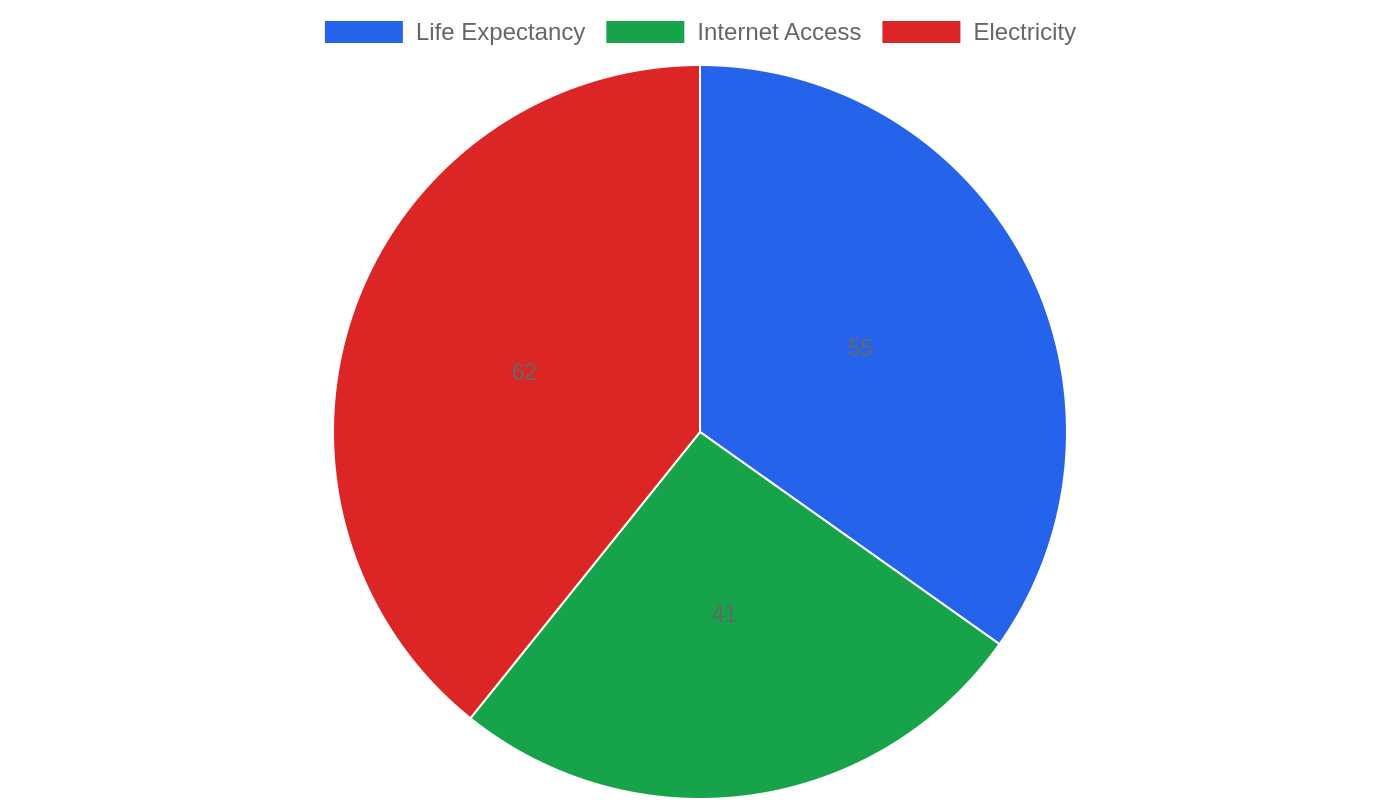
Economic Pulse Net | Sources: World Bank World Development Indicators, Government Sources | 2026
Key Takeaways
– Cameroon’s economic narrative is defined by its dual role as a regional anchor in Central Africa and a nation navigating complex political transitions, with the presidency wielding significant control over economic policy and government appointments.
– The country’s corporate landscape reveals a strategic pivot toward financial services and industrial infrastructure, with major players like Afriland First Bank, Commercial Bank Cameroon, Camrail, and Camtel shaping the domestic business environment.
– Consumer goods and brewing giant Brasseries du Cameroun, alongside the Cameroon Development Corporation, underscore the importance of domestic consumption and agricultural processing in the national economy.
– The political system, characterized by a powerful executive branch with seven-year presidential terms, creates both stability and uncertainty for investors watching the country’s long-term trajectory.
– Cameroon’s economic story is one of potential waiting to be unlocked — a nation with established financial institutions, industrial capacity, and strategic position, yet facing the challenge of translating these assets into broad-based prosperity.
The Economic Engine — Heavy Industry, Financial Depth, and the Road to Diversification
Cameroon’s economic foundation rests on a surprisingly sophisticated corporate infrastructure for a Central African nation. The presence of Afriland First Bank and Commercial Bank Cameroon in the financial sector indicates a banking system with enough depth to support both retail customers and commercial enterprises.
This financial backbone is critical — banks are the arteries through which investment capital flows, and their prominence in Cameroon’s corporate hierarchy suggests a formal economy that has moved beyond simple commodity trading. The World Bank’s economic data for Cameroon presents a picture of a nation in transition, though specific growth figures remain elusive. What we can observe is the structural composition of the economy through its leading enterprises.
The heavy representation of industrial firms — Camrail in rail transport, Camtel in telecommunications, CAMPOST in postal services, and Cargo Airways International in aviation — points to a country investing in the physical connective tissue that binds markets together. Rail infrastructure, in particular, is the lifeblood of landlocked neighbors’ trade, positioning Cameroon as a logistical gateway for the entire Central African region.
The consumer goods sector, anchored by Brasseries du Cameroun and the Cameroon Development Corporation, tells a story of domestic production capacity. A brewery of this scale doesn’t just serve local tastes — it creates demand for agricultural inputs, packaging materials, distribution networks, and retail employment. The Cameroon Development Corporation’s presence in the consumer goods space suggests continued investment in agricultural processing, a sector with enormous potential for value addition.
The aviation industry, represented by both Air Leasing Cameroon and Cargo Airways International, signals that Cameroon sees itself as an air transport hub, not merely a ground-level player. These industries collectively suggest an economy attempting to modernize its infrastructure while maintaining its agricultural and manufacturing base.
The challenge ahead lies in whether this corporate strength can translate into measurable improvements in GDP per capita and employment — the ultimate tests of whether economic structure delivers human progress.
Housing, Daily Life, and the Cost of Living Puzzle
For the average Cameroonian, the economic indicators that matter most are the price of food, the cost of shelter, and the availability of work. While comprehensive cost-of-living data for Cameroon remains limited in the available World Bank statistics, the structure of the economy offers insights into daily economic realities.
The prominence of consumer goods companies like Brasseries du Cameroun suggests a formal market for everyday products, but the true cost of living extends beyond what corporate earnings reveal. Housing in Cameroon’s major urban centers — Douala, Yaoundé, Bafoussam — follows the familiar pattern of many African cities: a spectrum ranging from modern apartments in secure compounds to more affordable, self-built housing in peri-urban neighborhoods.
The choice between renting and buying is often less about financial optimization and more about access to land tenure, which in Cameroon is a complex patchwork of customary and statutory systems.
The daily expense burden in Cameroon is shaped by the country’s dual economy. Formal sector workers in banks, telecoms, and industrial firms enjoy a standard of living connected to the corporate economy, while the majority of the population participates in informal markets where prices fluctuate with harvests and fuel costs. Transportation costs, food prices, and utilities consume a significant portion of household budgets, as they do throughout Central Africa.
The presence of CAMPOST and Camtel in the corporate landscape suggests ongoing investment in public services and connectivity, which can ease some cost-of-living pressures by reducing the need for private alternatives.
For a nation at Cameroon’s stage of development, the cost of living is less about headline indices and more about the relationship between formal sector wages, informal sector income, and the prices of essential goods — a balance that determines whether economic growth translates into visible improvements in daily life.
Business Climate and Investment — Where Capital Is Flowing
Cameroon’s investment landscape is defined by the companies that have chosen to build their futures there. The financial sector’s strength, with Afriland First Bank and Commercial Bank Cameroon leading the charge, provides the foundational trust that investors require before committing capital. Banks that have weathered regional economic cycles and built local expertise are invaluable assets for any country seeking foreign direct investment.
The telecommunications sector, represented by Camtel, positions Cameroon within the broader African digital transformation story — connectivity is the prerequisite for everything from mobile banking to e-commerce to remote education. Investors watching Cameroon are likely paying close attention to whether the regulatory environment keeps pace with the ambitions of these corporate players.
The industrial sector deserves particular attention from potential investors. Camrail’s rail operations are not merely a domestic concern — they link Cameroon’s ports to landlocked neighbors like Chad and the Central African Republic, making the country a logistical linchpin for regional trade. Cargo Airways International’s focus on air freight suggests an economy that understands the value of speed in moving high-value goods.
The consumer goods sector, with Brasseries du Cameroun’s established market presence and the Cameroon Development Corporation’s agricultural processing capabilities, offers insights into where domestic demand is headed. As urbanization continues and disposable incomes grow — even modestly — consumer-facing industries stand to benefit.
The business environment in Cameroon, while challenging in terms of bureaucracy and infrastructure gaps, offers first-mover advantages in sectors where the country already has established corporate champions. For investors with patience and local knowledge, the opportunity lies in partnering with these existing players or finding niches where Cameroonian enterprise has yet to reach its full potential.
Governance, Security, and the Quality of Life Equation
Cameroon’s political system centers on a powerful presidency that shapes the nation’s economic destiny. The president’s authority to appoint government officials at all levels — from the prime minister to provincial governors and divisional officers — means that economic policy and administrative capacity are tightly linked to the executive branch.
This concentration of power creates a particular investment dynamic: decisions that affect business conditions can be made swiftly, but they also depend heavily on the priorities and effectiveness of the central government. The seven-year presidential term provides a degree of policy continuity that some investors find reassuring, though it also raises questions about succession and political transition that are impossible to ignore.
The quality of life in Cameroon is a complex tapestry that extends beyond economic metrics. While comprehensive crime and safety indices are not available in the current data, the country’s challenges with security in certain regions — particularly the Anglophone areas and the far north — are well-documented realities that shape both domestic life and international perception.
The presence of major consumer companies and financial institutions suggests that urban centers maintain a functioning social and economic order, but the gap between the formal economy and the lived experience of many citizens remains significant.
For expatriates and local professionals alike, quality of life in Cameroon’s cities offers the comforts of international-standard amenities in certain neighborhoods, alongside the challenges of infrastructure gaps and service reliability that are common across the region. The country’s cultural richness, entrepreneurial energy, and strategic position within Central Africa provide a foundation for quality of life that goes beyond what any single index can capture.
Current Affairs — Cameroon’s Present Moment
Cameroon stands at a pivotal juncture where its established corporate infrastructure meets the demands of a changing regional and global economy. The country’s major companies are not static entities — they are responding to shifts in consumer behavior, technological change, and regional trade patterns.
The financial sector, anchored by Afriland First Bank, is navigating the digital transformation that is reshaping banking across Africa, with mobile money and fintech partnerships becoming increasingly important to financial inclusion. Camtel’s role in telecommunications places it at the center of Cameroon’s digital future, as the country seeks to expand internet access and improve connectivity for both urban and rural populations.
The ongoing operations of Camrail and the aviation companies suggest continued focus on the transportation infrastructure that links Cameroon to its neighbors and international markets.
The political landscape remains a defining factor in Cameroon’s economic trajectory. The president’s authority over government appointments and policy direction means that the business climate is closely tied to political decisions emanating from the executive. For observers watching Cameroon, the key questions are whether the government will accelerate economic reforms, how it will address regional security concerns, and what the eventual political transition will look like.
These are not abstract concerns — they directly affect the investment climate, the confidence of the business community, and the daily economic activity of millions of Cameroonians. The country’s corporate champions are well-positioned to benefit from continued stability and reform, but they also bear the risk of political uncertainty that characterizes much of the region.
Cameroon’s present moment is one of cautious optimism tempered by real challenges — a nation with institutional depth and corporate strength that must still navigate the complex waters of political transition and economic diversification.
The Bottom Line
Cameroon deserves the attention of investors, analysts, and observers who understand that Central Africa’s future will be shaped by the countries that build institutional and corporate strength today. The nation’s established banking sector, industrial infrastructure, and consumer goods companies provide a foundation that many regional peers lack.
The political system’s continuity offers both stability and uncertainty, and the country’s ability to leverage its corporate assets into broad-based economic growth will determine whether it emerges as a true regional powerhouse. For those willing to look beyond headline data gaps, Cameroon represents one of Africa’s most intriguing economic stories — a nation with the pieces in place for transformation, awaiting the catalyst that will unlock its full potential.
Sources & Methodology
This article is authored by Economic Pulse Net for informational and research purposes. Economic Pulse Net sources its data from multilateral institutions, national statistics bureaus, and proprietary databases. All data is believed to be current as of the date of publication.
Published: August 01, 2026 | Category: Research — Cameroon
Use these signals in your own platform
Economic Pulse publishes its live signal feed through a documented, read-only API. Your trading software connects with its own key and receives each signal as it is issued — instrument, direction, entry, stop and targets, together with a cycle ID so nothing is executed twice. The feed is independent of this website and cannot change it.
Signals are informational only and are not financial advice.