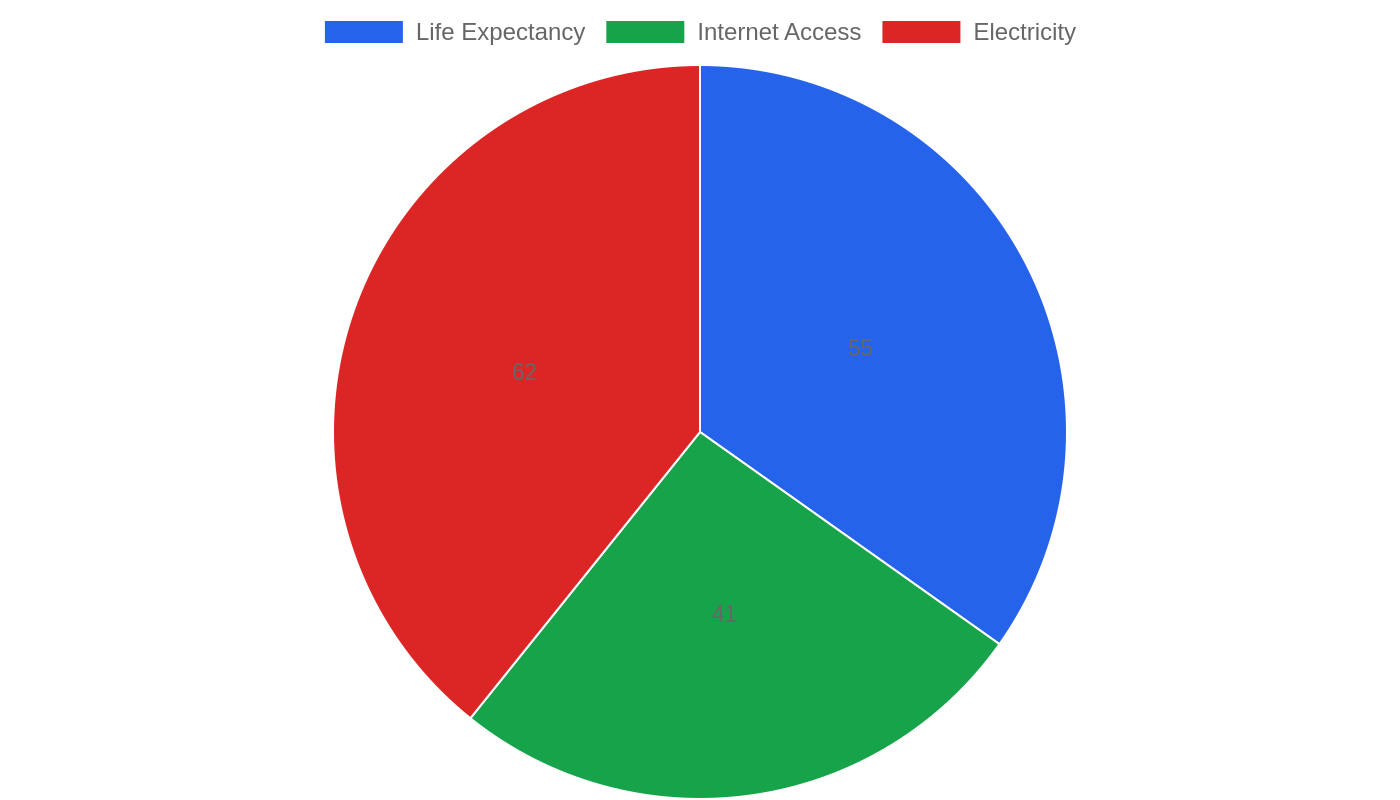
Economic Pulse Net | Sources: World Bank World Development Indicators, Government Sources | 2026
Key Takeaways
* Political Centralization: The President holds immense power, serving as the head of state and government with the authority to appoint officials from the Prime Minister down to local governors, shaping policy through a seven-year electoral cycle.
Diversified Corporate Landscape: Major economic players span financial services, telecommunications, logistics, and consumer goods, indicating a mature but concentrated private sector dominated by established entities like Afriland First Bank and Camtel.
Infrastructure and Logistics Focus: Key industries include critical transport and postal services, with companies like Camrail and CAMPOST playing pivotal roles in connecting the nation’s diverse regions.
Data Transparency Gaps: While the corporate and political structures are well-defined, macroeconomic indicators such as GDP growth, inflation rates, and unemployment figures remain unreported in current datasets, requiring investors to rely on qualitative assessments of business activity.
Strategic Regional Hub: With major airlines and leasing firms operating within its borders, Cameroon serves as a logistical node for Central Africa, though specific safety indices remain undefined.
The Engine of Growth: Industries and Economic Structure
The economic landscape of Cameroon is defined less by volatile macro-fluctuations and more by the steady operations of its core industrial sectors. Although precise GDP growth percentages and inflation CPI figures are currently unavailable, the presence of robust major industries suggests an economy anchored in tangible assets and service delivery.
The absence of reported unemployment data does not negate the structural reality that key industries drive daily economic life; instead, it highlights a reliance on formal employment within large corporations rather than broad statistical tracking. For instance, the dominance of consumer goods manufacturers like Brasseries du Cameroun and the Cameroon Development Corporation indicates a strong domestic market for essential products.
Similarly, the financial sector, led by institutions like Afriland First Bank and Commercial Bank Cameroon, provides the liquidity necessary for trade and investment. These industries collectively form the backbone of the national economy, suggesting resilience even when high-level aggregate data points are missing. Investors must look beyond standard World Bank metrics and focus on the operational health of these specific sectors to gauge true economic momentum.
The interplay between manufacturing, finance, and logistics creates a diversified ecosystem that can absorb external shocks better than single-commodity economies. Therefore, the “growth” in Cameroon is best understood through the expansion of these corporate giants rather than abstract percentage points. This sectoral depth provides a stable foundation for long-term planning, even in the absence of real-time inflation or GDP snapshots.
Cost of Living and Housing Dynamics
Understanding the cost of living in Cameroon requires looking at the practical expenses faced by residents and expatriates alike, even when specific price indices are not publicly quantified. Housing costs, rent versus buy decisions, and daily expenses are influenced heavily by the urban centers where major companies are headquartered.
In cities like Douala and Yaoundé, where businesses such as Camtel and Air Leasing Cameroon operate, the demand for commercial and residential space likely drives up local housing markets. Without concrete regional averages to compare against, one must infer that the cost of living is tied closely to access to services provided by top companies like Cargo Airways International and Camrail. Daily expenses, including food and transportation, are shaped by the efficiency of these logistics providers.
For example, the operational reach of CAMPOST affects the cost of moving goods, which indirectly impacts retail prices for consumers. While exact rental yields or inflation-adjusted housing costs are not available, the presence of a structured banking sector suggests that mortgage and rental markets function with some degree of predictability. Residents in major hubs likely face higher costs due to the concentration of wealth and corporate headquarters.
Conversely, rural areas may offer lower living costs but limited access to the services that define modern urban life. The disparity between urban and rural living standards remains a critical factor in understanding the true economic experience of the population. Ultimately, the cost of living is a reflection of infrastructure quality and service availability, both of which are improving through the investments of leading domestic firms.
Investment and Business Climate
Cameroon offers a compelling, albeit complex, environment for investors, characterized by a cluster of powerful, established companies across multiple sectors. The business climate is heavily influenced by the strategic positioning of entities like Camrail and Camtel, which control critical infrastructure. For foreign investors, the presence of major players such as Air Leasing Cameroon and Cargo Airways International signals a growing appetite for aviation and logistics services.
These sectors represent prime opportunities for partnership and investment, given the country’s role as a regional transit hub. The financial sector, bolstered by Afriland First Bank and Commercial Bank Cameroon, provides a relatively stable framework for capital transactions and credit facilities. However, the lack of transparent unemployment and GDP data means that risk assessment relies more on due diligence of individual companies than on broad economic trends.
Entrepreneurs entering the market should focus on industries with clear revenue streams, such as consumer goods (Brasseries du Cameroun) and industrials (CAMPOST). The business environment is also shaped by the regulatory framework overseen by the presidential administration, which appoints key economic officials. This centralization can streamline decision-making but may also create bottlenecks if bureaucratic processes are slow.
Investors must navigate this landscape by building strong local partnerships and understanding the nuances of corporate governance in state-influenced markets. The diversity of top companies—from telecoms to banking—suggests that no single sector dominates entirely, offering varied entry points for different types of capital. Success in Cameroon’s business climate will depend on agility, local knowledge, and a deep understanding of the infrastructure constraints and opportunities.
Safety, Politics, and Quality of Life
The political landscape of Cameroon is highly centralized, with the President wielding significant authority over policy, government appointments, and the armed forces. Elected every seven years, the President not only sets the national agenda but also ratifies treaties and declares states of emergency, making political stability a top-down affair. This structure ensures that policy changes are implemented rapidly but also concentrates risk in the executive branch.
The appointment of provincial governors and divisional officers by the President further tightens control over local administration, affecting how laws and regulations are enforced on the ground. Regarding safety, crime and safety indices are currently listed as N/A, leaving a gap in quantitative assessments of personal security. This absence of data necessitates caution for travelers and expatriates, who must rely on localized intelligence and company-specific security protocols.
The quality of life is thus intertwined with political stability and the effectiveness of local law enforcement, which falls under the President’s command. Happiness data or subjective well-being metrics are also unavailable, meaning that social satisfaction cannot be measured statistically. Instead, observers must look at the functional aspects of daily life, such as the reliability of utilities provided by Camtel and the accessibility of transport via Camrail.
The political environment is dynamic, with the President’s ability to administer government agencies directly impacting public service delivery. For residents and visitors alike, understanding the power dynamics of the presidency is crucial for navigating both professional and personal challenges. The intersection of political power and daily life creates a unique context where official directives can quickly alter the operational landscape for businesses and individuals.
What’s Happening Now: Current Affairs and Policy Shifts
The current affairs in Cameroon are driven by the active exercise of presidential power and the ongoing evolution of its corporate sector. With the President recently engaging in treaty negotiations and policy administration, the country is likely experiencing shifts in regulatory frameworks that could impact foreign investment. The emphasis on appointing government officials at all levels suggests a period of administrative restructuring, which may affect how businesses interact with local authorities.
Meanwhile, major companies like Camair-Co and Air Leasing Cameroon are expanding their footprints, indicating a continued focus on enhancing connectivity and service capacity. These developments reflect a broader trend toward modernizing the country’s logistics and aviation sectors, vital for a nation aiming to strengthen its regional influence.
The operational activities of Brasseries du Cameroun and the Cameroon Development Corporation also highlight ongoing efforts to boost domestic production and reduce import dependency. As the political cycle approaches the next seven-year election, policy announcements and infrastructure projects are likely to intensify, creating both opportunities and uncertainties for stakeholders.
The lack of recent news on inflation or unemployment does not mean stagnation; rather, it suggests that media coverage may be focused on political maneuvers and corporate milestones. Investors should monitor presidential decrees and ministerial appointments closely, as these actions will dictate the immediate business environment. The interplay between political will and corporate ambition defines the current moment in Cameroon, offering a window into how the country balances sovereignty with economic integration.
Staying attuned to these high-level decisions is essential for anyone seeking to capitalize on emerging trends in this Central African hub.
The Bottom Line
Cameroon presents a unique investment case where political centralization and corporate strength outweigh the absence of granular macroeconomic data. Investors and analysts should watch this country closely due to its strategic position in Central Africa and the robustness of its key industries. The dominance of established players in finance, logistics, and consumer goods provides a stable baseline for business operations despite unclear inflation or GDP metrics.
Ultimately, success in Cameroon requires a nuanced understanding of its political architecture and a willingness to engage with its vibrant, albeit opaque, corporate landscape.
Sources & Methodology
This article is authored by Economic Pulse Net for informational and research purposes. Economic Pulse Net sources its data from multilateral institutions, national statistics bureaus, and proprietary databases. All data is believed to be current as of the date of publication.
Published: September 27, 2026 | Category: Research — Cameroon
Use these signals in your own platform
Economic Pulse publishes its live signal feed through a documented, read-only API. Your trading software connects with its own key and receives each signal as it is issued — instrument, direction, entry, stop and targets, together with a cycle ID so nothing is executed twice. The feed is independent of this website and cannot change it.
Signals are informational only and are not financial advice.