Economic Pulse Net | Sources: World Bank World Development Indicators, Government Sources | 2026
Key Takeaways
– The Northern Mariana Islands operate as a U.S. commonwealth with a multiparty presidential representative democratic system, making their economic fate uniquely tied to federal funding streams administered by the Office of Insular Affairs of the U.S. Department of the Interior.
– Official economic indicators from the World Bank—GDP growth, inflation, unemployment, GDP per capita, and GNI per capita—remain unreported, creating a significant data vacuum that complicates investment decisions and policy planning.
– The political landscape is stable but structurally dependent, with no major recent reforms or policy shifts reported, suggesting a period of institutional continuity rather than transformation.
– Without publicly available data on major industries, top companies, or cost of living, the territory’s economic profile remains opaque to outside observers and potential investors.
– The absence of crime and safety indices means quality-of-life assessments rely entirely on anecdotal and qualitative reporting rather than standardized international benchmarks.
The Invisible Economy — What We Don’t Know About the Marianas
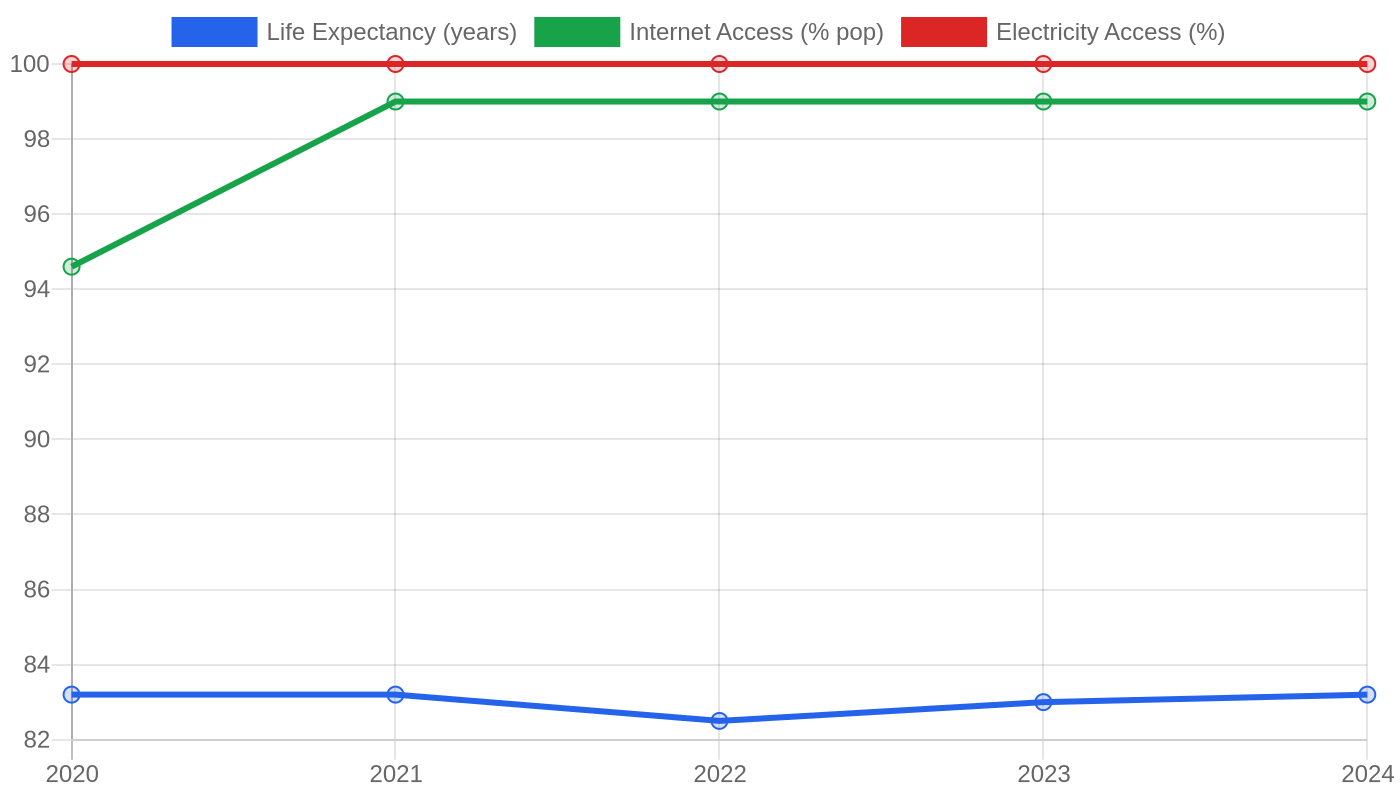
The Northern Mariana Islands present a peculiar challenge for any economic journalist: a sovereign territory within the American political system whose economic heartbeat remains largely unmonitored by international institutions. The World Bank, the gold standard for cross-country economic comparison, reports no data whatsoever for this Pacific archipelago—no GDP growth figure, no inflation rate, no unemployment statistic, no GDP per capita calculation, and no GNI per capita number.
This is not a case of missing recent data; it is a complete absence of baseline economic intelligence.
For a territory that exists as a U.S. commonwealth, this statistical silence is both notable and consequential. Without these fundamental indicators, policymakers within the islands cannot benchmark their performance against regional peers. Potential investors cannot conduct basic due diligence. And residents themselves lack the macroeconomic context to understand whether their standard of living is improving or deteriorating.
The World Bank’s silence on the Northern Mariana Islands effectively renders the territory an economic black box—a place where decisions are made without the guidance of standardized data. This is particularly striking given that the islands’ political structure, a multiparty presidential representative democratic system, would typically demand transparency and accountability from its governing institutions.
The absence of data does not mean the absence of economic activity; it means the activity is happening outside the framework of measurable, comparable statistics that the rest of the world relies upon.
The Price of Paradise — Living Costs in a Data-Free Zone
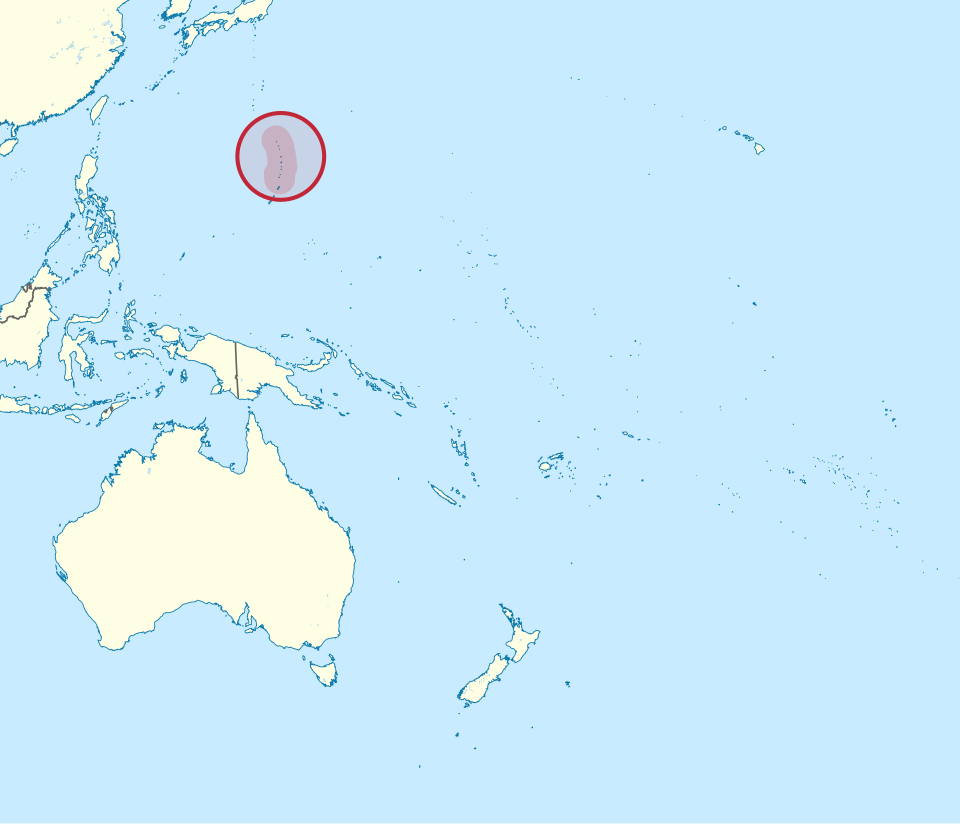
Understanding the cost of living in the Northern Mariana Islands requires a different kind of analysis, one that acknowledges the absence of official indices while recognizing the structural realities of an isolated Pacific archipelago. No official cost-of-living data exists from the World Bank or other international sources, leaving residents and observers to piece together an economic picture from fragmentary evidence. What is clear is that the territory’s status as a U.S.
commonwealth means its currency is the U.S. dollar, which anchors prices to American monetary policy while the islands’ remote geography inflates transportation costs for imported goods.
Housing costs, rent-to-buy ratios, and daily expenses remain unquantified by any major international database. This information vacuum is itself a form of economic data—it suggests that the territory lacks the institutional capacity or political will to systematically track and publish these metrics. For a Pacific island economy that relies heavily on tourism and federal transfers, the inability to provide basic cost-of-living figures to potential visitors or investors represents a competitive disadvantage.
Competing destinations in the region, from Guam to Hawaii, publish detailed cost analyses. The Northern Mariana Islands, by contrast, remain opaque. The absence of data does not mean costs are low; in many remote island economies, the opposite is true, with imported goods commanding significant premiums.
Business Without a Map — Investing in the Unknown
The investment climate in the Northern Mariana Islands is defined not by what is known, but by what is unknown. No major companies are listed in any international database for the territory. No key industries are identified by the World Bank or other authoritative sources. This is not merely a data gap; it is a fundamental barrier to economic development.
Without a clear picture of which sectors are growing, which companies are hiring, and which industries attract capital, the territory cannot effectively market itself to outside investors.
The political structure provides some stability—a multiparty presidential representative democratic system, combined with the legal and institutional framework of a U.S. commonwealth, offers property rights protections and rule-of-law guarantees that many developing economies lack. Federal funds administered by the Office of Insular Affairs of the U.S. Department of the Interior provide a baseline of government spending that supports public services and infrastructure.
But this federal dependence comes with its own risks. The territory’s economic fate is tied to appropriations decisions made in Washington, D.C., over which local officials have limited control. Tourism, the traditional mainstay of many Pacific island economies, likely plays a role here, but without data on visitor numbers, spending patterns, or hotel occupancy rates, the sector’s health remains a matter of speculation rather than analysis.
Stability and Silence — The Political Reality of Commonwealth Life
The political landscape of the Northern Mariana Islands is, by available evidence, stable but static. The territory operates under a multiparty presidential representative democratic system, with elected officials managing local affairs within the constraints of commonwealth status. The Office of Insular Affairs of the U.S. Department of the Interior administers federal funds, creating a direct line of accountability to Washington that shapes local governance priorities.
Crime and safety indices are unavailable from any international source, leaving questions of public security unanswered. This absence of data is not necessarily alarming—many small island territories lack the resources to compile and submit crime statistics to international databases—but it does create uncertainty for anyone considering relocation or investment.
The quality of life in the Northern Mariana Islands, like so many aspects of its economy, must be assessed through qualitative rather than quantitative measures. The territory’s political stability is its strongest asset: a functioning democratic system within the protective umbrella of U.S. sovereignty. But stability without growth, without data, without transparency, risks becoming stagnation.
The islands’ political leaders face the challenge of transforming institutional stability into measurable economic progress.
The Present Tense — What’s Happening in the Marianas Right Now
As of the most recent reporting period, the Northern Mariana Islands are experiencing a period of notable quiet on the economic and political front. No major reforms have been announced. No significant policy shifts have been reported. No elections, protests, or leadership changes have captured international attention. The territory’s economy continues to function within the framework established by its commonwealth status, with federal funds from the Office of Insular Affairs of the U.S.
Department of the Interior providing the financial backbone that sustains public services and infrastructure.
This absence of news is itself newsworthy. In a region where many Pacific island nations are grappling with climate change, demographic shifts, and geopolitical competition between major powers, the Northern Mariana Islands remain remarkably insulated from the currents reshaping their neighborhood. The territory’s status as a U.S. commonwealth provides a buffer against many of the pressures facing independent Pacific states, but it also limits the islands’ agency in shaping their own future.
The current moment appears to be one of consolidation rather than transformation—a period of institutional maintenance rather than innovation. For investors and observers watching the Pacific, the Northern Mariana Islands offer stability but little dynamism, continuity but limited opportunity for dramatic change.
The Bottom Line
The Northern Mariana Islands are a territory defined by what is absent—missing economic data, unreported crime statistics, unidentified industries—rather than by what is present. For investors seeking transparency and measurable opportunity, this is a red flag. For policymakers and development specialists, the islands represent a challenge: how to build an economic identity when the basic tools of economic measurement are unavailable. The territory’s political stability and U.S.
commonwealth status provide a foundation, but without data, without identified growth sectors, without cost-of-living benchmarks, the Northern Mariana Islands remain an economic question mark in the Pacific. Anyone watching this territory should focus first on whether its leaders can build the institutional capacity to answer the most basic questions about their own economy.
Sources & Methodology
This article is authored by Economic Pulse Net for informational and research purposes. Economic Pulse Net sources its data from multilateral institutions, national statistics bureaus, and proprietary databases. All data is believed to be current as of the date of publication.
Published: July 24, 2026 | Category: Research — Northern Mariana Islands
Use these signals in your own platform
Economic Pulse publishes its live signal feed through a documented, read-only API. Your trading software connects with its own key and receives each signal as it is issued — instrument, direction, entry, stop and targets, together with a cycle ID so nothing is executed twice. The feed is independent of this website and cannot change it.
Signals are informational only and are not financial advice.